
These classes encourage children to... talk.
Without grades or pressure to achieve high scores, some classes choose to accompany children through conversation, experiences, and listening. There, children are encouraged to self-reflect, connect with peers, and gradually find their own voice.
Help children confidently express their thoughts.
In the cozy atmosphere of the "Mind-Body Society" class, the question "What are your strengths?" often left many teenagers hesitant. When the teacher posed the question, many struggled to answer, or could only timidly mention a few vague aspects of themselves. However, the atmosphere quickly changed when the lesson moved on to the peer review exercise. Instead of talking about themselves, each student took up a pen and wrote down the strengths they observed in their classmates.
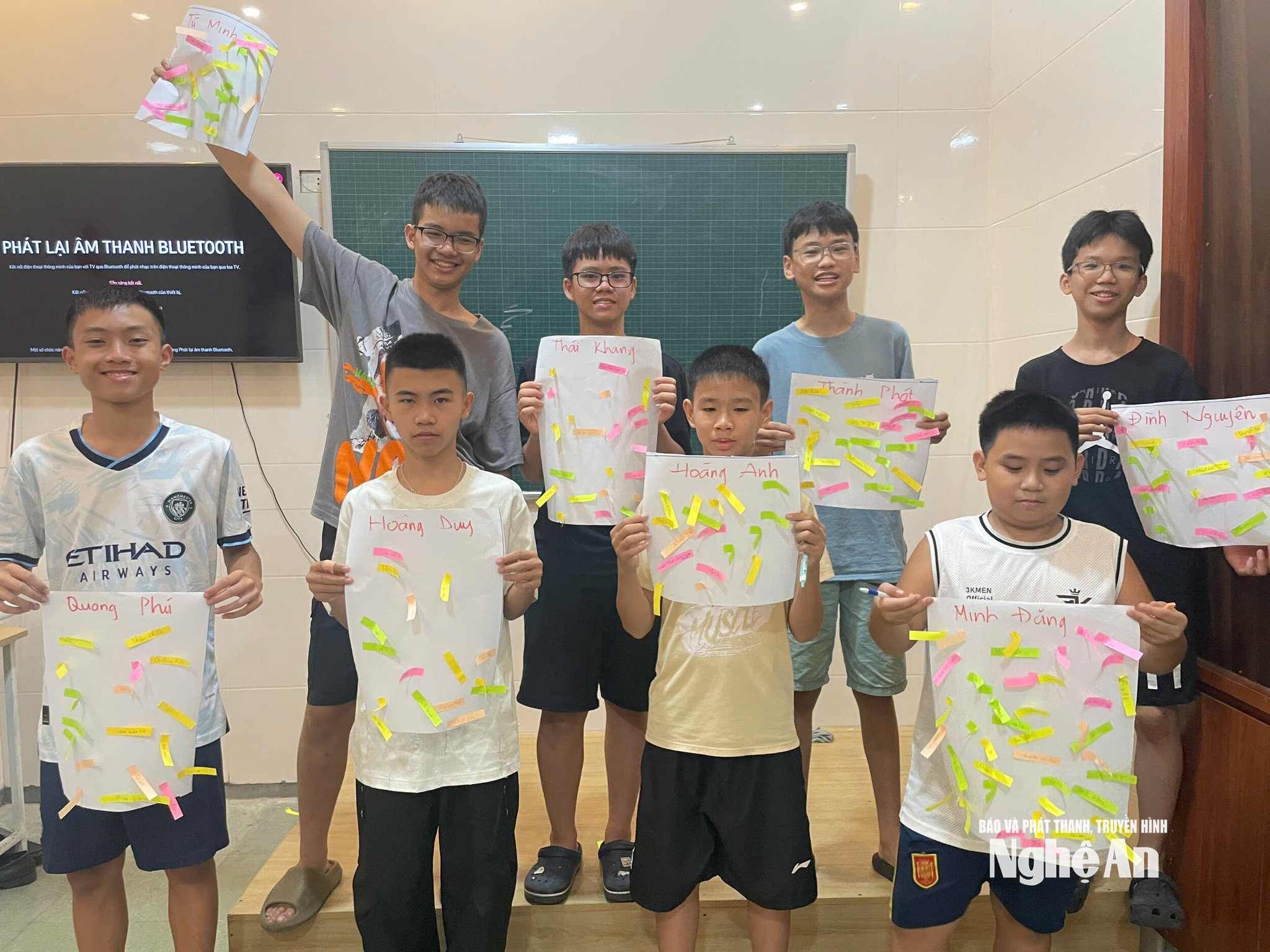
These small notes reveal many surprising discoveries. Some students are recognized for their intelligence, particularly their ability to speak at the right time; others for their keen observation skills; and still others for their talent in de-escalating tense situations… Looking back at themselves through the lens of their peers, the students realize they possess more positive qualities than they had ever imagined.
This is just one of many experiences at the "Mind-Body Society" class, founded and run by Mr. Nguyen Thanh Luan (born in 1995, residing in Vinh Hung ward) since 2023, for students.pupilAdolescent age group.
Having spent many years researching school psychology, Mr. Luan understands that adolescence is a period of significant change, when teenagers are more likely to avoid the imposition of adults and are more willing to listen to their friends and idols. Therefore, the core principle of "Mind-Body Society" is to create a safe, respectful, and non-judgmental environment. Instead of the "one-on-one" model, which can easily feel like lecturing, issues are discussed in groups of 4-5 or more students. The emotions, thoughts, and concerns of adolescence are received naturally, without imposition.
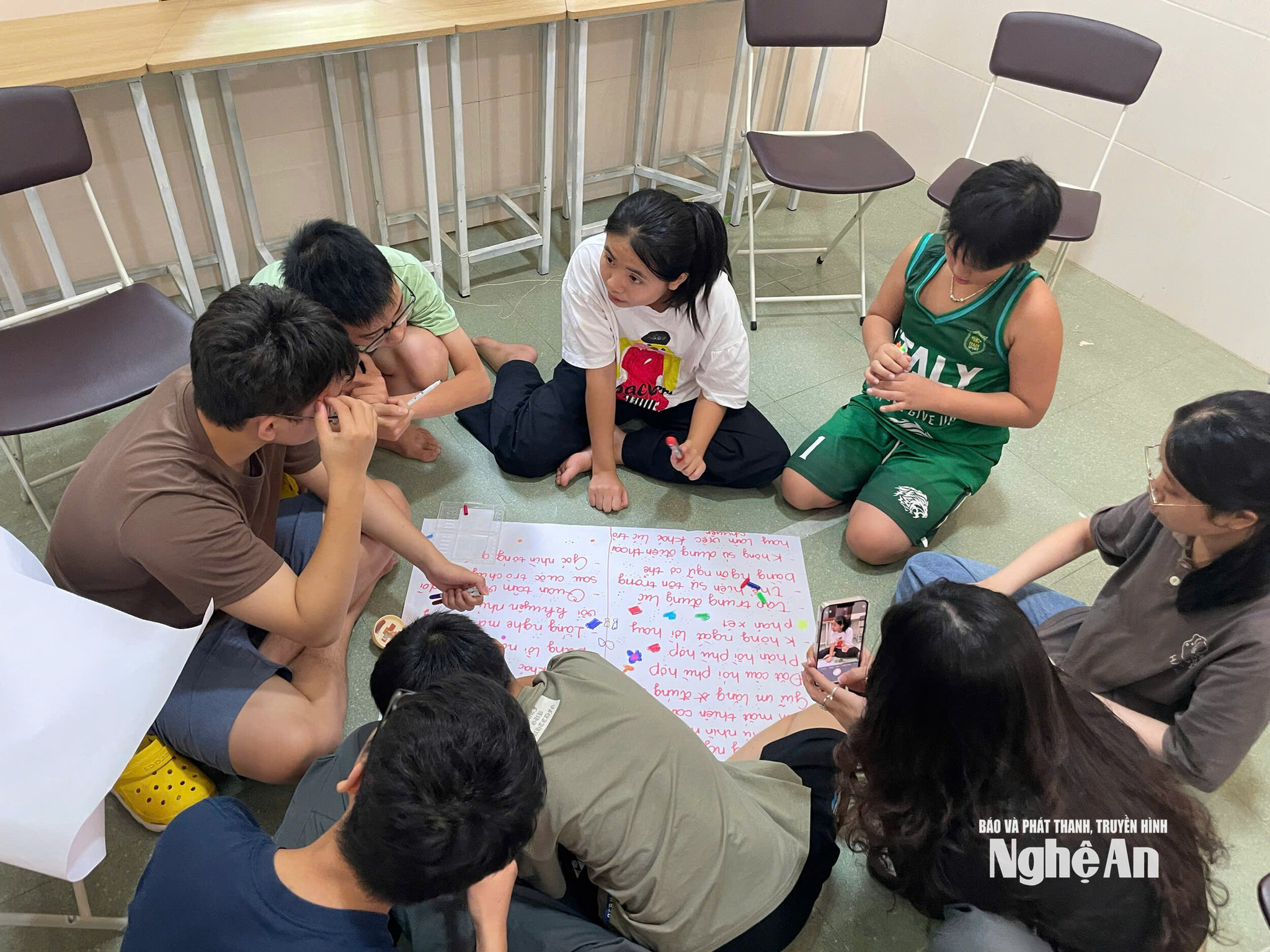
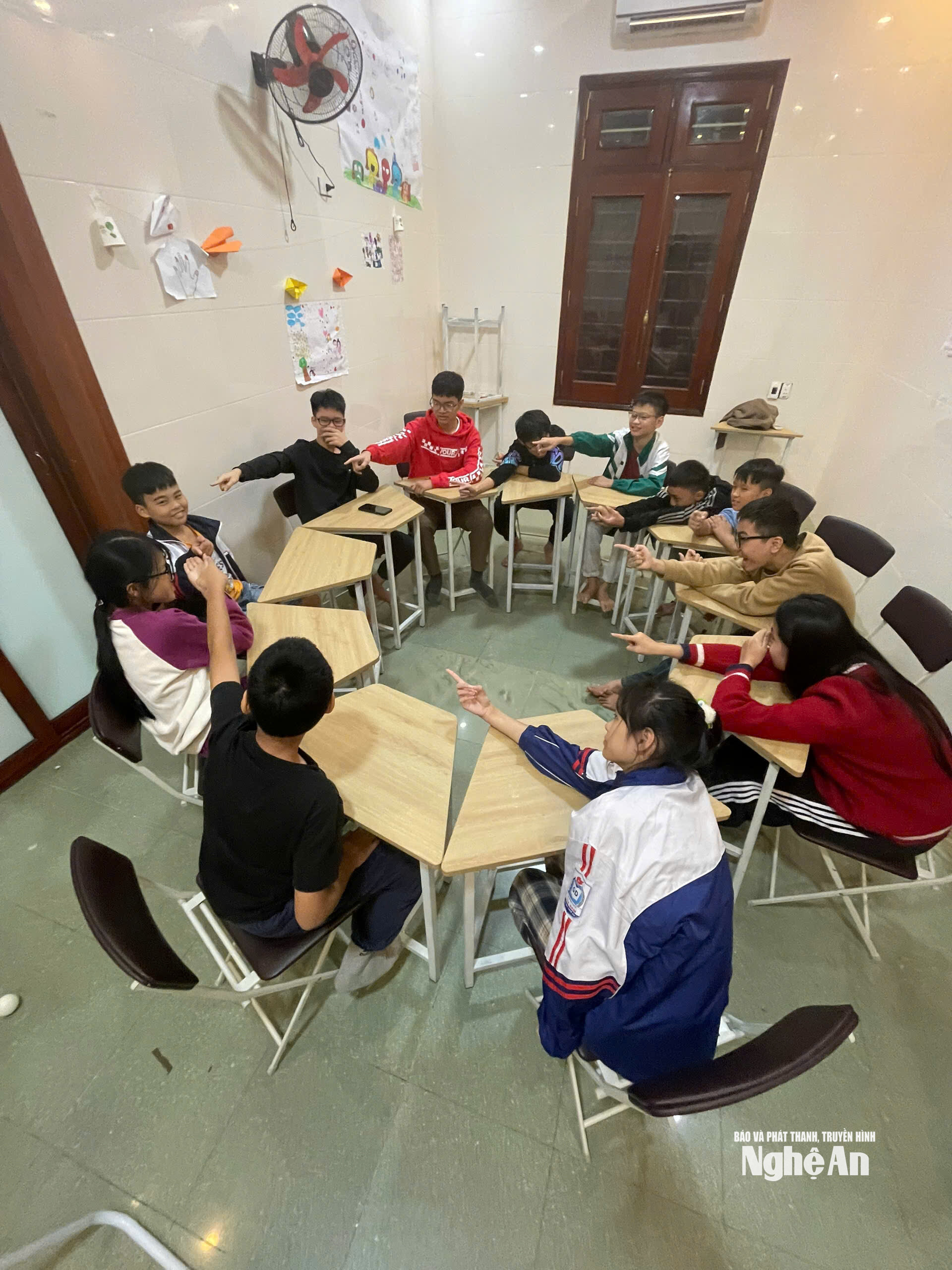
Teacher Luan shared: “I realized that, with the same issue, a one-on-one teacher-student setting can feel imposing. But when four or five students or more share their perspectives, it creates a peer-to-peer viewpoint, helping students feel more confident in the information. In a safe and respectful environment, teachers should only act as facilitators, not impose their own worldview on students.”
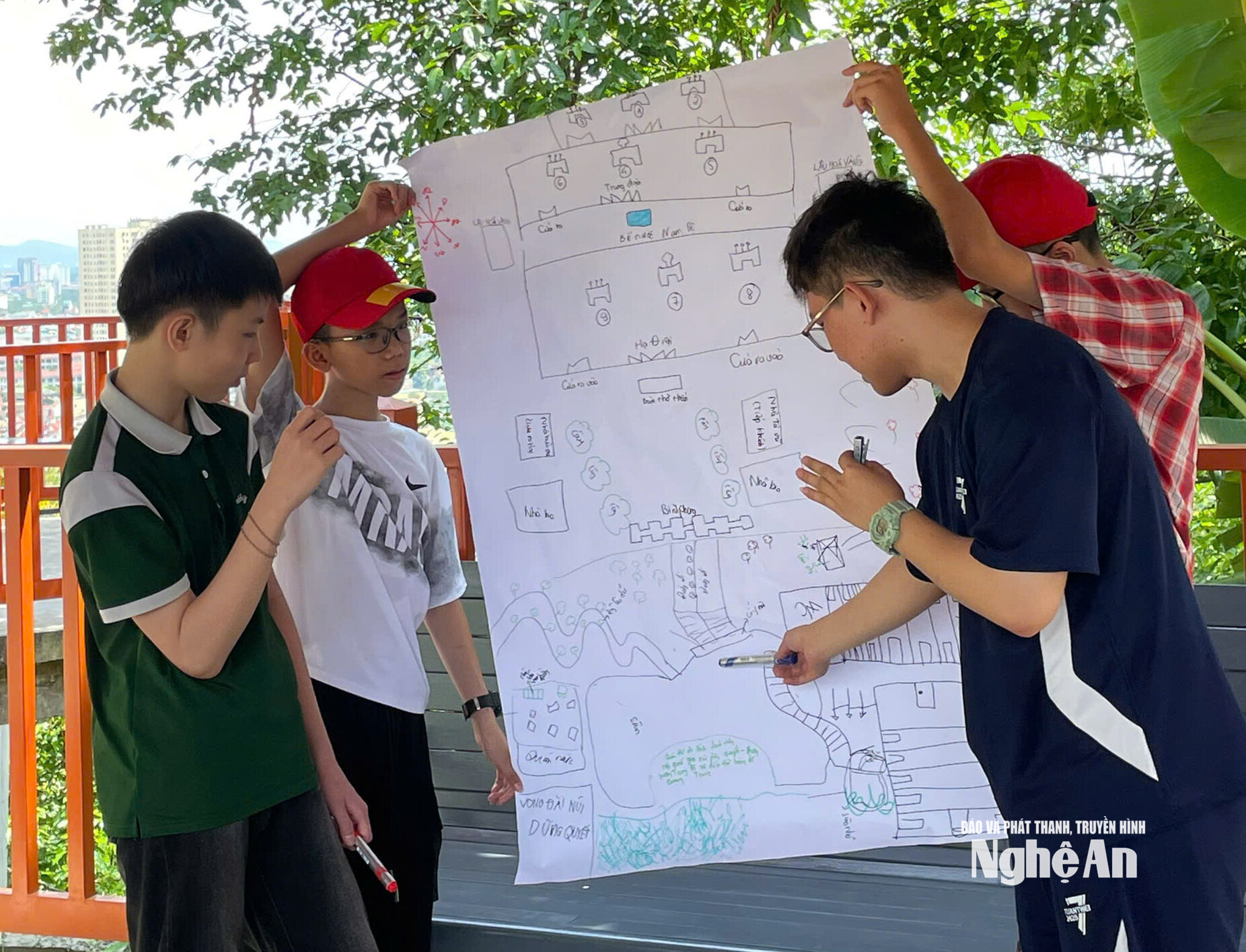
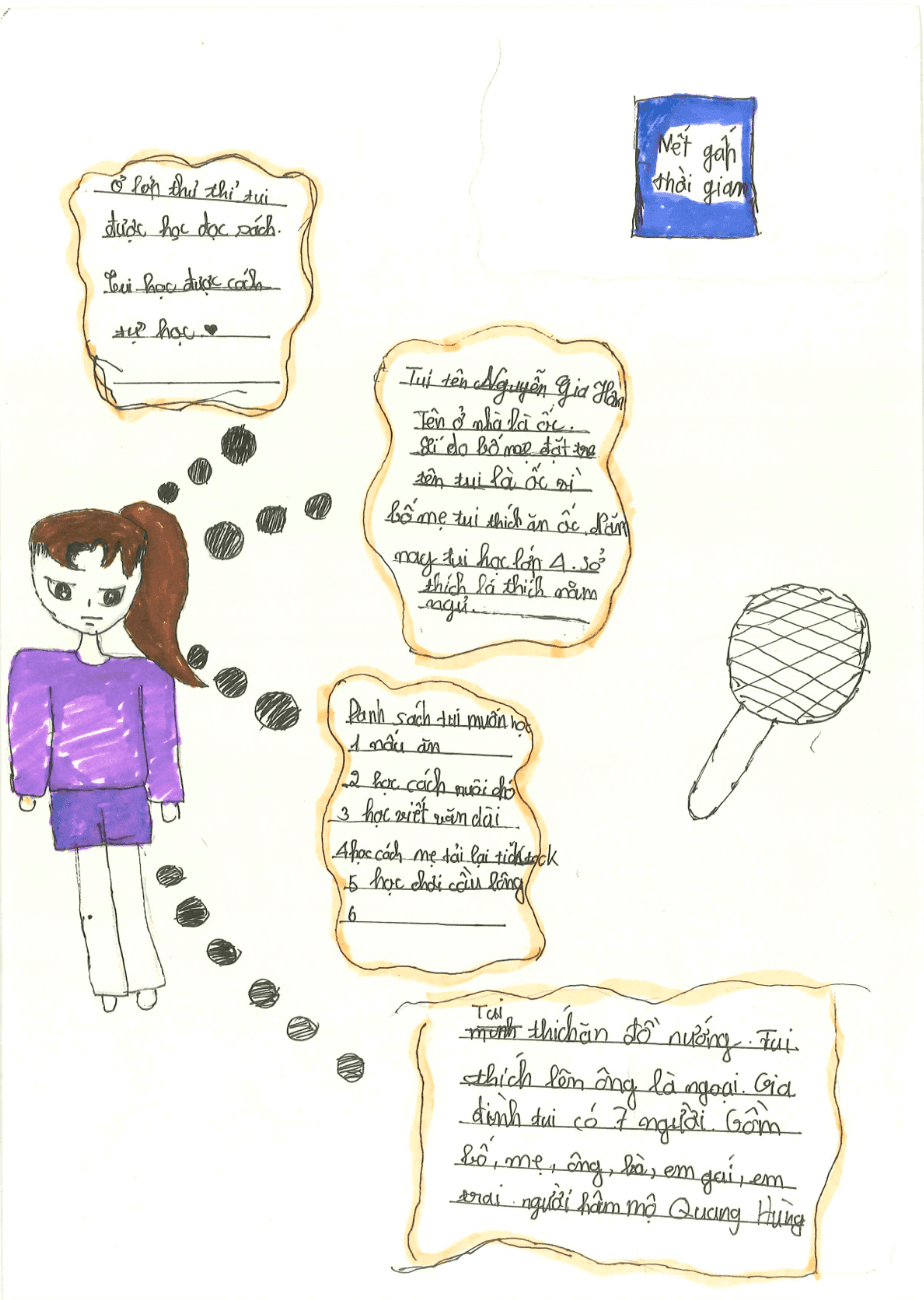
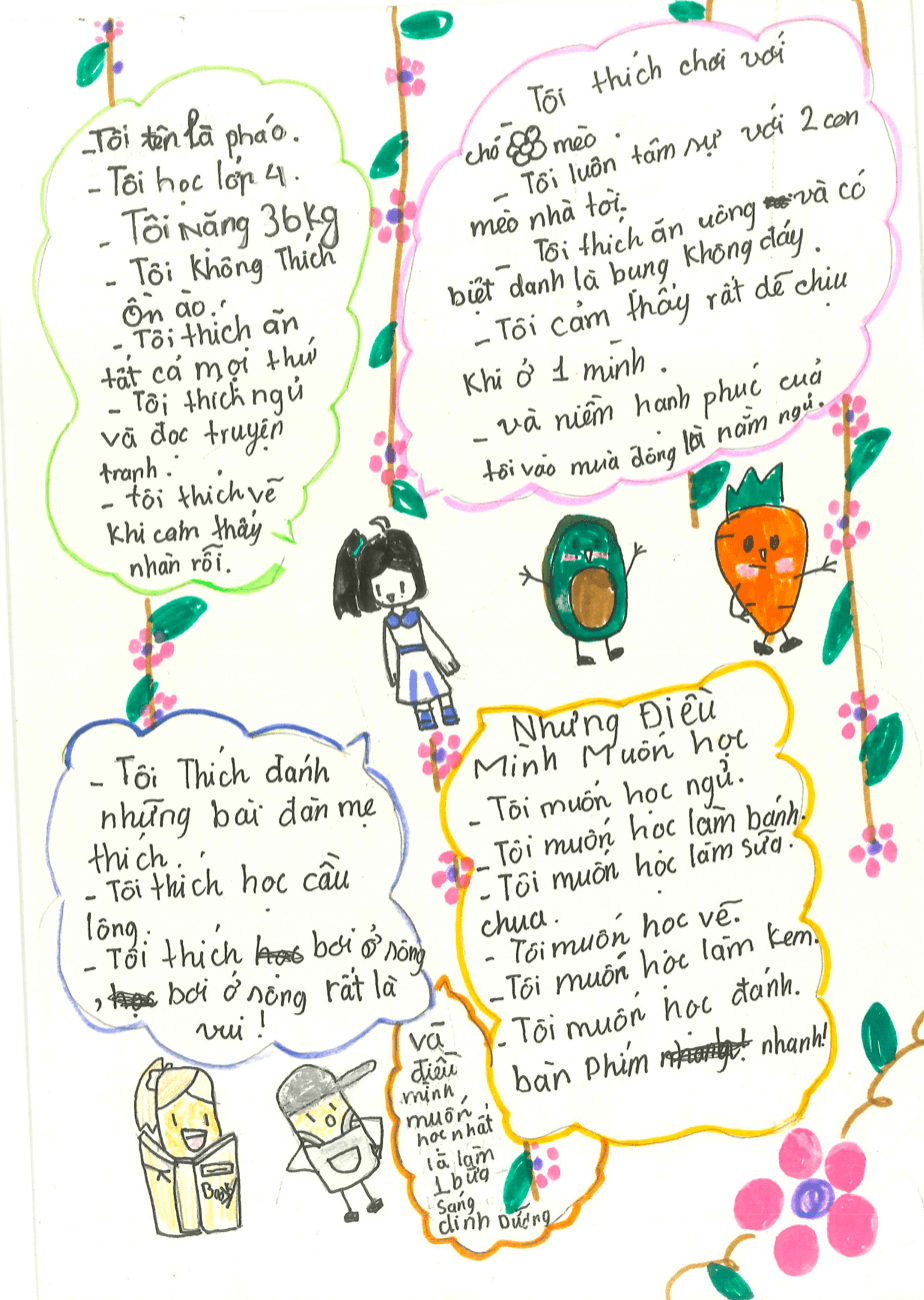
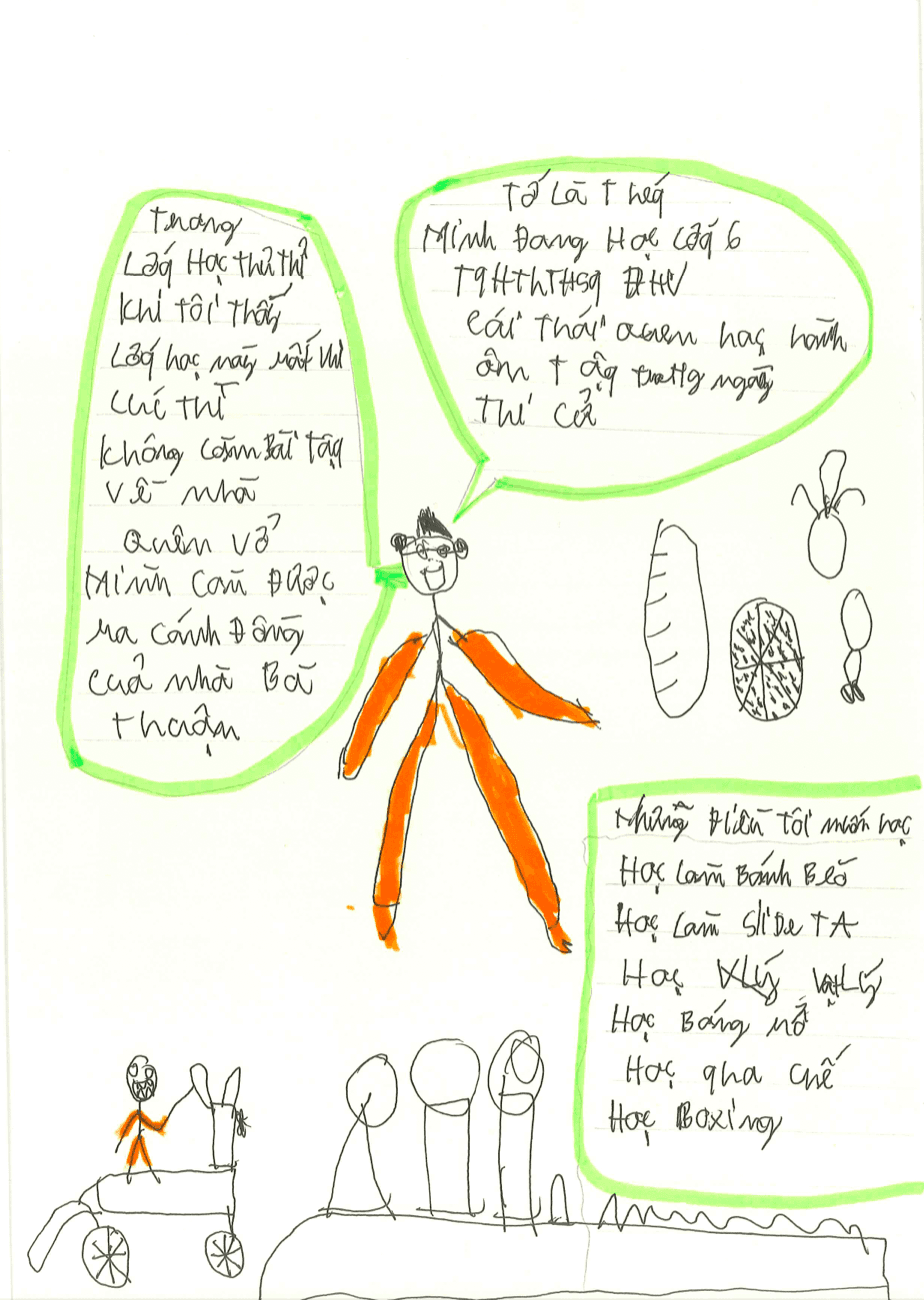
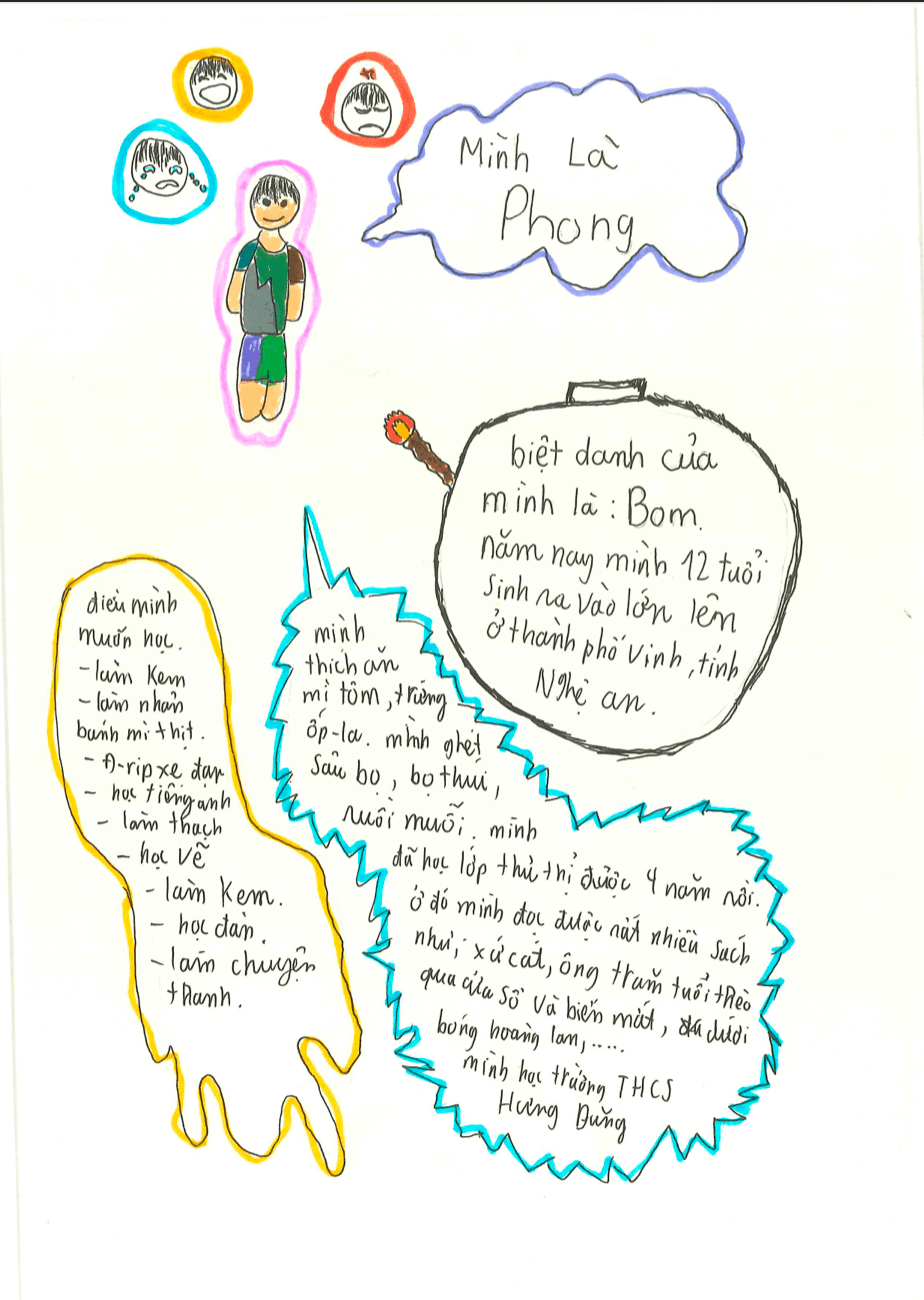
In addition to supporting children, Truong Vinh ward also offers a "Whispering" class for children aged 7 and up. While the "Mind-Body-Social" class focuses on the upheavals of adolescence, "Whispering" aims to nurture the thinking and emotions of elementary and middle school children. The class is not confined to four walls. Some sessions take place indoors, while others involve going to parks, immersing themselves in forests, or visiting museums together. Familiar topics such as personal identity, responsibility, and the roles of men and women in the family are presented for the children to think about, discuss, and debate.
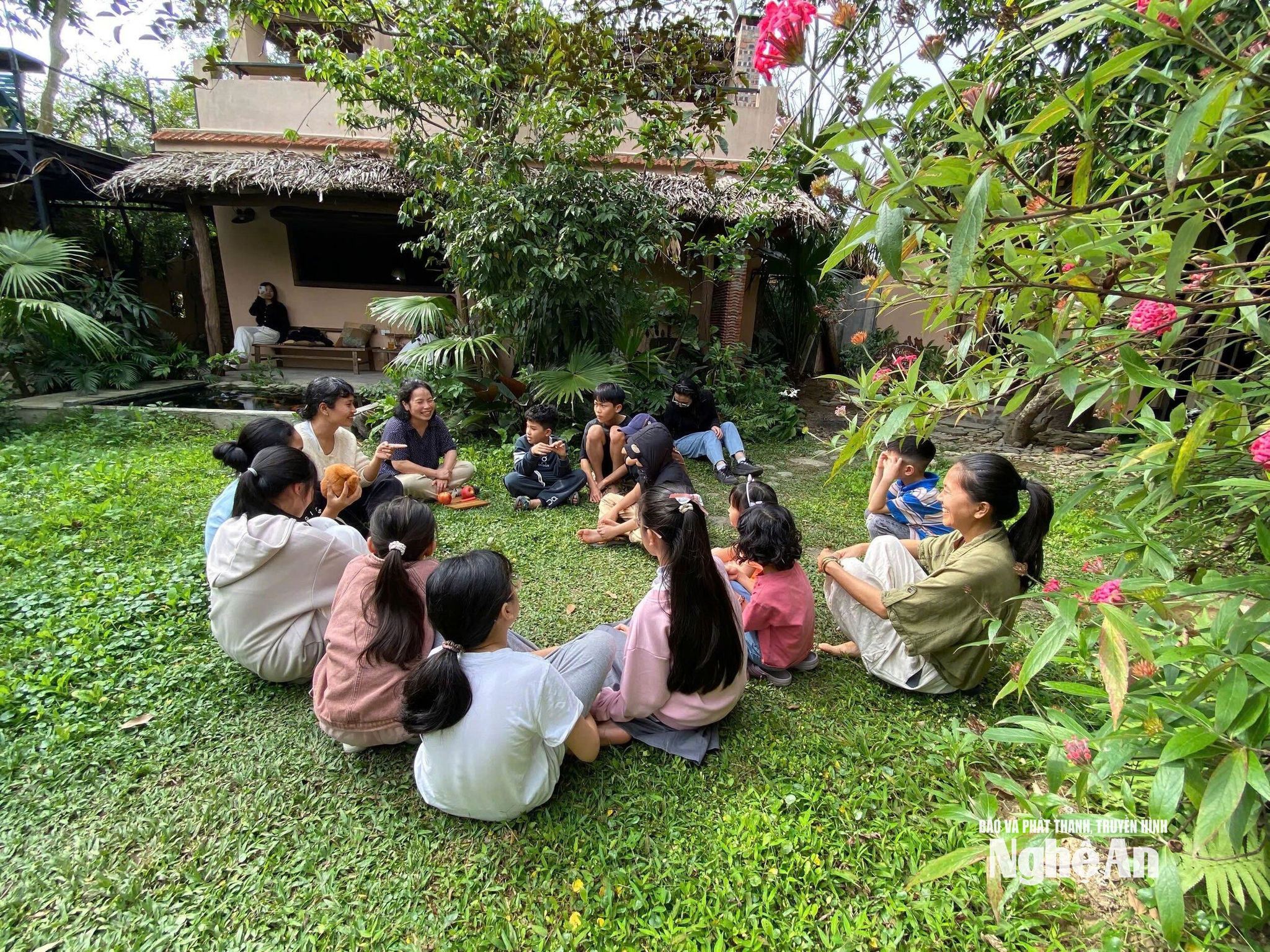
The person who planted the seeds for the "Whispering" class is teacher Nguyen Thi Bich Thuy (born in 1986, residing in Truong Vinh ward). Returning to Nghe An in 2020 after teaching elementary school math and providing school psychology counseling in Hanoi, Ms. Thuy brought with her a concern about the shortcomings in the experiences and perceptions of urban children.
Initially, she planned to build a "Philosophy for Children" model, starting with accessible books to spark thoughtful questions. However, in practice, she realized that books were only a small window. Urban children today lack the natural experiences that were once so familiar to previous generations. Therefore, the program was redesigned to bring children back to nature and encourage conversation and sharing among them.
Building a community that knows how to listen to each other is not something that can be done overnight. Ms. Thuy spent a whole year helping the students practice the habit of listening without rushing to judge right or wrong. Today, students at "Whispering" can design their own learning programs and know how to connect with their families as an important source of learning materials.
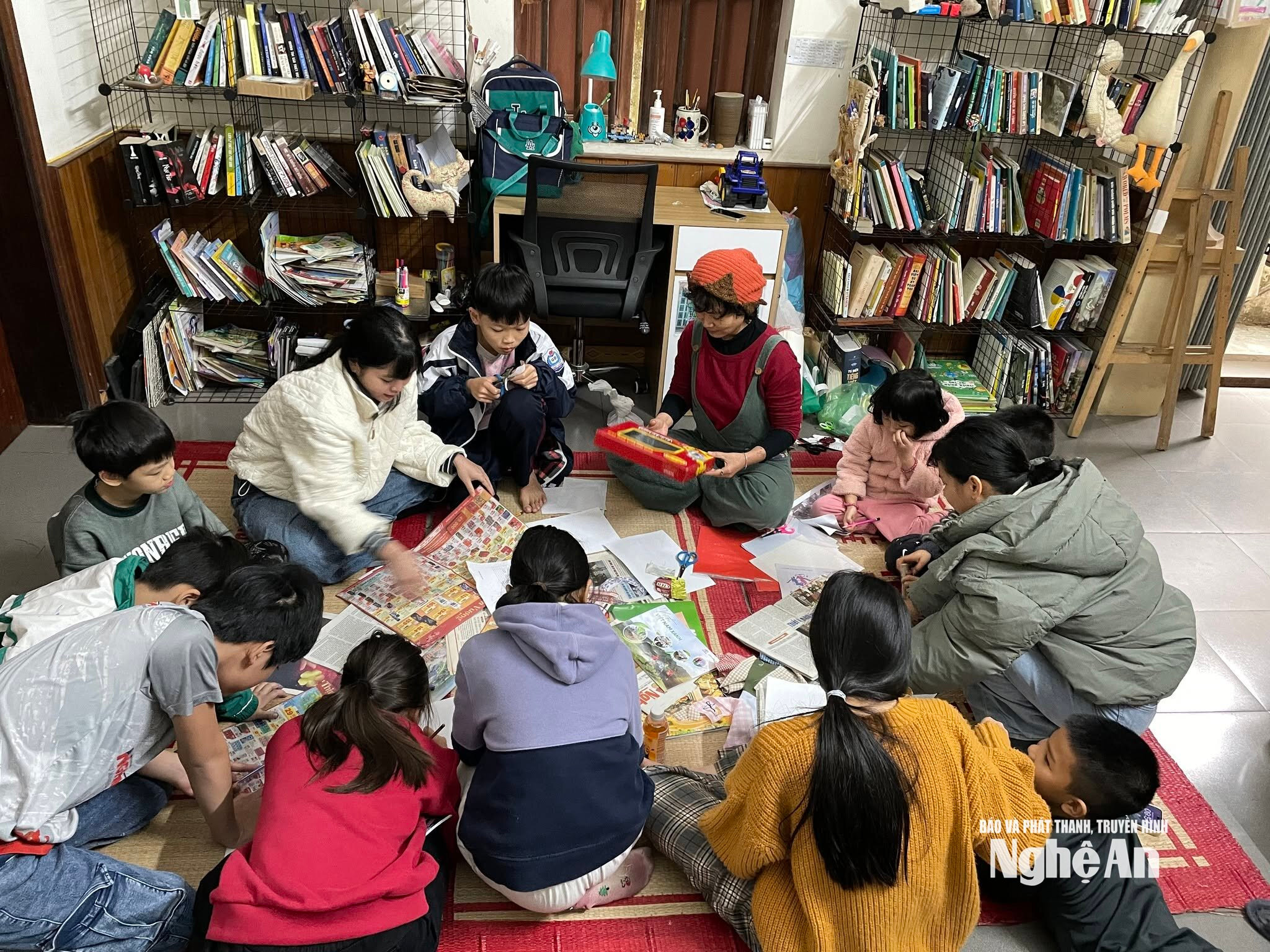
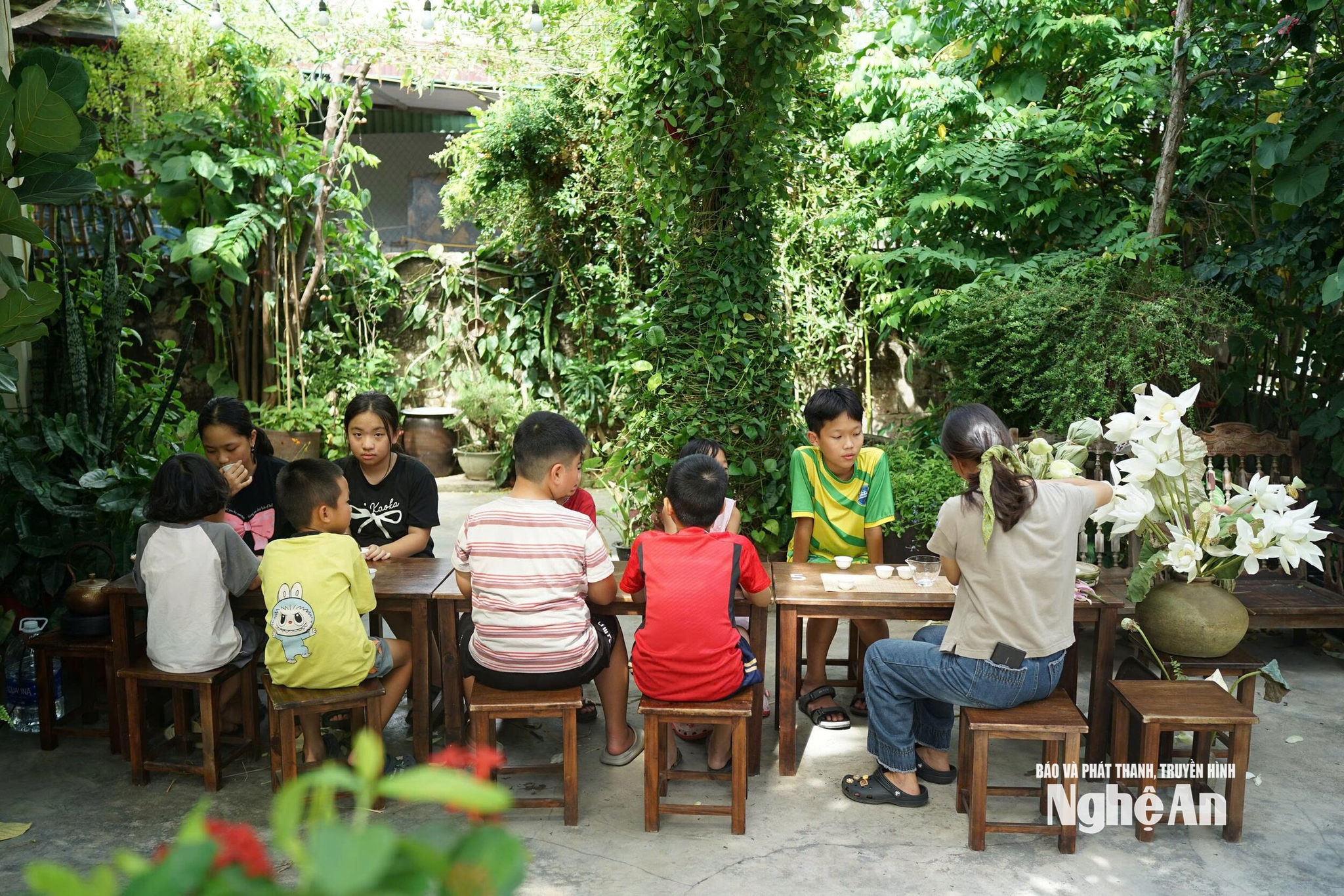
"When children have a safe community to share their thoughts in, without right or wrong, they will confidently express their opinions and learn to respect the opinions of others. That's a key difference from adults, because adults often judge too hastily...", Ms. Nguyen Thi Bich Thuy confided.
Both "Mind-Body Socialization" and "Whispering" share a spirit of supportive and respectful education. Without pressure for grades, tests, or rankings, these classes create circles of conversation where children can explore, share, and learn to listen to their own voices.
A space for children to grow up.
In modern life, children may lack experiences that seem perfectly normal. Ms. Tran Ngoc Mai, a parent in Vinh Phu ward, confided: “I earnestly seek an environment for my child where they can socialize with friends, learn how to debate, share, and critically analyze, and learn to perceive and understand the world around them. For our generation, nature and the environment taught us many things. But for children in modern urban life, these seemingly simple things are a luxury, not easily obtained.”
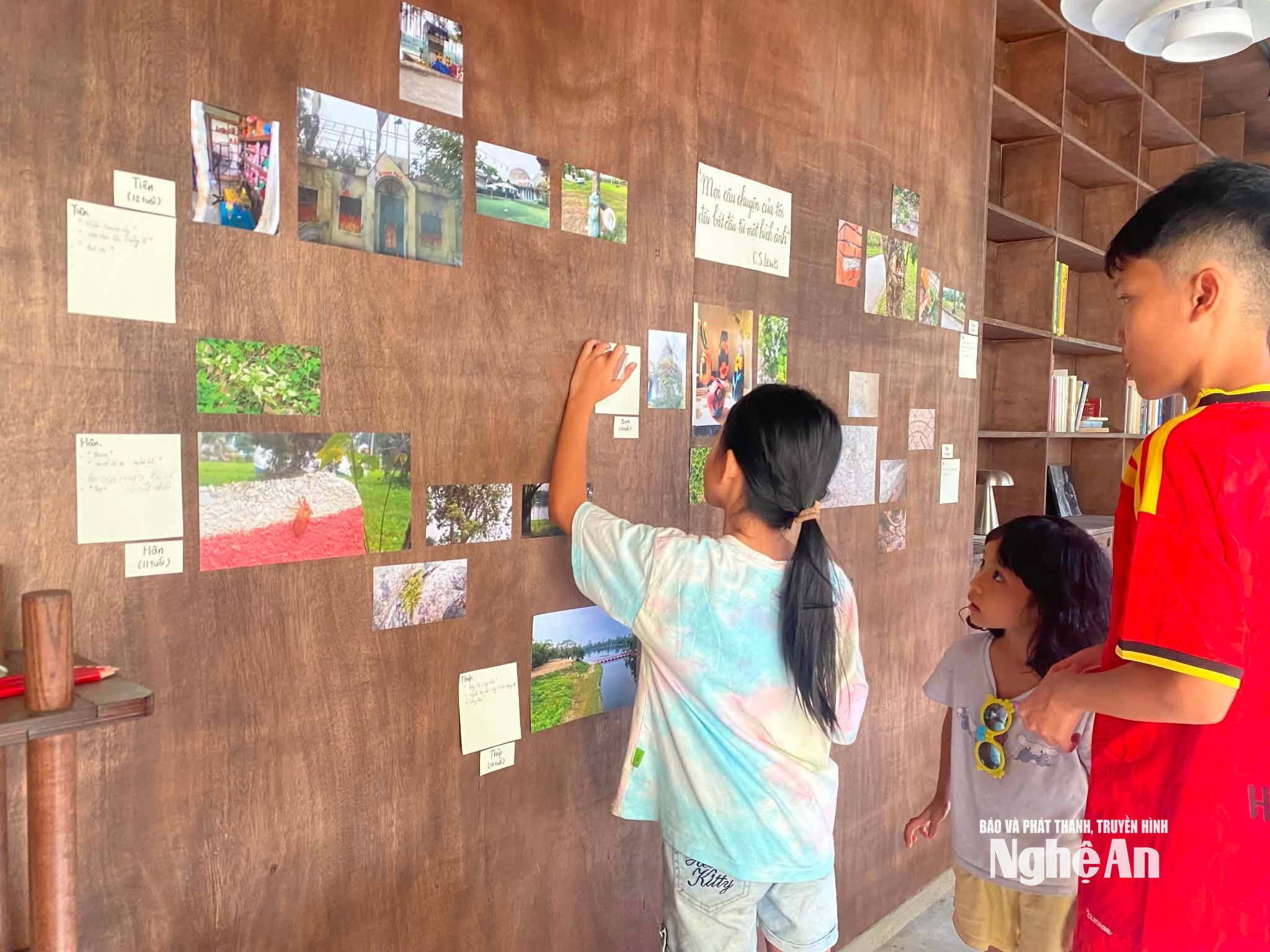
From these needs, spaces like "Whispering" or "Social Communication" become places where children can experience, converse, and learn to live with others. Outings in nature provide children with real-world experiences; discussions help them learn to listen, critically analyze, and form their own opinions instead of simply accepting ready-made answers… More importantly, they live in a community where differences are not immediately judged. Through the process of listening to each other, children gradually recognize their own value, become more proactive in their learning, and learn to turn to their families as a vital source of connection.
The effectiveness of this approach is clearly demonstrated by the commitment of the students who have participated in the classes. Luong Tu Minh, an 11th-grade student at Ha Huy Tap High School, has been involved with the "Mind-Body Society" for over a year. She said: "I see the teacher as an idol and I really enjoy participating in the classes. If we don't see each other for 2-3 weeks, I miss him."
For Phan Thi Ngoc Mai, a third-year Public Relations student at the University of Social Sciences and Humanities, Vietnam National University, Hanoi, and a former student of the "Mind-Body Society," her years of study there became a part of her journey of growth: "When I was in 10th grade, there were almost no classes with this model in the area. The innovative approach in the class helped students improve many skills. Besides being a student, I also participated as a teaching assistant and realized that the younger students also really enjoyed the class. From there, I understood myself better, discovered other abilities, and with broader awareness, we were more insightful in choosing our future careers."
Before taking the university entrance exam, Mai herself consulted with her teacher to make the most appropriate decision.
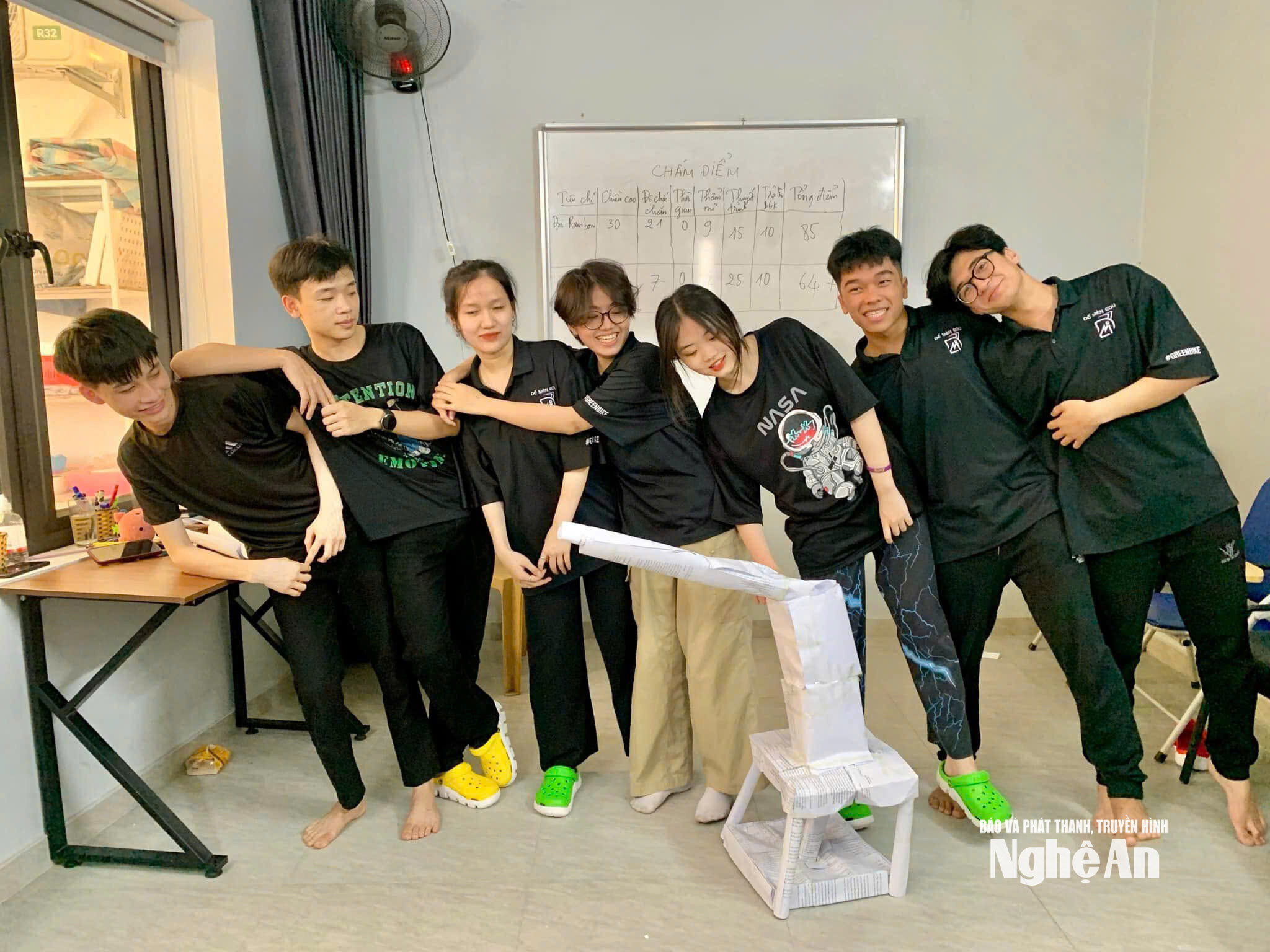
Creating an environment where children are listened to and can share their feelings from an early age is crucial for their development.mentalityOver time, this enduring support has transformed these classes into a safe community where children are listened to, acknowledged, and find emotional support on their journey of growing up. In this way, "Whispering" or "Mind-Body Socialization" are not simply skill-building classes, but spaces where children can slow down, ask questions, experience, and express their thoughts. When adults are less quick to give answers, children have more opportunities to find answers for themselves. And perhaps, this is also a way to bridge the gap between generations, starting with something seemingly simple: knowing how to listen.


