
Things everyone should know when using vitamin E.
Vitamin E is an antioxidant that plays a very important role in human health and skin. Below are ways to use vitamin E to maximize its benefits.
1. Vitamin E is known for the following effects:
It has anti-inflammatory and strong antioxidant properties, protecting cells. It strengthens the immune system and helps regenerate skin. When combined with vitamin A, vitamin E can treat acne. It combats skin aging. It supports the conception process...
Vitamin E is very beneficial for fetal development, reducing the risk of premature birth and miscarriage. Furthermore, pregnant women are often concerned about stretch marks, so vitamin E should also be used during this period. However, pregnancy is a very sensitive time for both mother and baby, so it should be used according to a doctor's instructions to avoid excess intake.
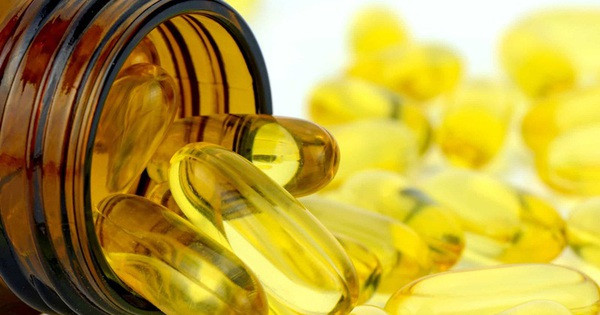
In terms of beauty, vitamin E helps to keep skin smooth and prevents wrinkles. A deficiency in vitamin E can lead to dry skin and brittle, easily broken hair. Therefore, vitamin E is a common ingredient in skin and hair care products. It's especially beneficial for those who are frequently exposed to sunlight, as sun-damaged skin becomes dry, dark, and loses its elasticity.
Women over 30 experience a rapid rate of skin aging, leading to dark spots and wrinkles. Menopausal women may also experience hot flashes and menstrual irregularities. Proper vitamin E supplementation can help improve these conditions.
Given the above roles, this nutrient should be used in the following cases: women of reproductive age, dry skin conditions, patients with hypertension, dyslipidemia, fatty liver disease, chronic inflammation, cysts, fibroids, and those on a low-fat diet...
2. Using vitamin E correctly:
Although vitamin E has many beneficial effects, it must be used correctly and in the right dosage; it should not be overused. In the case of treatment, the amount of vitamin E that should be used varies from person to person depending on the purpose of use. For example:
- For dry skin, use 180-400 IU/day.
- For use in fatty liver disease: 800 IU/day (can be used together with Omega-3).
- Pregnant women: Before or during the first three months of pregnancy, 180 IU/day should be used to prevent threatened miscarriage and protect the fetus.
- For individuals with uterine fibroids or ovarian cysts, vitamin E may help reduce the size of the tumors and alleviate discomfort. The recommended daily dose is 800 IU.
- For cases of irregular menstruation and frequent menstrual cramps, vitamin E 400 IU/day is recommended.
Note that high doses of vitamin E should not be used for extended periods; do not exceed 800 IU/day. It is recommended to use it for 1-2 months, then take a 1-month break before resuming use. For best results, take it during or immediately after meals.
For beauty purposes, vitamin E can be used topically; however, it should be applied in a thin layer to avoid clogging pores.
Vitamin E can cause some side effects such as headache, fatigue, nausea/vomiting, and mild rash. Some more serious conditions may occur, such as: abdominal pain, weakness, digestive disorders, easy bruising, bleeding, and vision problems...
These symptoms will disappear when you stop using vitamin E. If they do not improve after stopping the medication, you should see a doctor to find the cause and get appropriate treatment.
Regarding the use of vitamin E for anti-aging, excessive use can have the opposite effect, accelerating the aging process.
Do not use vitamin E at the same time as vitamin K, aspirin, estrogen, etc.


