
Reasons why used cars consume more fuel.
Cars that are used for a long time without regular maintenance are prone to wear and tear, damage, reduced performance, and increased fuel consumption.
The oxygen sensor and air filter are dirty or clogged.
If oxygen sensors and air filters are not cleaned regularly, fuel efficiency can decrease by up to 20%. Therefore, they need to be checked and replaced on time to ensure the correct air-fuel mixture ratio.
Coolant level is low.
When driving, you should regularly check the coolant temperature sensor. If the reading is 85-90 degrees Celsius, the sensor is working properly. Conversely, if the result deviates from this range, the sensor is likely faulty and needs to be checked and repaired as soon as possible.
When the coolant level is low, the components will overheat, causing various problems, including increased fuel consumption. Ensure the coolant level in the expansion tank is always between the "Full" and "Low" marks when the engine is cold.
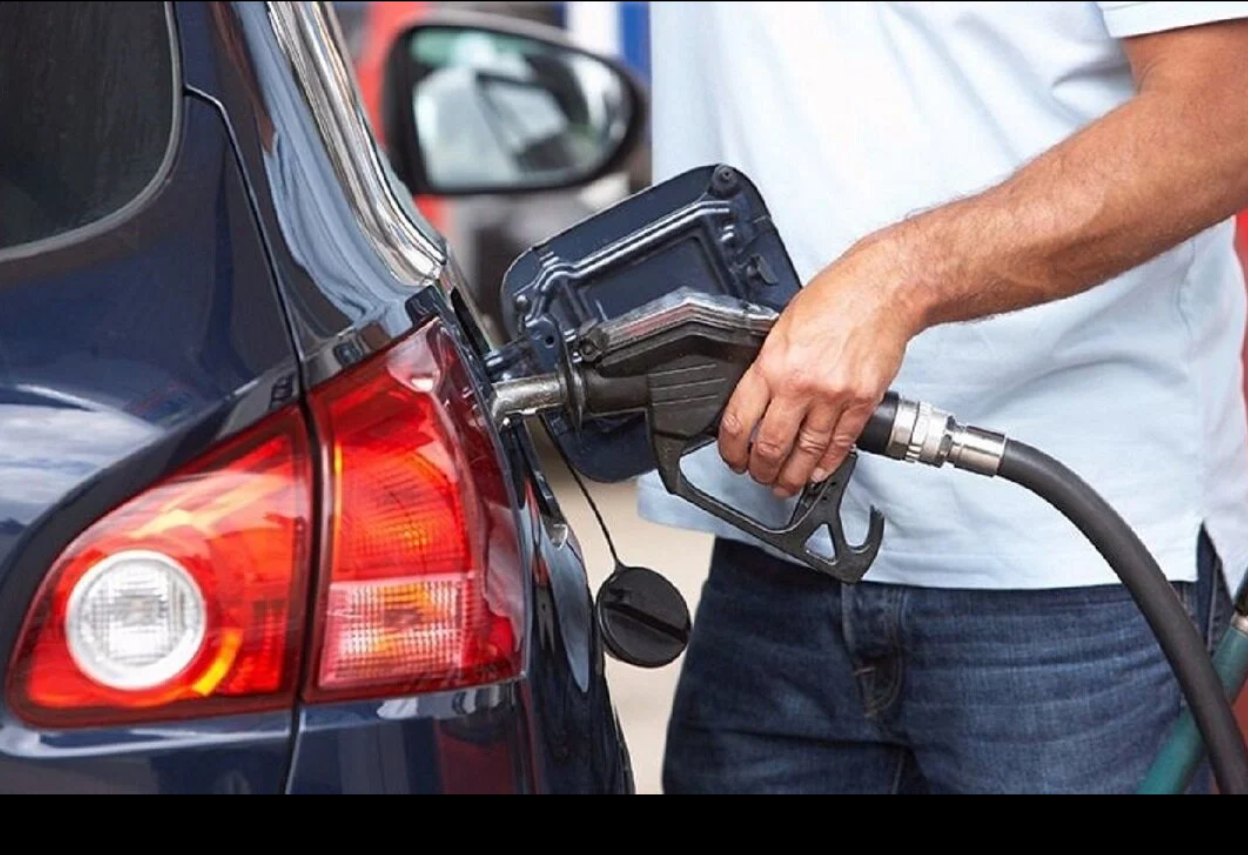
Low tire pressure, worn or damaged tires.
This is one of the leading causes of increased fuel consumption in cars, due to the common habit of driving with underinflated tires. Driving with underinflated tires causes wear on both sides of the tires, increasing drag and consuming more fuel. If tire pressure is below the standard by about 3 PSI, the car will consume about 1-2% more fuel.
Additionally, aging tires are another reason why cars consume more fuel. Typically, tires have a lifespan of 3-5 years under normal operating conditions or 7-10 years if the car is driven infrequently.
Old spark plugs and reduced spark performance.
Worn-out spark plugs reduce sparking efficiency, leading to inefficient fuel consumption. It's recommended to replace all spark plugs to ensure consistent performance.
Not changing engine oil regularly.
Engine oil reduces friction between the machine parts in an engine. When engine oil is old or of low quality, its lubricating ability is no longer effective, friction increases during engine operation, the engine runs hotter, and fuel consumption increases.
If you leave your car's engine oil for too long without changing it, it will consume significantly more fuel than normal. Forgetting to change the oil for an extended period reduces its lubricating effectiveness, increases friction during engine operation, causes the engine to overheat, and leads to higher fuel consumption.
Driver's habits
In addition, bad habits such as sudden braking or acceleration, frequent use of air conditioning, starting the engine while parked, and stopping the car for extended periods are also reasons why cars consume more fuel.
Brake binding or stuck handbrake
A stuck brake lever not only causes the brake pads to wear out quickly but also generates heat, causing the brake fluid to boil faster. Consequently, fuel consumption also increases.


