
Homes filled with camaraderie
Supporting the construction of "comrade houses" for soldiers in difficult circumstances is a humane program that the Nghe An Border Guard has been implementing for many years. More than just a shelter from the rain and sun, it is also a vivid symbol of camaraderie and solidarity, a concrete manifestation of the military's support policy through practical and humane actions. This contributes to instilling confidence and motivation in soldiers – Party members in the military – to work with peace of mind and remain committed to the border region for the long term.
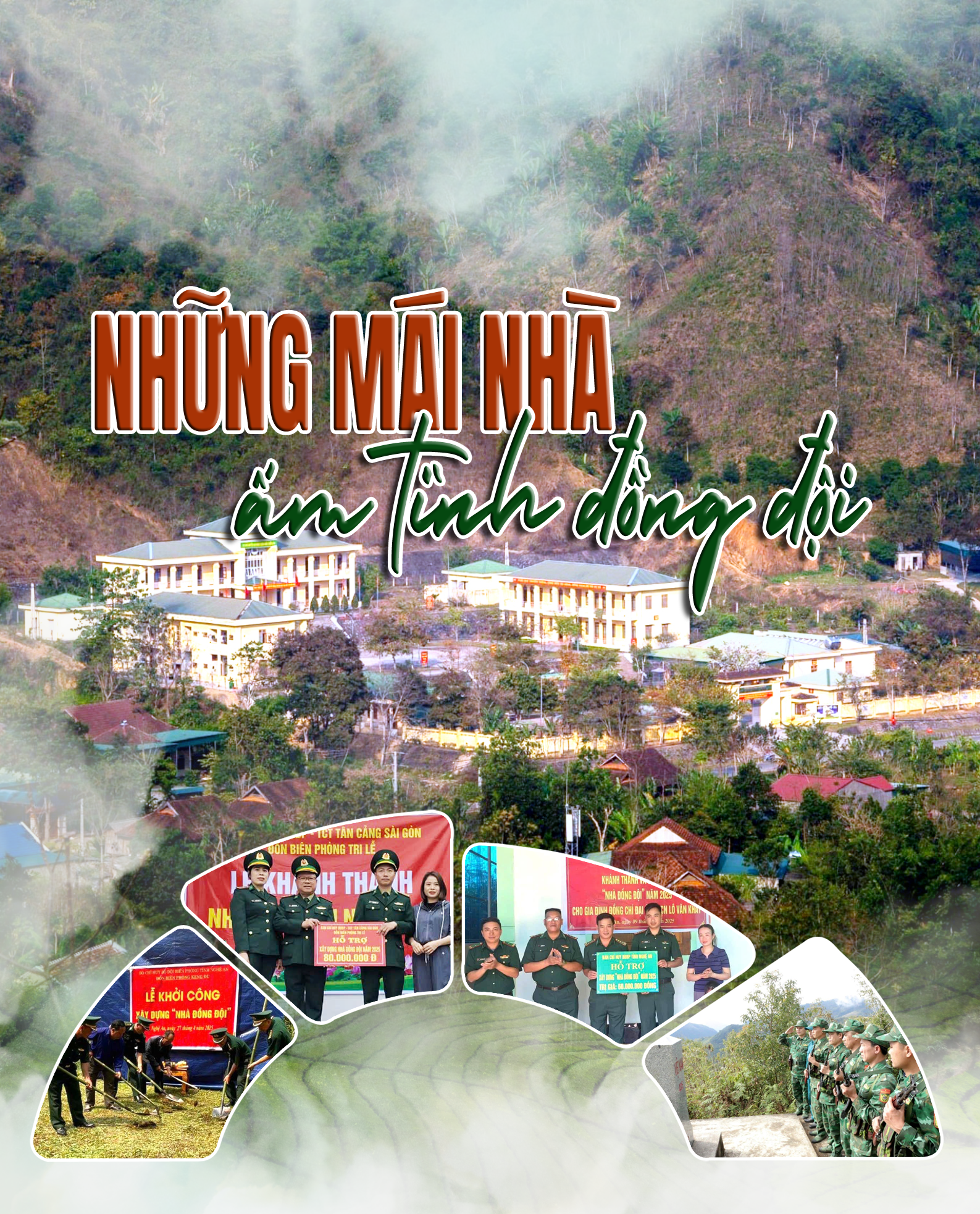
Content:Gia Huy/Technique:Hong ToaiDecember 22, 2025
------------o0o------------
Supporting the construction of "Comrade Houses" for soldiers in difficult circumstances is a humane program that the Nghe An Border Guard has been implementing for many years. More than just a shelter from the rain and sun, it is also a vivid symbol of camaraderie and solidarity, a concrete manifestation of the military's support policy through practical and humane actions. This contributes to instilling confidence and motivation in soldiers – Party members in the military – to work with peace of mind and remain committed to the border region for the long term.

In the final days of 2025, the spacious new 140m² house in Hung Trung 6 hamlet, Yen Trung commune, belonging to Captain Dinh Bat Dai, a professional soldier and communications officer at Tri Le Border Guard Station, was filled with laughter.
Filled with joy and emotion as his family moved into their new home before Tet (Lunar New Year) after a long period of hardship, Captain Dinh Bat Dai shared: In 2014, while working at the Nhon Mai Border Guard Post, he met and married a kindergarten teacher from the Thai ethnic group. The couple built a small house by the stream in Huoi To 1 village, Nhon Mai commune.
Life was still difficult but full of hope. Then, in July 2025, Typhoon No. 3 unexpectedly struck, sweeping everything away. The small house collapsed overnight, and belongings were carried away by the floodwaters. At that time, it coincided with the summer break, so his wife and two children – one in 6th grade and the other only 5 years old – were fortunately visiting their paternal grandparents' home in Yen Trung commune, while Dai was with his comrades at the Tri Le Border Guard Post helping people recover from the aftermath of the floods.
Due to the storm and loss of phone signal, it was three days later before he received news from his neighbors. When he returned, all he saw was a barren plot of land. "I was truly shocked at that moment, not knowing where to begin again," Dai recalled.
.png)
Sharing in the loss and hardship of their comrade, the Tri Le Border Guard Station promptly proposed and mobilized resources to support Anh Dai's family in building a "Comrade's House" right in his hometown in Hung Trung 6 hamlet, Yen Trung commune.
The total funding amounted to 80 million VND, of which 60 million VND came from the Nghe An Provincial Border Guard Command and Tan Cang Saigon Company, and 20 million VND was contributed by officers and soldiers in the unit, led by officers and Party members. After more than 4 months of construction, the house was completed amidst the overwhelming emotion of the family and the warm sharing of comrades and fellow soldiers.
Lieutenant Colonel Ho Thanh Quang, Political Officer of Tri Le Border Guard Station, said: Following the policy of the Border Guard Command and the guidance of the Nghe An Provincial Border Guard Command on building "Comrade Houses," from 2012 to the present, the unit has supported the construction of six houses for soldiers in difficult circumstances. This is a concrete implementation of Directive 05 of the Politburo, and at the same time, deeply demonstrates the camaraderie among comrades, helping officers and soldiers feel secure in their work and committed to the unit.

Not only at Tri Le Border Guard Post, the "Comrade's House" program has been kindling hope for many soldiers serving in border guard units along the entire Nghe An border.
Major Dau Quang Long, originally from Anh Son district and working at My Ly Border Guard Post, is one such case. His family faces particularly difficult circumstances: both his parents suffer from serious illnesses, his wife lacks stable employment, and his children are still in school. The family's income depends primarily on his military salary, so the dream of owning a sturdy house remains unfulfilled.
In early 2025, with funding from the "Comrade's House" program, along with help from his brothers, relatives, and unit, Mr. Long decided to build a new house. After many months of construction, his family moved into their new, sturdy, and spacious home.
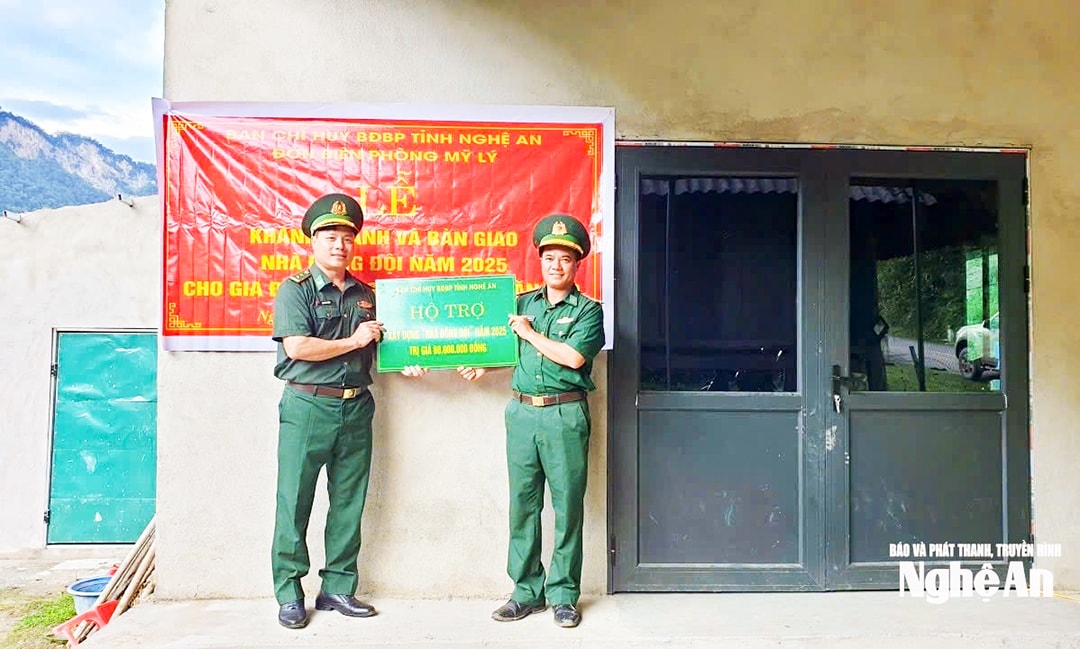
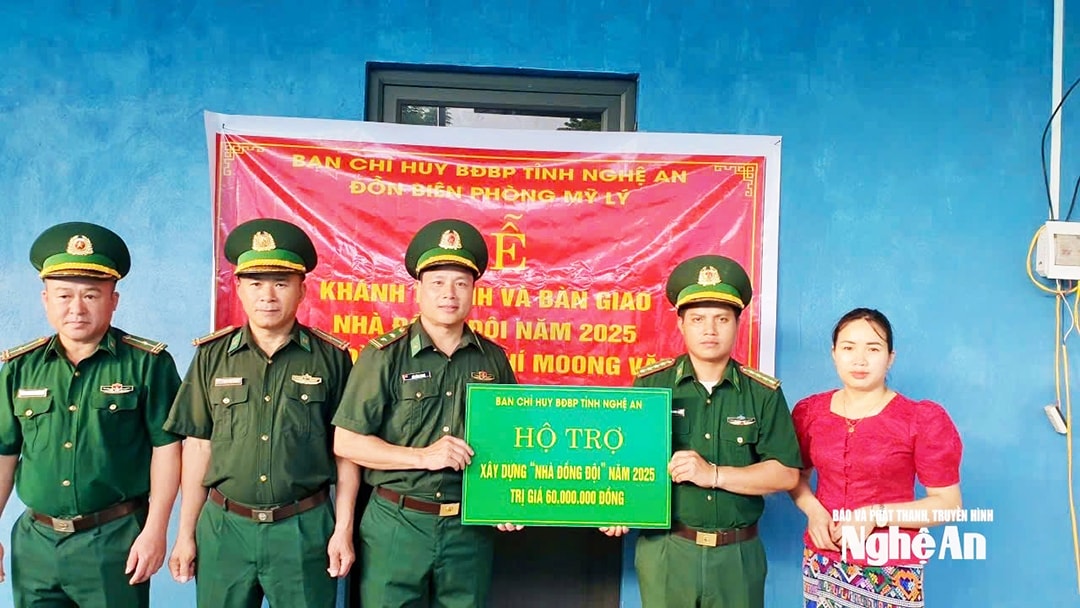
Also at My Ly Border Guard Post, the joy of new homes came to Captain Moong Van Tho - Anti-Drug and Crime Team; and Senior Lieutenant Vu Ba Denh - Armed Team. In August 2025, these houses, "filled with heartfelt affection," were handed over, becoming a source of spiritual support for them to continue standing firm on the front lines of crime prevention and control, and to firmly protect the sovereignty and security of the border.
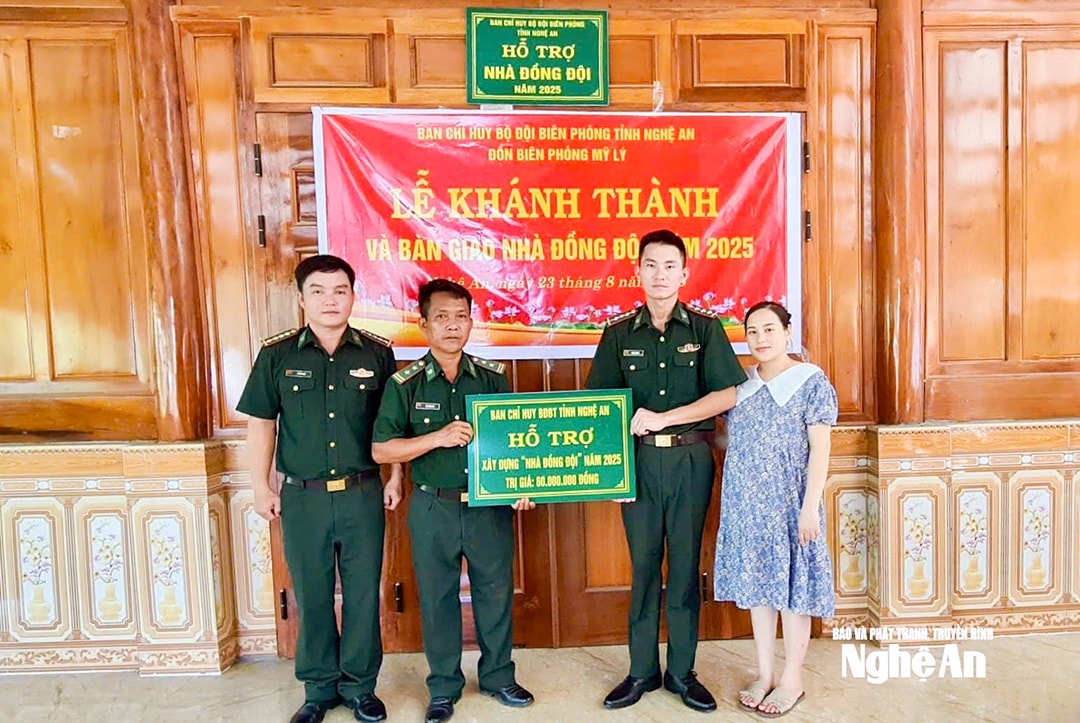
It is known that the three "Comrade Houses" for the aforementioned soldiers were started construction with an area of 60-75 square meters.2With a scale of three rooms, a corrugated iron roof, brick or wooden walls, and tiled floors, these houses are designed to meet long-term needs, with a subsidy of 60 million VND from the Ministry of National Defense for each house. In addition, there are contributions of funds, building materials, and labor from relatives, neighbors, and officers and soldiers of the My Ly Border Guard Post.
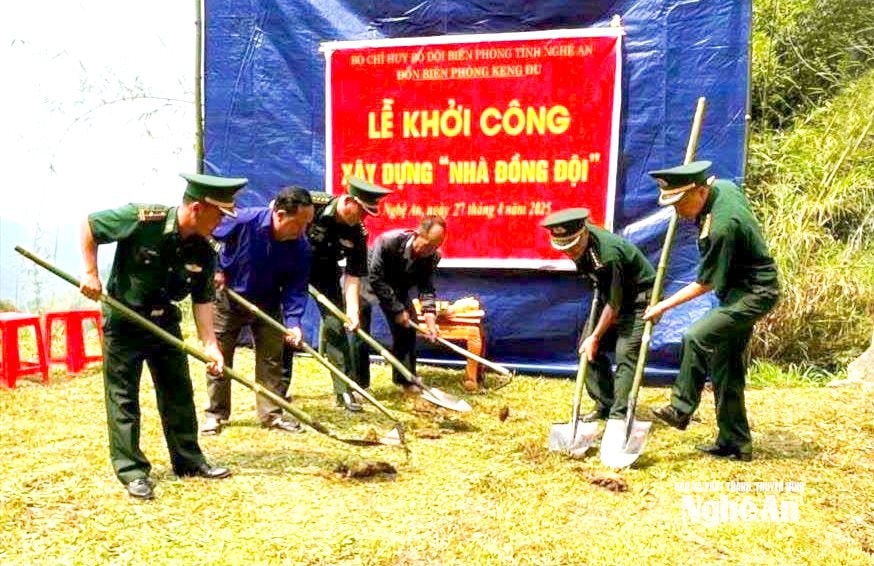
At Keng Du Border Guard Post, in 2025, the unit coordinated with the local Party committee and government to organize the groundbreaking and handover of a "Comrade's House" to Captain Ly Ba Gio - Team Leader of the Anti-Drug and Crime Team, and Captain Lo Van Khay, also from the same team. Both have difficult family circumstances, with parents who are frequently ill and wives who do not have stable jobs.
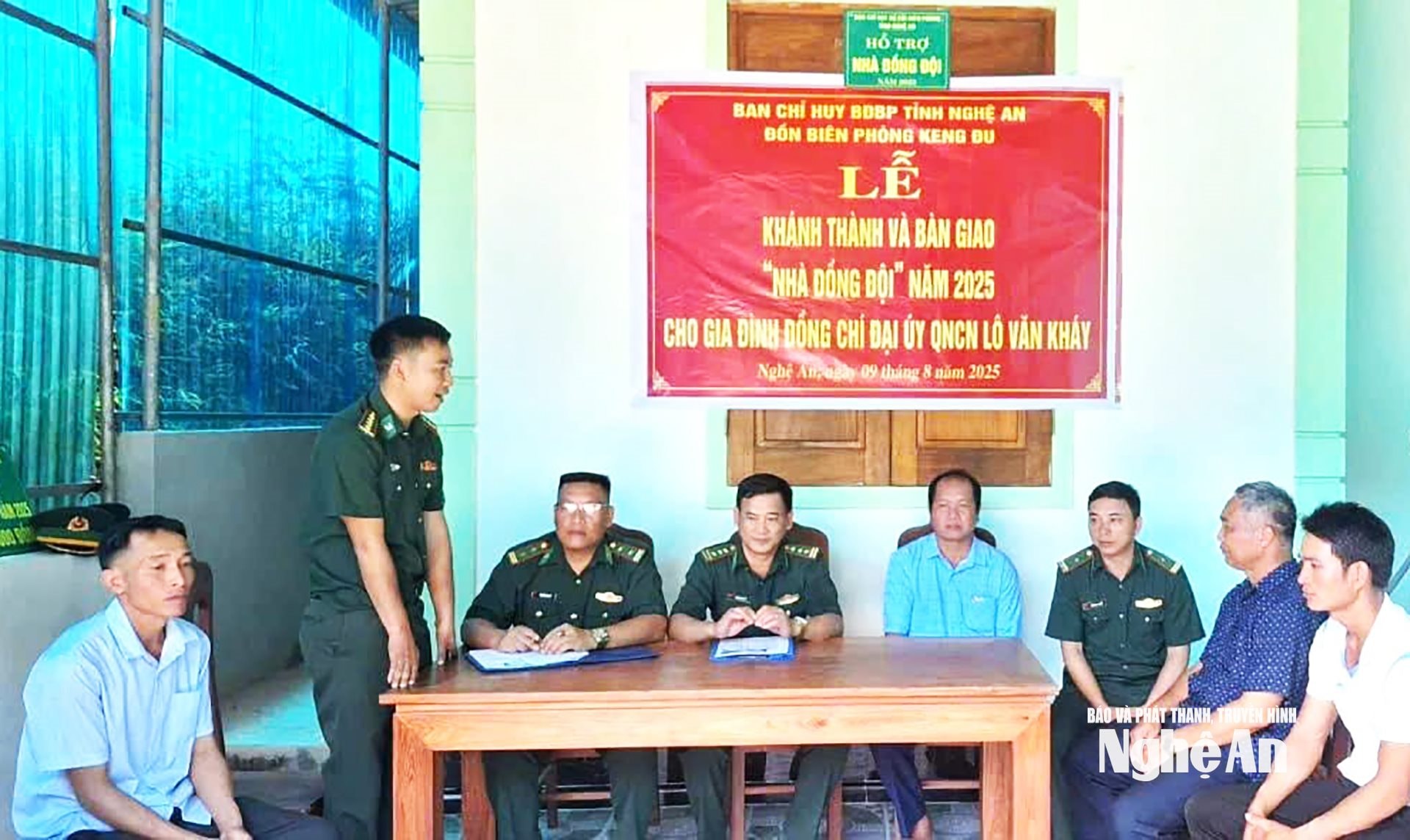
Lieutenant Colonel Nguyen Ngoc Tu, Political Officer of Keng Du Border Guard Station, shared: "During the construction of the houses, because the families of the comrades live near the unit, the station sent personnel to provide labor support and assistance with necessary tasks. This not only alleviated material difficulties but also fostered camaraderie and solidarity, creating a strong support system for the soldiers to focus on their work."
Captain Lo Van Khay, who was once honored as one of the 10 "Outstanding Young Faces" of the Nghe An Border Guard, emotionally said: "Having a spacious and sturdy house is a great source of encouragement for my family. It is the result of the correct policies of the Ministry of National Defense, the attention of commanders at all levels, and the kindness of comrades and fellow soldiers."

Loving and supporting comrades is a precious tradition of the Vietnam People's Army, forged from the soldier's oath of honor: "To be closely united like brothers and sisters in class solidarity; to wholeheartedly help each other in peacetime as well as in battle…". Imbued with this spirit, over the years, the Nghe An Border Guard Command has always required its units to thoroughly understand the lives and circumstances of its officers and soldiers in order to provide timely, practical, and effective support.
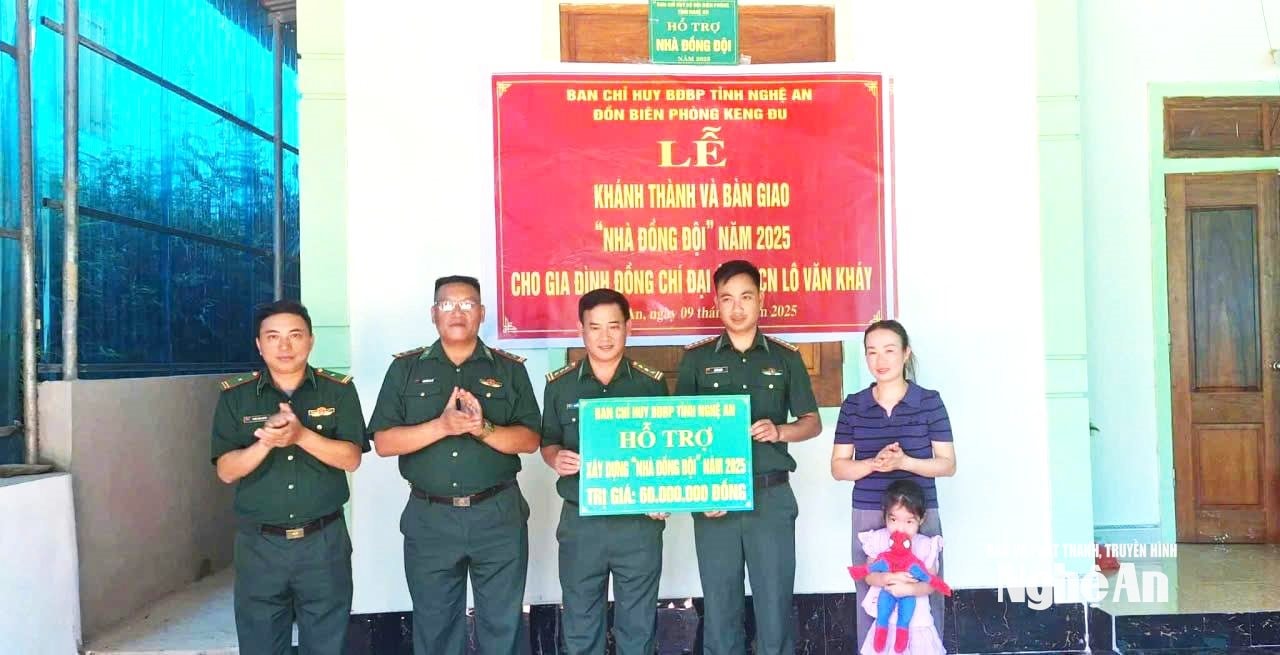
Lieutenant Colonel Nguyen Ngoc Cam, Deputy Head of Political Affairs of the Nghe An Border Guard Command, said: From 2021 to the present, in addition to coordinating the elimination of temporary and dilapidated houses for people in border areas, the Nghe An Border Guard force has implemented the construction of 20 "Comrade Houses" for officers and professional soldiers in difficult circumstances. Funding was mobilized from the Ministry of National Defense, the Provincial Border Guard Command, and units, through appeals for the cooperation of organizations and individuals, and voluntary contributions from officers and soldiers…
These "Comrade Houses" are not only public works but also vivid evidence of the noble qualities of "Uncle Ho's soldiers" – always loving, united, protecting, and supporting each other on every step of their work, successfully completing their assigned tasks, and deserving the trust and affection of the Party, the State, and the people.
Beyond providing housing support, the camaraderie among soldiers is also demonstrated through other humane actions such as: visiting and supporting soldiers and their families during illness or hardship; caring for the children of officers and soldiers; and promptly encouraging those injured while on duty.
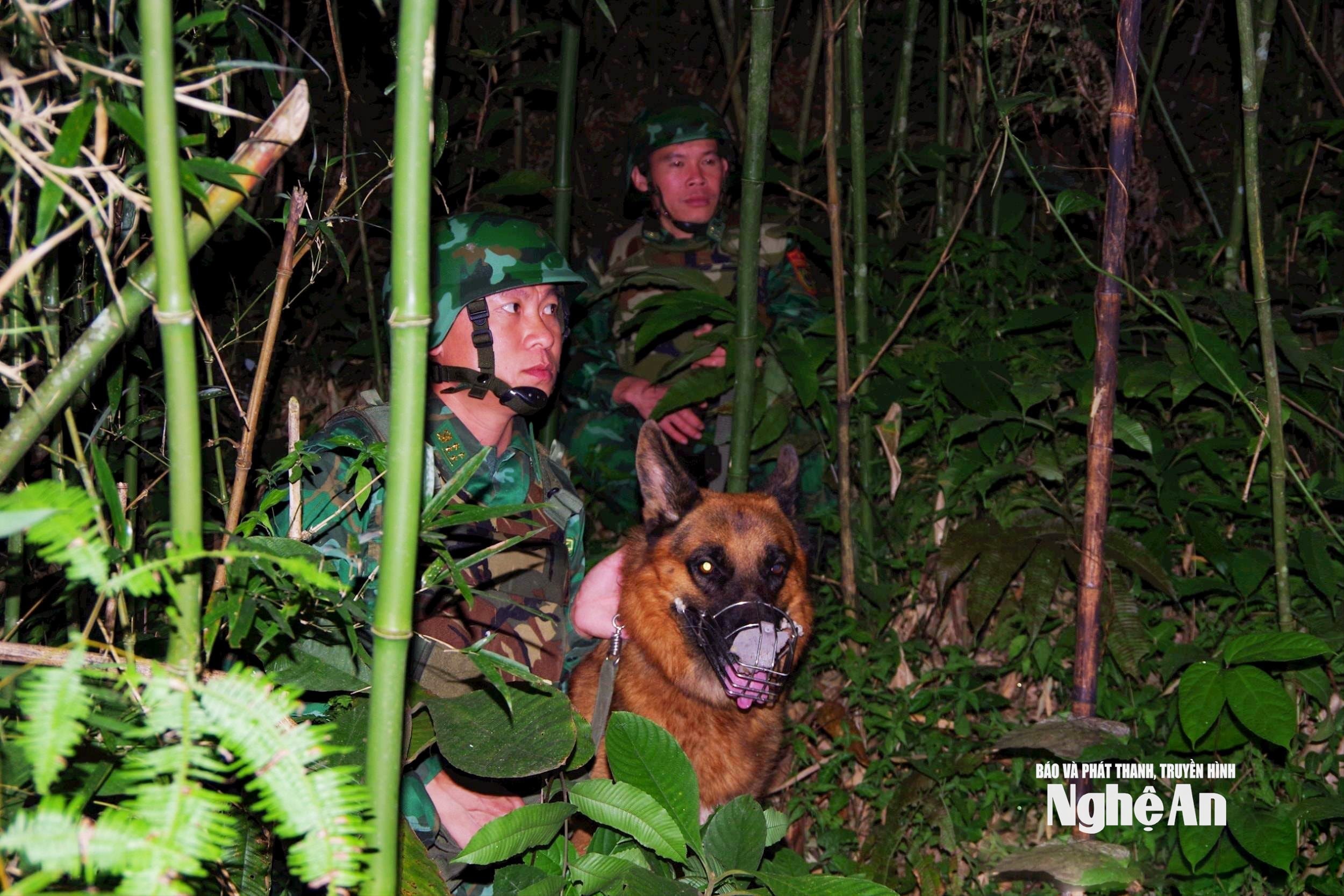
A prime example is Captain Nguyen Dinh Tai, a reconnaissance officer from the Border Guard's Anti-Drug and Crime Unit, who was seriously injured while apprehending a key suspect in a drug trafficking and transportation ring during Case 092AV. Despite his injuries, he successfully subdued the suspect, assisting his colleagues in completing the mission.
Given the difficult family circumstances of Captain Tài in Thanh Thịnh commune, Thanh Chương district (formerly), now Hoa Quân commune, the Nghe An Border Guard Command decided to support the construction of a "Comrade's House" for his family with a total cost of over 300 million VND.
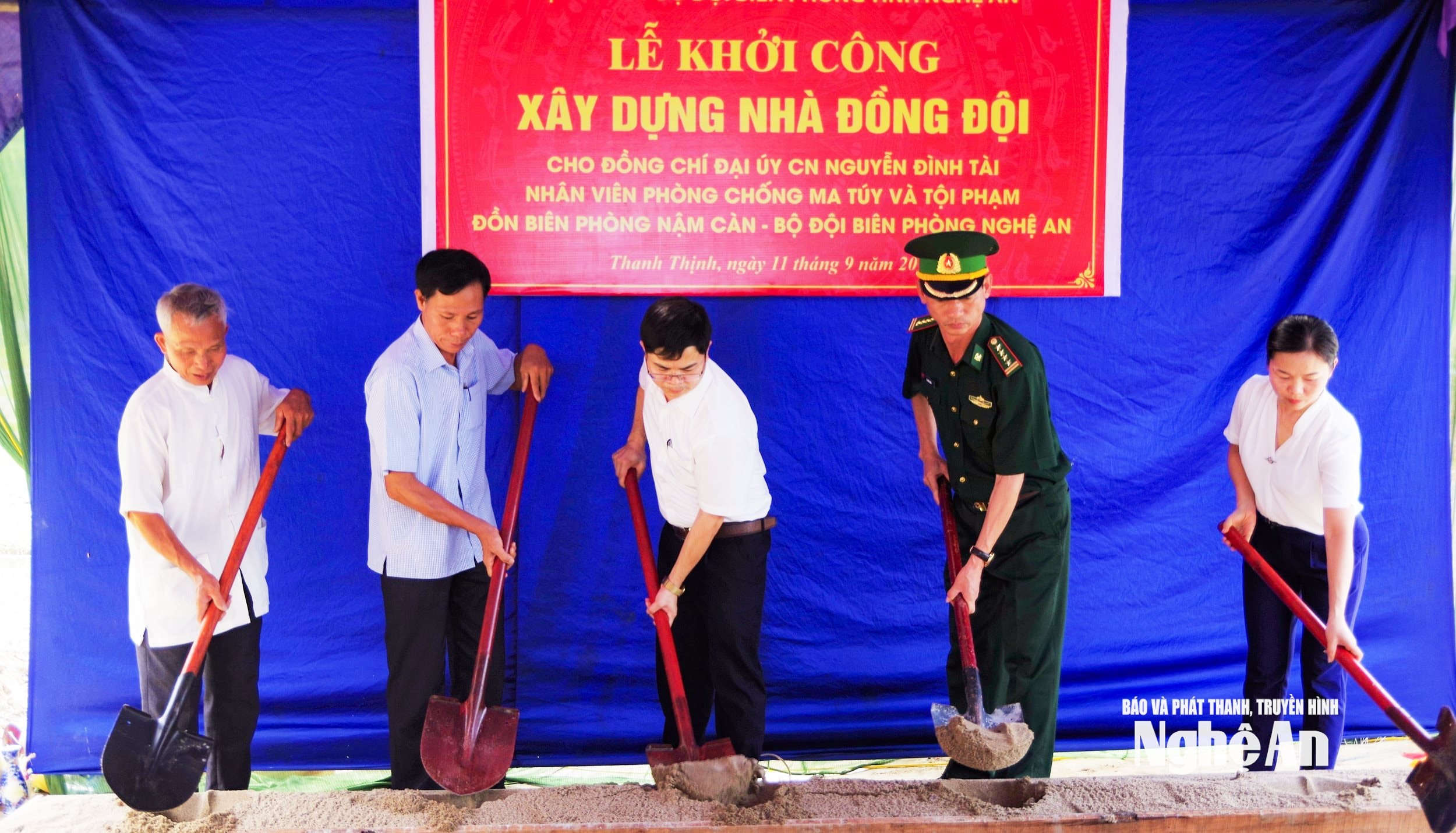
After four months of construction, the sturdy house was completed, helping his family stabilize their lives and focus on their treatment. His two children also received support through the "Border Guard's Adopted Children - Helping Them Go to School" program.
In addition, border guard units actively called for support for families of officers and soldiers affected by natural disasters. Although the amount of money was not large, it was a timely and heartwarming act of sharing, leaving a deep impression on the soldiers.
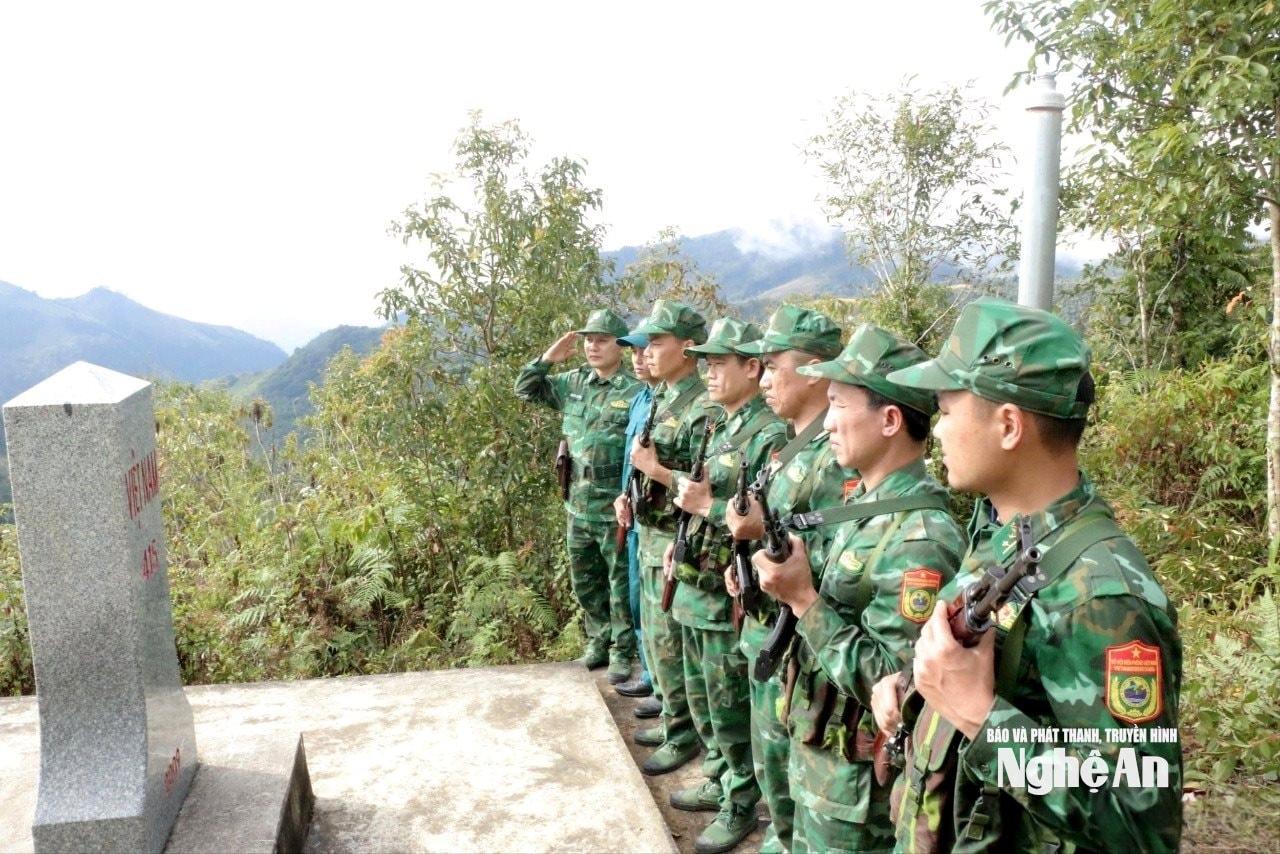
With a secure home, unwavering support from their families, and comrades by their side, the soldiers in green uniforms become even more attached to their units, steadfastly holding their ground on the border, firmly protecting territorial sovereignty, and ensuring peace and security for the people, the area, and the border.


