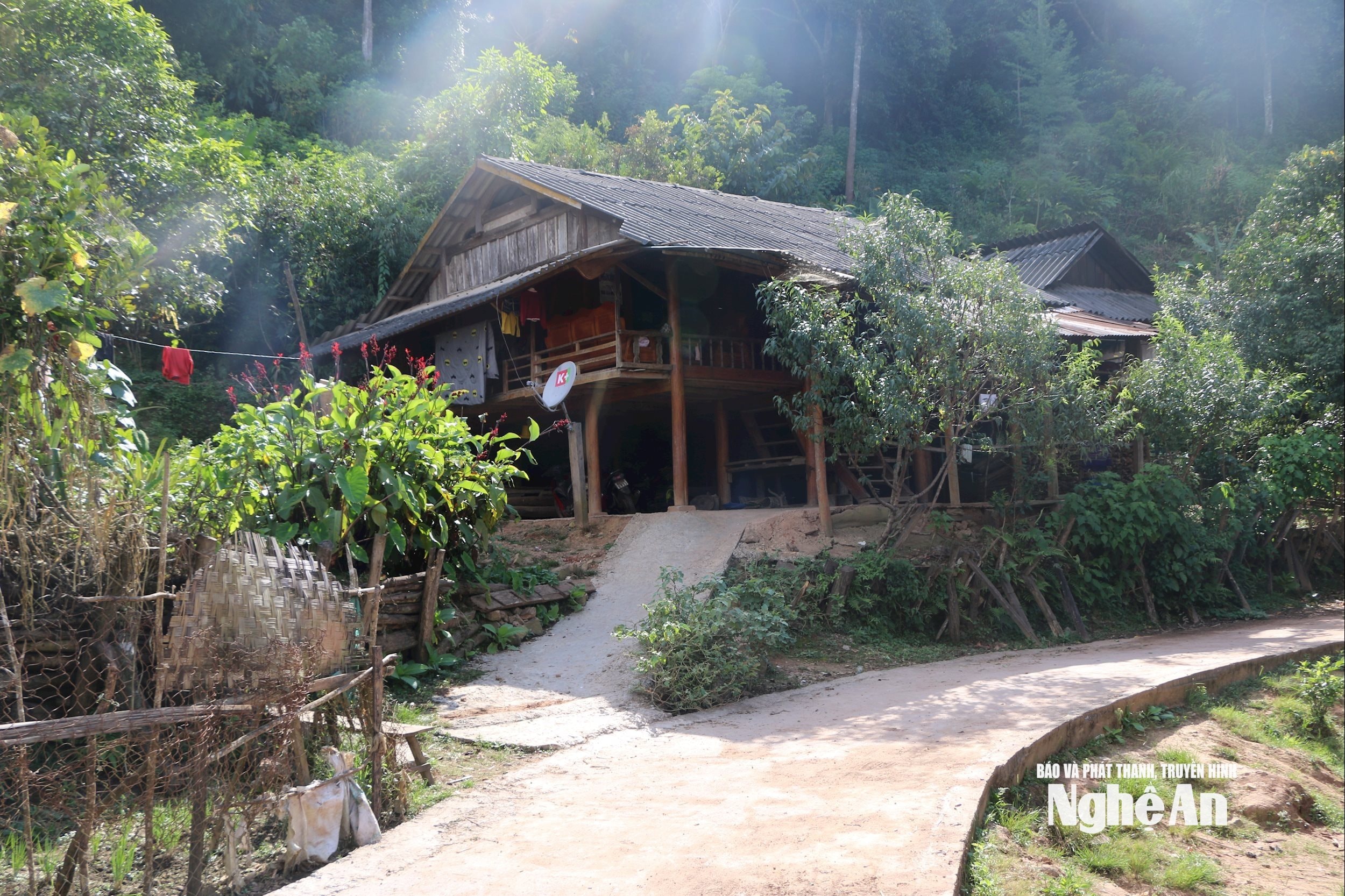
Homes filled with Vietnamese and Lao friendship.
In Keng Du commune, one of the most remote areas of Nghe An province, Vietnamese men and Lao women have overcome geographical distances and territorial borders to marry, have children, and form warm homes filled with Vietnamese-Lao affection. These cross-national marriages are a testament to the brotherly bond between the two countries and peoples of Vietnam and Laos.
.png)
October 26, 2025
------------------o0o-----------------
In Keng Du commune, one of the most remote areas of Nghe An province, Vietnamese men and Lao women have overcome geographical distances and territorial borders to marry, have children, and form warm homes filled with Vietnamese-Lao affection. These cross-national marriages are a testament to the brotherly bond between the two countries and peoples of Vietnam and Laos.
------------------o0o-----------------

Following the green-uniformed soldiers of the Keng Du Border Guard Post and the officials of Keng Du commune, we (reporters) visited the spacious stilt house of the Vietnamese-Lao couple Luong Van Tho and Luong Me Lu, both born in 1980, right at the beginning of the central road leading into Keo Con village.
.png)
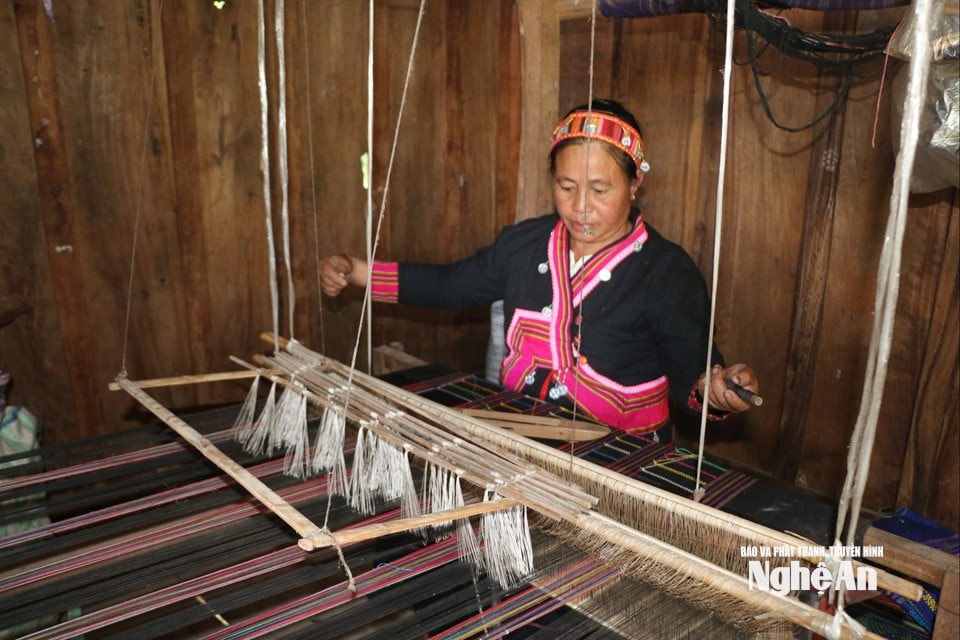
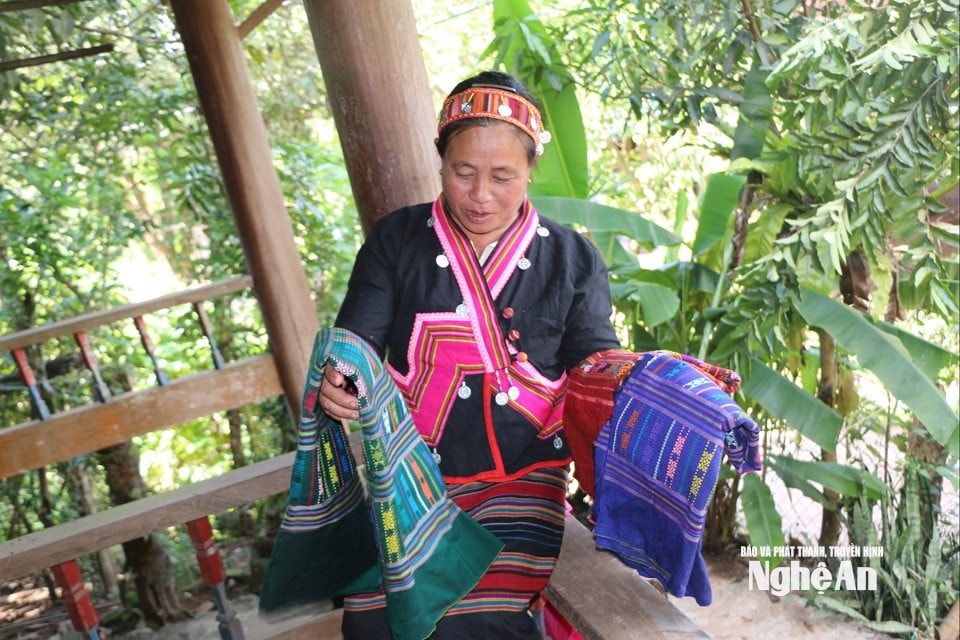
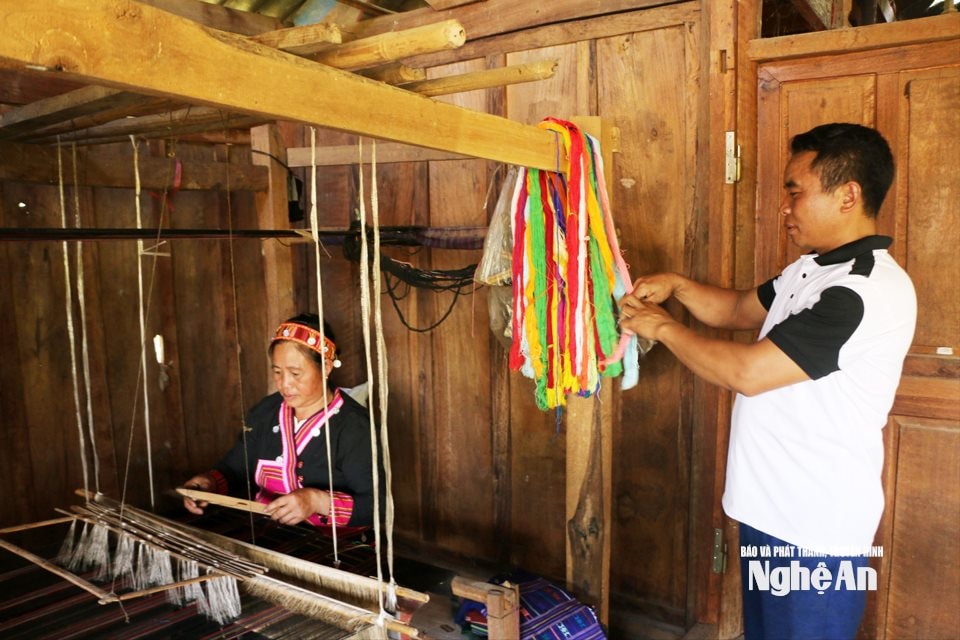
While diligently weaving brocade fabrics with the distinctive characteristics of the Khơ Mú people at her loom to supply to the village's weaving group, Ms. Lương Mẹ Lư stopped weaving and smiled brightly, calling her husband to come and greet the visitors.
When asked about her love story, a long journey across mountains and forests, with a Khơ Mú ethnic man in a border commune in western Nghe An province, Ms. Luong Me Lu's eyes showed a hint of shyness. The woman, with her dark complexion and simple face, recounted that she was born and raised in a farming family with five children in Co Du village, Huoi Luom commune, Noong Het district, Xieng Khouang province.
Life in the border region of Laos is similar to that in many border villages of Vietnam – quite difficult, relying on farming year-round and depending on nature. Ms. Lu and her husband met while working in the fields, as their two villages bordered each other. Seeing Mr. Tho's diligence, hard work, and gentle nature, they developed feelings for each other. When their love matured, they sought permission from their parents and the village, and held a wedding in 1998 in both Laos and Vietnam. She then moved with her husband to live in Keng Du commune. "In 2019, thanks to the support of the Vietnamese and Lao governments and relevant agencies, I and many other Lao brides in the village and commune were able to complete the procedures for obtaining Vietnamese citizenship, officially becoming Vietnamese citizens with even greater happiness..." – Ms. Lu shared.
When she first came to Vietnam with her husband, Lao bride Luong Me Lu was young and didn't speak standard Vietnamese, so she felt bewildered and hesitant to communicate. "Later, thanks to the love and support of my husband's family and the villagers, besides speaking Khmu, I also speak standard Vietnamese fluently. I also actively participate in village activities and join the women's weaving group in Keo Con village, so I confidently integrated and consider Vietnam my second home," Ms. Lu said with a proud expression.
Thanks to their hard work, careful planning, and mutual affection, Vietnamese man Luong Van Tho and Lao woman Luong Me Lu have built a happy, civilized, and economically stable family. Mr. Tho is a commune official who rose through the ranks from the grassroots. Before holding his current position as Deputy Head of the Budget Committee of the Keng Du Commune People's Council, he served as village head, then as Vice Chairman and Chairman of the Farmers' Association, and finally as Vice Chairman of the Keng Du Commune People's Council.
Speaking about his wife, who is of Laotian origin, Mr. Tho said that thanks to Ms. Lu's constant encouragement, her meticulous care of the household, and her attention to childcare, he has been able to devote himself entirely to community and public affairs over the years.
Village headman Keo Moong Van Bun added: The Vietnamese-Lao family of Luong Van Tho and Luong Me Lu is a model family and a typical household in economic development in the remote border commune of Keng Du. Besides cultivating upland and paddy rice with an average yield of about 50-60 sacks of rice, Mr. Tho and Ms. Lu's family also grows corn and cassava, raises 12 buffaloes and cows, pigs, ducks, and chickens… providing a stable income. Their happiness is further enhanced by the fact that their two sons have both grown up and followed in their father's footsteps, joining the ranks of the Party.
The eldest son, Luong Van Lu, is 28 years old this year. After graduating from high school, he went to study motorcycle repair and opened a shop in the local area. The youngest son, Luong Van Thong, is studying Law at university and joined the Party in 2024. "There are 3 Party members in the family, and if you include the extended family on my father's side, there are 8 Party members in total, including my two sons, my father, my siblings, and my sister-in-law," Mr. Tho said with a smile.
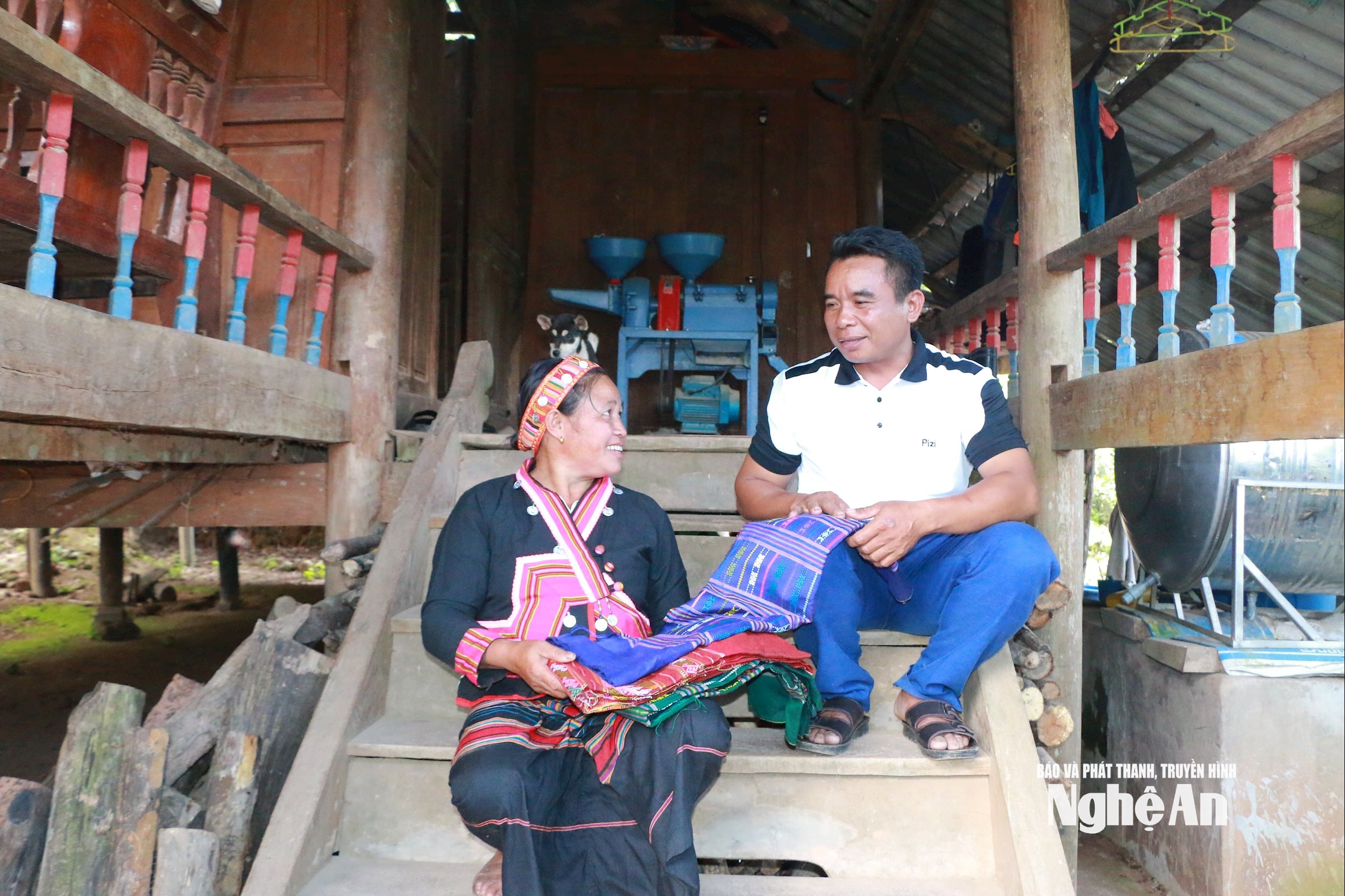
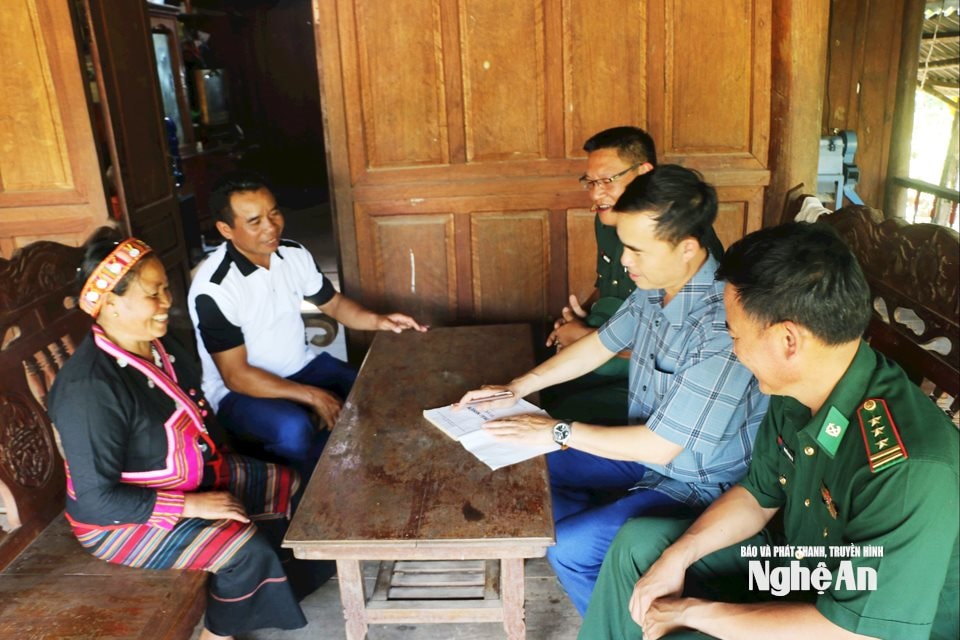
Despite being busy with social and family matters, every year Mr. Luong Van Tho and Ms. Luong Thi Luu make time to visit their maternal family to nurture their relationship and ensure that their children – who have both Vietnamese and Lao blood – always enjoy the joy and warmth of family life.
According to Party Secretary Luong Van Son, besides the Tho and Lu couple, there are about 8 couples in Keo Con village where the Lao wife and Vietnamese husband have all received marriage certificates and Vietnamese citizenship for the wife.
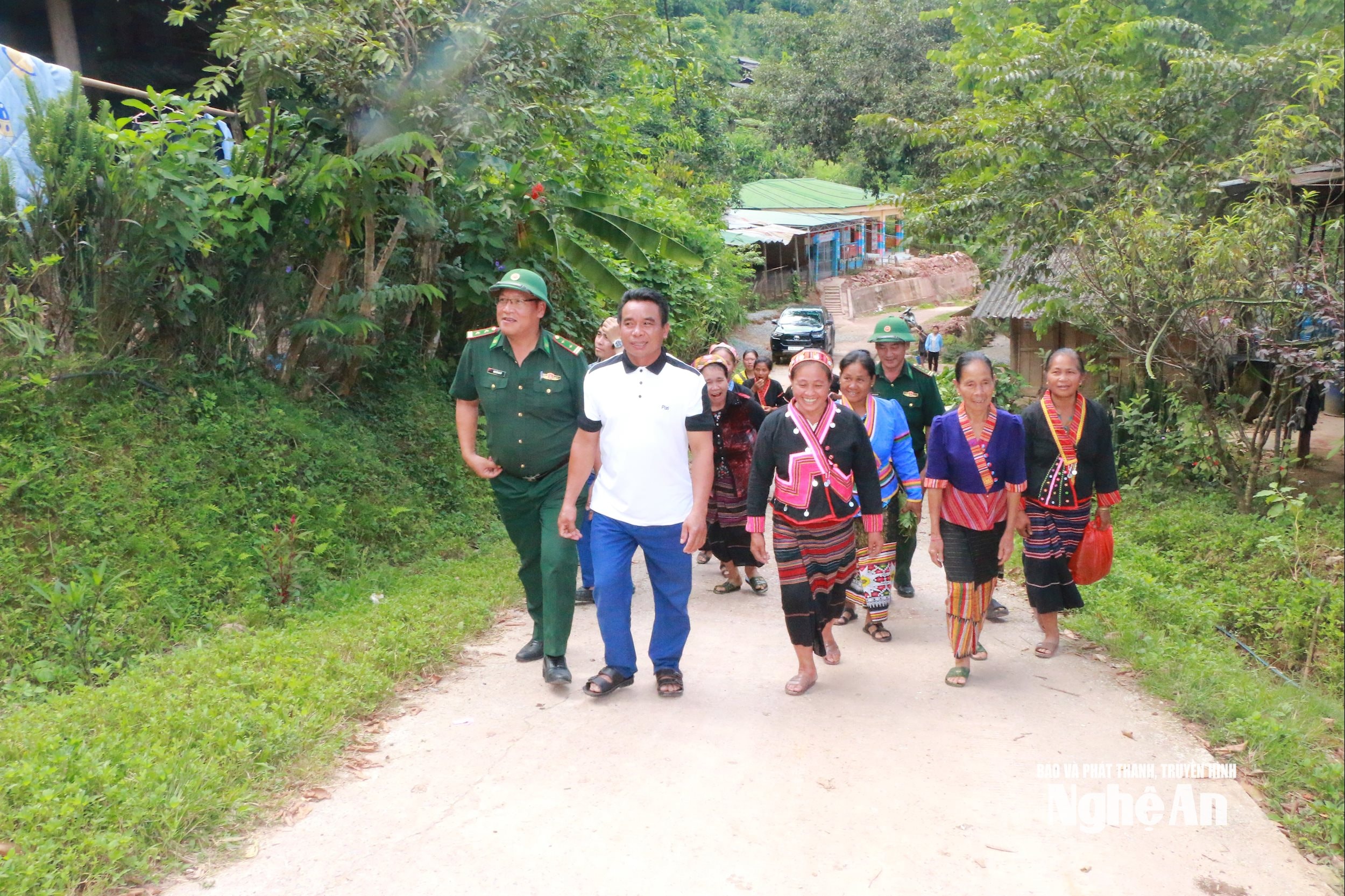

To follow their hearts, Vietnamese-Lao couples have overcome many difficulties and challenges, even accepting to live with their wives' families for a year, as in the cross-border love story shared by the Party Secretary of Huoi village, Le Xeo Pho Hoai.
With a witty and proud tone, Xeo Pho Hoai recounted: Around 2003, during a cultural exchange trip to Co Du village, Huoi Luom cluster, Nong Het district, Xieng Khouang province, he met his current wife - Xeo Me Xuon, born in 1978.
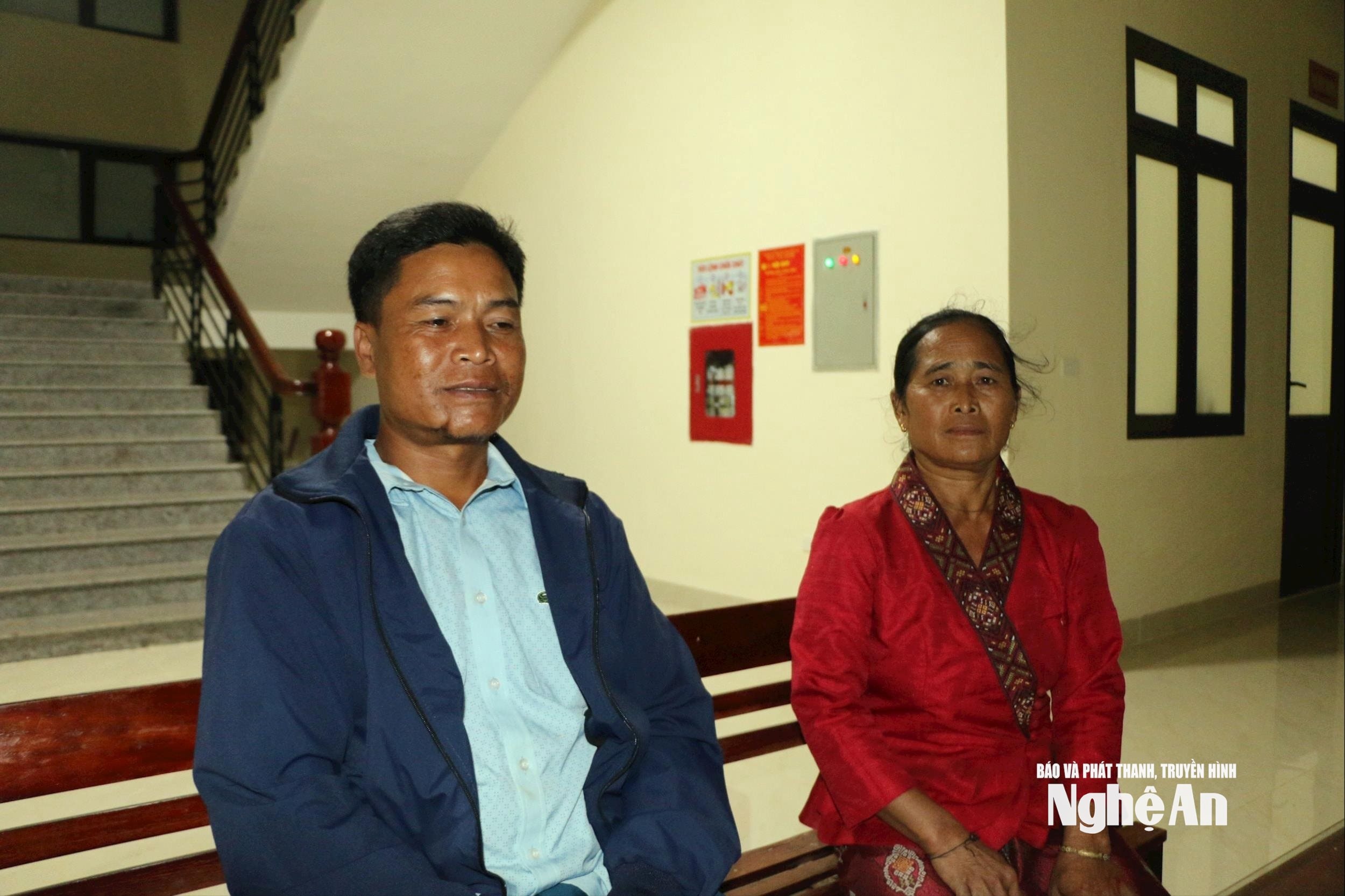
Captivated by the gentle and beautiful Laotian girl, he got to know her and gradually fell in love. Their love blossomed into a cross-border wedding, simple yet filled with laughter.
However, before "bringing his bride home," Xeo Pho Hoai had to live with his wife's family for a year according to the custom of their country. "Although it's called living with the in-laws, there's no shortage of joy and happiness because I'm loved and cared for by my wife's family," Hoai shared.
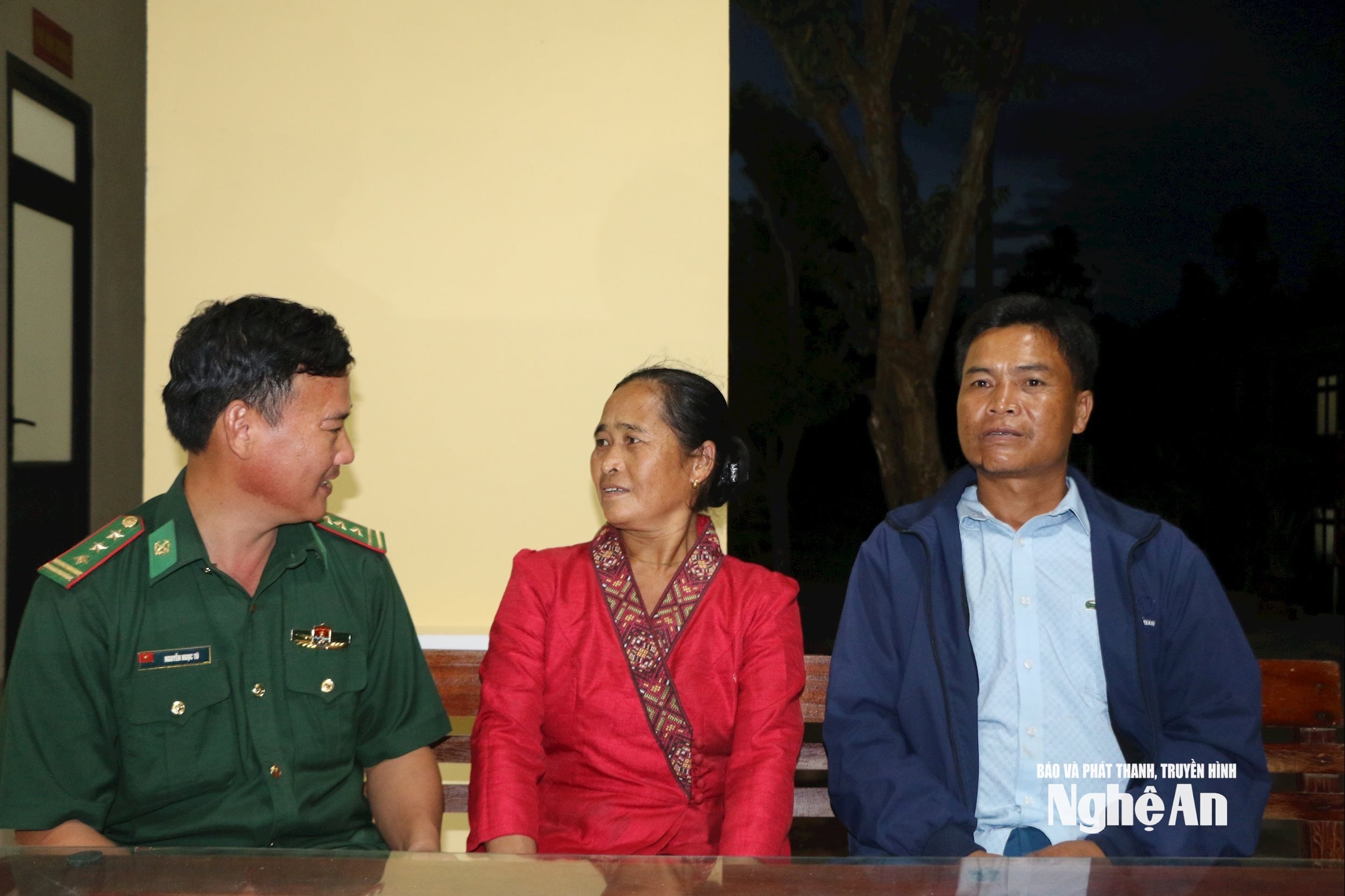
After a period of probation, Ms. Xuon followed her husband back to Vietnam to live. Initially, she didn't know how to speak standard Vietnamese, but because they were both from the Khmu ethnic group and spoke the same language, she didn't have much difficulty communicating with her husband's family and neighbors.
Life in this Vietnamese-Lao family on the border village flows peacefully. Every day, she accompanies her husband to the fields, planting crops and raising livestock. Mr. Xeo Pho Hoai was formerly a policy and commendation officer at the commune level, then worked in the Fatherland Front, and is currently the Party Secretary of Huoi Le village. The couple has five children, three of their eldest daughters are already married.
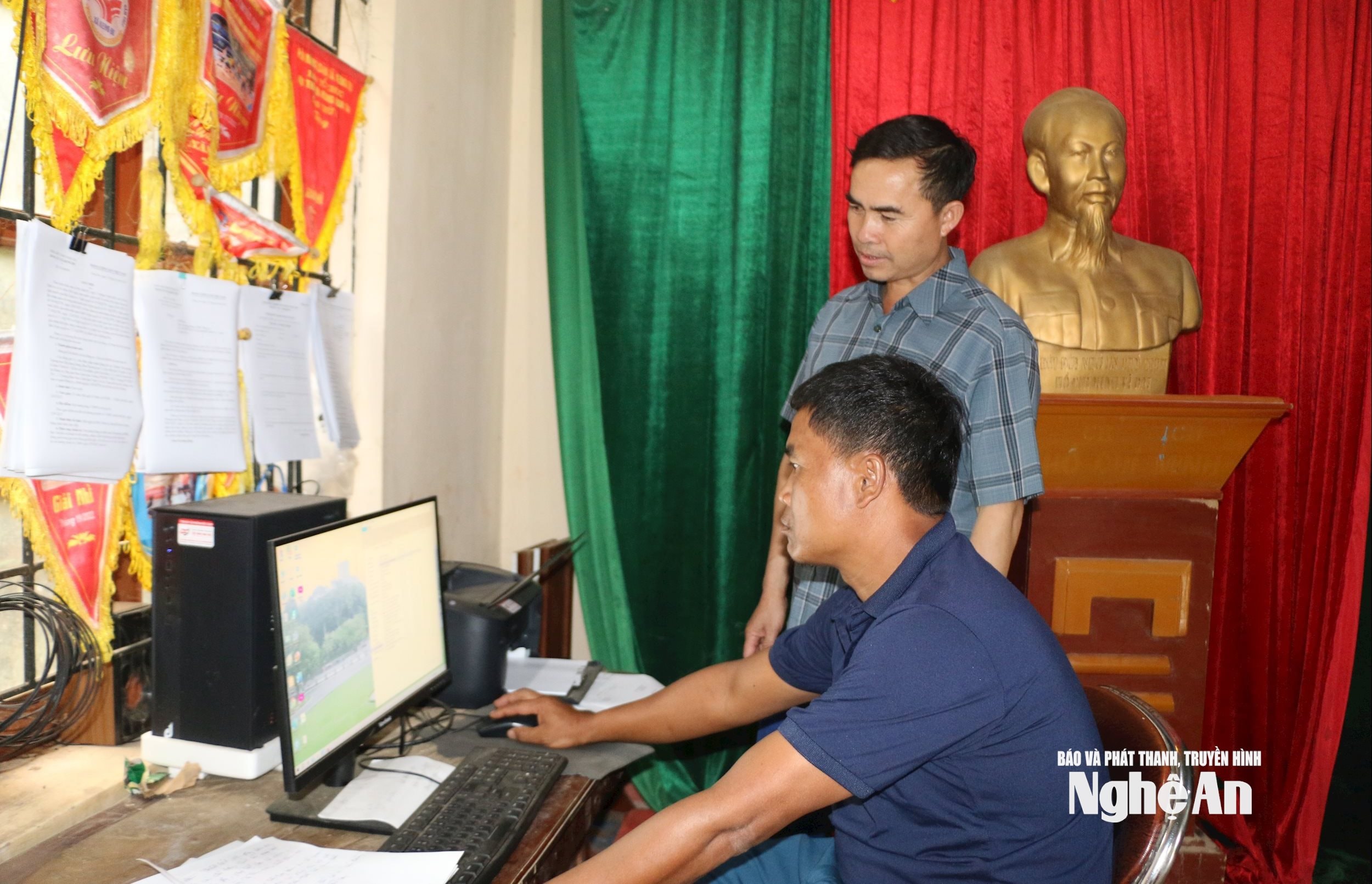
“There are six other Vietnamese-Lao couples in the village, so I have fellow countrymen. Although I married someone from far away, every year during holidays, Tet (Lunar New Year), or weddings, I still go back with my family to visit relatives. Before, travel was difficult, but now the roads are much more convenient, and with my citizenship and ID card, I can go back whenever I want…,” Ms. Xuon said.

Nghe An province has 468.281 km of border with Laos, with Keng Du commune alone having a 29.909 km border with Nong Het district, Xieng Khouang province (Laos).
For a long time, there has been a close and friendly relationship between the villages on both sides of the border between the two countries. In particular, two clusters of villages have signed twinning agreements: Keo Con village in Keng Du commune and Co Du village in Huoi Lom cluster, Nong Het district, Xieng Khouang province (Laos), and Keng Du village (Keng Du commune) with Pieng Hong village in Bo Nhia cluster, Nong Het district, Xieng Khouang province. Therefore, it is not uncommon for young men and women from these villages to marry each other in the western border region of Nghe An province.
However, before 2019, most Vietnamese men and Lao women who fell in love would hold private wedding ceremonies and live together without registering their marriage. Even so, these Vietnamese-Lao relationships remained simple, steadfast, and enduring along the border, with some couples living together for decades and becoming grandparents.
However, in the past, they also faced numerous challenges as they were not legally recognized as husband and wife, and were disadvantaged in terms of subsidies and social policies intended for people in mountainous areas. On the other hand, many couples got married without a marriage certificate, so when they had children, the process of obtaining birth certificates and school enrollment procedures became more difficult...
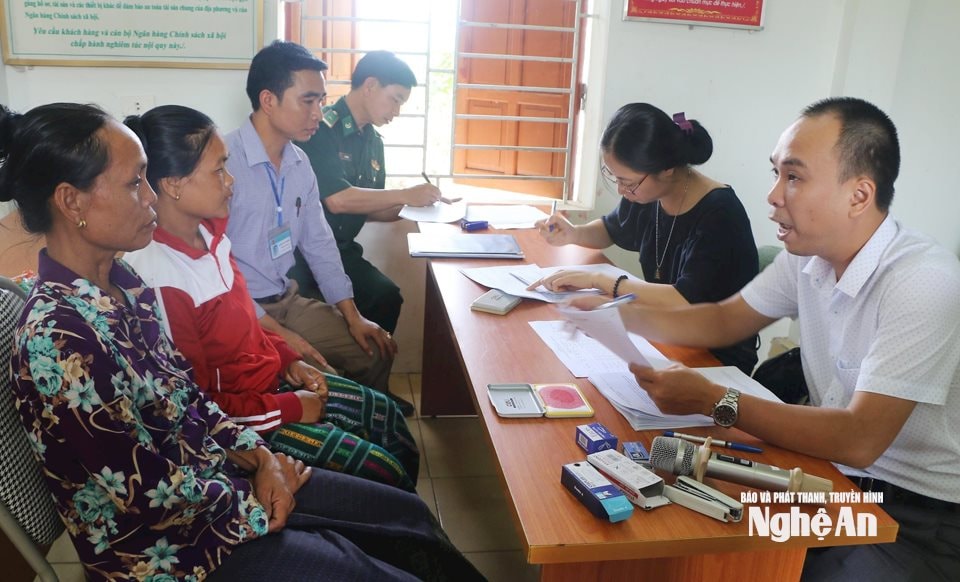
However, that was the story of previous years, because according to Mr. Luong Van Ngam - Chairman of the People's Committee of Keng Du commune: "Since 2019, with the attention of the Party and Government of both Vietnam and Laos, based on the agreement between the two governments on resolving the issue of free migration and non-marital marriages in the Vietnam-Laos border region, many Lao brides and grooms residing in Keng Du commune as well as other border areas in western Nghe An have been facilitated by the coordinated efforts of both sides to obtain citizenship, register marriage certificates and other documents as prescribed by law."
Reportedly, during the working trip of the Department of Civil Registry, Nationality, and Authentication (Ministry of Justice) in coordination with the Nghe An Department of Justice, the Nghe An Border Guard, the Nghe An Provincial Police, and local authorities to implement procedures for granting Vietnamese citizenship to Lao citizens in non-marital relationships currently residing in Keng Du commune, there were 6 cases of marriage procedures and 27 cases of citizenship application procedures.
After being granted Vietnamese citizenship, the local authorities facilitated their access to preferential policies and benefits for poor households, near-poor households, and ethnic minorities in particularly difficult and border areas. As a result, happiness was further amplified in these homes filled with Lao-Vietnamese solidarity.
For example, the family of Ms. Luong Thi Xom (born in 1989) and Mr. Luong Van Xan in Keo Con village are living in joy because they have just been inaugurated and moved into their new, spacious house thanks to support from Program 1338 to eliminate temporary and dilapidated houses by 2025.
Ms. Xom shared that she was born and raised in Huoi Khoong village, Noong Het commune, Xieng Khouang province (Laos). She married Mr. Luong Van Xan, a Khmu man from Keo Con village, Keng Du commune, in 2008 and they currently have three children together, the eldest of whom is in 10th grade.
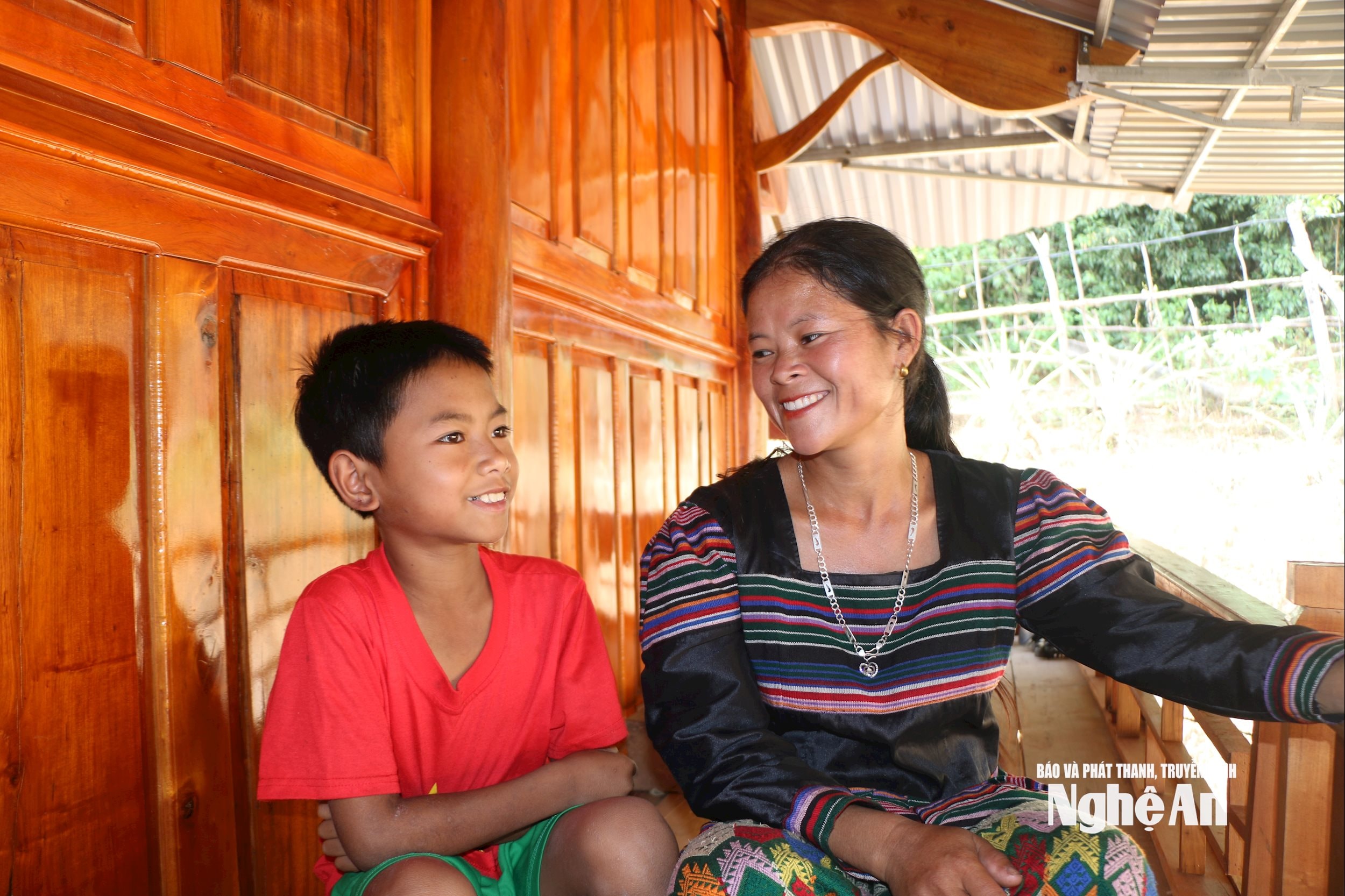
“We met when Mr. Xan went to Laos for business, and our love blossomed. At first, I simply thought that if we loved each other, we should live together, so I didn't complete all the necessary procedures and didn't register our marriage. Later, I realized I suffered many disadvantages because I didn't have an identity card, couldn't get a motorbike license, and faced difficulties buying health insurance and completing other paperwork and procedures.”
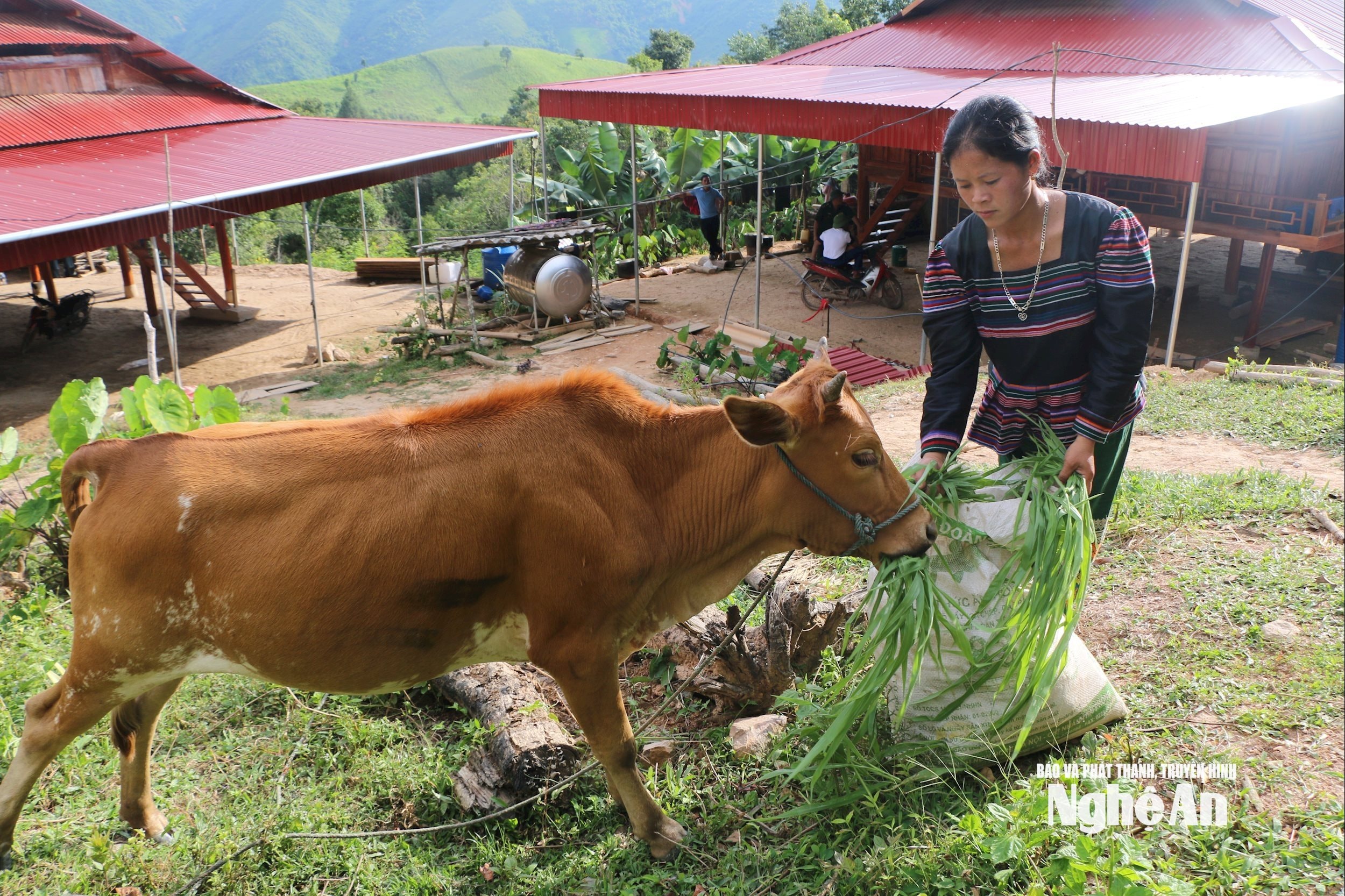
"Fortunately, my husband and I were able to register our marriage later on, and I was very happy to receive Vietnamese citizenship and officially become a Vietnamese citizen. Besides that, my family also received attention and support from the Party Committee and the government, including loans for business and assistance in replacing our temporary housing. My family is grateful to the Party, the State, and the authorities at all levels for always creating conditions for our family to settle down and prosper," Ms. Xom expressed with a bright smile on her radiant face.
It seems that the passage of time could not obscure the beauty of the woman from the land of Champa, who came out of love and stayed to be with a Vietnamese man of the Khmu ethnic group in the most remote border commune of western Nghe An province.
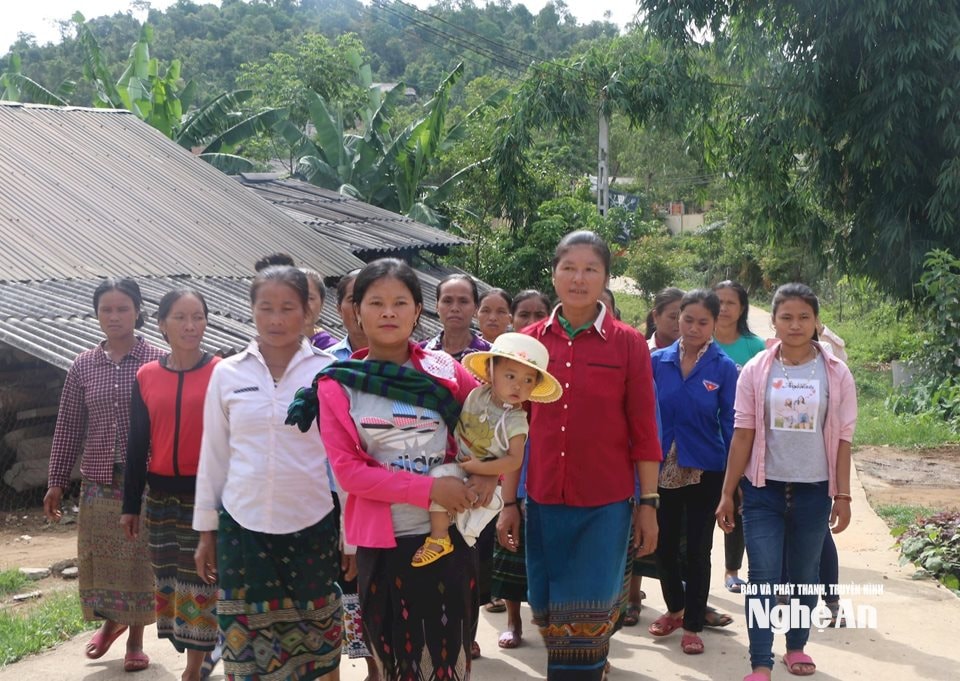
According to local authorities, since being granted Vietnamese citizenship, the lives of these "Vietnamese-Lao" families have become increasingly stable and close-knit, with their love for each other and their love for their country seemingly merging into one.
.jpg)
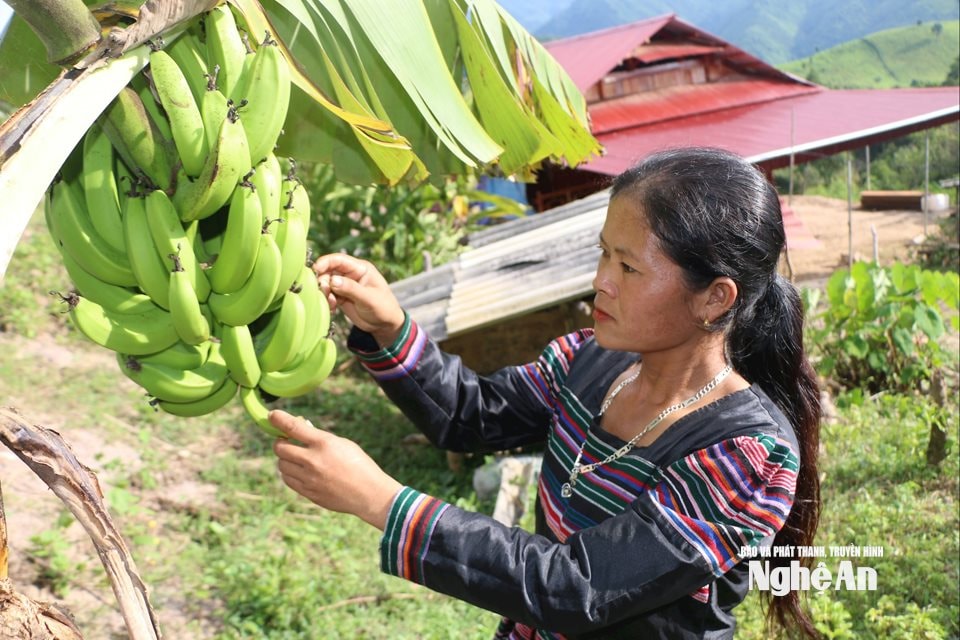
Therefore, in their daily lives, Lao brides and grooms have come to regard Keng Du as their second home, diligently adhering to all the Party's guidelines and policies, the State's laws and regulations, and local rules, working together to build happy families and prosperous villages.
Through this, together with the Party committees, authorities, and people of the border areas, we contribute to nurturing the friendship between the two countries and two peoples of Vietnam and Laos, ensuring it remains "evergreen and enduring for generations to come."