
People who should not eat winged beans
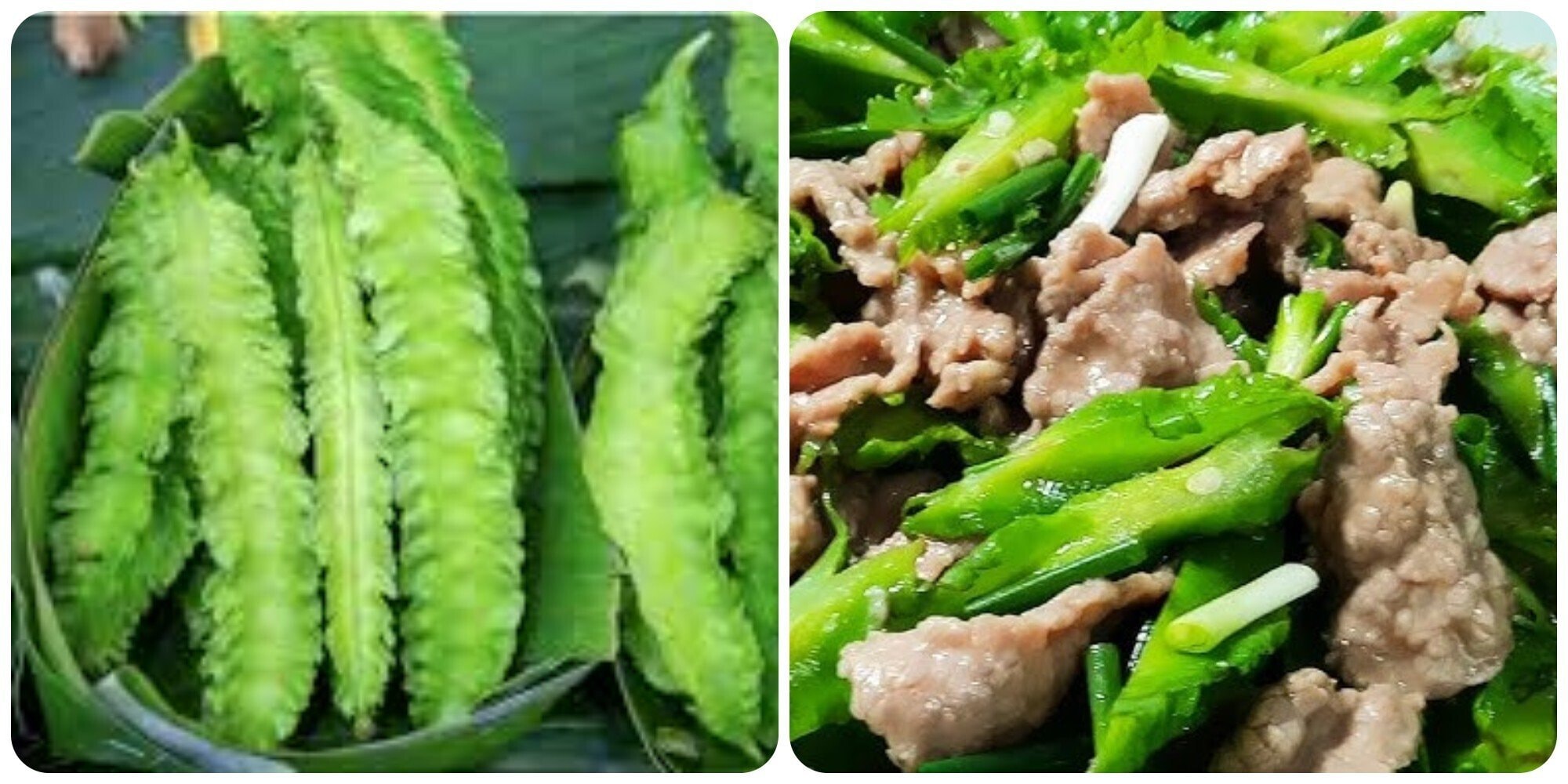
Winged beans are a healthy vegetable, but not everyone can eat them. Below are some people who should avoid eating winged beans.
The health benefits of winged beans
An article on the Medlatec General Hospital website, with medical consultation from Dr. Duong Ngoc Van, states that thanks to its rich nutritional composition, winged bean has become an effective remedy in treating many different diseases, specifically:
Good for pregnant women's health.
The abundant vitamins and minerals in winged beans are essential for fetal development, enhancing cognitive abilities and brain development, and preventing the risk of birth defects.
100g of winged beans can contain 16.5% of the daily folate requirement, a substance involved in cell division and DNA synthesis in the fetus. The protein provided by winged beans also helps ensure that babies receive higher quality breast milk.
Slows down the aging process and boosts immunity.
Winged beans are an extremely high source of antioxidants, especially vitamin C – an essential component involved in collagen formation and the regeneration of connective tissues, helping to keep skin firm and elastic. In addition, vitamin C helps boost the body's immunity to fight against external pathogens.
Suitable for people trying to lose weight and to prevent constipation.
According to studies, winged beans are also a low-calorie, high-fiber vegetable. Consuming them slows down the absorption of fats and sugars, thereby helping to stabilize blood sugar levels, making them suitable for patients who are overweight, have dyslipidemia, or diabetes.
In addition, because fiber is insoluble, it helps you feel full for longer, reduces cravings, stimulates the digestive system and bowel movements, and prevents constipation.
The perfect alternative to animal protein.
Similar to soybeans and other legumes, winged beans contain enough protein to meet the body's needs, making them a perfect choice for vegetarians looking to supplement their protein intake from non-animal sources.
Supports the treatment of asthma.
Patients with chronic asthma need regular magnesium supplementation to control their symptoms. Notably, winged beans are quite rich in magnesium, and consuming them can help reduce acute asthma attacks, relax bronchial muscles, and regulate breathing rate.
Good for people with high blood pressure, diabetes, and cardiovascular disease.
The potassium in winged beans helps stabilize heart rate, reduce oxidation of blood vessels, minimize bad cholesterol, control blood pressure, protect the cardiovascular system from the risk of stroke and myocardial ischemia, regulate insulin, support glucose metabolism, and balance blood sugar levels.
In Traditional Chinese Medicine, this vegetable is considered to have a cooling nature, a sweet taste, and be nutritious, helping to alleviate symptoms of indigestion and bloating.
People who should not eat winged beans
Although winged beans are very good for health, like any other food or medicine, you shouldn't overuse them. According to the Health & Life newspaper, Dr. Vu Duy Thanh stated that the following people should not consume winged beans:
- People with oxalate-induced urinary tract stones should not use this product because it can cause the stones to grow larger.
People with a history of allergies to winged beans should not use this product.
- People with gout should not consume winged beans, as their condition may worsen.


