
Who should limit their consumption of ripe papaya?
Papaya is a fruit loved by many, but not everyone can eat it. Below are some people who should limit their consumption of ripe papaya.
Who shouldn't eat papaya?
Papaya is a popular fruit in Vietnam. Delicious, nutritious, and affordable, it's loved by many. However, not everyone can eat this fruit. The Health & Life newspaper, citing Bold Sky, points out the following people who should avoid eating papaya:
People with hypothyroidism
Cyanogenic glycosides in papaya not only affect heart rate but can also interfere with iodine synthesis and metabolism in the body, causing more severe symptoms in people with hypothyroidism. However, this only occurs in people who eat excessive amounts of papaya.
People with allergies
People with respiratory disorders such as asthma, or any allergies, should be cautious when eating papaya. Sometimes pollen can stick to the papaya peel, so wear gloves when peeling it. Dispose of the peel and gloves in the trash immediately after peeling.
Papaya allergy typically presents with the following symptoms: swelling of the mouth, itching around the face and throat, rash on the tongue, dizziness, headache, abdominal pain, difficulty breathing, and difficulty swallowing.
People with irregular heartbeats
People with irregular heartbeats may experience a worsening of their condition if they eat papaya. One study showed that papaya contains low levels of cyanogenic glycoside, an amino acid that can produce hydrogen cyanide in the human digestive system. While small amounts of this compound are unlikely to harm people with heart disease, consuming too much could be detrimental.
People with kidney stones
Papaya is rich in vitamin C, with 60.9mg of vitamin C per 100g. This is an antioxidant and plays a crucial role in maintaining a strong immune system. However, excessive vitamin C intake can lead to the formation of calcium oxalate kidney stones or worsen symptoms in those already suffering from kidney disease.
People with poor digestion
Papaya is an excellent laxative and a rich source of fiber, which is very good for digestive health. However, eating too much can have negative effects on the stomach. Instead of treating stomach problems like constipation and indigestion, it can lead to diarrhea and bloating.
People with hypoglycemia
People with hypoglycemia or low blood sugar should avoid eating papaya. Eating too much can lead to symptoms such as tremors and a rapid heartbeat.
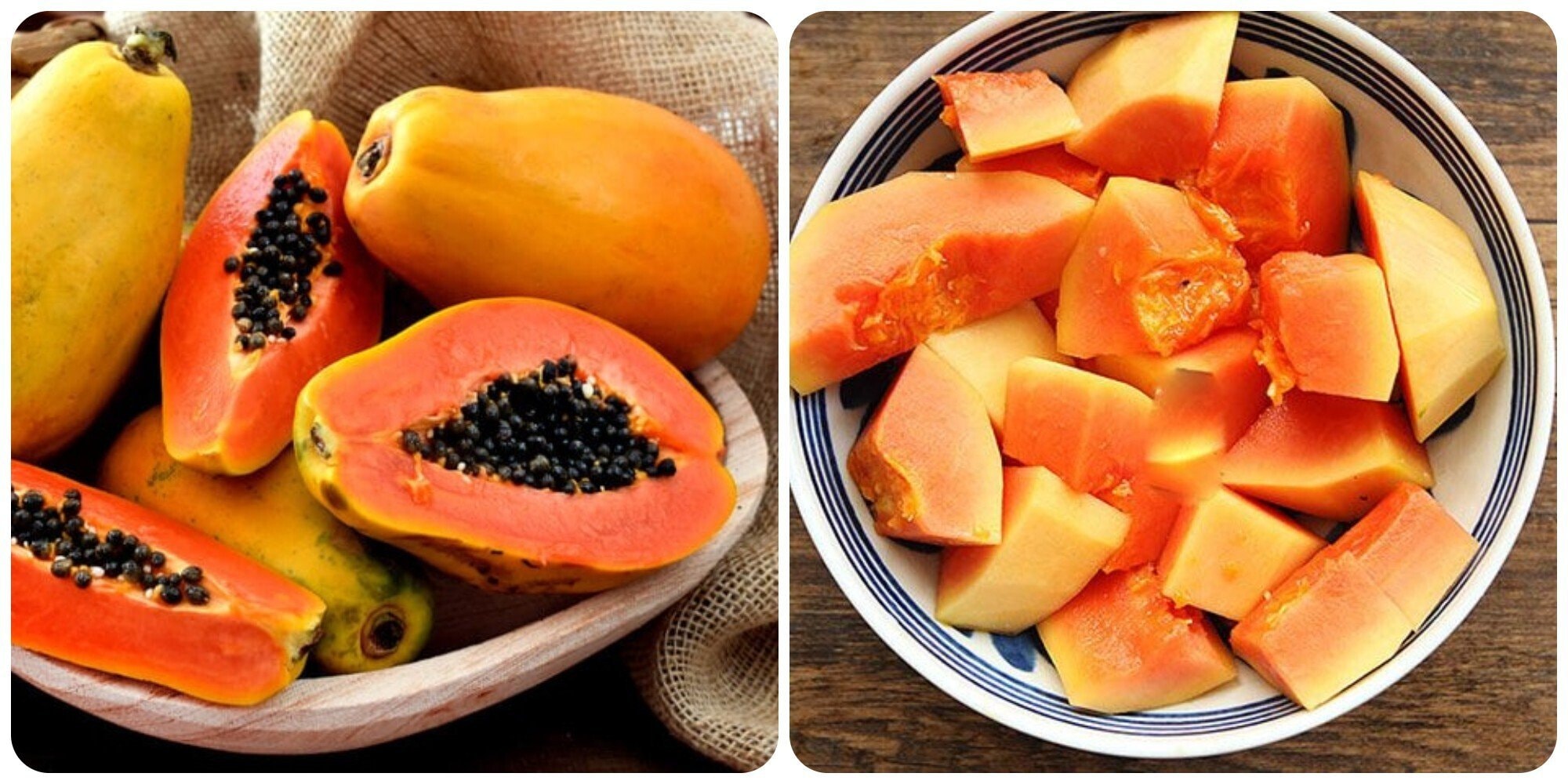
Things to keep in mind when eating ripe papaya
This article on the Medlatec Hospital website, with medical consultation from Dr. Dinh Van Chinh, aims to help you avoid the harmful effects of ripe papaya and enjoy nutritious dishes made from this fruit. You can take some preventative measures such as:
Control consumption
To avoid overconsumption of ripe papaya, you should control your intake of this fruit in your daily diet and avoid eating too much at once.
Choose a fresh, ripe papaya.
Choose ripe, fresh papayas with firm, shiny skins to eat. Avoid processed products containing ripe papaya that have added sugar or preservatives, as these can negatively impact your health.
Pay attention to food hygiene.
Before eating ripe papaya, always remember to wash it thoroughly under running water to remove any dirt and chemicals that may be clinging to the surface of the peel.
Combine with other foods.
Ripe papaya should be eaten as a dessert, and beforehand, easily digestible foods such as vegetables and porridge should be chosen to reduce stress on the stomach.
Monitor your body's response.
Carefully monitor your body's reactions after eating ripe papaya. If you experience any signs of an allergic reaction such as a rash, itching, or difficulty breathing, seek medical attention immediately.


