
Who should limit their pear consumption?
Pears are a familiar and popular fruit, however, some people are advised to limit their consumption of this fruit.
Pears and their health benefits
An article on the Medlatec General Hospital website, with medical consultation from Dr. Duong Ngoc Van, states that on average, 100g of pears provide many beneficial nutrients, including calcium, fiber, potassium, protein, phosphorus, and other essential vitamins such as A, B, and C. Each 100g of pear contains 0.5mg of iron, 86.5g of water, 0.2g of protein, 0.1g of fat, 11g of carbohydrates, 14mg of calcium, 13mg of phosphorus, 1.6g of fiber, 1mg of folic acid, vitamins P and C, beta-carotene, and 0.2g of vitamin PP.
Looking at the nutritional information of pears, we can see that this fruit is truly beneficial to health. Therefore, nutrition experts also advise that we should eat pears daily to receive the following benefits:
Preventing inflammation:The active compounds in pears help reduce pain and inflammation caused by arthritis.
Adding fiber improves digestion:Fiber is very good for the digestion process, so those who suffer from diarrhea, constipation, or dehydration can include pears in their daily diet.
Boost your immune system:The vitamins (B2, B3, B6, C, and K) and minerals (magnesium, calcium, manganese, copper, folate) contained in pears help boost the immune system and fight against pathogens entering the body.
Reduce cholesterol levels in the blood.This is thanks to the fiber and pectin contained in pears.
Reduce your risk of developing type 2 diabetes:Anthocyanins, found abundantly in pears, help control blood sugar levels, making them very beneficial for patients with type 2 diabetes.
Counteracting the activity of free radicals.Pears are rich in vitamins C and K, and the mineral copper, which helps protect the body from the damaging effects of free radicals.
Losing weight:Pears are relatively low in calories and, combined with their high fiber content, help you feel full for longer, making them ideal for those planning to lose weight.
Protecting cardiovascular health:The antioxidants released by pears help limit atherosclerosis and platelet aggregation, which can lead to blood clots in the blood vessels. Therefore, eating pears can help reduce the risk of stroke, heart attack, and other cardiovascular diseases.
Cancer prevention:Thanks to the binding ability of the fiber contained in pears to secondary bile acids, we can prevent the risk of colon cancer or other intestinal problems.
Reduce the risk of osteoporosis:The trace minerals, especially boron, in pears help the body increase its ability to absorb calcium, which is very beneficial for bone development. A boron deficiency reduces the body's ability to absorb magnesium, phosphorus, etc., which is one of the causes of calcification and osteoporosis.
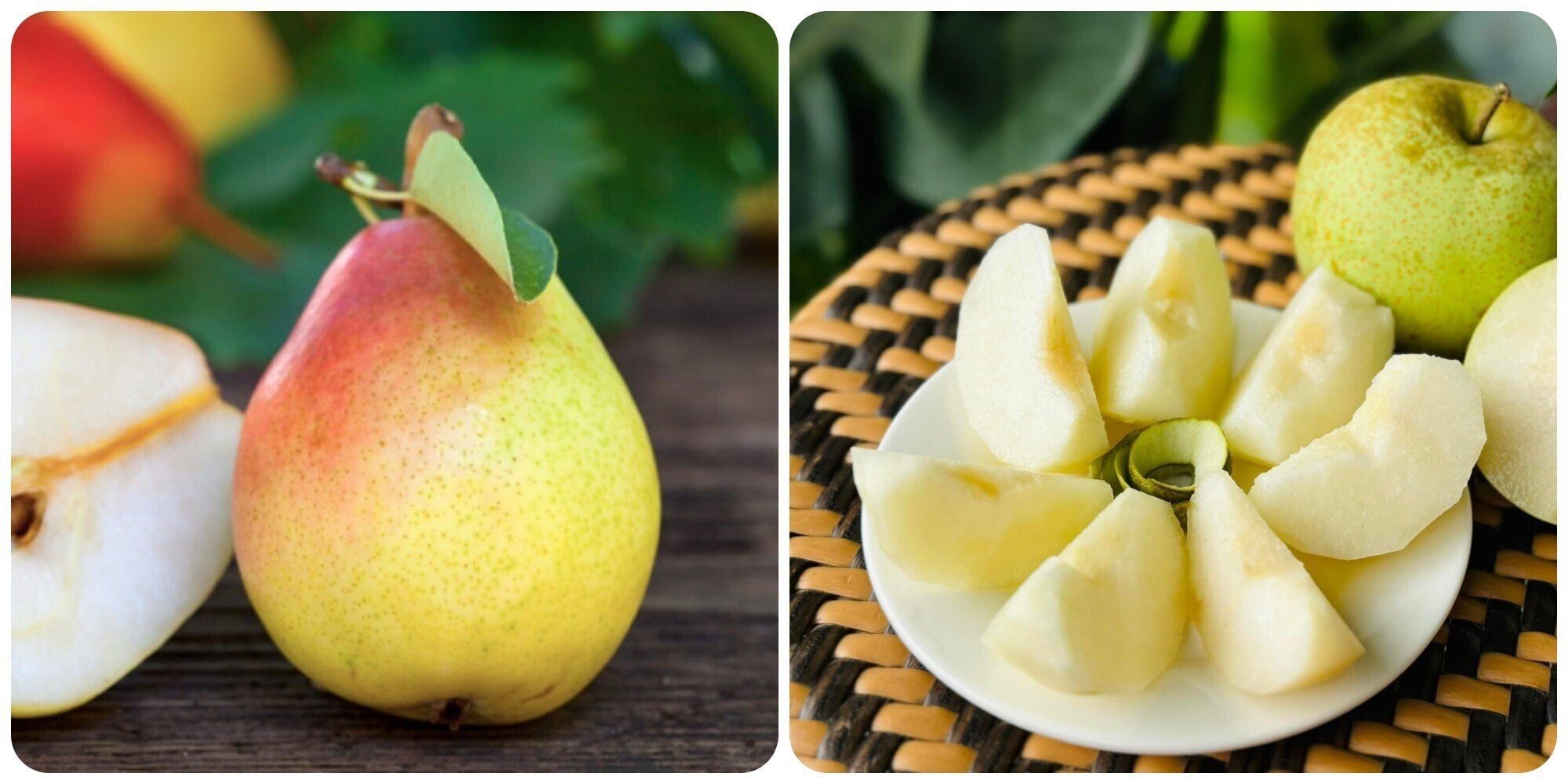
Who should limit their pear consumption?
Although pears are good for health, not everyone can eat them. The Health & Life newspaper quotes Dr. Nguyen Huy Hoang as advising the following groups of people to be cautious when eating pears:
- People with digestive problems:Pears are considered cooling in nature, so people with weak spleen and stomach, exhibiting symptoms such as bloating, poor digestion, and loose stools, and those who cannot tolerate cold foods, should not eat too many of them.
- Women who are breastfeeding:Breastfeeding women should avoid eating too many pears because children's digestive systems are not yet fully developed. According to Traditional Chinese Medicine, young children have immature spleens and stomachs, and if mothers eat too many pears, which are considered a "cold" food, the cold energy can pass through breast milk and affect the child's digestive function.
- Pregnant women:Pregnant women should also eat few or no pears, as pregnancy and fetal development are crucial and should not be taken lightly. Foods that are either cold or spicy should not be consumed in large quantities.
After childbirth, women have weakened bodies, depleted energy and blood, and relatively little activity. They are sensitive to wind and cold; pears, being a cooling food, should be avoided.
ButNPeople who suffer from nocturia (frequent urination at night):Pears also have a diuretic effect, so people who frequently urinate at night or urinate often should not eat too many pears.
ButPeople with weak yang energy:People who experience symptoms such as feeling cold, having loose stools, and cold hands and feet should avoid eating too many pears. When eating them, they should be prepared in dishes and cooked thoroughly to prevent the symptoms of cold and dampness from worsening.
Additionally, when eating pears, avoid consuming them with certain foods such as radishes, spinach, and goose meat, as these foods can have negative effects on health when interacting with pears.


