
These "journalists without press credentials"
In the context of innovation, district-level Cultural, Sports, and Media Centers have completed their "historical mission," giving way to a new operational model suited to the development requirements of the current period. These are the community-level public service centers. From this point on, grassroots media professionals are seen as "journalists without credentials."
A new journey for grassroots communicators.
The establishment of commune-level public service centers not only contributes to improving the efficiency of services for the people but also opens up new avenues for information and communication work at the grassroots level. From here, stories of daily life, effective economic development models, changes in the rhythm of local life, or the implementation of Party guidelines and State laws are conveyed more quickly, vividly, and intimately to the people.
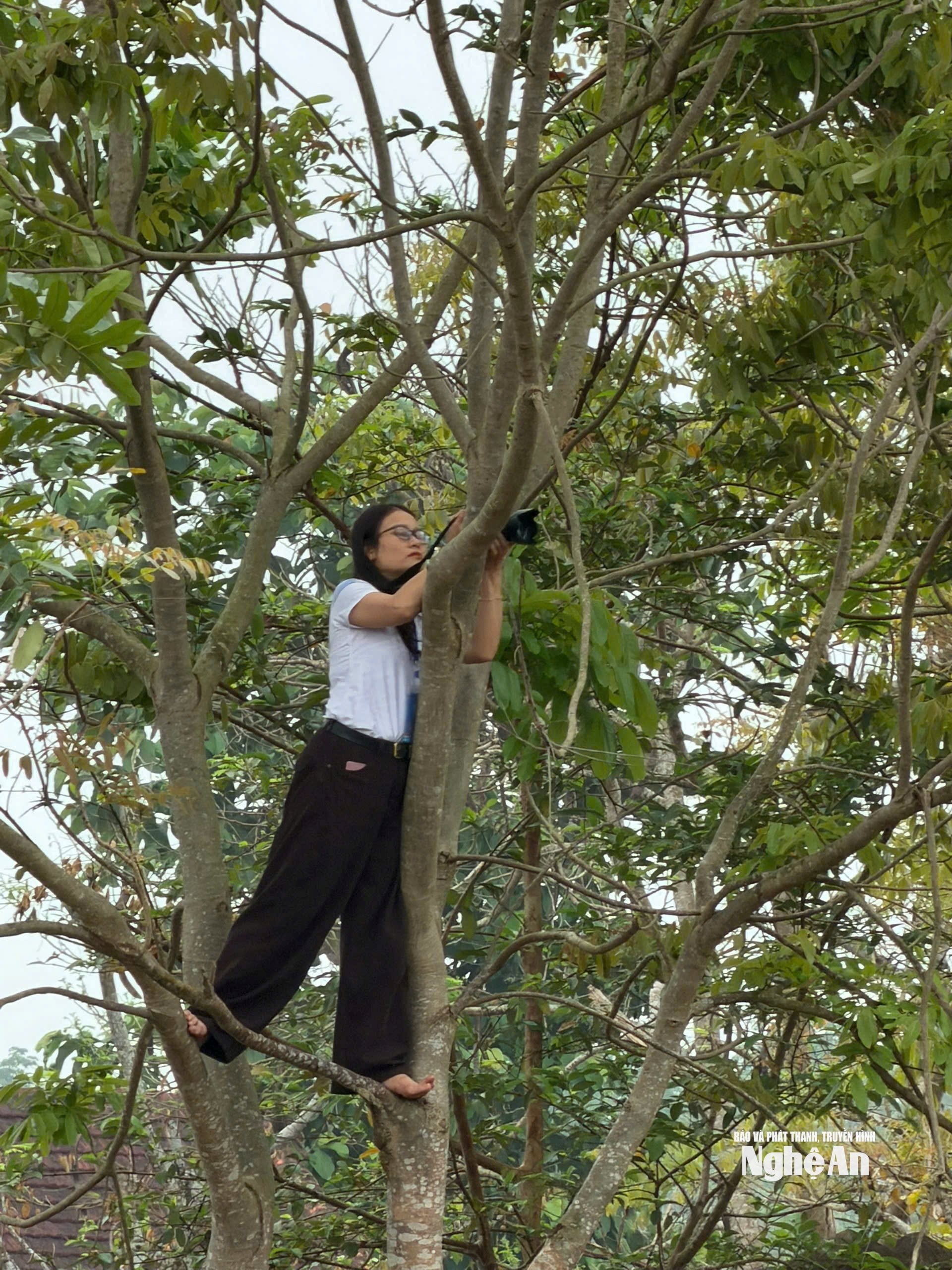
Behind the news reports, videos, and images published every day are very special people. They are not necessarily professional journalists. Some have worked in culture, others in sports, libraries, administration, agricultural extension, or digital transformation. When given a new assignment, they begin their journey as reporters with a sense of responsibility and a love for their profession.
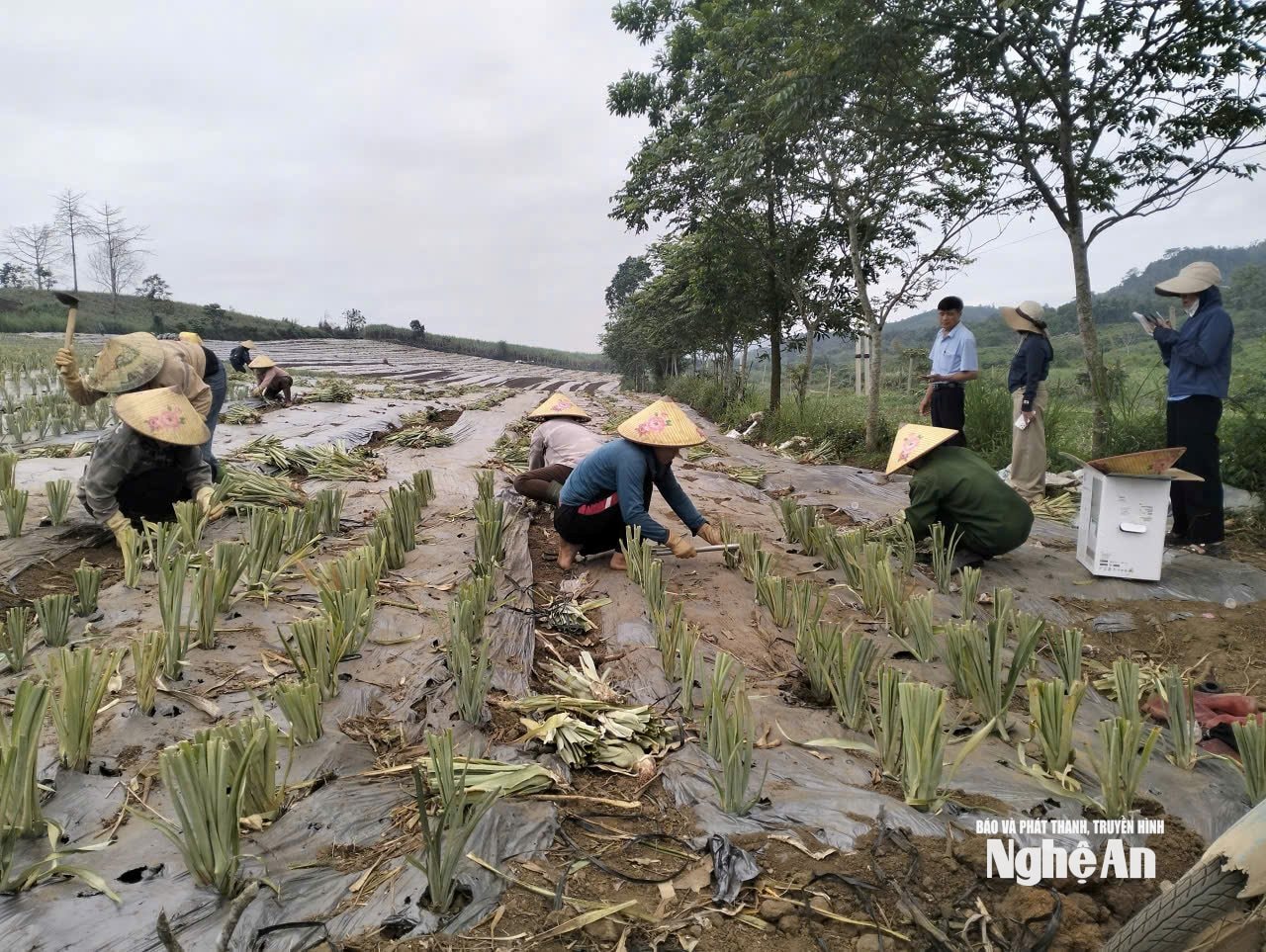
In the former Tan Ky district, before the implementation of the two-tiered local government system, many officials held various positions at the Cultural, Sports and Communication Center and the Agricultural Service Center. Tasks such as filming, photography, writing news articles, or video editing were completely unfamiliar to them. However, when assigned the responsibility of managing local information and communication, these officials had to start from the most basic knowledge of journalism.
From framing shots, recording audio, choosing camera angles, writing news, editing videos, and voice-overs to uploading media products to digital platforms, all are new skills that must be learned and practiced daily. There is no other way than through effort and determination to complete the assigned tasks.
In community-based media work, one person must take on many different roles, from developing content, going to the field to film and photograph, writing news, editing, producing videos, managing media platforms, to updating information on the local electronic portal and social media pages. At times, with just a smartphone, a community media worker still has to manage to complete all stages of producing a complete media product.
The workload is already heavy, and many people also have to take on additional responsibilities in areas such as culture, administration, digital transformation, ethnic and religious affairs, or public services. Especially during the rainy season, storms, natural disasters, fires, or other emergencies, those working in communications still brave the difficulties, being present at the scene to record, report, and transmit information as quickly as possible to the public and the press.
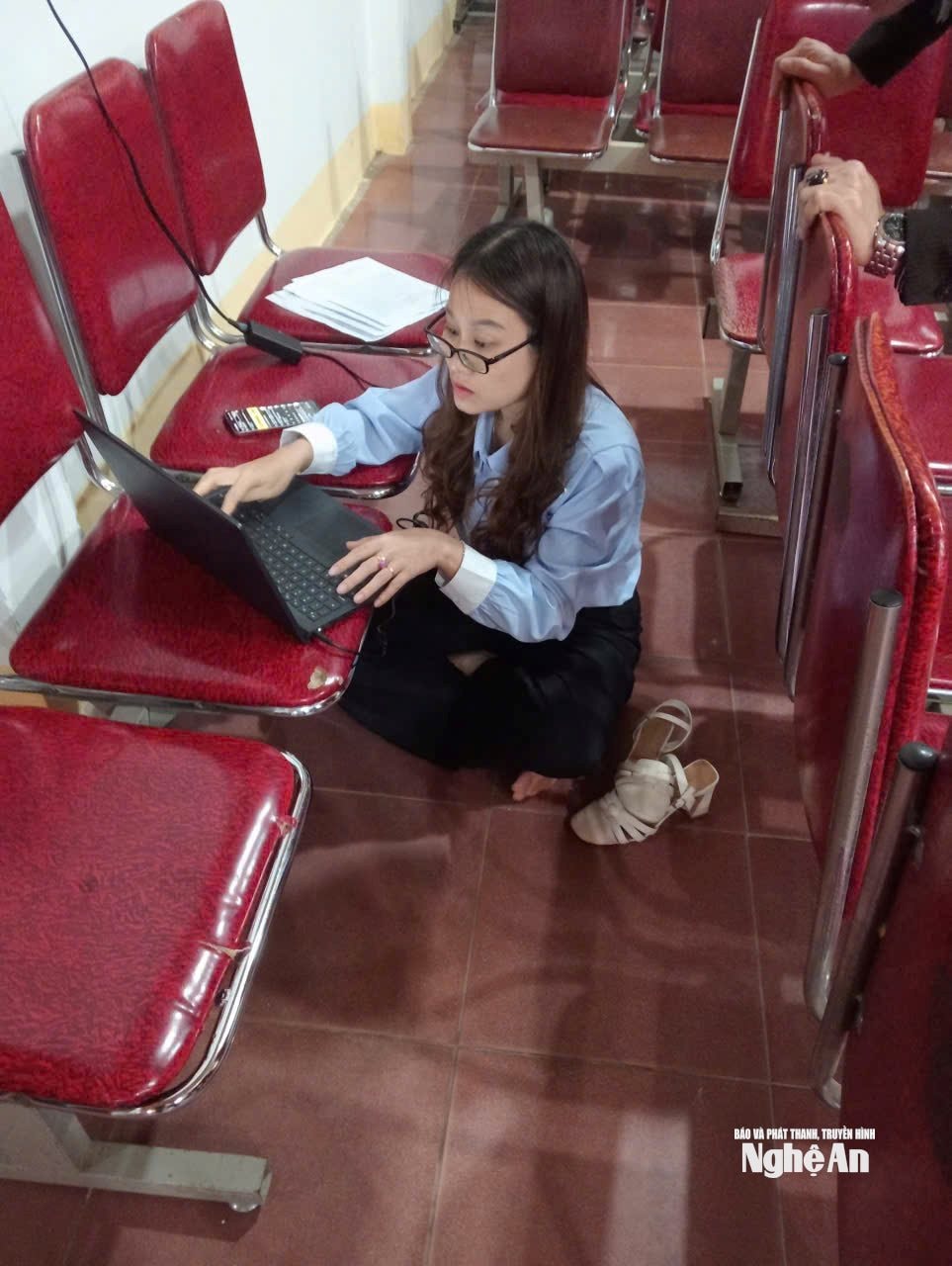
After the establishment of public service delivery centers, many localities faced numerous difficulties regarding infrastructure for communication work. Many filming equipment items had been in use for years, resulting in poor image quality. Low-configuration computers made editing and data processing time-consuming. Most communes currently lack dedicated recording and editing rooms. In some places, there are even no cameras; all work, from filming and photography to editing, is done using personal mobile phones.
News production therefore takes place anytime, anywhere. Sometimes it's at the office, sometimes it's on the sidelines of a meeting, and sometimes it's late at night after finishing professional work. These difficulties have never diminished the enthusiasm of those working in grassroots communications.
People who are close to the people and understand the people.
In Giai Xuan commune, despite many shortcomings, communication work has always received the attention, monitoring, and support of a large number of officials, Party members, and people in the commune as well as many neighboring localities. This is a great source of encouragement for the communication team to continue striving, innovating, and contributing.
To meet the growing demand for information among the people, Giai Xuan commune has built a multi-platform communication system that operates regularly and effectively. Many official information channels have been established, such as the "Giai Xuan News" fanpage, the "Giai Xuan Media" fanpage, the "Giai Xuan Television" YouTube channel, the electronic broadcasting system, and the commune's electronic information portal.
Through these platforms, the Party's guidelines, the State's policies and laws, outstanding local activities, economic development models, examples of good people and good deeds, and important announcements are all updated quickly, promptly, and conveniently to the people.
In particular, the Giai Xuan commune's electronic portal has become one of the most effective and official information channels in the locality. Thanks to the efforts of the team in charge, the commune's website is currently ranked 8th out of 130 communes and wards in Nghe An province in terms of operational efficiency and information updates. This is a commendable achievement, affirming the strong transformation of grassroots communication in the digital age.
More than just information transmitters, grassroots media teams are the closest to the people, understanding them best. They witness the daily changes in their homeland, promptly grasp the thoughts and aspirations of the people, and truthfully reflect the pulse of life from the grassroots.
The voices of the people are reflected more promptly. Good models and innovative approaches are disseminated more widely. Problems arising in social life are also detected and reported earlier. This contributes to improving the effectiveness of propaganda work, creating consensus among the people, and promoting the overall development of the locality.
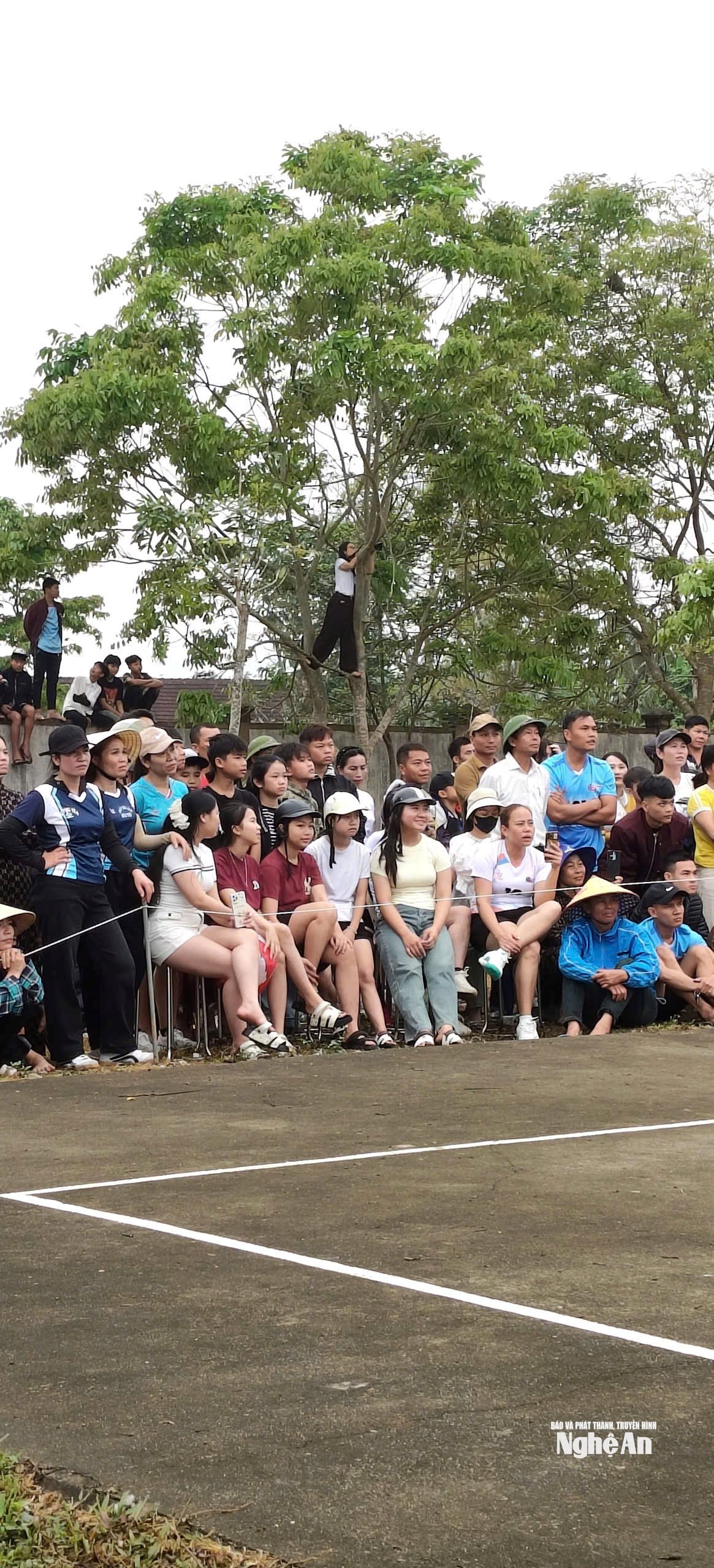
However, given the increasing demands of modern media and the trend of digital transformation, grassroots media personnel still require significant investment in human resources, equipment, and training. Besides supplementing specialized equipment such as video cameras, still cameras, and video editing computers, it is necessary to continue organizing professional training courses on filmmaking, video editing, multimedia journalism, and digital communication to enhance the capabilities of this workforce.
In the development journey of our homeland today, grassroots media workers are gradually affirming their role as a bridge between the Party committees, the government, and the people, between policies and life. They are the "extended arms" of revolutionary journalism, the vanguard force on the information and propaganda front at the grassroots level.
We believe that, with the proper attention from all levels and sectors, and the tireless efforts of the media team, these "journalists without press credentials" at the grassroots level will continue to spread positive values, contributing to building a more prosperous, civilized, and developed Giai Xuan homeland in the digital age.


