
Which countries are banning or restricting children's use of social media?
Concerned about the negative impact of social media, many countries are implementing a range of measures, from legal to technological, to tighten children's access to it.
Last December, Australia made history by becoming the first country in the world to ban children under 16 from using social media. This regulation applies to popular platforms such as TikTok, YouTube, Instagram, and Facebook.
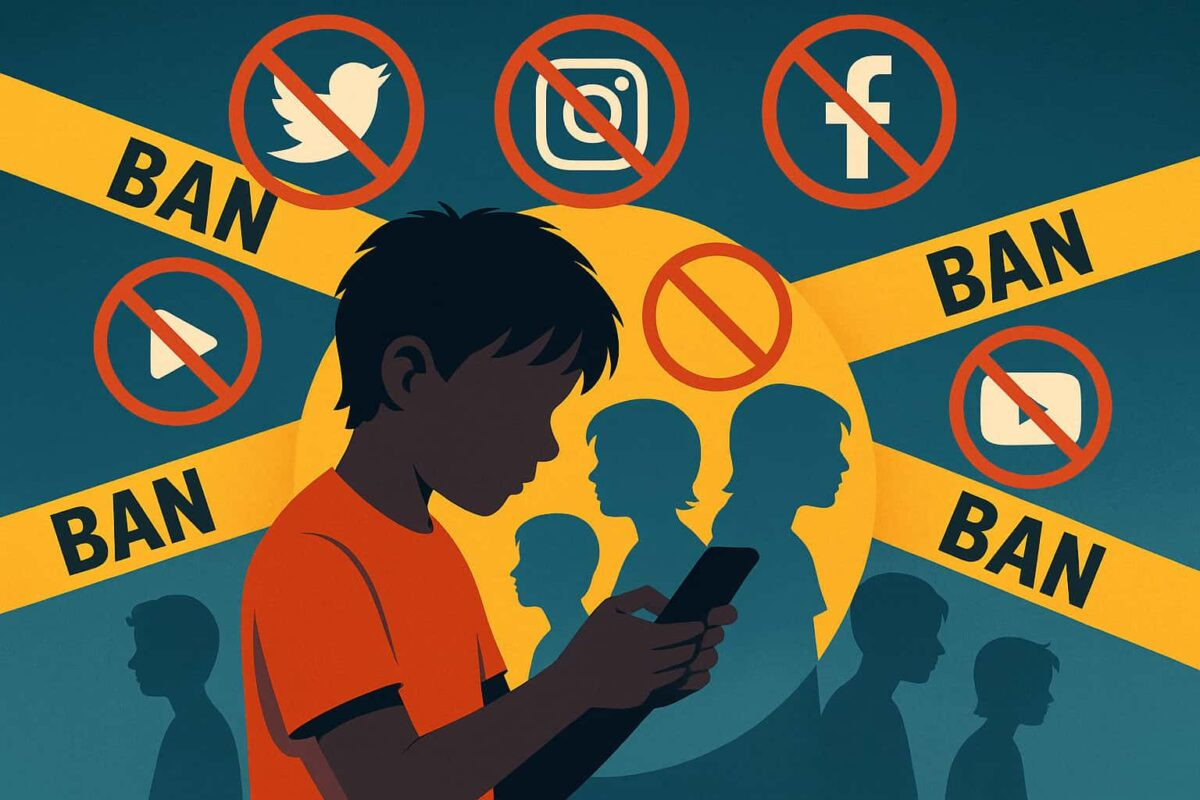
This pioneering move reflects growing concerns about the impact of social media on children's mental health and safety. Below is an overview of how countries around the world are seeking to control children's access to online platforms.
Shirt
The Austrian government says it is finalizing a bill to ban children under 14 from using social media, in an effort to strengthen protection for minors from online risks. The bill is expected to be submitted to the Austrian Parliament for consideration in the middle of this year before moving on to further legislative steps.
Brazil
The Digital Age for Children and Adolescents Act, which came into effect on March 17th, requires those under 16 to link their accounts to a guardian. Additionally, addictive features like unlimited scrolling have been restricted.
United Kingdom
The UK is considering implementing a similar ban to Australia. The government is also testing measures such as curfews and time limits on 300 teenagers to assess their impact on sleep, studies, and family life.
China
China's cybersecurity authorities have implemented a "minority mode" program, applying controls from the device level down to individual applications. Accordingly, screen time is flexibly limited according to age, aiming to enhance the protection of children in the digital environment.
Denmark
Last November, Denmark announced it would ban social media use for children under 15. However, the policy still allows parents flexibility in granting access to certain platforms for children as young as 13.
France
Last January, the French Parliament passed a bill banning children under 15 from using social media, amid growing concerns about cyberbullying and mental health issues. The bill now needs to be approved by the Senate before returning to the National Assembly for a final vote.
Virtue
In Germany, children aged 13 to 16 are only allowed to use social media with parental consent. However, child protection organizations argue that current control measures are still not effective enough.
Greece
On April 8th, Greek Prime Minister Kyriakos Mitsotakis announced that Greece will ban children under 15 from accessing social media, expected to take effect from January 1st, 2027.
India
Last March, Karnataka state – home to the technology hub of Bengaluru – became the first region in India to ban social media use for children under 16. This move is having a ripple effect, with neighboring states like Goa and Andhra Pradesh also considering similar measures.
Earlier in January, India's chief economic adviser called for age limits on social media platforms, arguing that many services tend to "retain users" in a predatory manner.
Australia
Australia has passed what is seen as landmark legislation on managing children's online activity, requiring social media platforms to block users under the age of 16 from December 10, 2025.
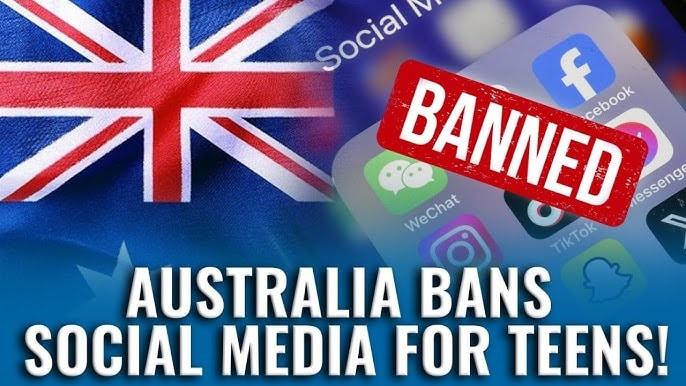
Businesses that fail to comply with the regulations could face fines of up to AUD 49.5 million (approximately USD 35.3 million), demonstrating the country's strong determination to protect young people in the digital environment.
Indonesia
Indonesia will restrict access to social media for those under 16. Starting in late March, accounts belonging to this age group on "high-risk" platforms such as TikTok, Facebook, Instagram, and Roblox will be gradually deactivated.
IDEA
The new regulations require users under 14 years old to have parental or guardian consent before registering an account. For those aged 14 and above, account creation can be done independently without parental approval, thereby increasing their autonomy in participating in the digital environment.
Malaysia
Last November, Malaysia announced plans to ban children under 16 from using social media platforms to enhance the protection of young people in the digital environment. This policy is expected to officially take effect from 2026 after the necessary preparations are completed.
Norway
On April 24, Norway's minority government, led by the Labour Party, announced it would submit a bill to Parliament before the end of 2026 to ban children from using social media until they turn 16, while also requiring technology companies to verify users' ages.
Poland
Last February, Poland's ruling party announced it was drafting a bill to ban children under 15 from using social media and to require platforms to verify users' ages.
Portugal
The Portuguese Parliament has passed a law requiring explicit parental consent for users aged 13-16. Businesses that violate the law could face fines of up to 2% of their global revenue.
Slovenia
Slovenia is pushing ahead with a new bill aimed at restricting children under 15 from accessing social media platforms. This move reflects a growing trend in many countries to strengthen the protection of minors from the negative impacts of the online environment.
Spain
Spain has proposed banning social media use for children under 16 and requiring the implementation of an age verification system. However, this proposal still needs to be approved by parliament.
Türkiye
The Turkish parliament has passed a new law aimed at restricting children under 15 from accessing social media platforms. This regulation is part of the country's efforts to create a safer digital environment for young people, while also strengthening oversight and control over the online activities of young users.
America
U.S. federal law prohibits the collection of personal data from children under 13 without parental consent. Some states require control over social media access, but face legal challenges related to freedom of speech.
European Union
The European Parliament has adopted a resolution calling for a minimum age of 16 for using social media, and proposing a unified "digital age" of 13 for online services across Europe.
Meanwhile, platforms like TikTok, Facebook, and Snapchat now require users to be 13 years old or older. However, many experts argue that these measures are not effective enough, as a large number of underage children still have accounts in reality.
Overall, the global trend is shifting from recommendations to mandatory measures, combining legislation, age verification technology, and parental oversight.


