
The risks of using cheap USB charging cables.
Many people are willing to buy cheap USB charging cables to save money, but this choice can cause the phone to charge slowly, overheat, or even damage important components.
When needing to charge their phones, many people assume that any USB cable will work, as long as it can transmit power from the charger to the device. Therefore, unbranded cables, sold at very low prices in convenience stores, supermarkets, or online marketplaces, often become a popular choice.
However, according to experts, the quality of a charging cable depends not only on its conductivity but also on its ability to control voltage, current, and communicate with the device. These are precisely the factors that many cheap USB cables often fail to meet.
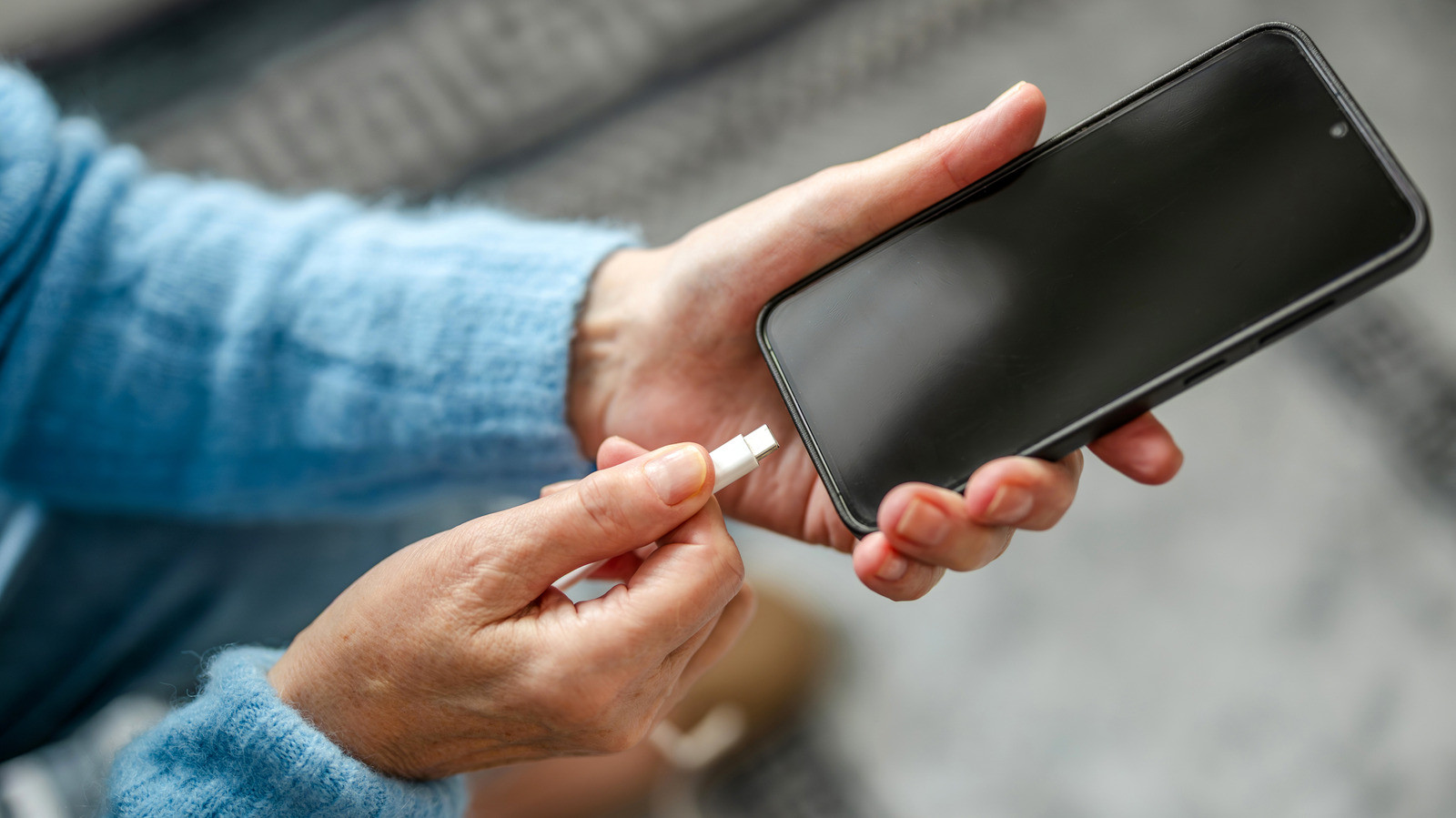
The money saved by buying a low-quality cable may be insignificant compared to the cost of repairing or replacing the phone if it breaks down.
What are the risks of using low-quality USB charging cables?
A cheap, substandard USB cable can cause your phone to charge more slowly, overheat abnormally, and thus increase the risk of affecting the lifespan of your lithium-ion battery.
More seriously, low-quality cables can damage the charging port, cause short circuits on the motherboard, and even prevent the phone from booting up.
If used to transfer data between a phone and a computer, these types of cables also risk causing errors or data loss due to unstable signal transmission.
Additionally, users may sometimes feel a slight tingling sensation when touching the metal tip of the USB cable. This is usually normal due to a very small leakage current. However, if a strong shock or pain occurs, it could be a sign that the charger or cable does not meet safety standards and needs to be replaced immediately.
Why are cheap USB charging cables less safe?
For safe charging, the phone, charger, and USB cable must constantly "communicate" with each other to determine the appropriate voltage and current levels.
For USB-C to USB-C cables, this process is accomplished via the USB Power Delivery (USB PD) protocol and an integrated E-marker chip in the cable connector. This chip allows the charger to check if the cable can handle the required current before supplying power.
Meanwhile, USB-C to USB-A cables use a 56 kΩ resistor inside the USB-C connector to limit current, preventing the phone from demanding more power than the cable can handle.
However, many cheap cables omit these crucial components to reduce production costs. As a result, the charger and phone cannot exchange information accurately, leading to unstable current supply to the device.
As a result, the battery is subjected to greater stress and generates more heat during charging. High temperatures are the "enemy" of lithium-ion batteries because they can cause irreversible chemical changes, gradually reducing their energy storage capacity over time.
Not only the battery, but excess heat also causes the charging port and other internal components of the phone to degrade faster.
On many modern smartphones, when the system detects that the temperature is rising too high, it will automatically reduce the charging current to protect the device. This significantly slows down the charging speed.
In more serious cases, if the cable cannot withstand high current due to the use of poor-quality materials, the outer sheath may crack, fray, or short-circuit. In that case, a sudden surge in current could damage the phone's motherboard.
How to identify low-quality USB charging cables.
Distinguishing genuine USB cables from cheap imitations is becoming increasingly difficult due to the many manufacturers producing highly sophisticated counterfeits.
One of the simplest ways is to check if the product is certified by the USB Implementers Forum (USB-IF). This is a non-profit organization that develops and certifies USB standards globally.
USB-IF-certified products have been tested for compatibility, performance, and safety, reducing the risk of device damage during use.
However, certification logos can also be faked. Users should check the product code against the USB-IF database to verify authenticity if possible.
Additionally, carefully examine the product packaging. Signs such as spelling errors, faded logos, missing serial numbers, or poor finish quality can all indicate a substandard product.
If you've opened the box, inspect the cable directly. A quality USB cable usually has a thermoplastic elastomer (TPE) or nylon sheath, giving it a thick and sturdy feel. The connector should fit snugly into the phone's and charger's charging ports, without being loose or misaligned.
For products purchased on e-commerce platforms, users should prioritize cable models with ratings of 4 out of 5 stars or higher and many positive customer reviews.
Experts also recommend choosing charging cables from reputable brands that are safety certified and compatible with the device's charging standard. This is a simple but effective way to protect the battery, extend the phone's lifespan, and reduce the risk of damage during use.


