
Potential risks of sharing your location on your phone.
Location sharing makes it easier to meet, travel, and stay in touch with loved ones. However, if used carelessly, this feature can inadvertently expose personal information and create opportunities for malicious actors to exploit.
In recent years, location sharing has become a familiar feature on smartphones. Users can easily send their real-time location through messaging and social media apps like Zalo, Instagram, or navigation apps like Google Maps.
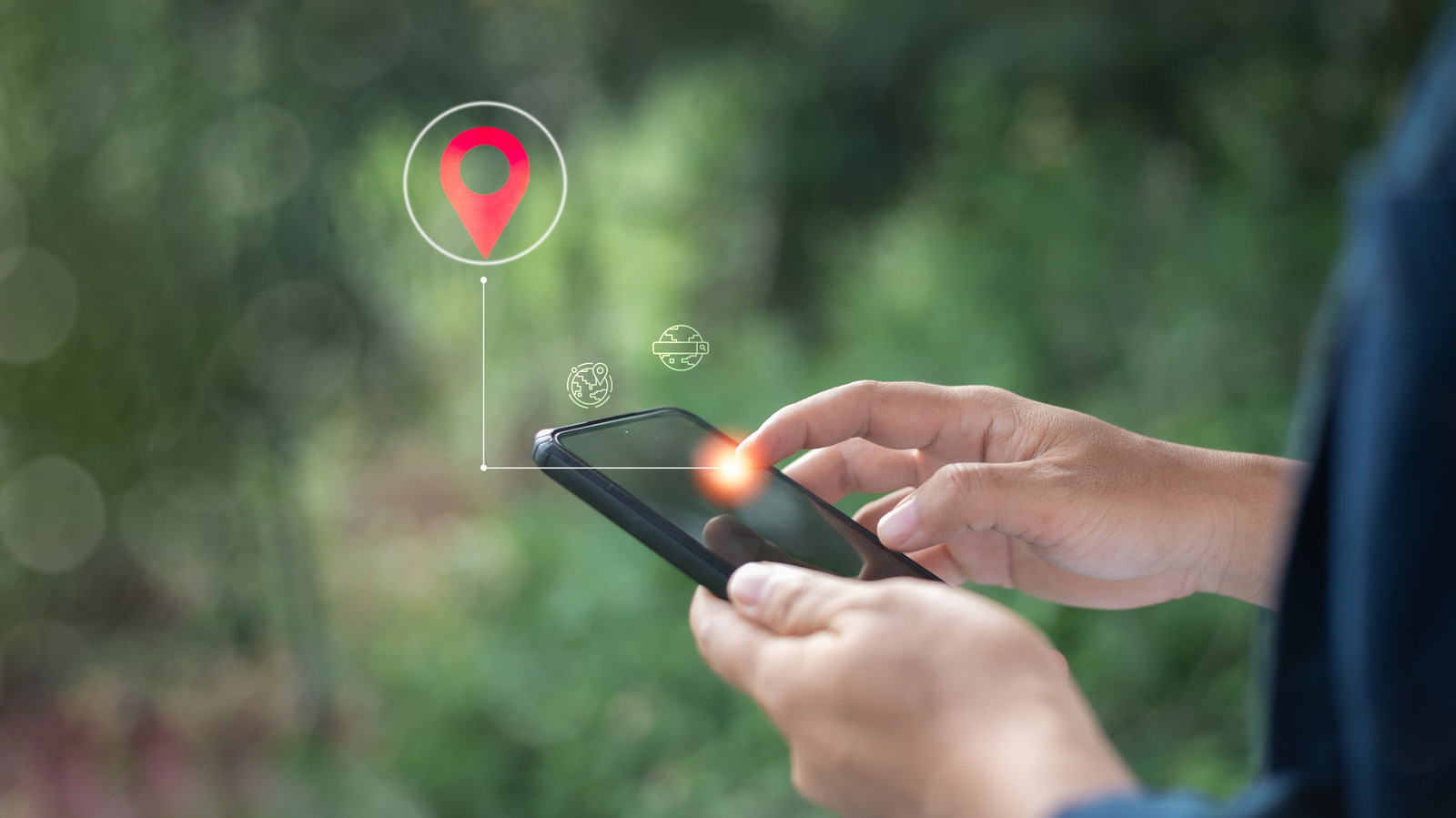
Location sharing offers many benefits, especially when finding directions, making appointments, or helping loved ones track your journey. However, this convenience also comes with significant risks to privacy and personal safety if users do not carefully control the settings.
Leaking personal information and daily schedules.
The biggest risk is that a user's exact location could be revealed to people who aren't truly trustworthy if sharing permissions are set too broadly.
From your location data, others can know where you live, where you work, and where you frequently visit. If this information falls into the wrong hands, it can be exploited for tracking, harassment, impersonation, scams, or theft.
Location data isn't only accessible to those with whom it's shared. Applications also collect and store this information to provide services. In the event of a provider's system breach or data leak, users' location history is also at risk of being exposed. While most major platforms implement multiple layers of security, this risk cannot be completely eliminated.
Risk of being followed and robbed.
One of the most worrying threats is being spied on.
If you share your real-time location or post geotagged photos on public social media accounts, others can easily identify your whereabouts. Even without using maps to share your location directly, photos with location information are enough to reveal your journey.
Therefore, users should regularly check the list of people allowed to view their location and take advantage of privacy features, such as incognito mode on supported apps.
Another often overlooked risk is theft. Knowing your daily routine, your work or travel times, thieves can deduce when your home is unoccupied. Constantly posting vacation photos with your location also inadvertently becomes a "notification" that the homeowner is away.
While sharing your location isn't a direct cause of burglaries, it can create opportunities for those with malicious intent.
Location data can be exploited.
Many apps now record users' travel history, including places visited. Most reputable developers are transparent about how they collect and use data, but some apps are less transparent.
Some apps may collect location history and then share or sell that data to third parties for advertising or other commercial purposes.
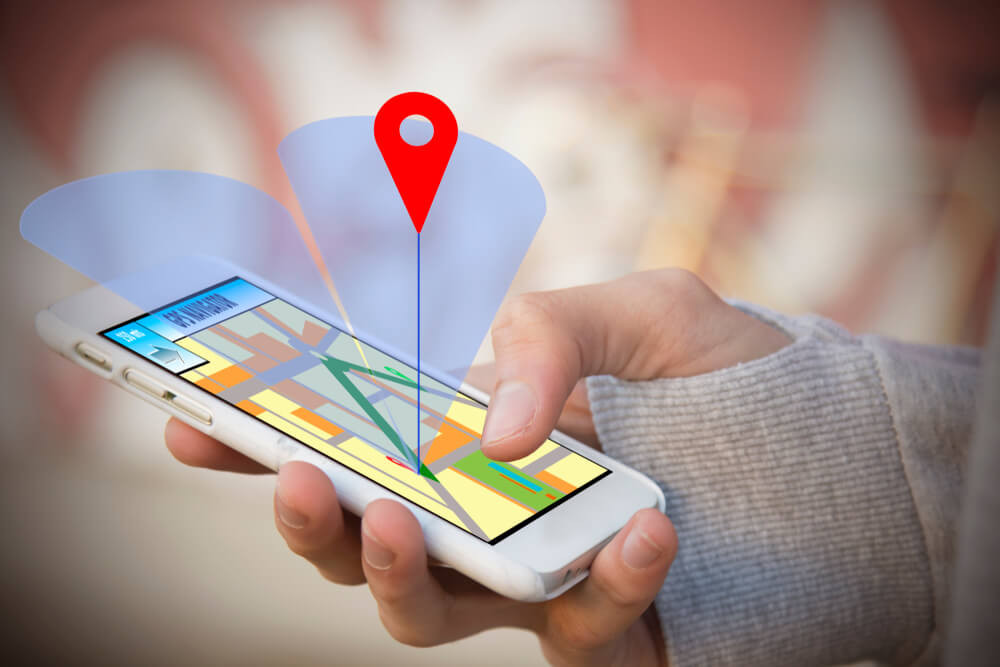
To mitigate risks, users should periodically check access permissions on their phones, revoke location permissions for apps that are not really necessary, and consider turning off location history saving if they don't use it.
Increased risk of fraud and impersonation.
Location history can also become a source of data for fraudsters to build more sophisticated scam scenarios.
For example, if they know you're traveling, they might send fake emails or messages related to hotel bookings, airline tickets, or travel services in order to steal your personal information.
With the help of artificial intelligence (AI), fraudulent content is increasingly written naturally, with fewer spelling and grammatical errors than before, making it harder for users to detect.
Furthermore, by knowing someone's address, workplace, daily schedule, and frequently visited locations, criminals have more information to impersonate them or carry out targeted scams.
Location sharing isn't a dangerous feature if used appropriately. Users should only share with people they truly trust, limit sharing time when necessary, regularly review app access permissions, and avoid publicly posting location or geotagged photos on social media accounts.
Actively controlling location data will help users both take advantage of the convenience of technology and minimize risks to privacy and personal safety.


