
Which cargo ships are allowed to pass through the Strait of Hormuz?
Only a small number of cargo ships and oil tankers are able to pass through the Strait of Hormuz, since this vital trade route has been blocked amid escalating conflict in the Middle East.
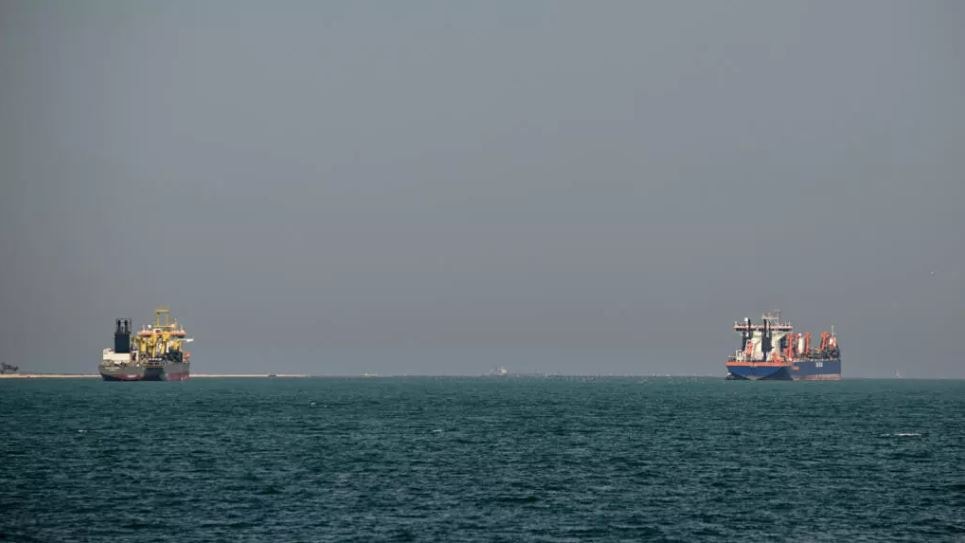
According to AFP, the analytics company Kpler reported that from March 1 to 23, cargo ships made only 138 trips through the strait, a 95% decrease compared to normal times.
Kpler's data also indicates that among them were 87 oil and gas tankers. More than half of these ships were fully loaded and the majority were moving eastward to exit the strait.
In its latest update on March 23, the shipping magazine Lloyd's List stated: "Traffic through the Strait of Hormuz continues to be severely disrupted."
According to the monitoring service MarineTraffic According to Kpler, on March 23, three more vessels, including two Indian-flagged liquefied petroleum gas (LPG) carriers and one oil tanker heading towards China, were the latest ships to pass through the strait.
According to Bloomberg and MarineTraffic, two Indian-flagged vessels, each carrying approximately 45,000 tons of LPG, departed this waterway after receiving cargo in the United Arab Emirates (UAE) and Kuwait, respectively, in late February.
The Panamanian-flagged vessel Bright Gold has left the strait with approximately 40,000 tons of methane gas and is expected to arrive in China on April 13th.
These three ships are believed to have followed a route approved by Tehran, bypassing Larak Island, which is located off the Iranian coast.
Furthermore, the governments of countries such as China, India, Pakistan, Iraq, and Malaysia appear to have negotiated directly with Tehran, "coordinating the transit of ships" along with the country's Revolutionary Guard.
Previously, Bridget Diakun, an analyst at Lloyd's List Intelligence, stated that the majority of ships passing through the strait were owned or flew the Iranian flag, followed by ships from Greece and China.
According to AFP's analysis of shipping data, since the conflict erupted, a total of more than 40% of ships transiting the Strait of Hormuz are subject to sanctions from the United States, the European Union (EU), or the United Kingdom. For oil and gas tankers alone, nearly 59% are under sanctions.
Commodity analysts at JPMorgan Bank believe that the majority of oil passing through this strait is headed to Asia, primarily China.
Additionally, JPMorgan analysts noted that, overall, 98% of the observable oil flow through Hormuz originates from Iran, averaging 1.3 million barrels per day in early March.
Before the conflict, up to one-fifth of the world's oil and liquefied natural gas was transported through this strait.


