Things to do immediately to protect your kidneys
In recent years, the incidence of kidney disease has tended to increase across all age groups. If left uncontrolled and without timely intervention and treatment, patients may die.
According to statistics, the prevalence of kidney disease (chronic kidney disease) in Vietnam accounts for approximately 10.1% of the population (over 10 million people affected), with about 8,000 new cases each year. Chronic kidney disease ranks 8th among the leading causes of death in Vietnam.
Kidney failure is a condition in which the kidneys' function is impaired. Kidney failure includes acute and chronic kidney failure. Acute kidney failure progresses rapidly and suddenly; with proper treatment, it can be completely cured. Without timely treatment, acute kidney failure can worsen, progress to chronic kidney failure, or lead to death.
Chronic kidney disease often develops silently, worsens over time, and is irreversible.
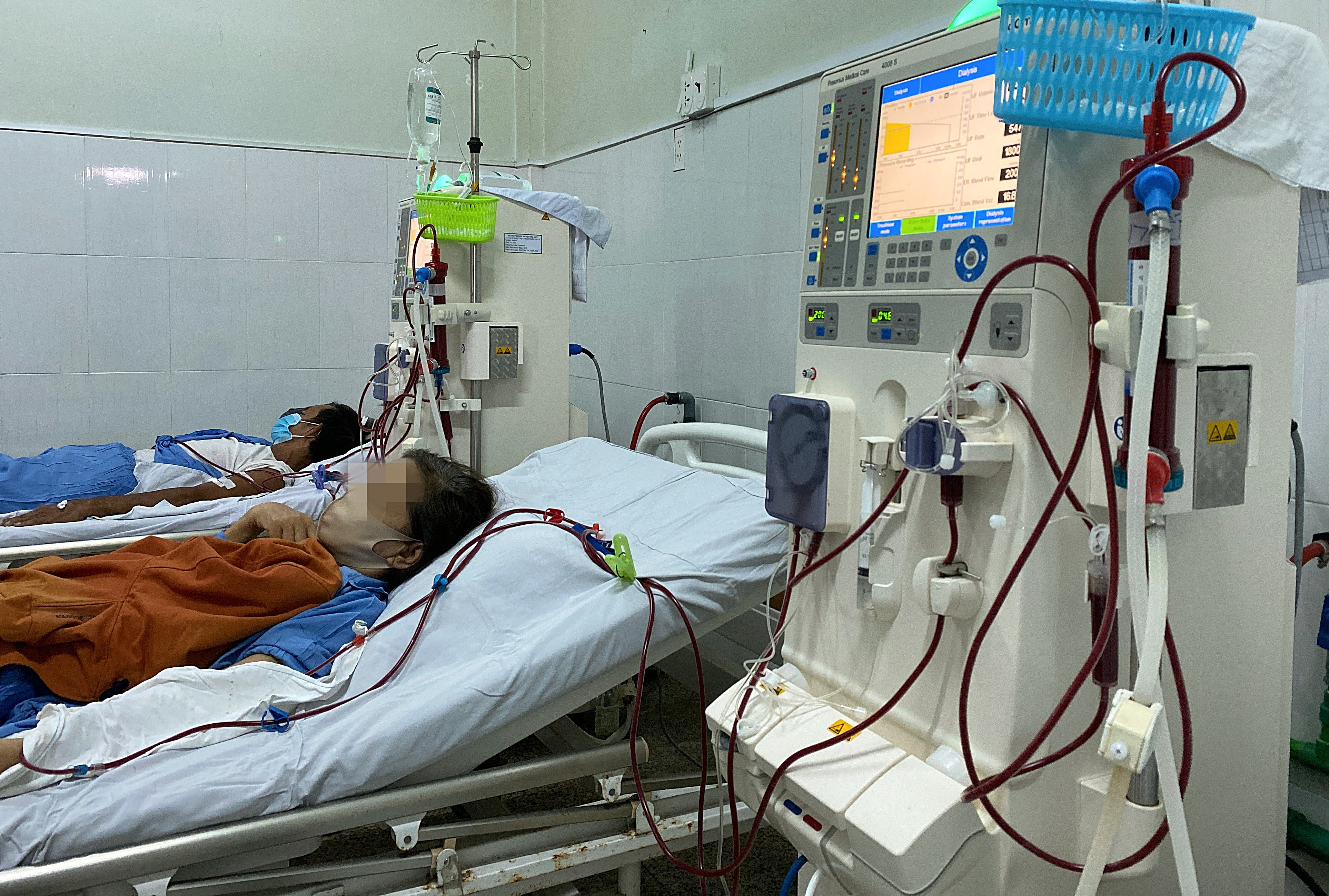
Patients with chronic kidney disease are treated with periodic hemodialysis (Illustrative image: NP).
To proactively prevent and control kidney failure, doctors at Bai Chay Hospital (Quang Ninh) advise people to:
Drink enough water.
Water plays a vital role in the body, and this is especially important for those with kidney problems. Doctors advise that people with kidney disease should not drink too much or too little water. Drinking too much water puts pressure on the kidneys, while drinking too little increases the risk of kidney toxicity because the kidneys will not have enough water to pump out waste and toxins.
Therefore, just drink an adequate amount of water each day. The body needs 2-2.5 liters of water daily, depending on overall health, gender, body weight, and activity level. Those who play sports and sweat a lot need to drink more water.
To ensure adequate hydration, it's important to avoid drinking large amounts of water at once. Instead, sip small amounts to allow the cells to absorb the water effectively. Drinking warm water can help reduce the risk of respiratory illnesses, increase bowel motility, support digestion, and improve blood circulation.
At the same time, don't wait until you're thirsty to drink, because even when you're not thirsty, your body can still lose a necessary amount of water that needs to be replenished immediately.
Besides drinking plain water, we can supplement our intake with some fresh fruit juices such as watermelon, apple, and strawberry juice, which are rich in vitamins and minerals that are very good for the kidneys. In particular, avoid sugary carbonated drinks, as the sugar and phosphorus in these drinks promote calcium excretion, increasing pressure on the kidneys and making kidney stones more likely.
People who have had kidney stones should drink a little more water to help prevent future stone formation.
Regular, moderate exercise
Exercise is not only essential for healthy individuals, but it's also crucial for people with kidney disease to maintain physical activity.
Regular exercise helps strengthen muscles, boost the immune system, and improve blood circulation. It also helps stabilize blood pressure, reduce blood lipids (cholesterol and triglycerides), and improve cardiovascular health.
These are important factors in preventing kidney damage. Therefore, these kidney-healthy habits should be maintained regularly.
However, those with weak kidneys need to pay attention to the type of exercise, exercise time, intensity, and duration. For this group, gentle exercises such as walking, swimming, cycling, yoga, and aerobics are recommended. Beginners should start slowly, gradually increasing the duration, aiming for 30-45 minutes per day, at least 3 days a week.
Depending on each person's health, the intensity of exercise should vary; we should exercise according to our own strength. If we feel tired, short of breath, have a rapid heartbeat, stomach pain, etc., we should stop immediately.
Maintain a healthy weight.
Being overweight or obese significantly impacts health, increasing the risk of several health conditions such as diabetes, cardiovascular disease, and high blood pressure, which can damage the kidneys. Therefore, it is essential to monitor and maintain a healthy body mass index (BMI).
BMI is a body mass index used to measure body fat. For adults, BMI is calculated by dividing weight by the square of height. A normal body mass index ranges from 18.6 to 24.9. If it exceeds 25, the person is considered overweight or obese. Therefore, maintaining a healthy diet and exercise regimen is necessary to achieve a suitable weight.
Blood sugar control
People with diabetes or at risk of high blood sugar are particularly vulnerable to kidney damage. When the body's cells can no longer utilize all the sugar in the blood, the kidneys are forced to work harder to filter the blood. Over time, this can be life-threatening.
However, controlling blood sugar levels can reduce the risk of kidney damage. Besides exercise and a healthy diet, regular check-ups are also necessary. Early detection allows doctors to reduce or prevent kidney damage.
Monitor blood pressure
High blood pressure is a contributing factor that can lead to health problems such as diabetes, cardiovascular disease, or high cholesterol, causing kidney damage. When blood pressure is high, it thickens the walls of blood vessels and narrows the lumen of the blood vessels.
The blood filtration process becomes more difficult, waste products from the body accumulate in the blood, and over time this will harm the kidneys. Normal blood pressure is 120/80 mmHg.
A blood pressure reading above 140/90 indicates high blood pressure. If this occurs, patients should consult a doctor and monitor their blood pressure regularly, make lifestyle changes, and possibly take medication. Prolonged high blood pressure increases pressure on the glomeruli, causing the kidneys to work harder and potentially leading to kidney failure.
Limit your alcohol consumption and quit smoking.
These two factors have a significant impact on overall health, including kidney health. If you regularly drink too much alcohol, the blood alcohol concentration increases, and the kidneys work overtime to eliminate all the toxins. This can lead to acute or chronic kidney inflammation. At the same time, excessive alcohol consumption increases blood pressure, a common cause of kidney disease.
Be cautious when using over-the-counter medications.
Regular use of over-the-counter (OTC) pain relievers, nonsteroidal anti-inflammatory drugs including ibuprofen and naproxen, can harm the kidneys if used frequently.
Therefore, we need to be careful and cautious when using these medications. Ideally, when using these medications daily, you should consult a doctor.
In addition to painkillers, other medications should also be taken exactly as prescribed and directed by a doctor.
Kidney function test
If you are at high risk for kidney damage or already have kidney disease, you should have your kidney function checked regularly.
The following items require regular inspection:
- People over 60 years old.
- People who are born underweight.
- People with cardiovascular disease, hypertension, or diabetes.
- Individuals with a family history of hypertension, diabetes, or chronic kidney disease requiring dialysis or kidney transplantation.
- Obese people.
- People with kidney abnormalities.