
Tests that every woman absolutely must have done.
Regular health checkups and medical examinations are key to preventing premature death or even expensive treatments.
The earlier symptoms are detected, the sooner treatment can begin, and this is often associated with better long-term outcomes and a higher quality of life.
It's true that scheduling appointments can be complicated, time-consuming, and potentially unpleasant. But that doesn't mean you should avoid them. Here are 19 types of examinations you should have on your calendar.
|

Pap smear and pelvic examination
Women aged 21 and older should schedule an appointment with a gynecologist for a cervical examination and Pap test. Depending on age and cervical cytology test results, your doctor will recommend follow-up examinations annually, every two years, or every three years.
Mammography
Women in their twenties should have a clinical breast examination every few years (in addition to monthly self-examinations). At age 40 or 50, depending on their doctor's recommendation, women should have their first mammogram. After that, mammograms should be performed annually or biennially as recommended by their doctor to screen for early signs of breast cancer.
Dental examination
Find a good dentist through a friend's recommendation and get checkups twice a year, just like you would for your children, or as you did when you were a child. Get treatment for anything covered by insurance, and always maintain good oral health.
|

Vision test
We spend so much time in front of screens, big and small, and our eyesight will pay the price for it all. Annual eye exams are a fundamental part of overall health care.
You will not only learn the reasons why you frequently experience headaches, but you can also get a basic screening for retinal health, an opportunity for early detection of glaucoma, and also receive more information than you might expect about the harmful effects of screens and the need to block out the eye-damaging light they emit.
Dermatological examination
Regardless of your skin type, you should regularly check your skin at home and note any suspicious moles, blemishes, or spots to a dermatologist (they won't laugh if there's nothing wrong). You should also check with a dermatologist if you notice sudden hair loss. This could be a sign of a larger health problem.
Foot examination
Years of proudly wearing high heels in youth can leave behind a less-than-perfect, older version of the foot. Pregnancy, weight gain in middle age, and other factors also contribute to changes in the shape of our feet.
Regular visits to a podiatrist can help detect potential problems. They can offer therapies (and advice) to slow or prevent foot deterioration. They will also tell you what that bruise under your toenail is—it's actually a type of fungus (and how to treat it).
|
Physical examination
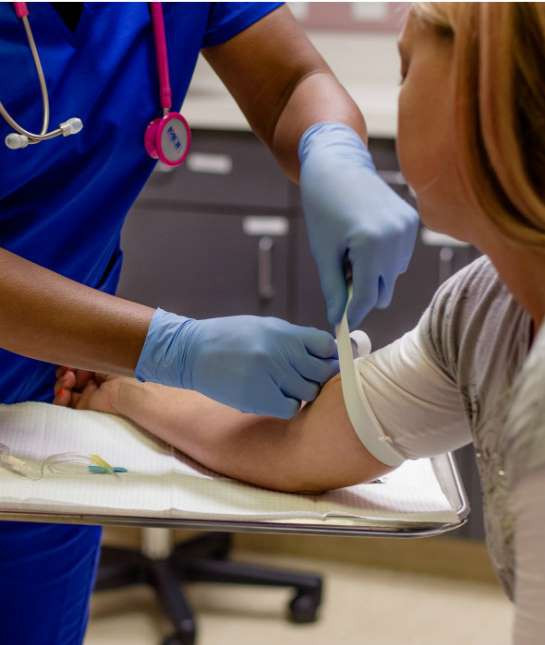
Regardless of age, women should have regular health checkups with their doctor. These initial appointments will be the starting point for a health assessment – blood pressure, height and weight, past illnesses, current concerns – and may be the first step in treating or clarifying symptoms that might otherwise go unnoticed at future checkups. Once you reach your 20s, you should have a health checkup once a year.
Blood test
Blood reveals a great deal about your health and can indicate signs of health abnormalities. Regular blood tests help monitor cardiovascular risk factors, blood sugar levels, liver and kidney function, immune system health, and hormonal balance. Blood tests also allow doctors to know about iron levels, whether you have electrolyte imbalances, and your red blood cell count.
Hearing test
Hearing declines gradually with age, and for some people, it happens sooner than they realize. Rule out other potential causes of hearing loss by getting regular checkups. Early detection can slow the progression and reduce the frustration of no longer being able to hear others whispering in the room.
Bone density test
Women 65 years of age and older should have regular bone density checks. Younger women with any risk factors for osteoporosis, such as a small bone structure or frequent fractures, should talk to their doctor about this test.
Gastrointestinal examination
If you're over 50, you should schedule an appointment with a gastroenterologist for a colonoscopy (in the form of a colonoscopy). While uncomfortable, this could save your life. You should also see a gastroenterologist if you're experiencing any problems with bowel function, suspiciously dark stools, rectal bleeding, or even heartburn and acid reflux. They've seen it all, so don't be afraid.
|
Ear, Nose, and Throat Examination
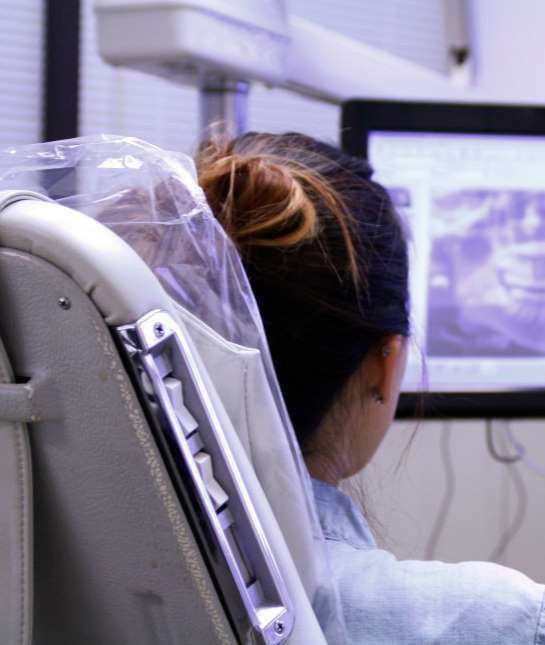
If you experience any recurring problems in your ears, nose, or throat—or if you have tinnitus or dizziness—see an ENT doctor. Ear infections in adults can be serious and require prompt diagnosis and treatment.
See a psychologist or family therapist.
Life is unpredictable, relationships can be difficult, and sometimes we know something is wrong but don't know exactly what it is. In times like these, even if it's not a crisis, talking to a professional can be helpful and healthy. A licensed therapist, medical doctor, or family therapist can help categorize problems, suggest therapies, and guide practices to change your actions or thinking.
Allergy check-up
Seasonal allergies are common, but if you experience frequent sinus infections, difficulty breathing, or excessive sneezing, nasal congestion, and itching, it's time to see an allergist. Common abdominal disturbances can also be a sign of allergies and should be diagnosed.
Career counselor
Women, like men, reap enormous benefits from their work, often far exceeding the monetary value. But when faced with unseen obstacles, seeking the help of a career counselor can be a great way to find the right path forward, or whether to stay in the current situation.
Just as doctors understand how physical symptoms relate to larger health problems, career counselors will identify underutilized skills and know of larger jobs where you can apply them.
Sleep check
Our sleep patterns change with age, but sometimes life (along with hormones and mental states) doesn't adapt to these changes. If you're having trouble sleeping at night, frequently waking up or getting up too early, or are unable to fall asleep at night, see a sleep specialist. You may have to spend a night at the clinic, but they'll be able to tell you whether your sleep problem is physical, mental, or both.
Genetic testing
Older women who think they are pregnant but are worried about their health or the health of their child should see a genetic counselor. Often, these trained specialists, such as fertility doctors or obstetricians/gynecologists, will explain the numbers and help you understand the results of the various screening tests you might have done if you are pregnant.
|

Fitness trainer
We all know exercise is good, both mentally and physically. A fitness trainer can help you find the type of workout you enjoy and a training regimen that delivers the changes you want. Get advice from friends, find a qualified trainer, and clearly state what you want: muscle gain, weight loss, increased endurance, or greater flexibility. Meet with them regularly until you've established a workout routine, and then check in periodically to make the regimen more enjoyable or advanced.
Nutrition examination
Food is medicine, but only if you eat the right kind. Sometimes it's hard to know what's good and what's not. A trained nutritionist will know which nutrients are essential and where best to get them. Take advice from friends, decide where you think changes are needed, and start eating your way to better health.


