
Trump's efforts to end the Ukraine conflict have raised concerns about a deal that could be detrimental to Europe?
Regardless of how President Donald Trump's latest efforts to end the conflict in Ukraine unfold, Europe is concerned that a deal will not put pressure on or weaken Russia as regional leaders have hoped.
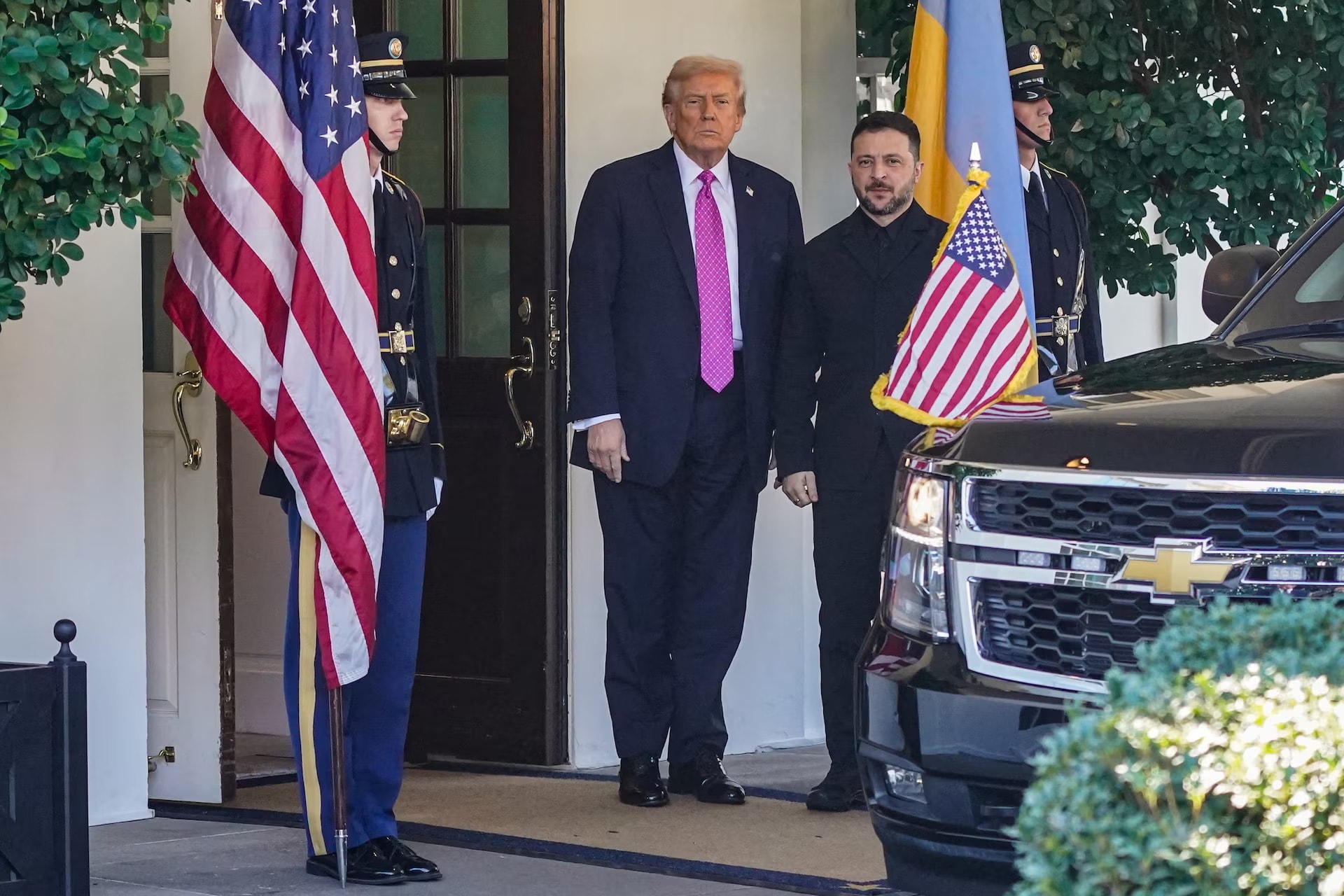
Europe may even have to accept the reality of the growing economic partnership between Washington and Moscow.
Although Ukraine and European countries have attempted to refute some of the elements of the US 28-point plan to end the fighting, which is seen as heavily biased in favor of Russia, any agreement is viewed by Europe as potentially posing significant risks to the continent.
However, Europe's ability to influence the agreement is limited, especially since it lacks the "hard power" to impose the terms.
Europe had no representatives at the talks between US and Ukrainian officials in Florida last weekend, and will only be able to observe remotely when US Special Envoy Steve Witkoff meets with Russian President Vladimir Putin on December 2nd.
"I have a feeling that the perception of an 'unfavorable deal' at some point is gradually emerging," said Luuk van Middelaar, founding director of the Brussels Institute of Geopolitics.
"Mr. Trump clearly wants a deal. What makes Europeans very uncomfortable... is that he wants a deal based on great power logic: 'We are America, they are Russia, we are great powers'."
An attempt to reassure from the US Secretary of State.
US Secretary of State Marco Rubio affirmed that Europe would be involved in discussions about the roles of NATO and the European Union (EU) in any peaceful solution.
Nevertheless, European diplomats were not entirely reassured by those reassurances. They believed that almost every aspect of the agreement would affect Europe, from potential territorial concessions to US-Russia economic cooperation.
The latest initiative has also raised concerns in Europe about the US commitment to NATO, from the nuclear umbrella and weapons systems to the tens of thousands of troops stationed there.
German Defense Minister Boris Pistorius said last week that Europeans no longer know "which alliances we can rely on in the future and which alliances will be sustainable."
Despite previous criticisms of NATO, Trump reaffirmed his commitment to the alliance and its collective defense clause (Article 5) in June, in exchange for increased defense spending by Europe.
However, Rubio's expected absence from the NATO foreign ministers' meeting in Brussels this week could further fuel European unease, amid Western concerns that an eastern member of the alliance could be Moscow's next target.
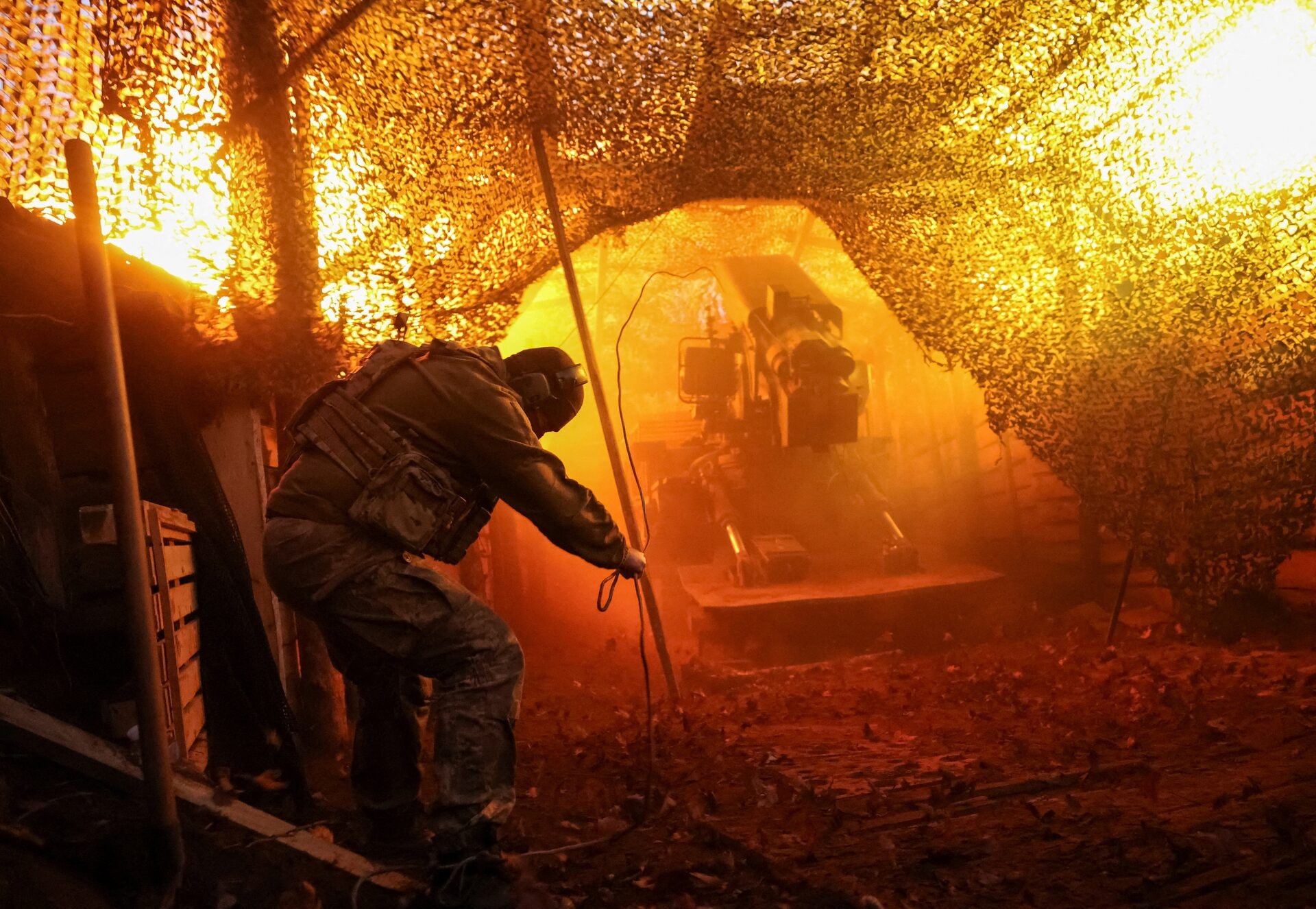
Concerns about territorial concessions.
European officials say they have seen no indication that President Putin wants to end the military campaign in Ukraine.
Currently, it appears that any peace agreement would allow Moscow to at least retain control of the Ukrainian territories it already holds.
The Trump administration has also not completely rejected Russia's demands for the rest of the Donbass region.
Furthermore, Trump and other U.S. officials have made it clear that they see significant business opportunities with Moscow once the conflict ends.
European officials fear that ending Russia's isolation from the Western economy would provide Moscow with billions of dollars to rebuild its military.
Europe struggles to find its voice.
European leaders are struggling to exert a strong influence on any peaceful solution, despite the continent having provided Ukraine with approximately 180 billion euros ($209.23 billion) in aid since Russia launched its military operation in February 2022.
The EU holds a potentially significant bargaining chip in the form of Russian assets frozen within the bloc. However, EU leaders have so far failed to reach a consensus on a proposal to use these assets to finance a €140 billion loan to help Ukraine maintain operations and fight for the next two years.
To demonstrate its ability to use "hard power," a "coalition of ready countries" led by France and Britain has pledged to deploy a "reassurance force" as part of post-war security guarantees for Ukraine.
Russia has denied the existence of this force. But even if deployed, it would be modest in size, intended to bolster Kyiv's forces rather than defend Ukraine itself, and it could only operate effectively with US support.
"Europeans are now paying the price for not investing in military capabilities in recent years," said Claudia Major, senior vice president for transatlantic security at the German Marshall Fund (GMF).
"The Europeans are not at the negotiating table. Because, to quote Mr. Trump, they don't have the cards in their hand," she said, recalling the US President's remarks about Ukrainian President Volodymyr Zelensky in February.


