
The suffering caused by Agent Orange and our responsibility.
Nghe An is one of the three provinces with the highest number of Agent Orange victims in the country. Stories of sacrifice, suffering, and resilience continue to be written every day.
The children can't grow up.
In a small house in Hamlet 3, Hung Nguyen Commune, Mr. Nguyen Xuan Thanh – a veteran who fought in the Tri-Thien battlefield – still cares for his three children suffering from cerebral palsy. He enlisted in 1967, enduring years of fierce fighting and living under forests heavily contaminated with herbicides. Upon his return, he hoped to live a peaceful life. But his three children, born between 1980 and 1985, all suffer from cerebral palsy. “Sometimes, I wake up to hear my children making sounds during seizures, and all I can do is cry. I was a soldier, I survived bombs and bullets, but I couldn’t save my own children from an invisible poison,” Mr. Thanh said.
The pain has continued to torment the family of Mr. Nguyen Khanh Nha in Thanh Vinh ward over the years, as his youngest son, Nguyen Khanh Son, now over 42 years old, can only utter incoherent sounds and is unable to care for himself, despite his tall stature and handsome face.
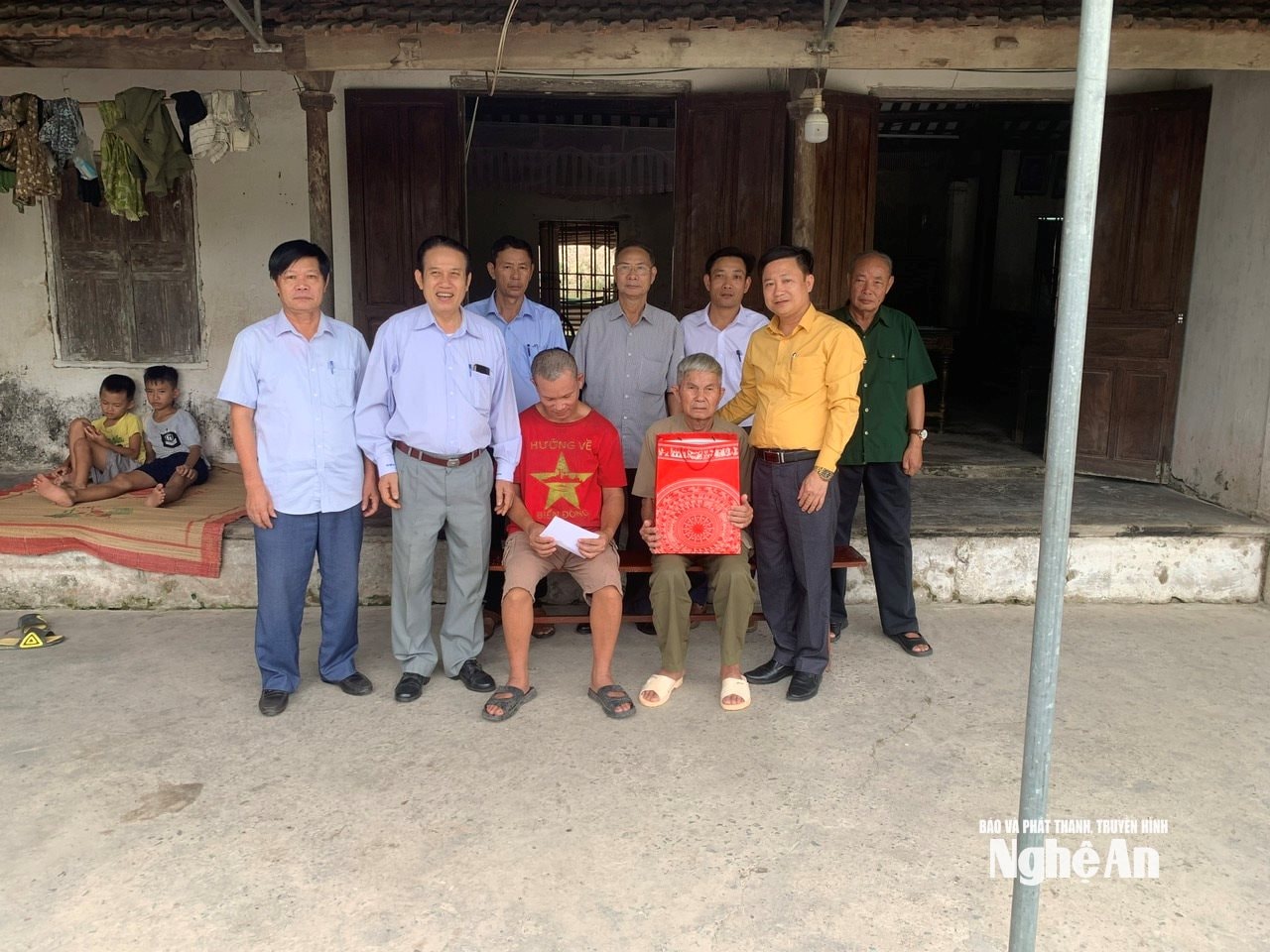
Son is often chained to a corner of the house because he cannot control his behavior; every day his parents have to look after him, feeding him spoonfuls of rice and cups of water. For the past two years, Son has suffered a stroke and can no longer stand or walk. His father, Nguyen Khanh Nha, also recently suffered a stroke, so all the care for Son falls on his elderly mother's shoulders. Mr. Nha said: "From 1972-1974, while fighting in Quang Tri and then marching south, unfortunately, that was the time when the US sprayed Agent Orange/dioxin. I and many comrades were exposed to the chemical toxins, leaving severe consequences for future generations."
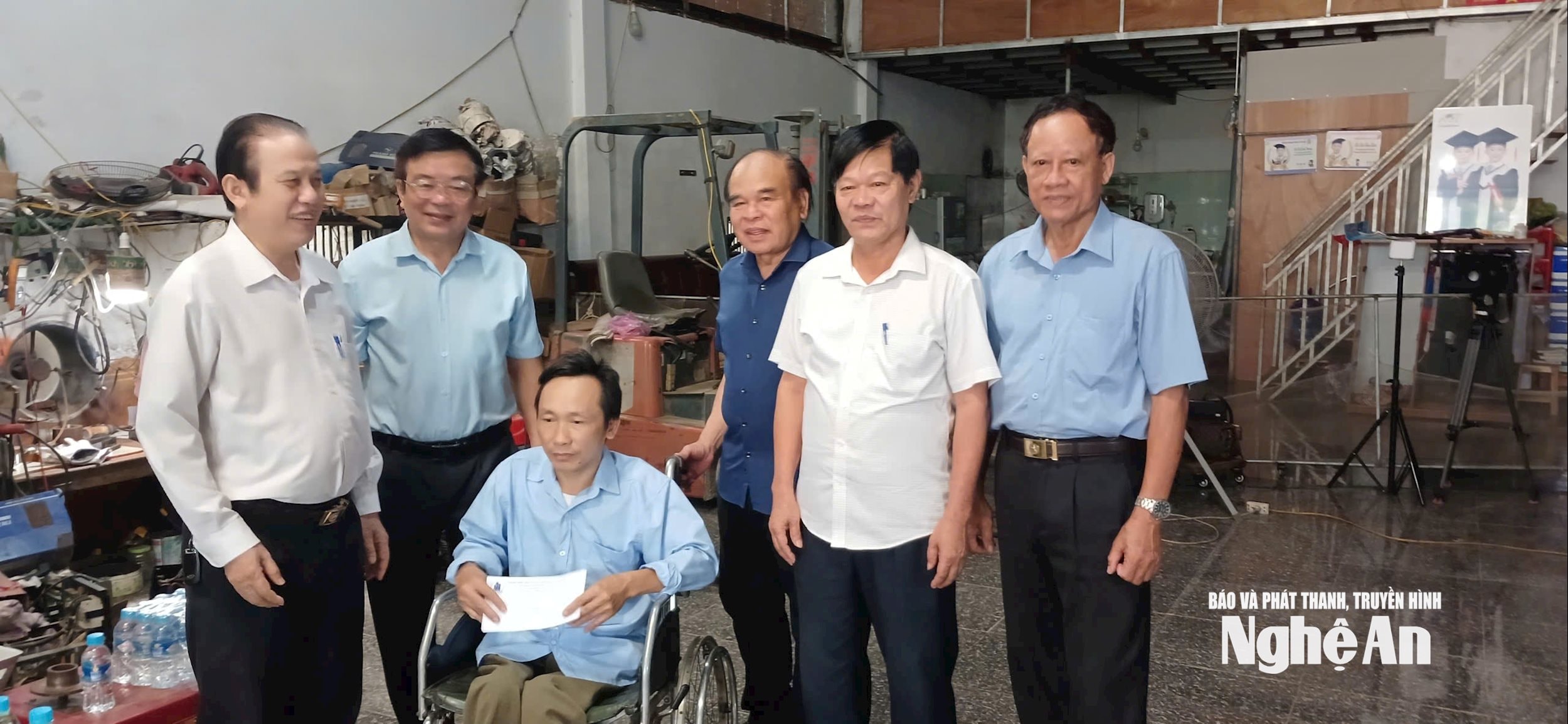
The agonizing pain of Agent Orange has tormented the lives of many soldiers returning from the brutal battlefields. Mr. Phan Van Minh in Hai Chau commune had four children, two of whom died from cerebral palsy, leaving two grandchildren barely alive. Mr. Pham Ba Canh in Yen Trung commune has been raising three children with complete paralysis for decades. These children, now over 30, are like three-year-olds. They cannot speak, walk, feed themselves, or even take care of their most basic needs. A heartbreaking image often seen in families with Agent Orange victims is that of children and grandchildren chained up to prevent them from destroying things. Beside the bed, elderly parents, with failing eyesight and weak health, struggle to feed their children spoonfuls of porridge and water, spending sleepless nights with tears of helplessness.
According to statistics from the Nghe An Provincial Association of Victims of Agent Orange/Dioxin, more than 30,000 people in the province have been exposed to the substance. To date, 12,998 people are receiving benefits, including 8,594 direct victims and over 4,394 indirect victims (children and grandchildren of those affected). Many families have up to 3-4 generations affected. Besides physical illnesses, many also experience psychological crises, despair, low self-esteem, and live in isolation from the community.
More specific and sustainable policies are needed.
Faced with such immense losses, the Association of Victims of Agent Orange/Dioxin in Nghe An province was established in 2008 and has since expanded to 130 communes and wards, with nearly 14,000 members.
In just the first six months of 2025, the various levels of the Association mobilized over 3.42 billion VND, including: supporting house repairs for 11 cases with a budget of 220 million VND; giving Tet gifts to 2,606 cases with 1.16 billion VND; supporting livelihoods for 61 households with 348 million VND; awarding scholarships and savings accounts to 10 students; donating wheelchairs and mobility aids to 31 people with disabilities; supporting medical examinations and emergency visits for over 2,500 cases with over 1.1 billion VND...
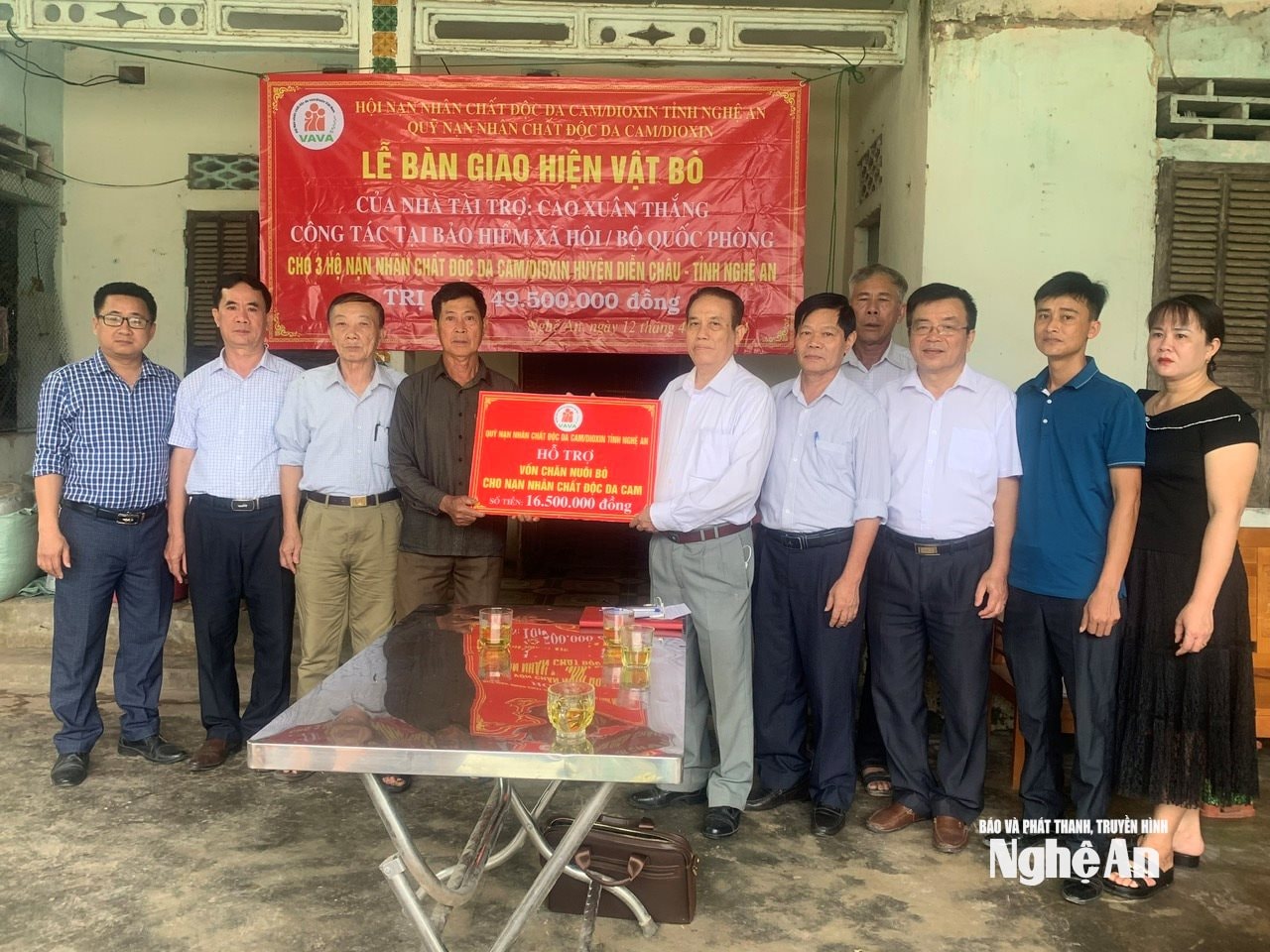
Each gift given is not just material, but also represents the warmth of human kindness. There are newly built houses, wheelchairs helping patients escape the darkness of their rooms. Many families receive support in the form of breeding cattle, seedlings, and production capital to restart their lives.
The case of Mr. Nguyen Van Duc in Tan Chau commune is a prime example. He himself was affected by Agent Orange, resulting in deformed limbs; his son also has a disability. But thanks to a preferential loan, he has built a model of raising chickens and cattle, becoming a well-off household and creating jobs for people in the village. "I don't want to live on pity. I want to do something myself so that my son not only lives but also has hope," Mr. Duc said.
The story of Mr. Le Ba Thanh in Vinh Loc ward – the owner of an agricultural machinery manufacturing facility in the area – has also inspired many others in similar situations. He accessed loan support from the Policy Bank and the local government facilitated land leases, allowing him to gradually build a fairly spacious production facility. His workshop currently generates an annual income of over 300 million VND; creating jobs for 7-10 workers, including people with disabilities, with each person earning 7-9 million VND per month.
However, there are still not many examples of Agent Orange victims successfully overcoming adversity. To date, most Agent Orange victims in Nghe An still live on a monthly allowance of 900,000 - 1,200,000 VND per person, barely enough to cover meals, let alone medicine and hospital fees. Currently, there are more than 350 Agent Orange victims in the province who are in extremely difficult circumstances, many of whom are paralyzed and require round-the-clock care. This situation highlights the urgent need for a specialized center for the care and rehabilitation of severely affected Agent Orange victims. However, despite numerous proposals, Nghe An has yet to receive approval to build such a center, while neighboring provinces such as Ha Tinh, Quang Binh, and Quang Tri already have them.
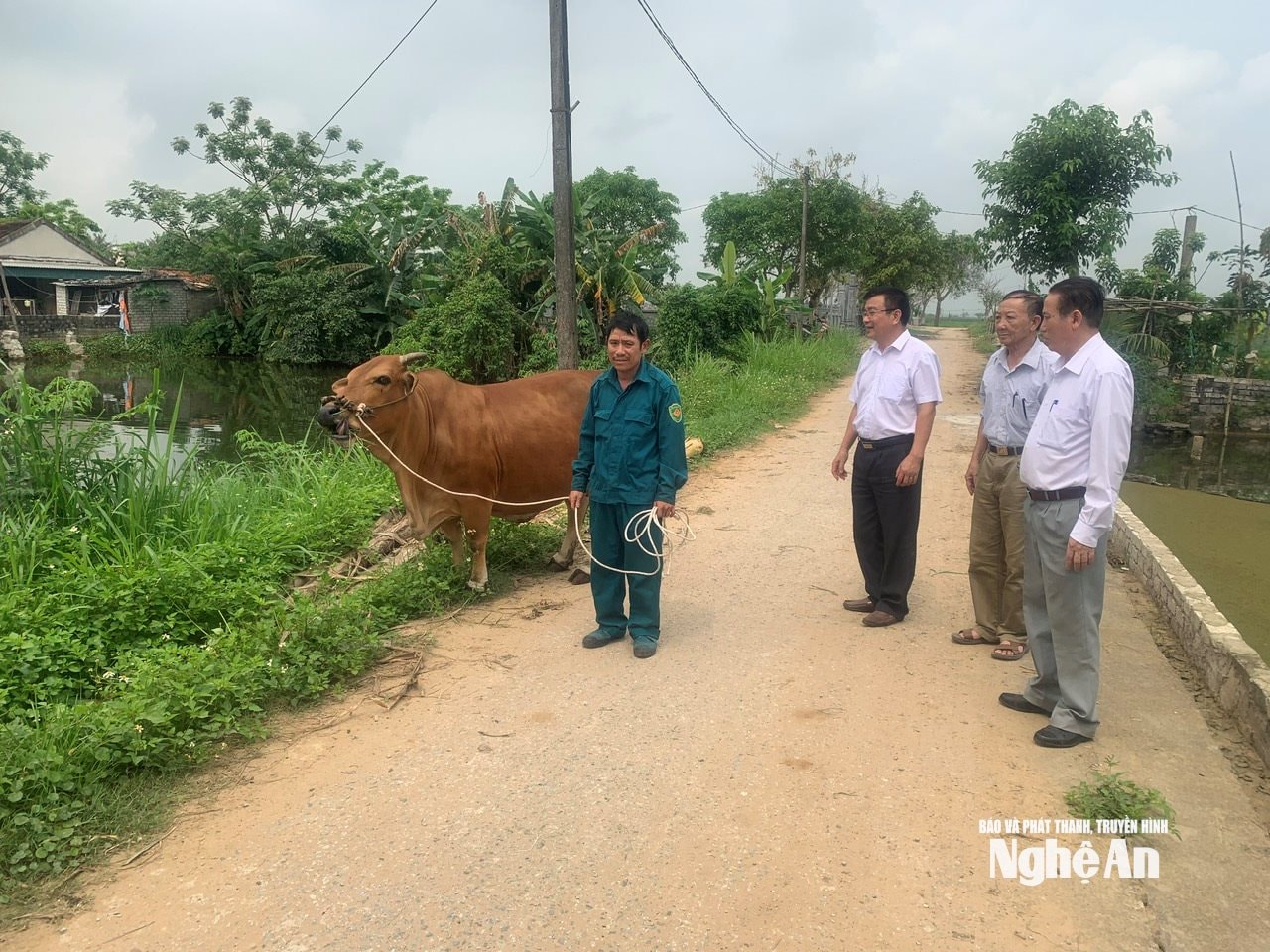
“Not everyone has healthy relatives to take care of them. When their parents pass away, who will the children live with, and where will they live? We only hope for a center, even a small one, where these children will have a place to live,” shared Mr. Hoang Dang Hoe, Chairman of the Association of Victims of Agent Orange/Dioxin in Nghe An province.
Mr. Hoè also stated that, along with direct support, the Association is coordinating the implementation of the 2025 Action Month for Victims of Agent Orange, organizing many activities to raise awareness, mobilize funds, donate gifts, and call for the participation of the entire society. In the future, the Association will continue to advise on the construction of the Agent Orange Victim Care Center in Nghe An province; build a database system on victims and families in need of support; and continue to mobilize businesses, social organizations, and individuals to contribute to the Agent Orange Victims Fund...
Sixty-four years after the Agent Orange disaster in Vietnam, the consequences continue. It's not just physical deformities; it also leaves behind emotional trauma, feelings of inferiority, and self-doubt that persist from generation to generation. In light of this reality, beyond macro-level policies, what's needed more than ever is concrete, sustainable solutions. This includes building centers for nurturing and vocational training, providing special care, increasing subsidies, and promoting social mobilization for Agent Orange victims' funds. More importantly, it requires understanding and support from the community—not just words of encouragement during a single "month of action," but sustained sharing throughout the long journey of those still bearing the lingering pain of the war.


