
The pain of being forgotten
Don't let forgetfulness become a silent "scythe" in modern life. Because the safety of children doesn't lie in complacency or overconfidence, but in the vigilance and strict discipline of each adult every moment.
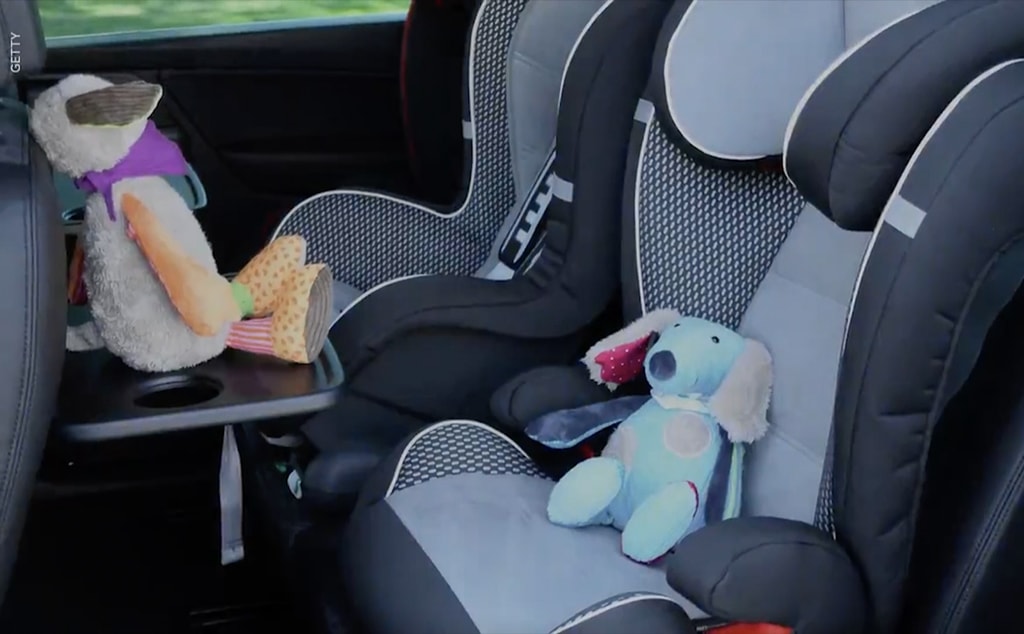
A two-year-old girl died, allegedly after being left in a car by her father for hours. The news has caused immense grief and sorrow. Even outsiders are deeply saddened; it's impossible to imagine the pain inflicted on her family. What pain could be more devastating than a father's remorse?
We are not in his shoes to know what was going through his mind on that fateful morning. Perhaps it was the pressures of making a living, a long list of tasks to be completed, or a moment of mental distraction caused by habit—his hands were still driving, but his mind was already drifting to a meeting or a project.
This heartbreaking incident is not unique. Looking back at history, we were shocked by the case of the boy at Gateway (Hanoi) in 2019, or the incident in Thai Binh not long ago. Around the world, dozens of children die each year from being left unattended in cars. In the US, an average of about 38 children die each year from heatstroke in cars.
Scientists call this Forgotten Baby Syndrome (FBS). It's a gap in human memory where the brain operates in "autopilot" mode, causing even the most loving parents to believe they've dropped their child off at school, while the child is still asleep in the back seat.
However, whether explained from a scientific or psychological perspective, the price paid for such forgetfulness is too high. It is the life of a child, the collapse of a family, and a scar that will never heal in the social consciousness.
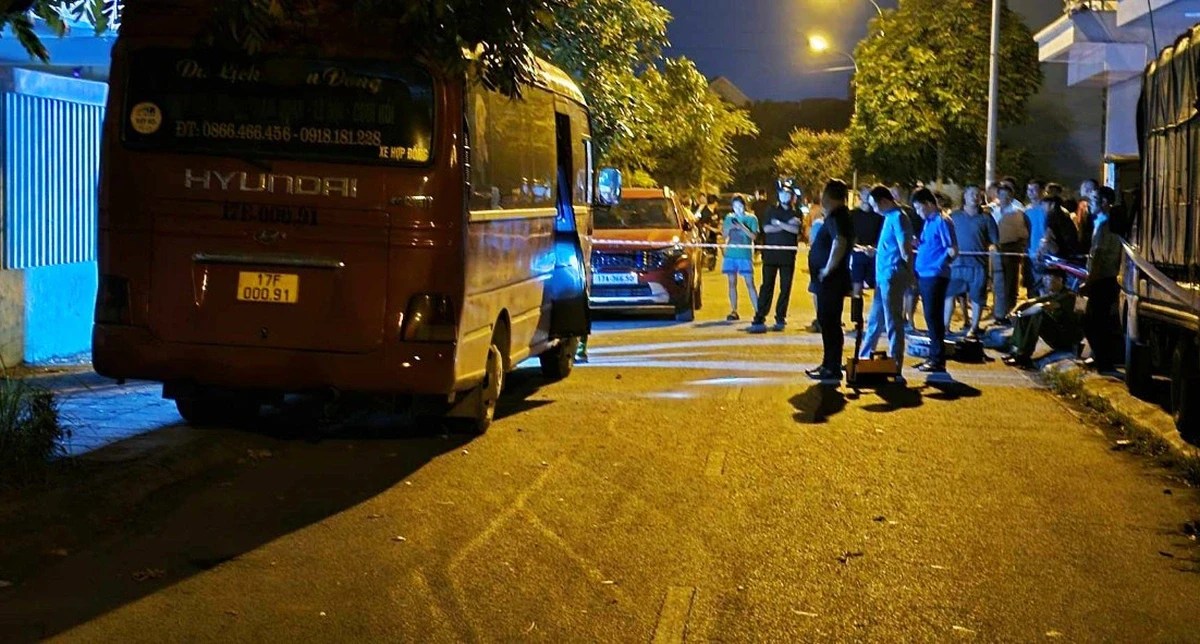
We readily gossip and judge others; we even confidently say, "That would never happen to me." However, tragedies around the world and in Vietnam show that it can happen to anyone, even the most loving parents.
To prevent death from forgetfulness, we cannot rely solely on instinct or the inherently flawed human memory. In the fast-paced world, we need anchors for safety, and above all, we need to establish survival habits. A phone, a wallet, or even a left shoe placed in the back seat next to a sleeping child can force us to turn around before getting out of the car. This is not simply a small trick, but an effort to break the dangerous state of forgetfulness and distraction in the brain, bringing the mind back to reality, to the tiny life lying right behind us.
Beyond individual efforts, the connection between family and school should not be limited to tuition payment notifications or polite greetings, but should be upgraded to a robust and rigorous monitoring network.
A "red alert" procedure needs to be established: If a child is absent for just 15-20 minutes without explanation, the school must immediately make one or more calls to confirm the child's situation with the parents. This confirmation is the final link in the chain of protection, ensuring that no child is left behind amidst the gaps of indifference or busyness.
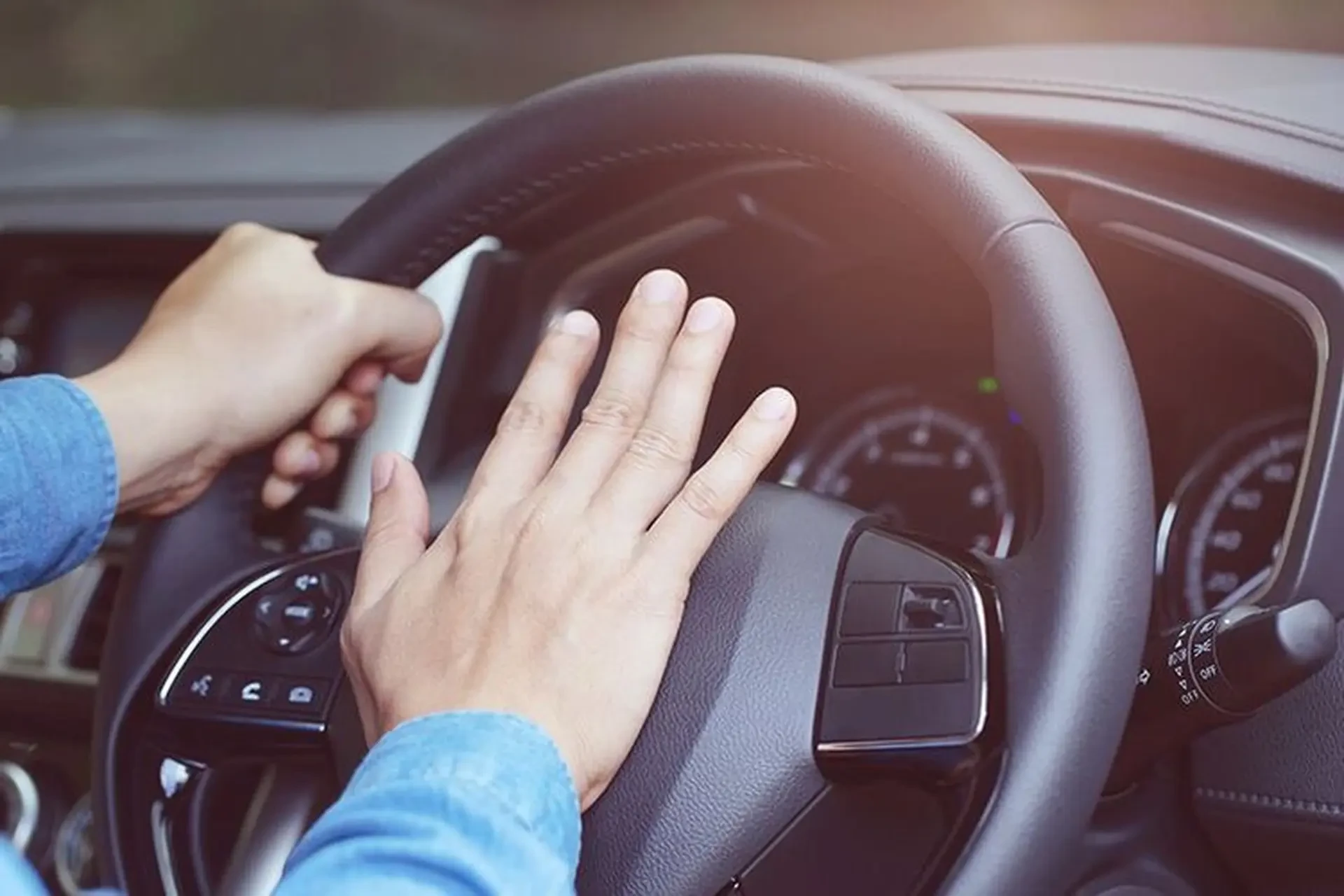
Above all, amidst the anguish of adults, we need to teach children self-rescue skills in emergency situations. Children may not know how to open a car door, but they can certainly be taught to honk the horn repeatedly to attract attention, as the car horn works even when the engine is off. This is the last "cry for help," the most fragile yet desperate hope that every parent needs to equip their child with as a survival instinct. Along with that, guide children to make the loudest noise possible by banging on the car window to seek help from outside.
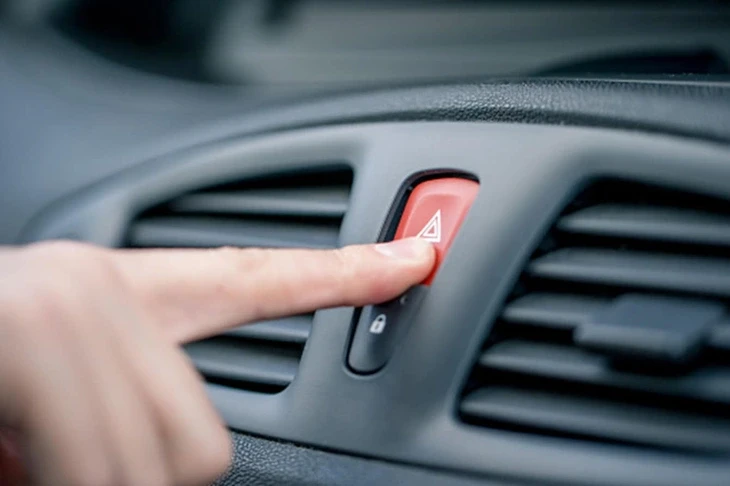
In addition to teaching children how to use the car horn as a warning signal, parents and teachers should also equip them with the skill of activating the hazard lights. Even when the car is turned off or locked from the outside, this system still operates independently and is an effective means of signaling. The distinctive button with the bright red triangle symbol on the dashboard is easy to see, allowing children to quickly locate and activate it even in a state of panic.
When the hazard lights illuminate, the flashing lights from all four corners of the vehicle signal an incident occurring inside, attracting the attention of anyone passing by. A combination of flashing the lights and honking the horn creates a synergistic visual and auditory effect, maximizing the chances of a child being rescued in dangerous situations.
Don't let forgetfulness become a silent "scythe" in modern life. Because the safety of children doesn't lie in complacency or overconfidence, but in the vigilance and strict discipline of each adult every moment. Every glance back at the rear seat, every confirmation call, every lesson about the car horn... these are the prices of life, the only way to avoid uttering the words "if only" when it's too late.


