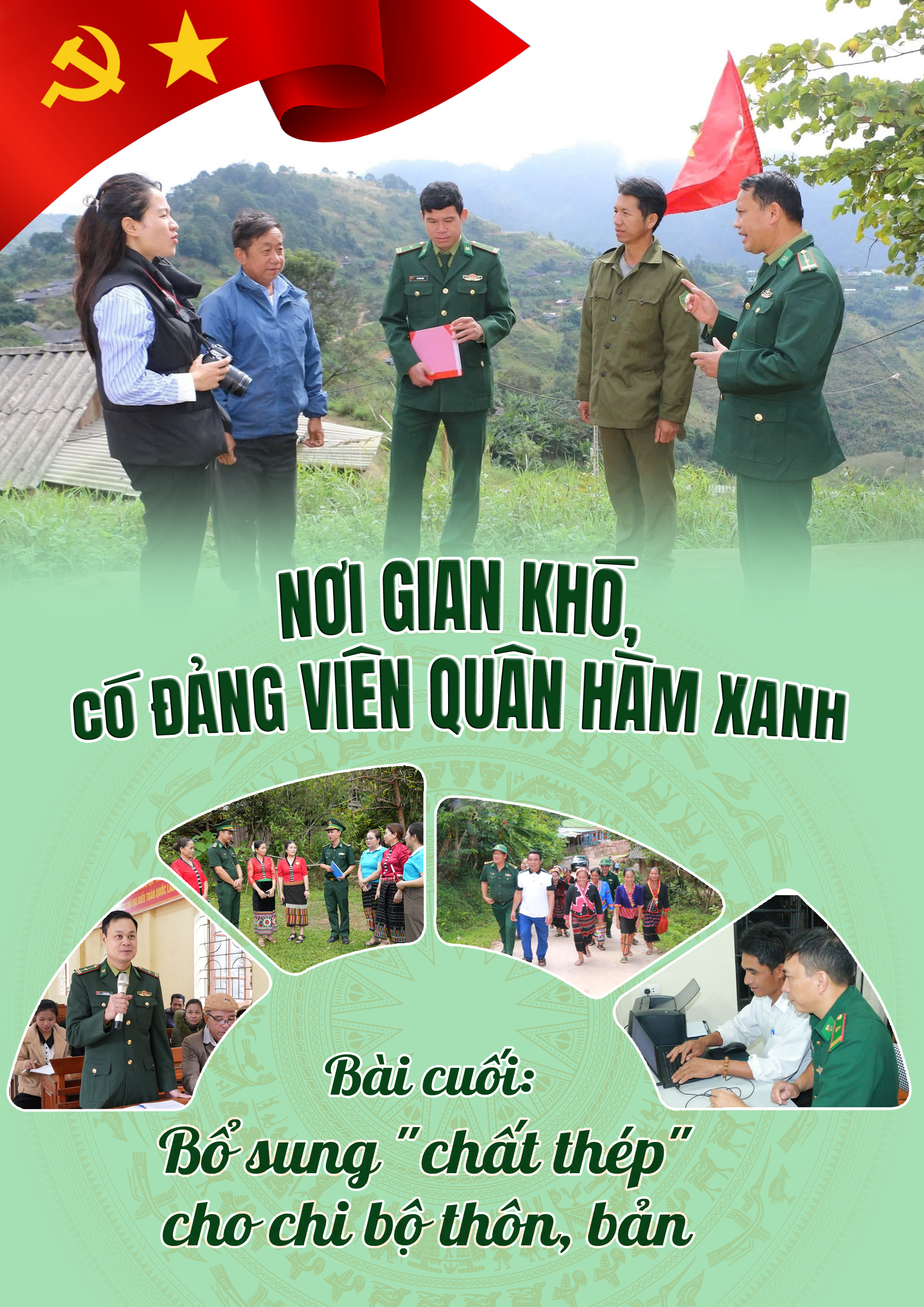
In difficult times, there are Party members in military uniforms.Final article: Adding "steel" to village and hamlet Party branches.
Along with assigning Border Guard Party members to be in charge of households in border areas, the implementation of the policy of bringing Border Guard Party members to temporarily participate in activities at difficult and unique village Party branches in Nghe An has been creating positive movements in building grassroots Party organizations...
Khanh Ly - Thanh Phuc - Hai Thuong/Present:Hong Toai• January 16, 2026
---------------o0o---------------
Along with assigning Border Guard Party members to be in charge of households in border areas, the implementation of...The policy is to have Border Guard Party members temporarily participate in activities at village Party branches. difficult versiontowels, especially inNghe An has been creating positive movementspolein building Party organizations at the grassroots level. With the motto "3 together, 4 closely following," theParty members in military uniformsThis not only contributes to enhancing the leadership capacity of village Party branches but also adds "steel" to the grassroots political system. To ensure that the Party's Resolution is deeply ingrained in daily life, creating a solid foundation for a people's border defense system right from the ground up.
.png)
In the early days of the new year, returning to Bung and Co Phat villages (Mon Son commune) - two villages of the Dan Lai ethnic group in the upper reaches of Khe Khang stream, deep within the core of Pu Mat National Park - it is easy to notice changes not only in the appearance of the villages, but also in the shift in the thinking and awareness of each villager.
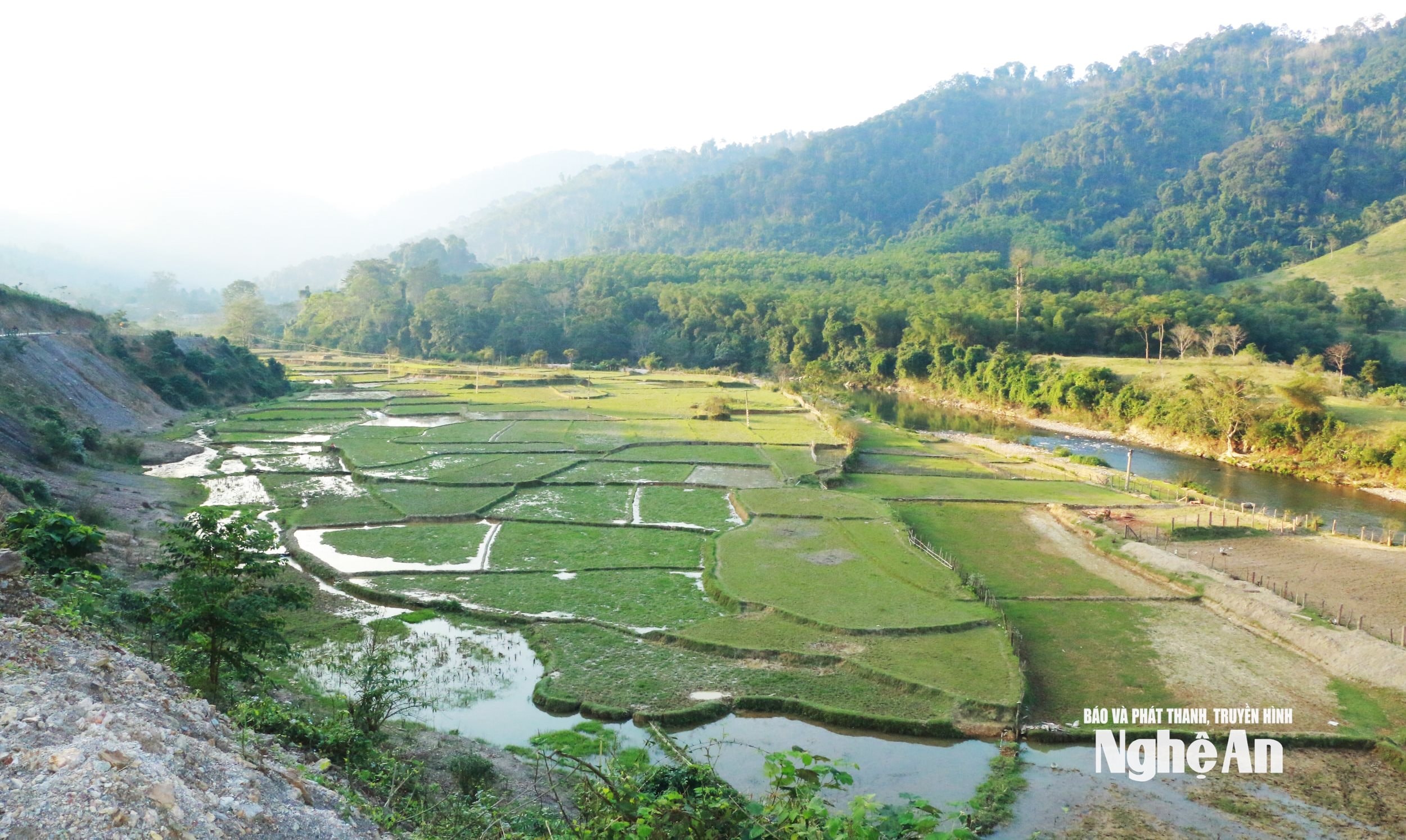
From fragmented production heavily reliant on state support, the people have now learned to proactively cultivate rice, corn, and vegetables, and raise livestock and poultry; many households have boldly purchased mini-tractors and rice milling machines to serve production. More importantly, the spirit of self-reliance and self-improvement has gradually replaced the mentality of waiting and depending on the government, which had persisted for many years in this particularly disadvantaged ethnic minority region.
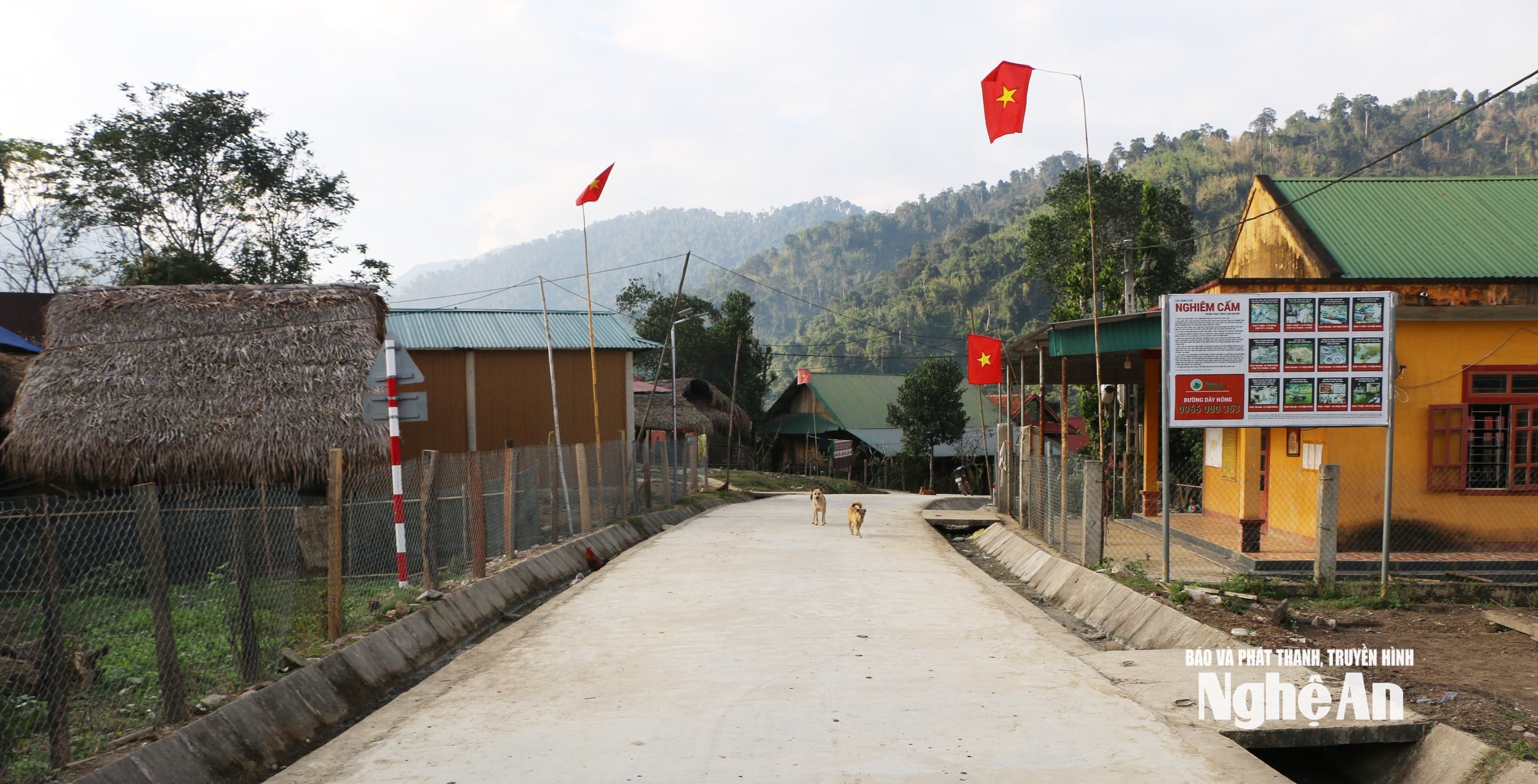
These changes stemmed from innovation in the leadership methods of the Party branch, where there was responsible collaboration from the Party committee, local government, and border guard Party members temporarily residing there.
Meeting Deputy Head of Co Phat La Van Nam at the Khe Khang Border Guard Checkpoint, he happily shared: “With Border Guard officers coming to live and work with the Party branch, everything in the village is clearer. Resolutions are issued in line with reality, and Party members set a good example, so the people trust and follow them.”
.jpg)
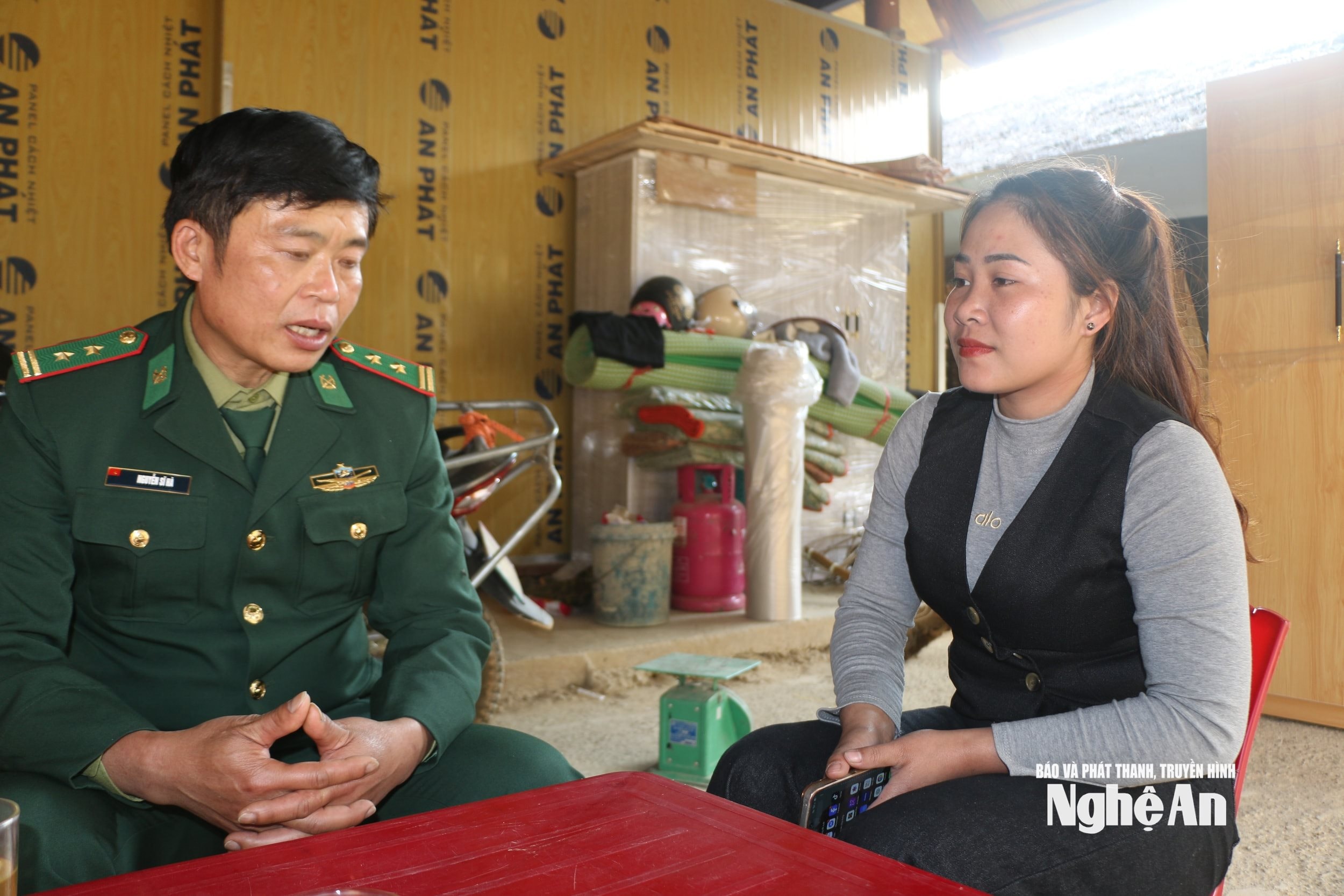
Previously, Party development work in the Co Phat village Party branch faced many difficulties. When Lieutenant Colonel Nguyen Sy Ha was assigned by the Mon Son Border Guard Post to temporarily participate in Party activities at the branch, he and the Party committee focused on doing a good job of propaganda and nurturing outstanding individuals; at the same time, he advised on assigning specific tasks to each Party member, linking the responsibility of Party members to each task and each household, creating motivation for striving.
As a result, in 2025 alone, the Co Phat village Party branch admitted 3 new Party members, bringing the total number of Party members to 14, including Ms. La Thi Pia (born in 1999), Secretary of the Youth Union and Vice-Chairwoman of the Farmers' Association - a promising "red seed" of the village.
In Bung village, the temporary membership of Border Guard Party members helps the Party branch improve the quality of its activities, maintain discipline, and promote its comprehensive leadership role. On average, the Party branch trains and admits 1-2 new Party members each year. In 2025 alone, thanks to the skillful work of Lieutenant Colonel Vo Van Quynh in mass mobilization, the Party branch admitted a female Party member, Chuong Thi Lap (born in 1977), the head of the Women's Association and the mother of Deputy Village Head Le Van Thanh.
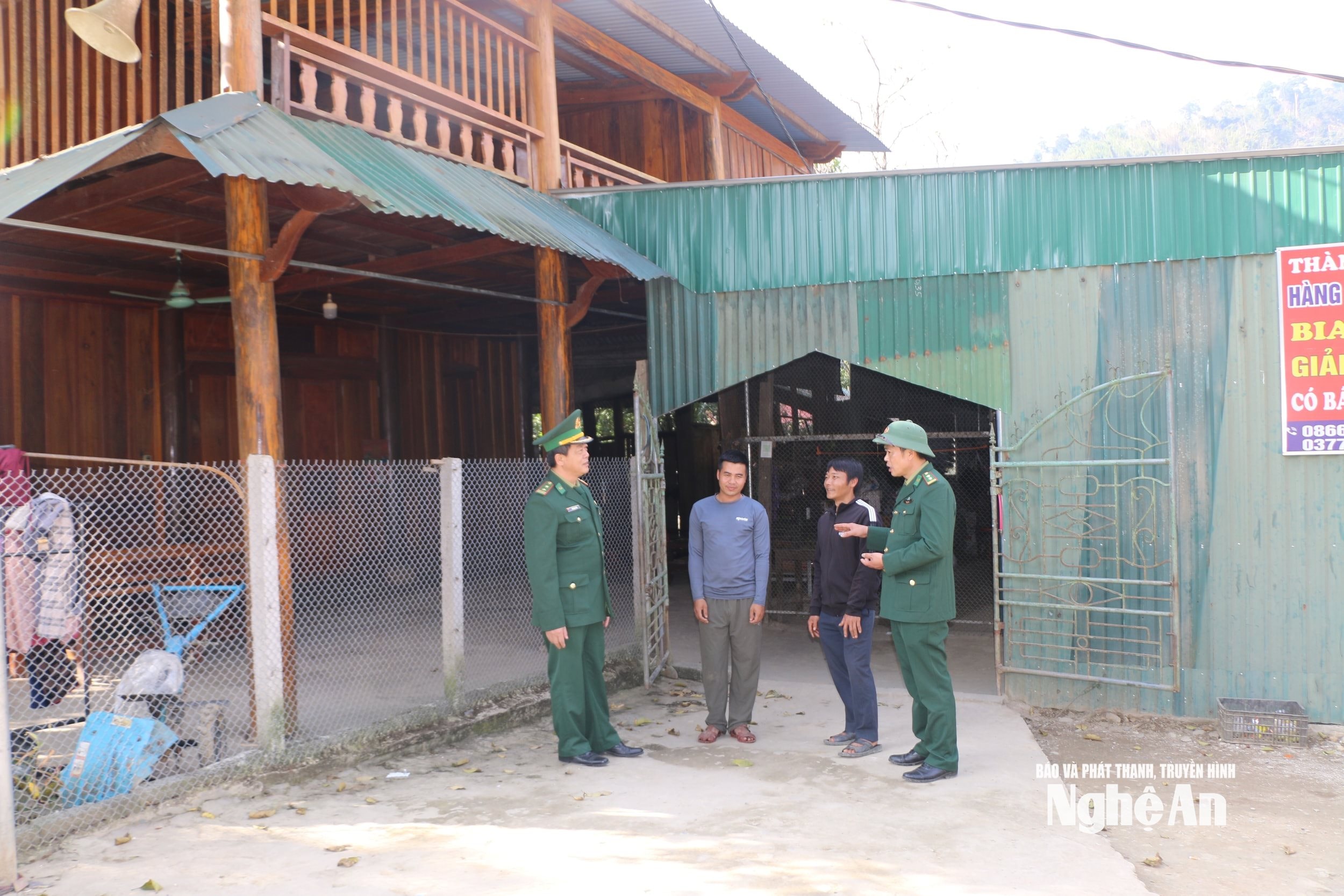
According to La Van Cang, Secretary of the Party Branch of Bung La village: “Border Guard Party members not only improve the quality of Party branch activities, but also help village officials learn more systematic and scientific working methods. Propaganda work is also given more attention, helping people better understand the role of the Party, thereby motivating them to strive to become Party members.”
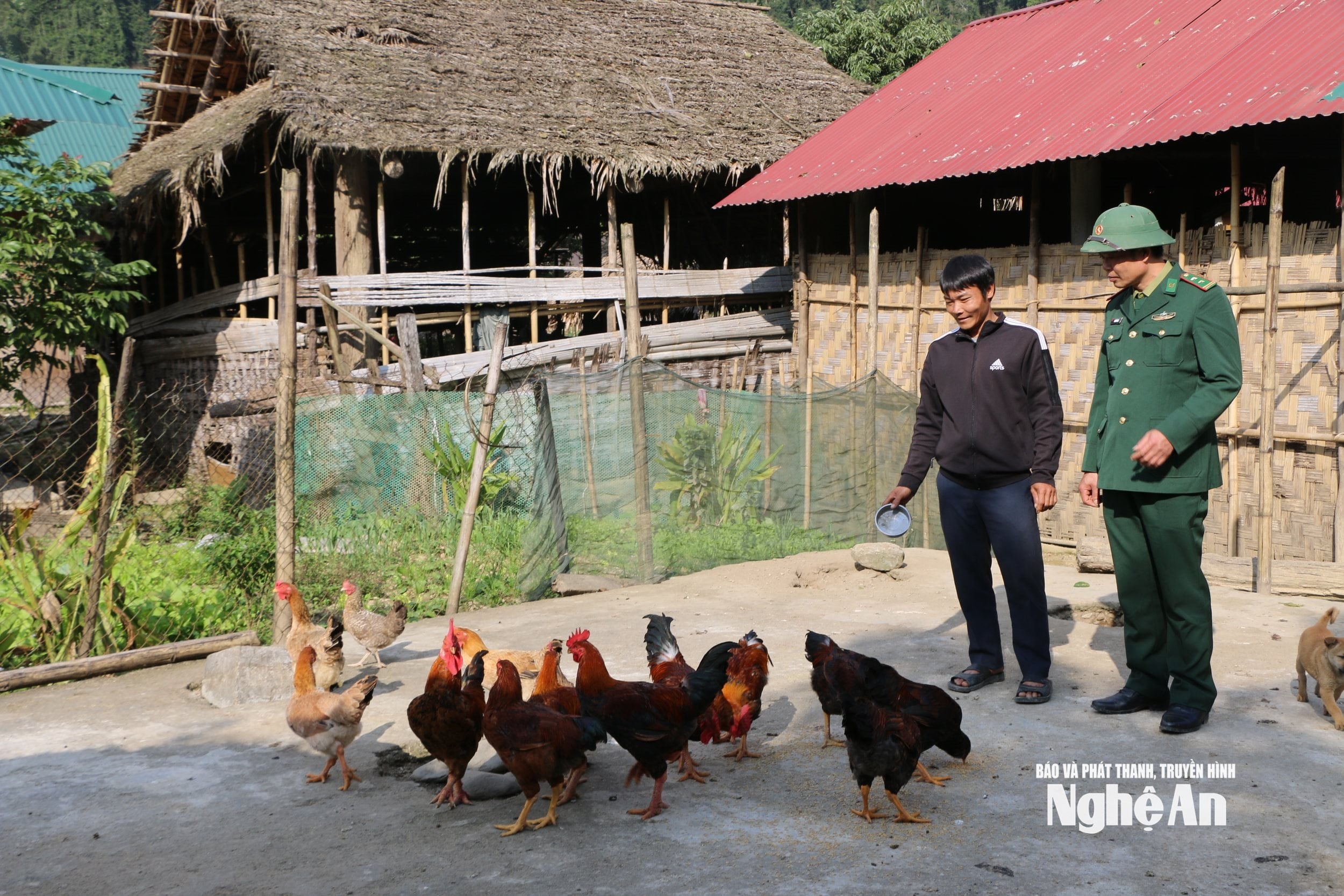
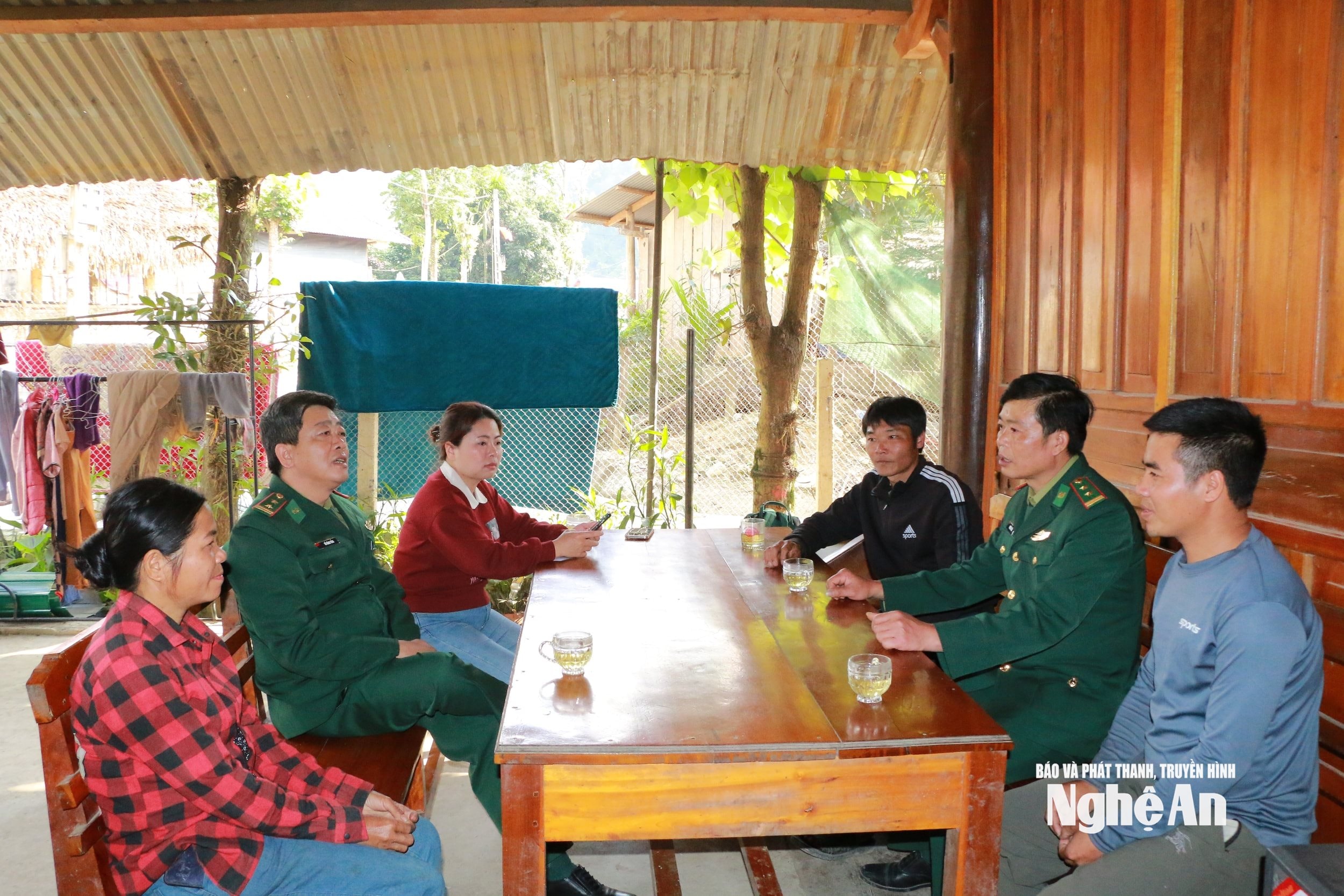
According to Lieutenant Colonel Ho Dang Thao, Deputy Political Officer of Mon Son Border Guard Station, assigning Party members to temporarily participate in activities at Dan Lai village Party branches aims to strengthen the Party's direct leadership in special areas where Party organizations are weak and sparse. This helps to consolidate the Party committee, village management board, and other organizations and associations; and at the same time, supports the people in changing their perceptions, eliminating outdated customs such as child marriage and consanguineous marriage; and building suitable livelihood models, towards sustainable poverty reduction.
.png)
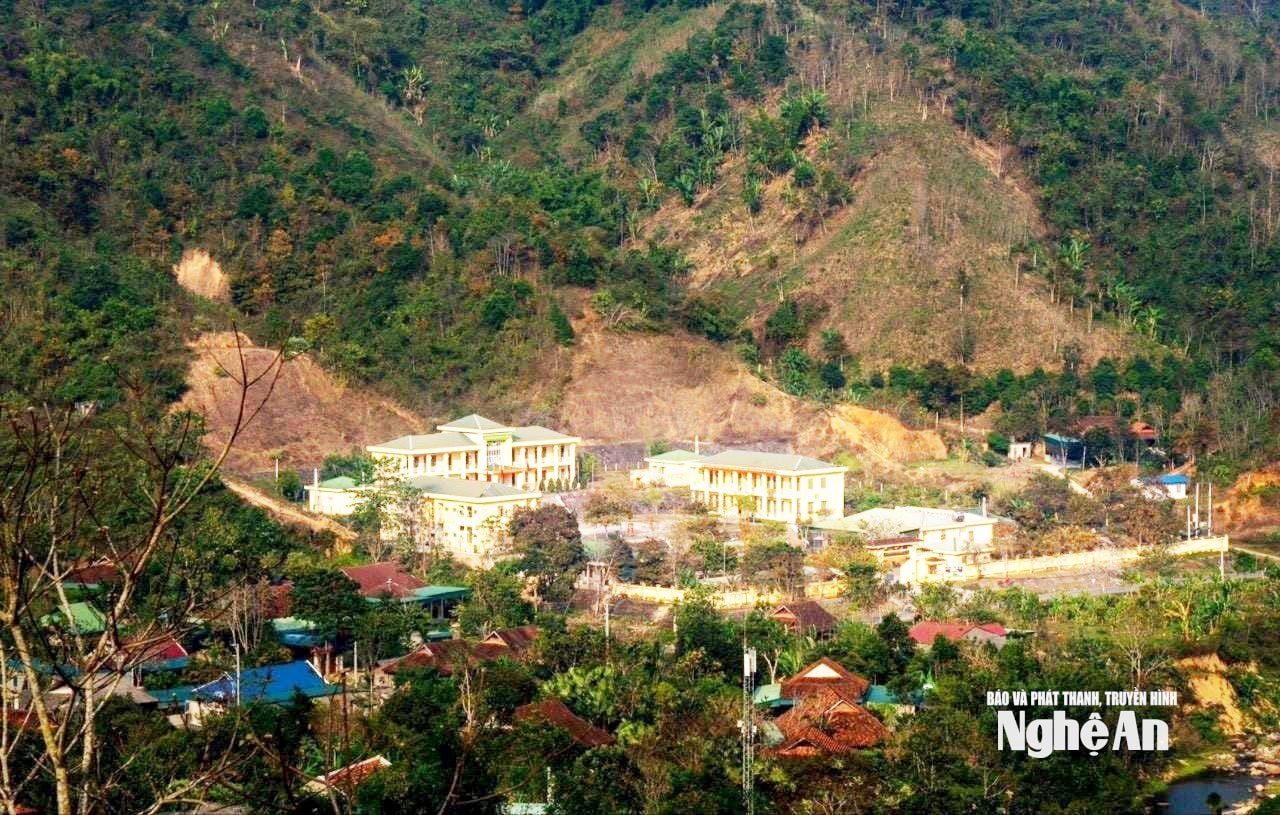
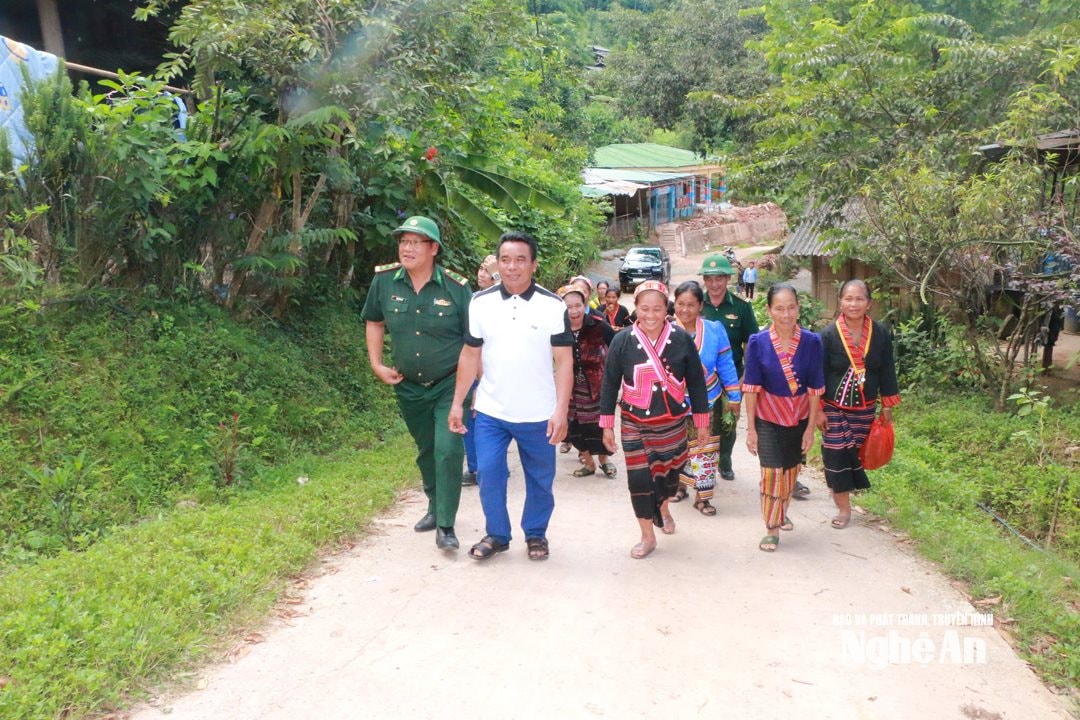
The situation in Tung Huong village, Tam Quang commune, clearly demonstrates this. Despite being a difficult area, the Party branch in this border village consistently plays a key political role in directing all movements and activities in the village, from economic development to Party member recruitment.
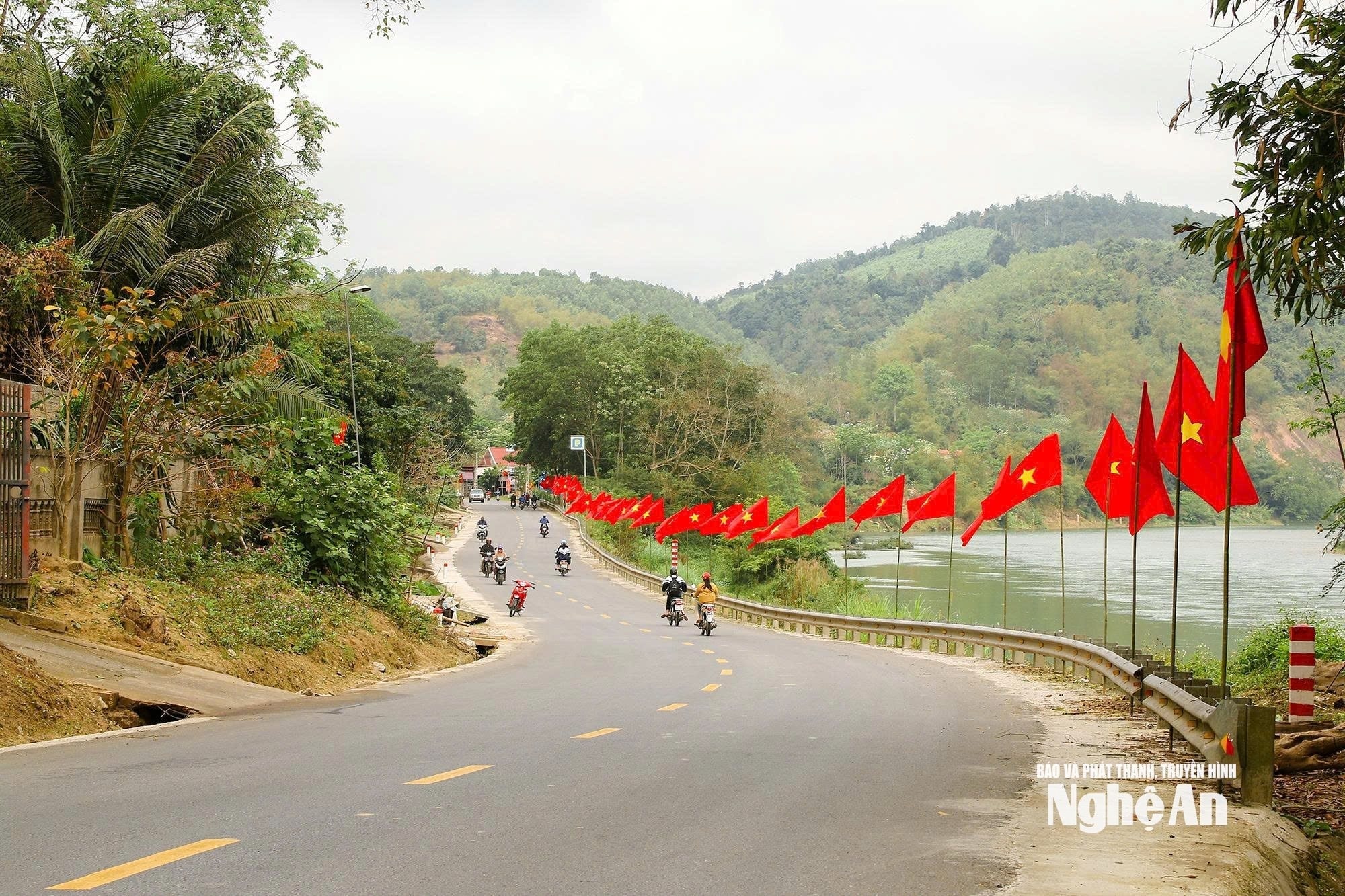
Both former Party Branch Secretary La Quang Dao and current Party Branch Secretary Lo Van Tham believe that this achievement is largely due to the contributions of Lieutenant Colonel Ho Xuan Tuyen, a professional military officer and Border Guard officer seconded to the commune and in charge of Tung Huong village, and other Border Guard Party members temporarily residing in the branch, such as Major La Van Ninh and Captain Phan Van Thai…
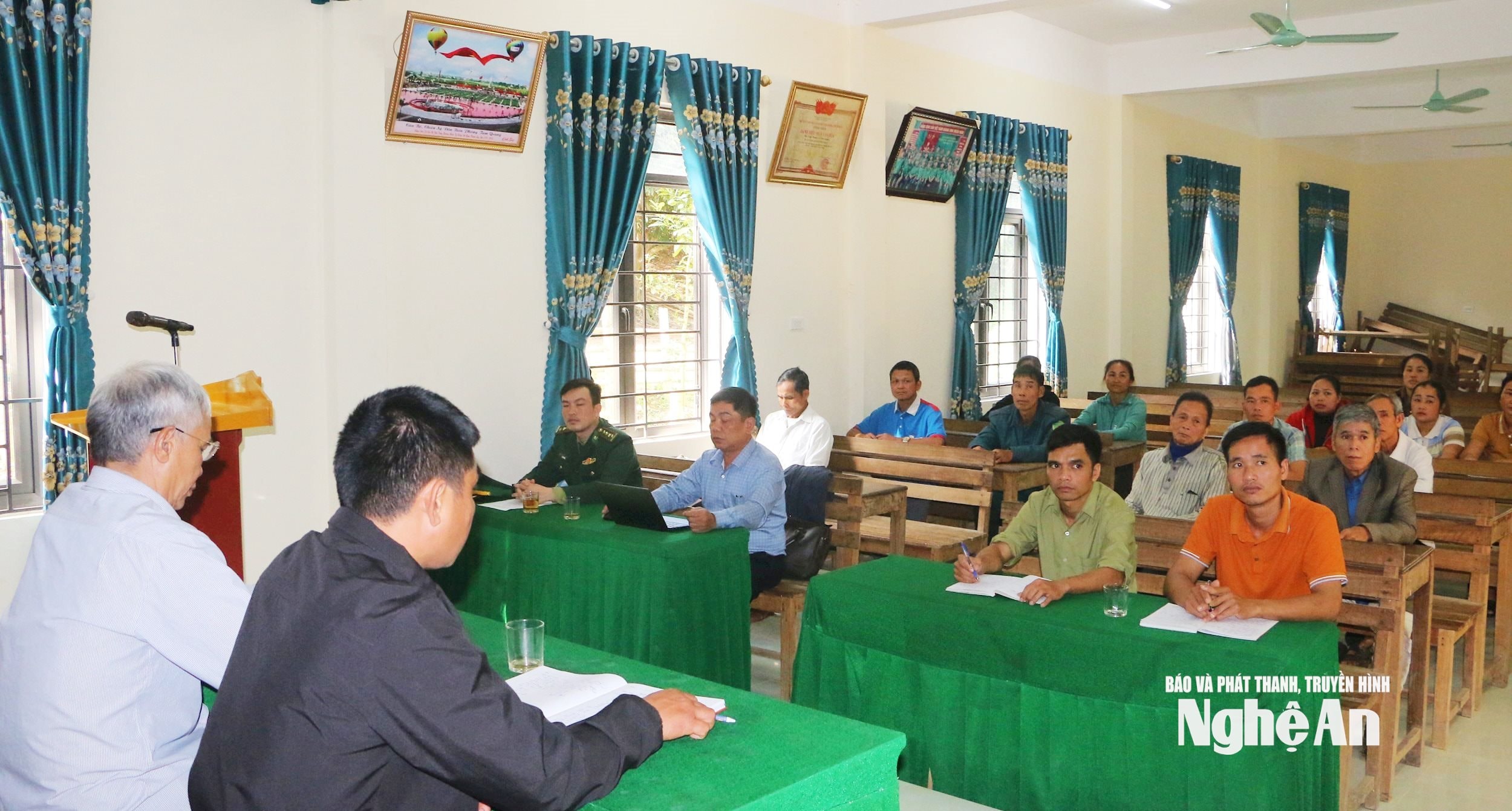
In addition to providing guidance on Party work, Border Guard Party members have worked alongside Party branches and committees to review and issue practical resolutions such as developing garden and forest economies, achieving sustainable poverty reduction, and building new rural areas, starting with internal village transportation routes. Border Guard Party members have persistently stayed close to the people, understanding each individual's circumstances and resolving difficulties for each household.
Since then, many Party members and villagers have been mentored and encouraged to join the Party, becoming key figures in economic development. A prime example is Vi Văn Phăn, a Party Committee member of Tùng Hương village, who currently earns over 100 million VND per year from his livestock farming and forestry model. From small-scale production, thanks to the guidance of Border Guard Party members, Phăn and many other households have boldly applied science and technology, invested in machinery, and created more jobs for the villagers.
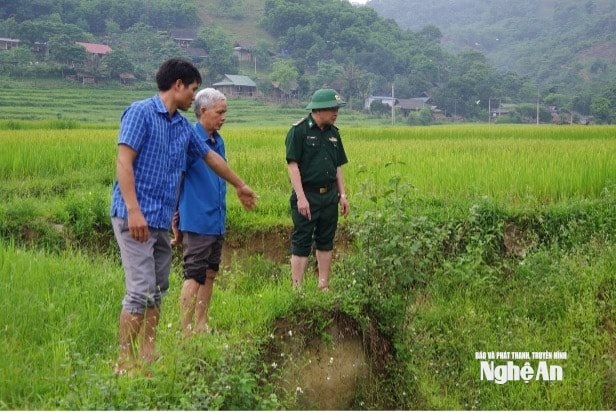
"Thanks to the Border Guard officers participating in advisory and support activities, the development of Party members in the village Party branch has received more attention. From having fewer than 10 Party members, the Tung Huong village Party branch now has 46 members," emphasized Lo Van Tham, Secretary of the Tung Huong village Party branch.
Lieutenant Colonel Nguyen Ngoc Tan, Political Officer of Tam Quang Border Guard Station, said: In addition to assigning 24 Party members to be in charge of 114 households, the station has introduced 3 Party members to temporarily participate in activities at the Tung Huong, Tan Huong, and Tam Huong Party branches. These Party members in military uniform have "ignited" movements in the villages and hamlets, adding "steel" to the grassroots Party branches, helping to improve discipline and order in activities, and creating a strong ripple effect in mass movements.

In Tri Le commune, Lieutenant Colonel Bui Duc Long, a professional military officer, was temporarily assigned to the Party cell of Pa Khom village, Tri Le commune - a Hmong village located at an altitude of nearly 1,000m near the Vietnam-Laos border. This area has difficult transportation, deeply ingrained backward customs, and a high poverty rate.
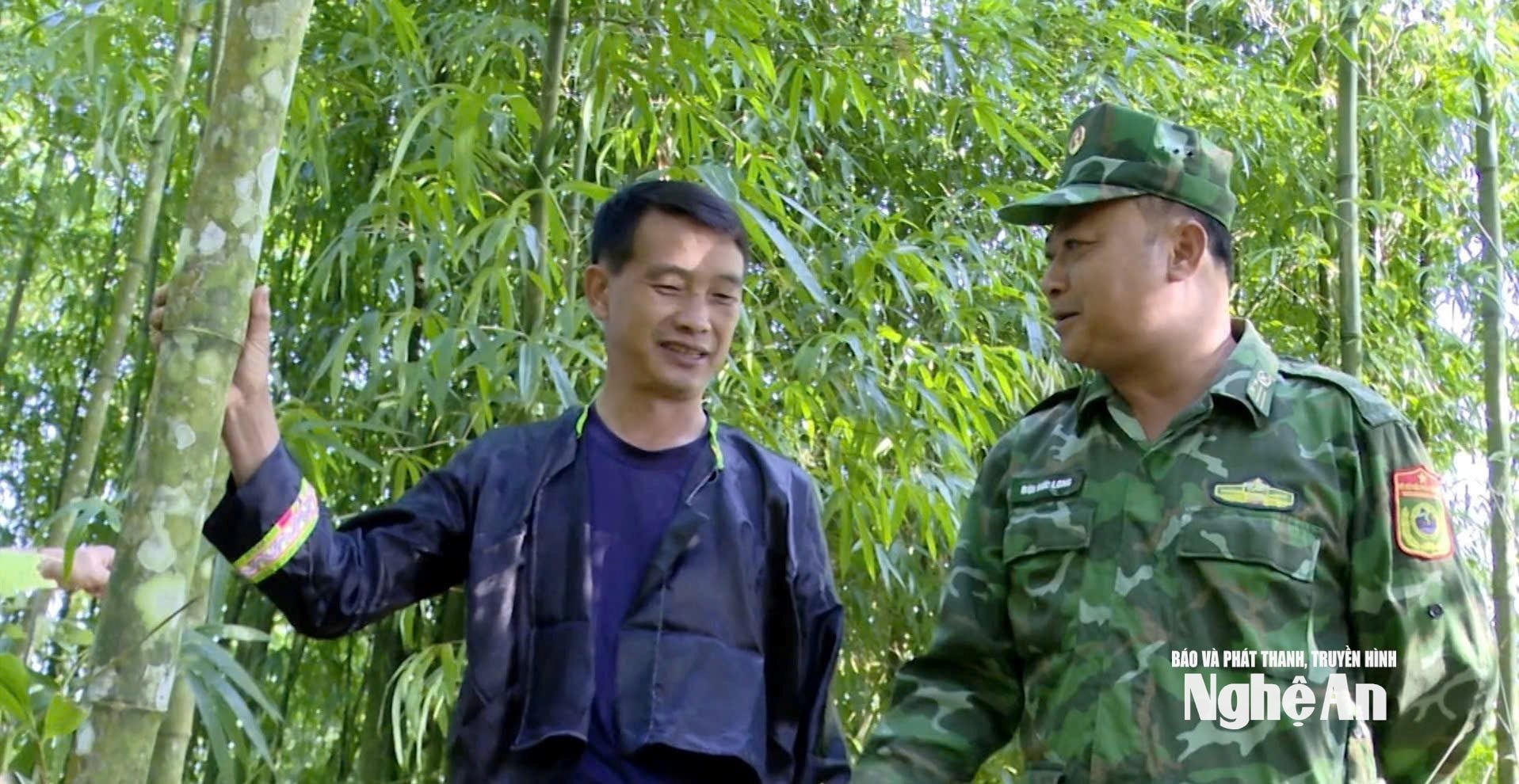
Applying the motto "3 together, 4 closely connected," Lieutenant Colonel Bui Duc Long, together with the Party branch, reformed the leadership method: from issuing general resolutions to building specialized resolutions that were practical and focused on the local strengths, such as developing bitter bamboo shoot cultivation, preserving and developing Mong peach trees, and expanding controlled agricultural production.
The results are very clear: The area of bitter bamboo shoots increased from 5.3 hectares (in 2018) to 13.3 hectares (in 2025); the entire village has more than 6,000 Mong peach trees, and many households achieve a good income during each Tet holiday. Agricultural production has undergone a strong transformation, with 7.69 hectares of wet rice, dozens of hectares of cassava, taro, and vegetables. The total livestock population reached over 349 animals, with 50-60 animals sold each year. Many households have escaped poverty, and some have even become "highland millionaires" thanks to livestock farming, such as the families of Ly No Po and Tho Giong Nu…
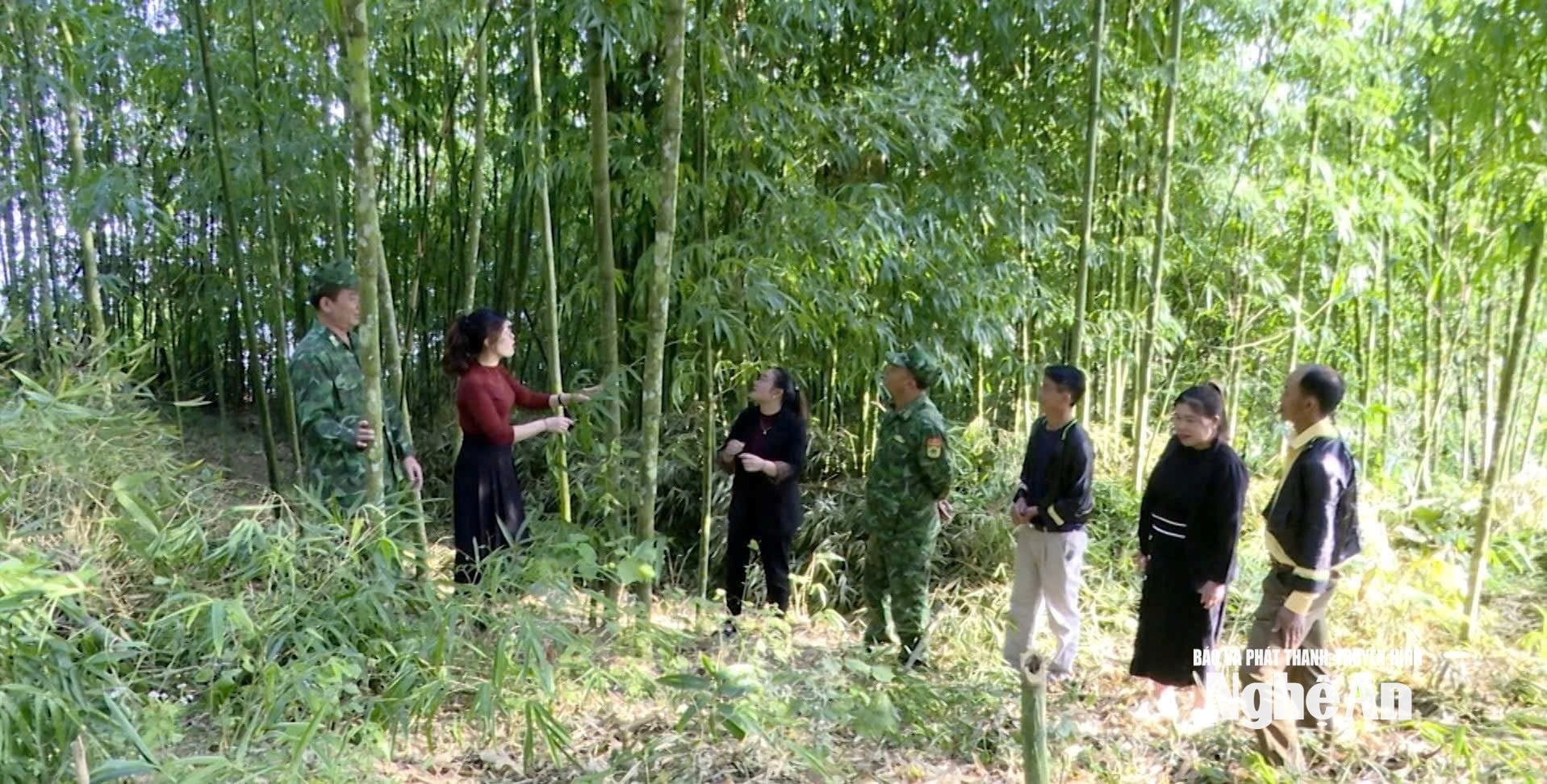
Party Branch Secretary Va Ba De affirmed: "The companionship of Border Guard Party members has helped the Party branch change fundamentally, from its way of thinking to its way of doing things. The people trust the Party more, and trust the Party branch more."
Currently, although Lieutenant Colonel Bui Duc Long temporarily ceased his Party activities in Pa Khom village at the end of 2025 to await retirement, the villagers still consider him "one of their own." And now, his replacement, Major Gia Ba Tha, the head of the reconnaissance team, is also always close to the people, deeply rooted in the village, and trusted and respected by the villagers. This is vivid evidence of the close bond between the military and the people in this border region.

Besides improving living standards, Border Guard Party members are also a crucial force in identifying and nurturing potential Party members in disadvantaged villages and hamlets.
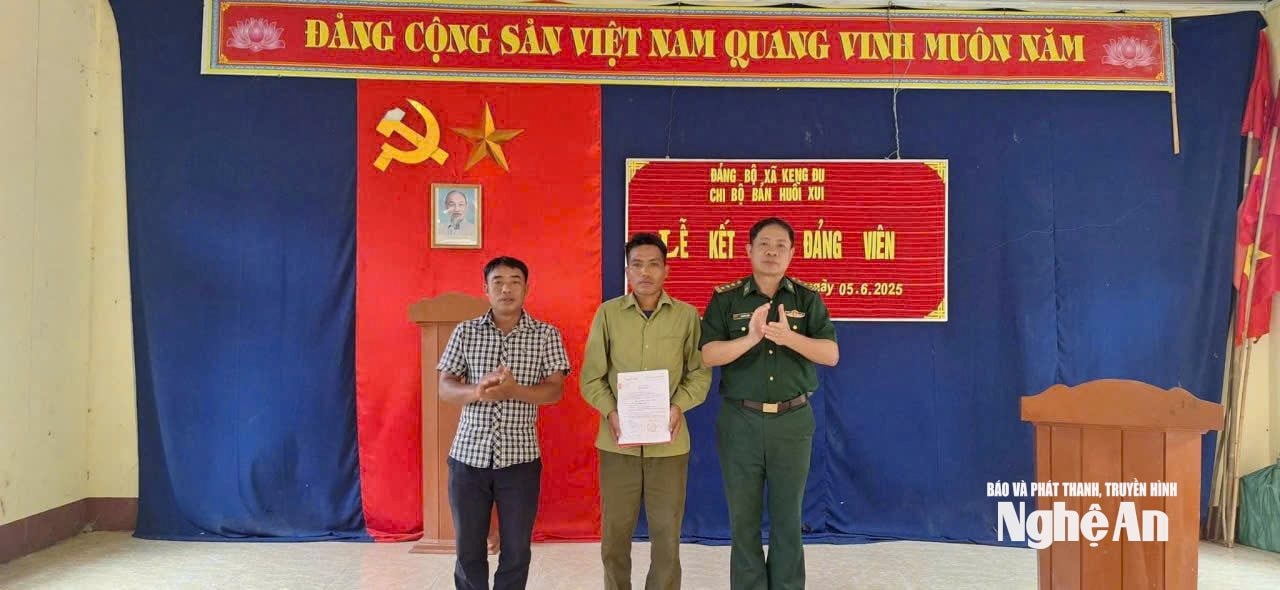
In Keng Du commune, one of the most remote border areas of Nghe An province, thanks to the support of Border Guard Party members during the 2020-2025 term, the Keng Du commune Party Committee successfully admitted 58 out of 40 eligible individuals into the Party (exceeding the target by 18).
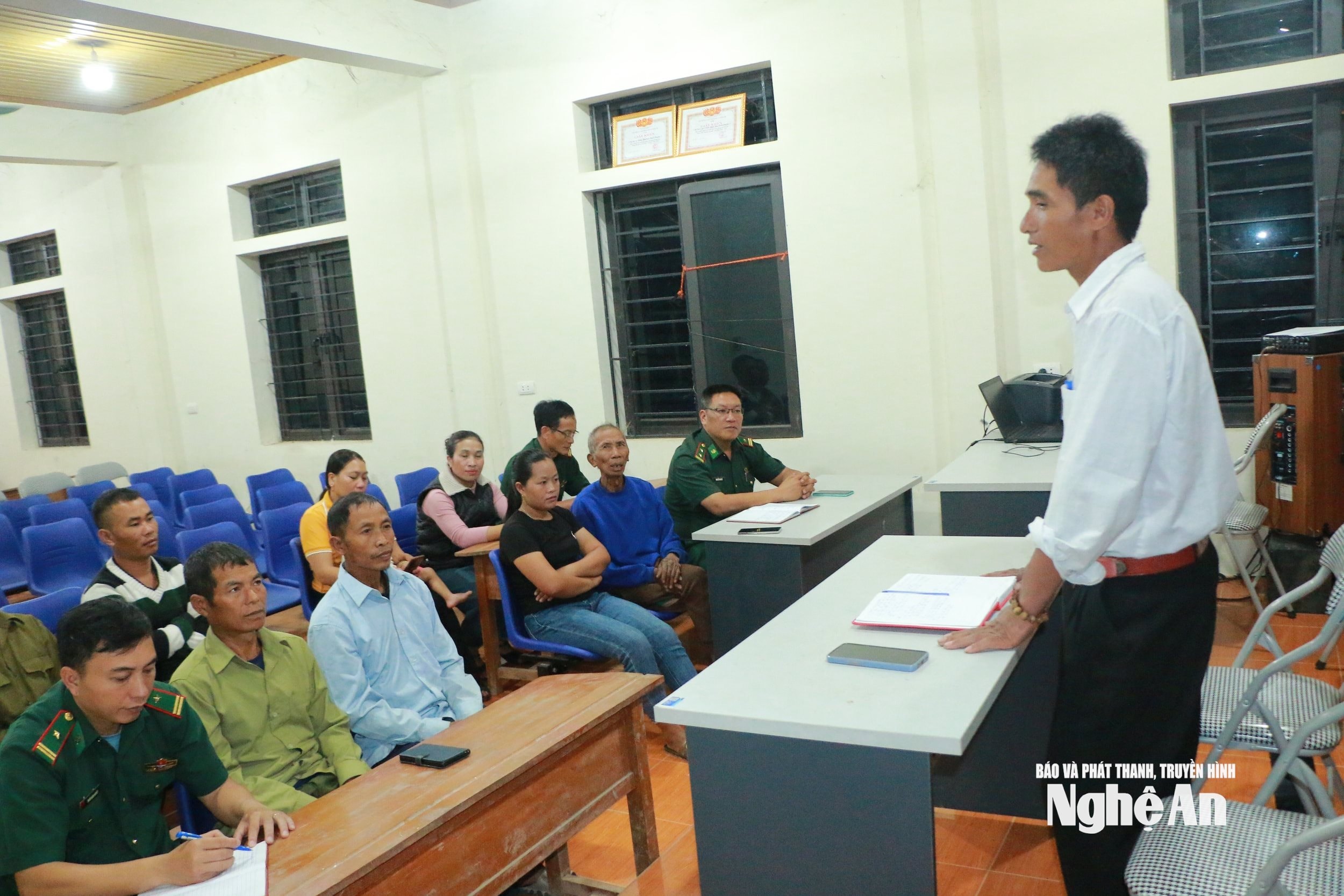
Entering a new term, along with the operation of a two-tiered government system.,Party membership development continues to receive attention. In 2025, the commune's Party Committee admitted 15 new members (exceeding the target by 3) - an impressive number for a particularly disadvantaged area.
According to Thò Bá Rê, Secretary of the Party Committee of Keng Đu commune: “Border Guard Party members are the ‘extended arm’ of the local Party committee; they are both companions and inspirers, helping the commune to do a good job of creating a source of talent, supplementing high-quality human resources for village Party branches, overcoming the situation of ‘old bamboo but no new shoots have grown’ and preventing the risk of Party branches becoming inactive again.”
In Khe Linh village, home to 60 households and 306 Khơ Mú ethnic minority people, Lieutenant Colonel Võ Công Bắc, a professional military officer, was assigned to temporarily serve at the Party branch. For over two years, he has regularly traveled more than 9 km through the forest to participate in activities, assisting the Party committee from identifying potential members to completing membership application files. Thanks to his efforts, the Khe Linh village Party branch has gradually overcome difficulties in Party development. In 2024, the Khe Linh village Party branch admitted two new members: Xeo Văn Biên (a graduate of a Medical College) and Mong Văn Thi (a demobilized soldier). In 2025, the branch recommended two outstanding individuals to attend the Party membership orientation class: Lo Văn Nhi (a demobilized soldier) and Mong Thị Hom (a graduate of a Teacher Training College)…
Lieutenant Colonel Nguyen Ngoc Tu, Political Officer of Keng Du Border Guard Station, affirmed: “Party development is not just about quantity, but also about ensuring quality and continuity. Border Guard Party members are an effective bridge between the Party's policies and the realities of the villages. Currently, the unit has assigned 5 Party members to participate in activities at 5 weak Party branches; together with the commune Party committee, we are building a process for training potential members, strengthening the political system, and putting resolutions into practice.”
Not only in mountainous areas, but also in coastal regions and areas inhabited by religious communities, the presence of Border Guard Party members brings a new lease of life.
In Hamlet 5, Dien Chau Commune – where over 83% of the population are Catholic – Captain Nguyen Canh Tuan, Deputy Head of the Mass Mobilization Team of Dien Thanh Border Guard Station, was assigned to temporarily serve in this Party branch. With his energetic and enthusiastic spirit, his dedication to the people and the local area has contributed to strengthening the Party committee and branch, ensuring the smooth operation of organizations and associations, improving the quality of Party branch activities, and overcoming difficulties in developing Party members. As a result, in 2025, the Hamlet 5 Party branch admitted 3 new Party members after a 14-year hiatus.
Young Party member Nguyen The Anh (born in 2021), who joined the Party in November 2025, expressed: “Captain Nguyen Canh Tuan is very approachable, caring, and supportive of the activities of young people; his encouragement, help, and guidance have given me more motivation to train and strive to join the ranks of the Party.”
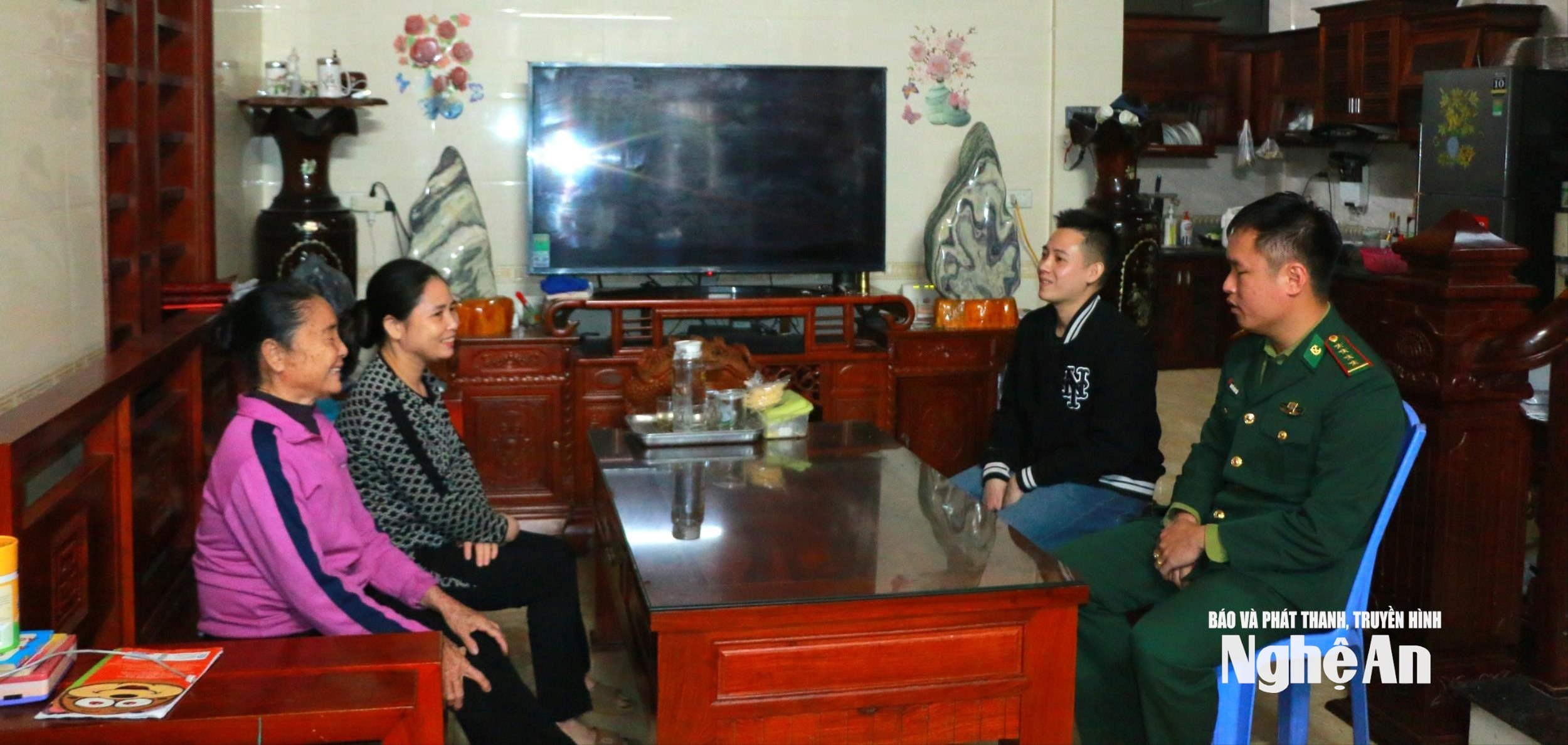
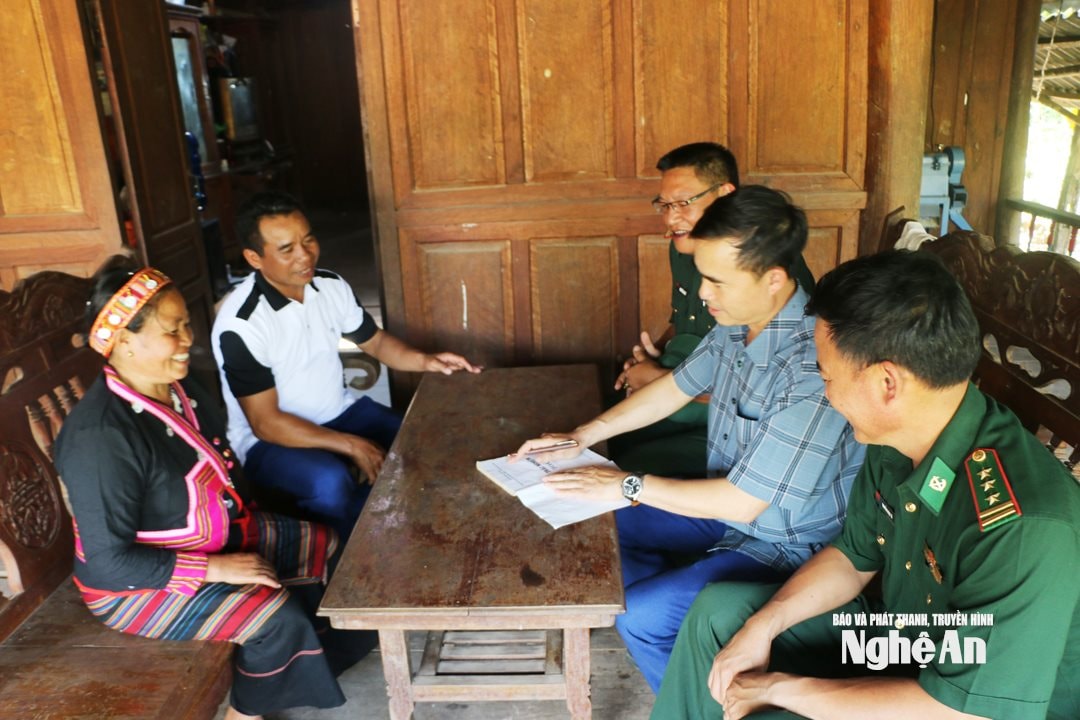
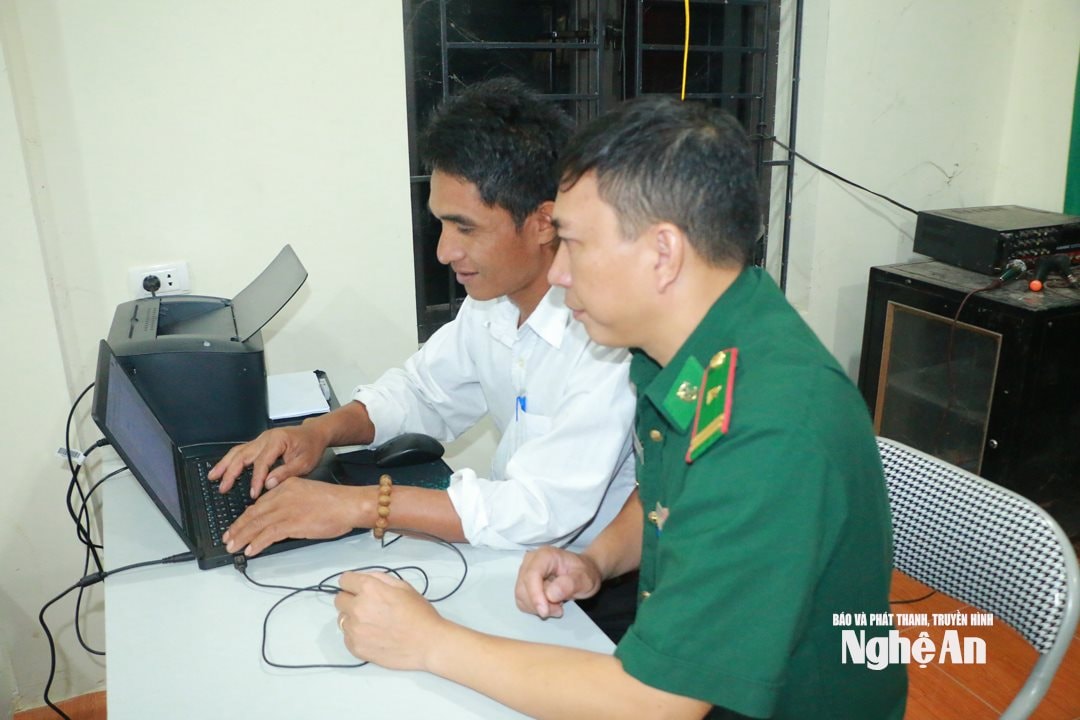
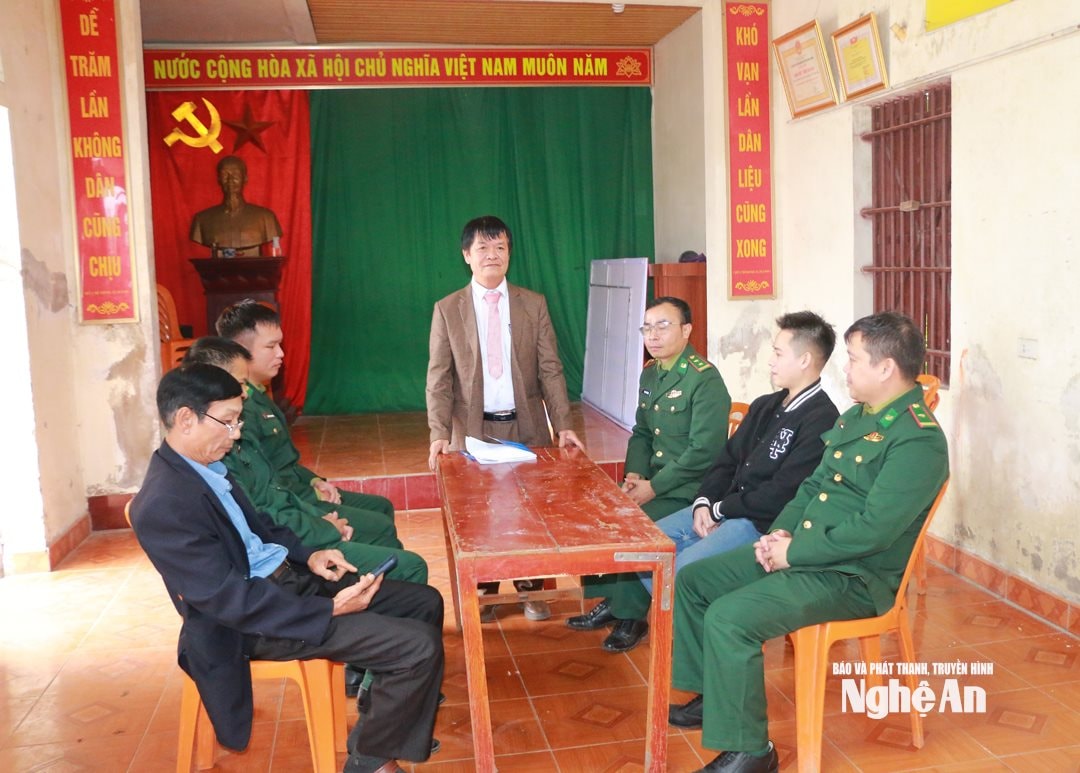
Meanwhile, Party Branch Secretary Dau Thanh Sung happily stated: "Border Guard Party members being close to the people, understanding their customs and traditions, and knowing their religious lives has helped the Party branch affirm its pivotal role, strengthen the people's trust in the Party's leadership, and create high consensus in implementing emulation movements in the locality."
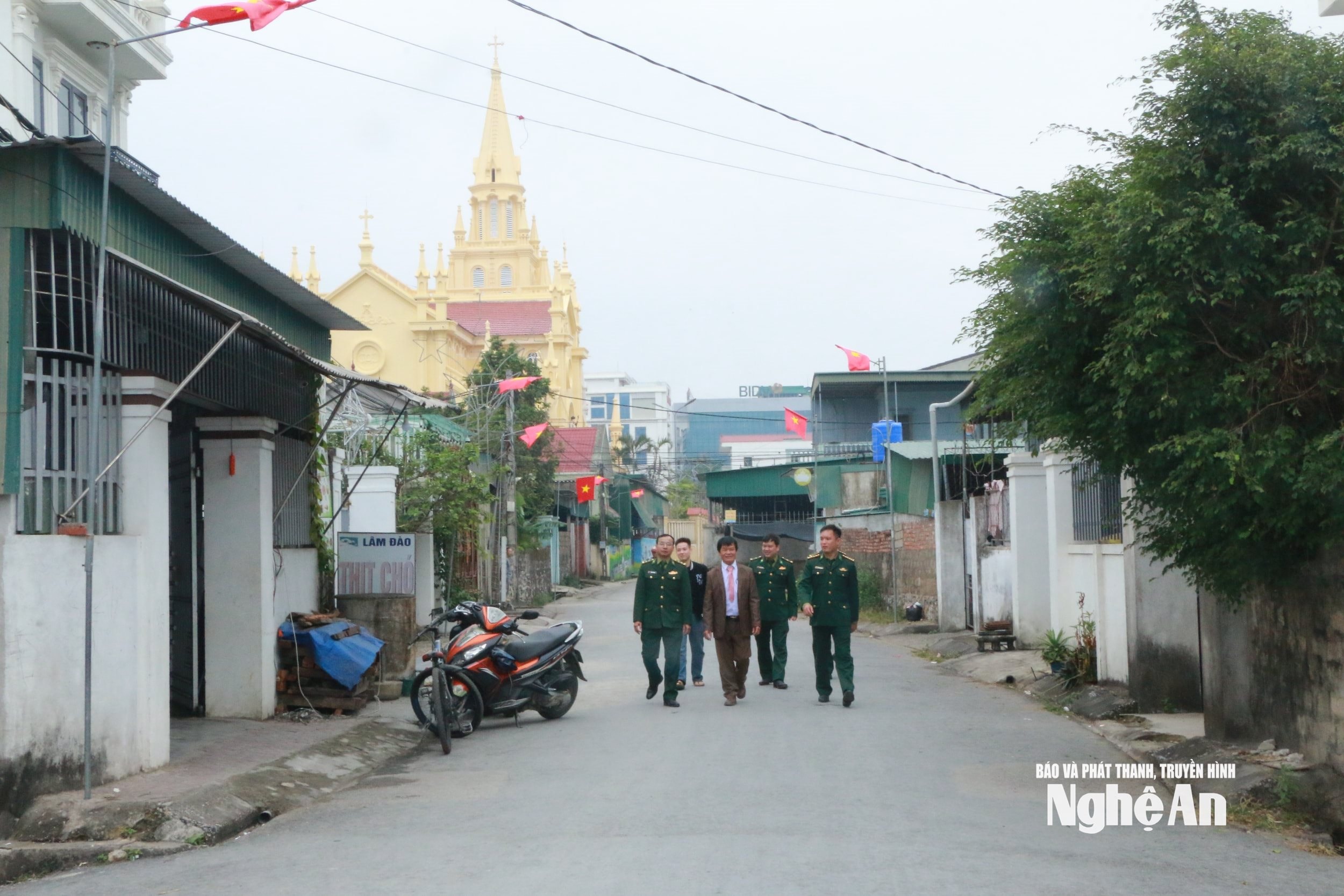

According to Colonel Nguyen Van Hau, Head of Political Affairs of the Nghe An Border Guard Command: Implementing Notice No. 1002-TB/TU dated March 16, 2005, on "Transferring Border Guard officers and Party members to temporarily participate in Party activities in villages (hamlets) along the western border of Nghe An" and Notice No. 394-TB/TU dated August 23, 2007, on "Transferring Border Guard officers and Party members to participate in Party activities in areas with religious communities in coastal communes" of the Nghe An Provincial Party Committee, currently the entire province has 77 Border Guard Party members temporarily participating in Party activities in village and hamlet Party branches. In 2025 alone, this force participated in consolidating 117 Party organizations and 73 socio-political organizations; and advised on the admission of 119 new Party members.
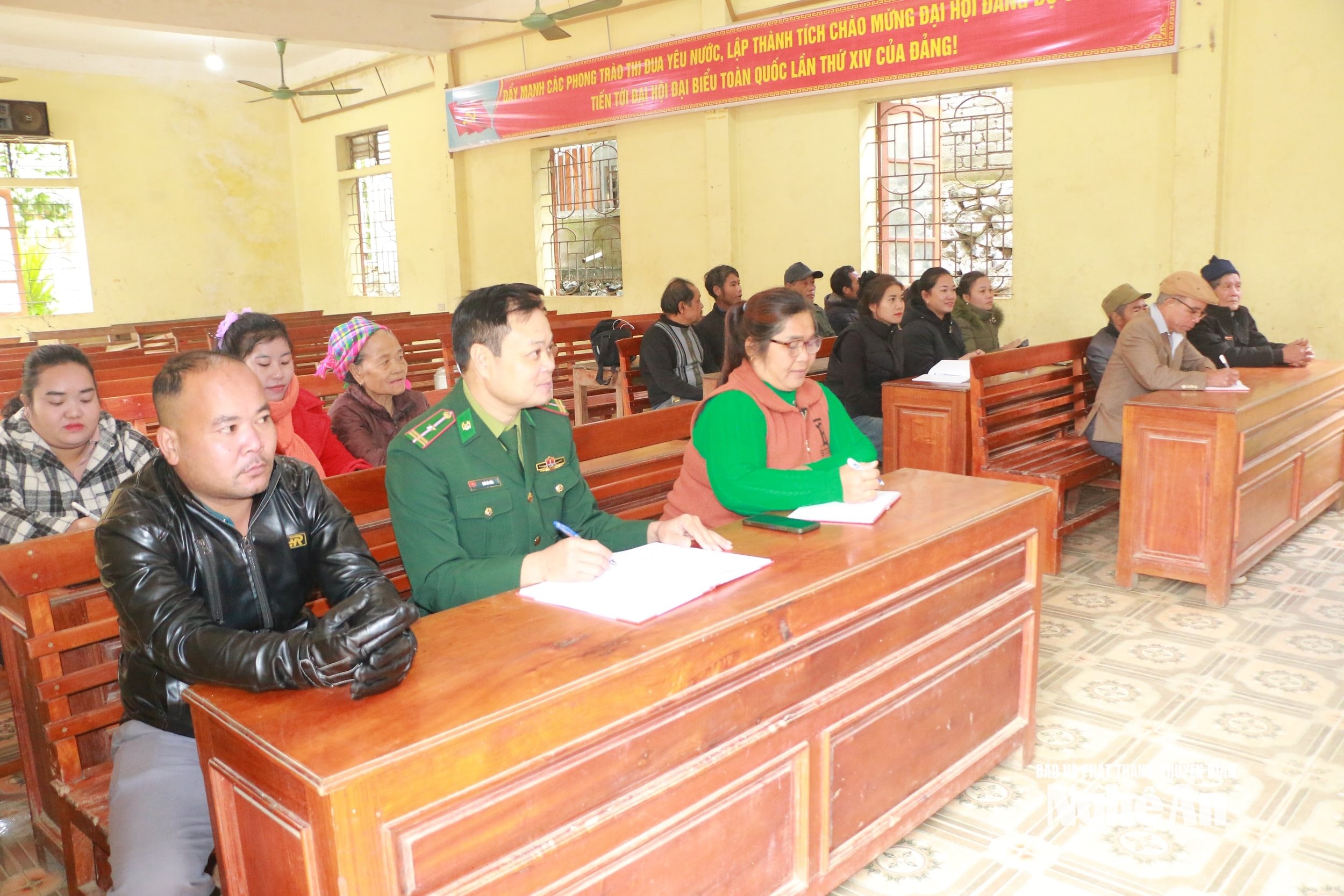
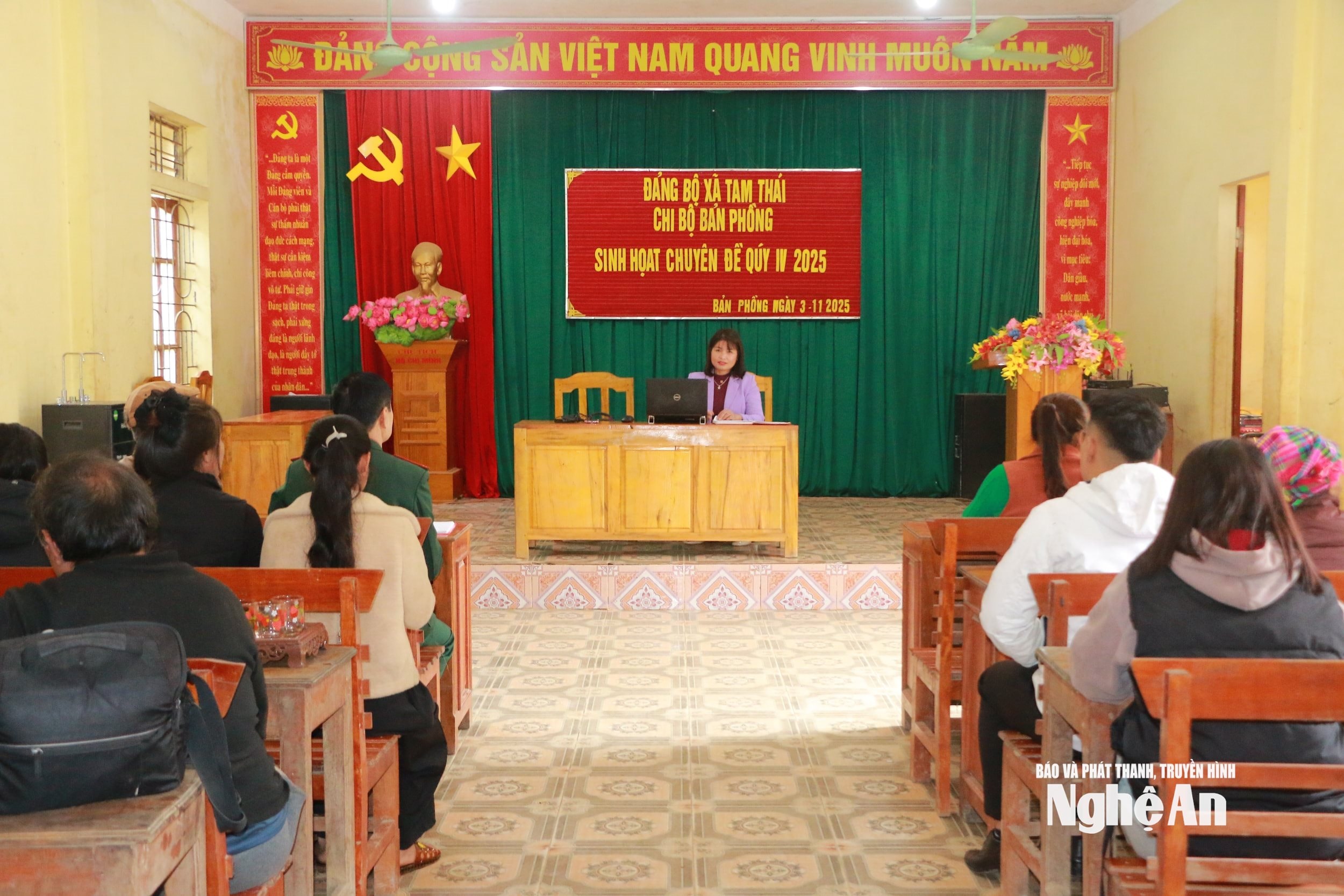
Experience confirms that reinforcing village and hamlet Party branches with "steel" is not just a temporary solution, but a long-term strategic policy in Party building in areas crucial for national defense and security. In the most challenging places, Party members in military uniforms have been contributing to ensuring that "the Party's will aligns with the people's will," creating a solid foundation for maintaining peace and security in the area and along the border in the new situation.
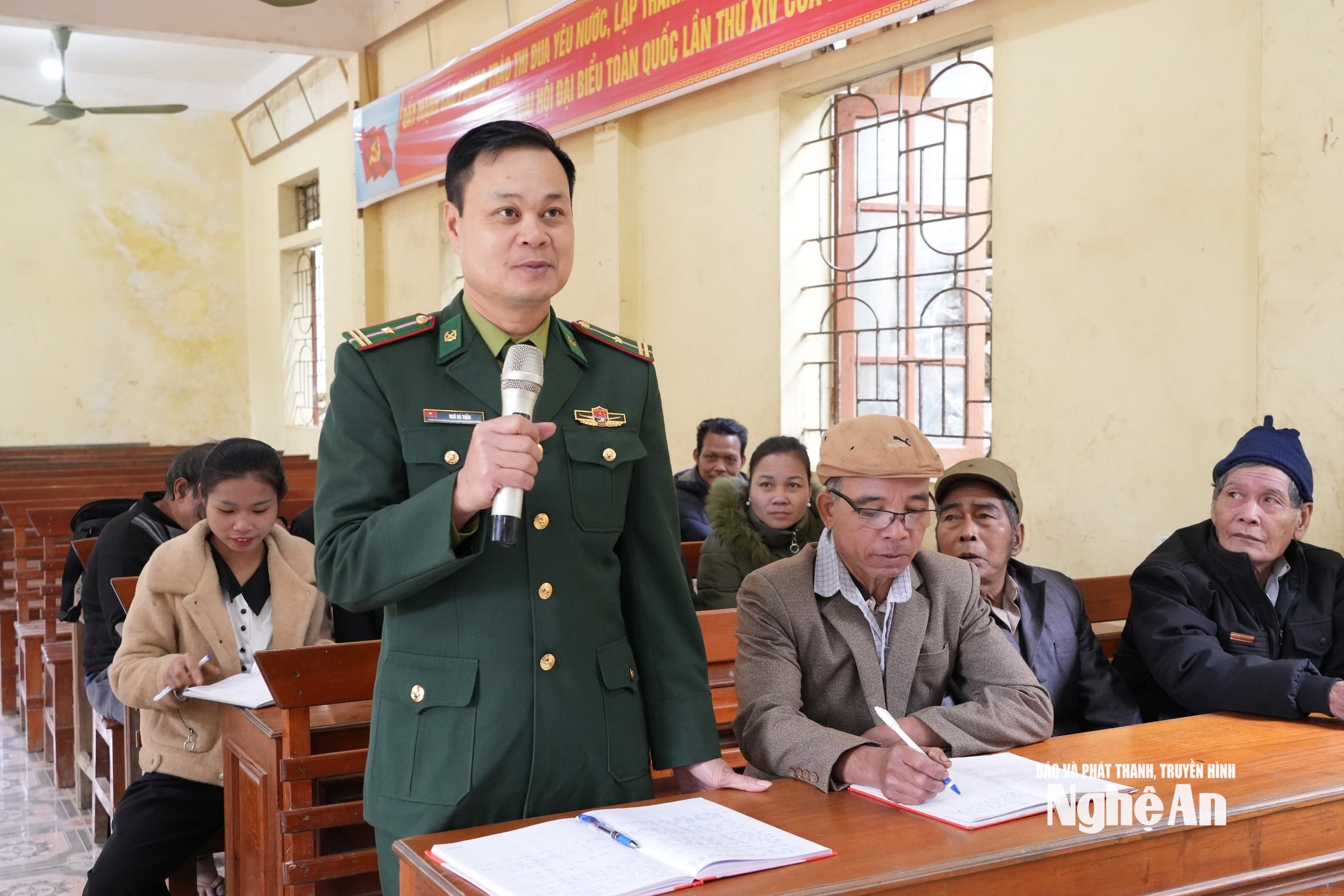
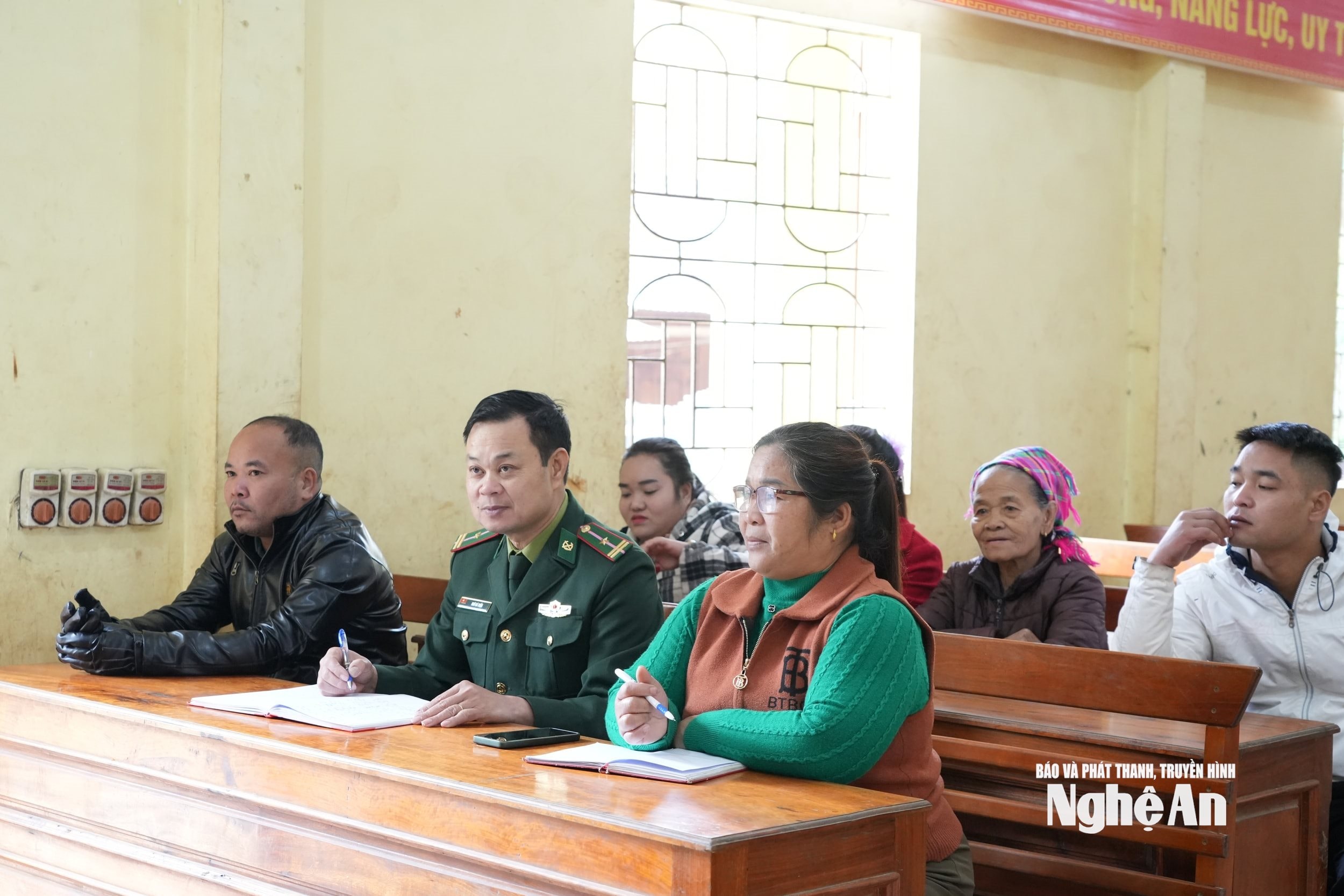
At the Party Congress of the Nghe An Border Guard Command for the 2025-2030 term, Comrade Bui Thanh An - Member of the Standing Committee of the Provincial Party Committee, Permanent Vice Chairman of the Provincial People's Committee - proposed that the Party Committee of the Provincial Border Guard Command continue to effectively promote models of Border Guard participation in building political foundations, developing the economy and society, and ensuring national defense and security in ethnic and religious areas along the border.
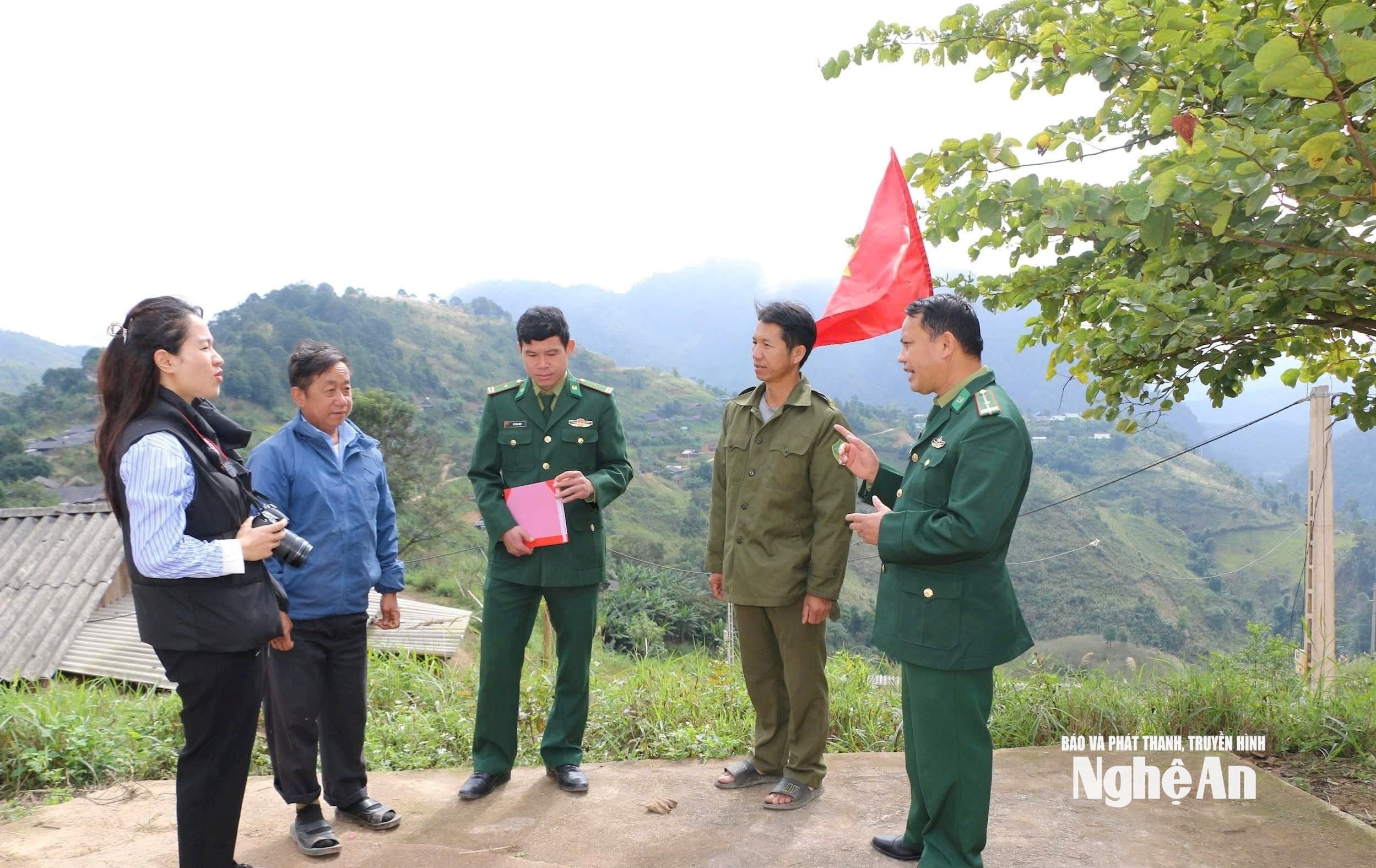
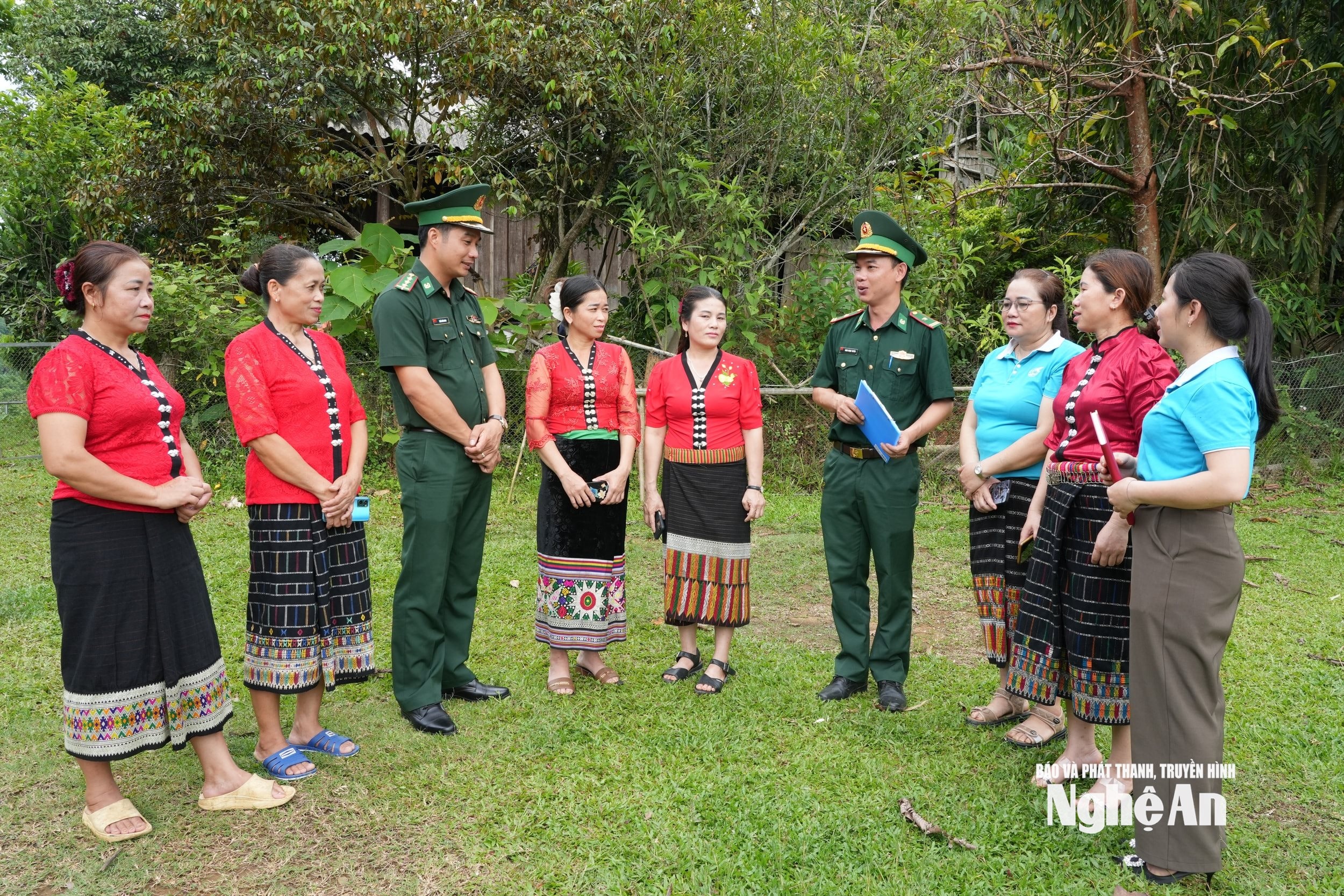
At the same time, effectively implement programs and coordination regulations with provincial departments, agencies, and border and coastal communes and wards of the province; creating a combined strength of the political system, all levels and sectors, and the people in building a strong border region, firmly protecting territorial sovereignty, border security, and maritime areas within the assigned scope.