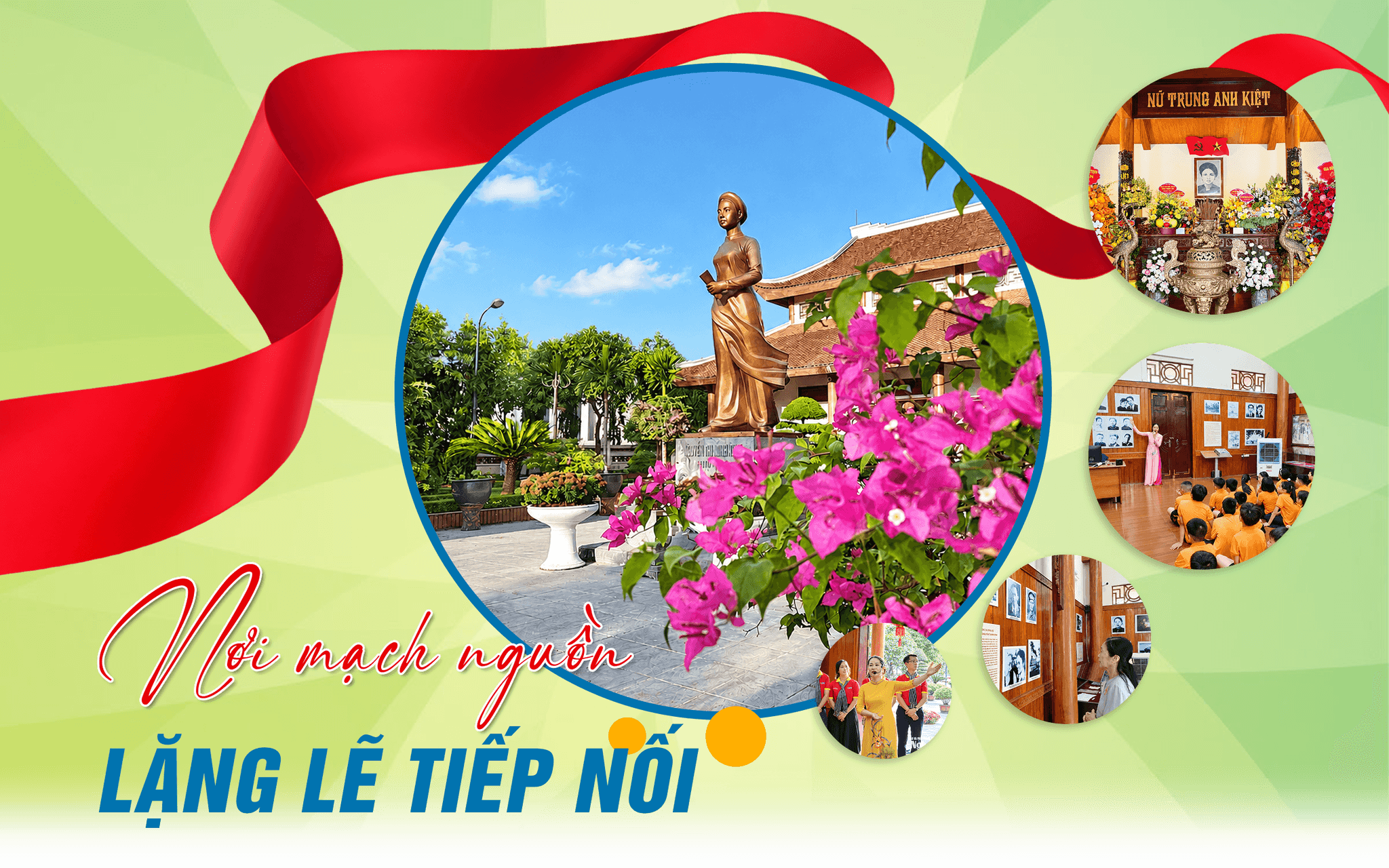
Where the silent source continues
In October, the story of heroine Nguyen Thi Minh Khai at the Memorial House recalls the sacrifice of the young mother who, suppressing her grief, sent her one-month-old daughter away to continue her revolutionary activities. More than eight decades have passed, yet her life and ideals are still quietly studied and recounted by women today, contributing to preserving historical values for future generations.
Thanh Phuc |Design:Huu QuanOctober 18, 2026
In October, the story of heroine Nguyen Thi Minh Khai evokes the sacrifice of a young mother who, suppressing her grief, sent her one-month-old daughter away to continue her revolutionary activities. More than eight decades have passed, yet her life and ideals are still quietly studied and recounted by women today, contributing to preserving historical values for future generations...
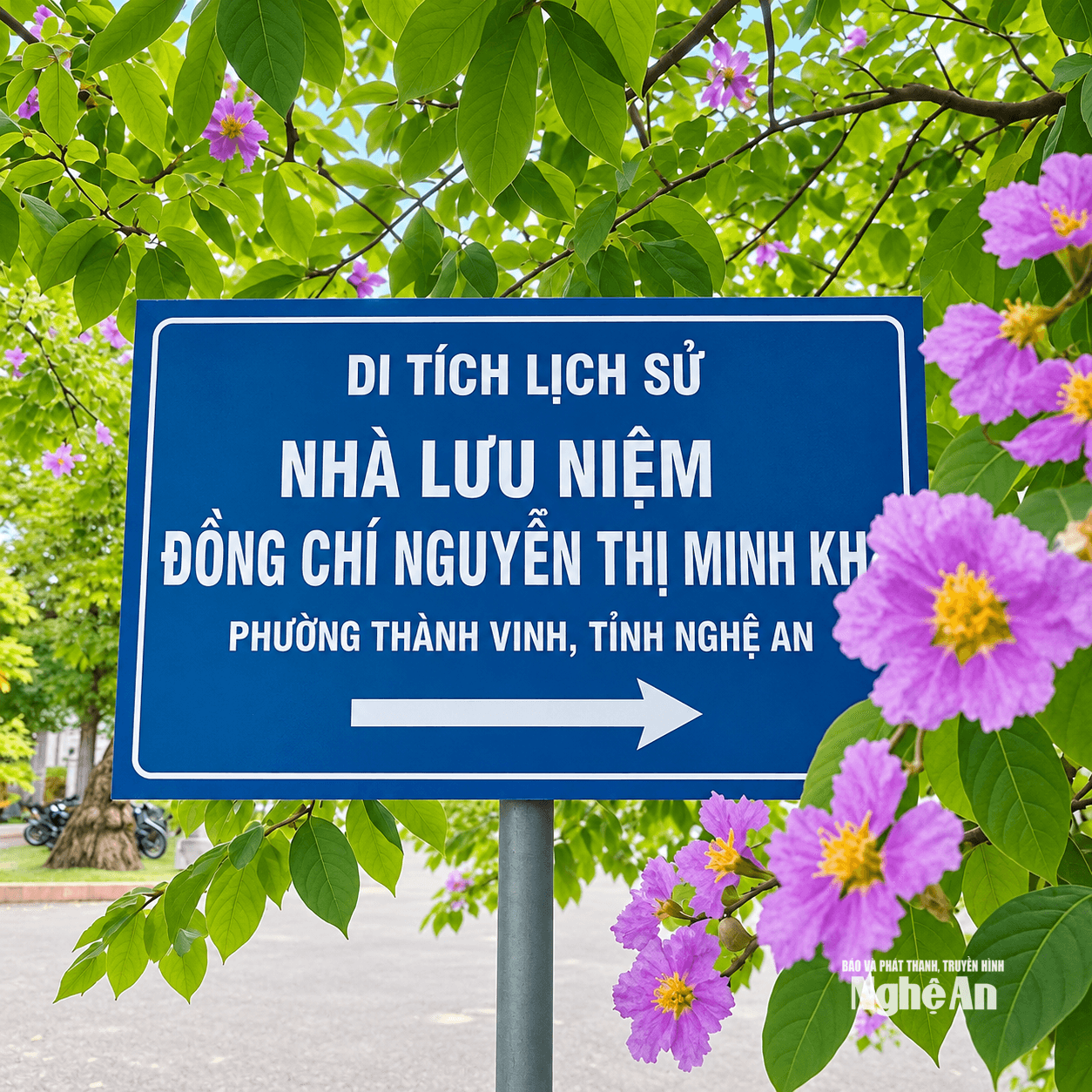
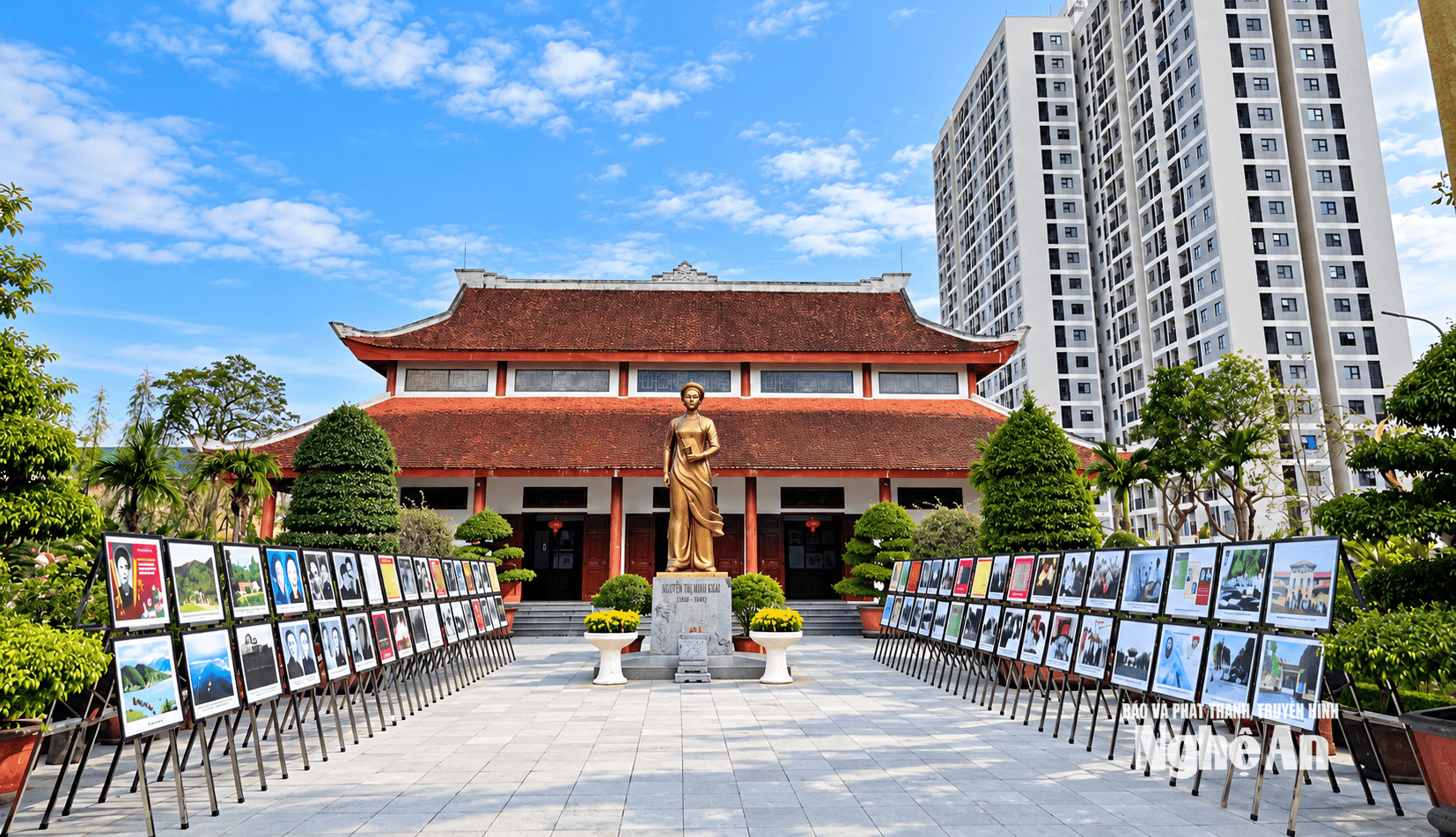
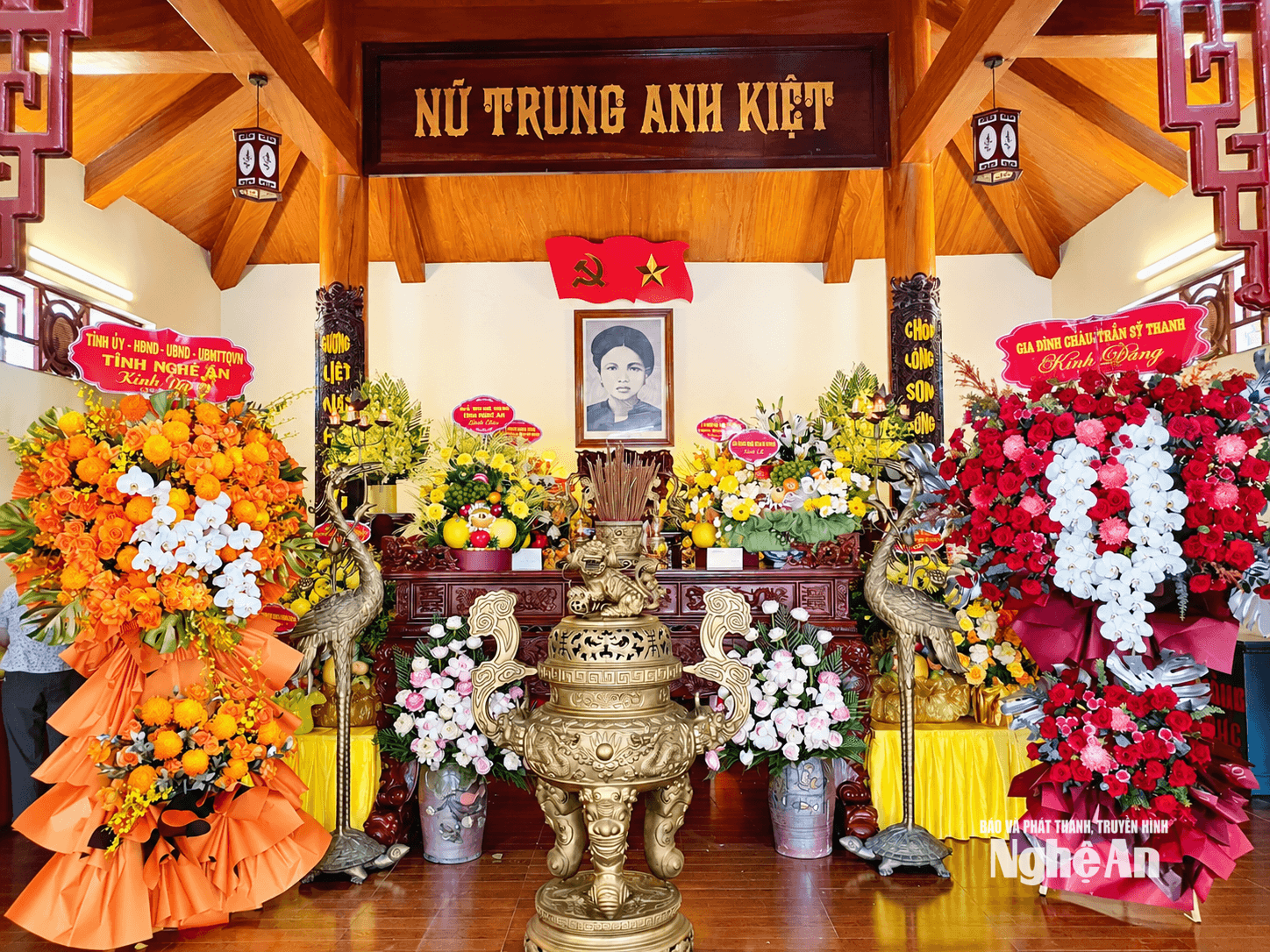
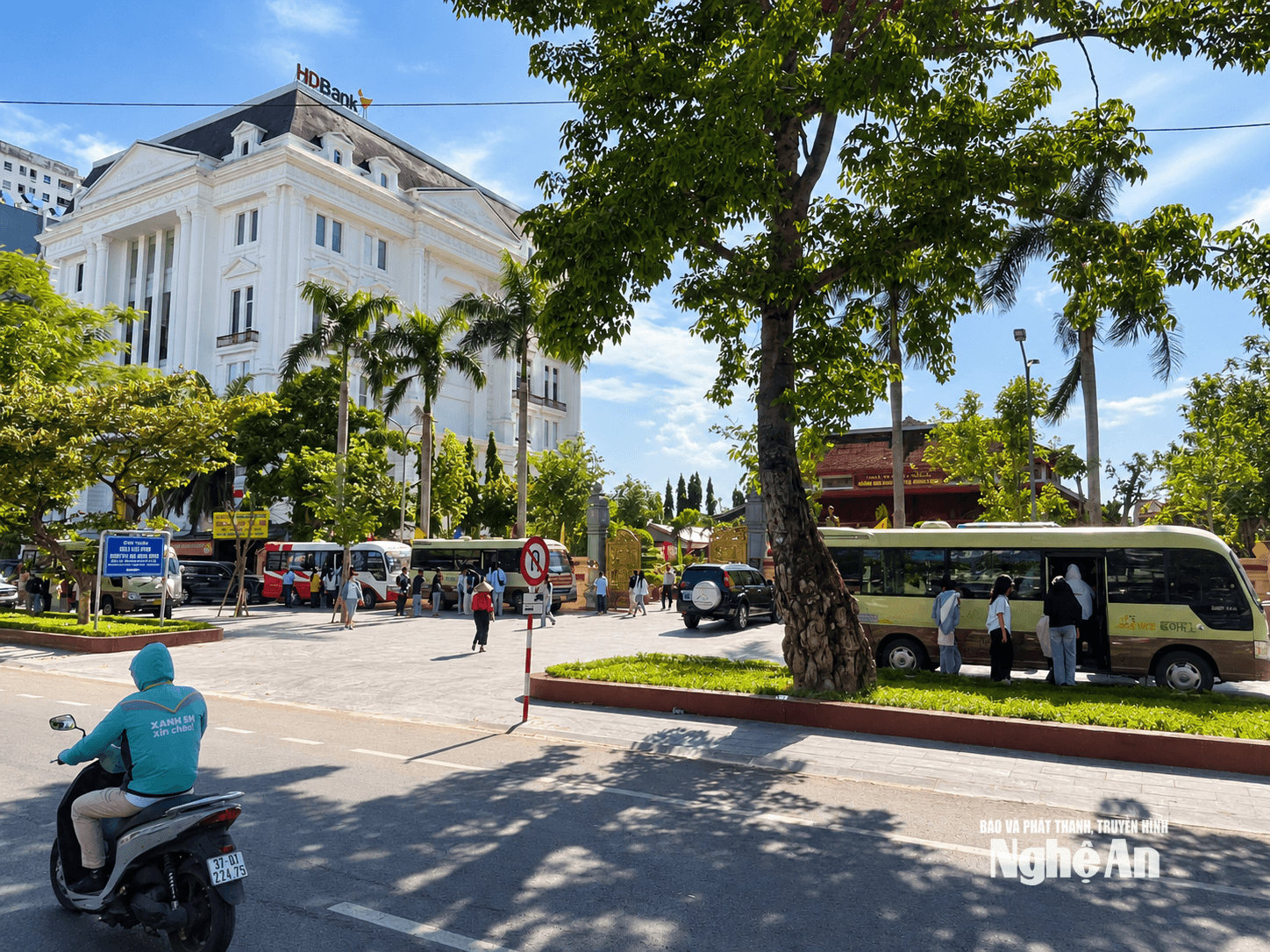
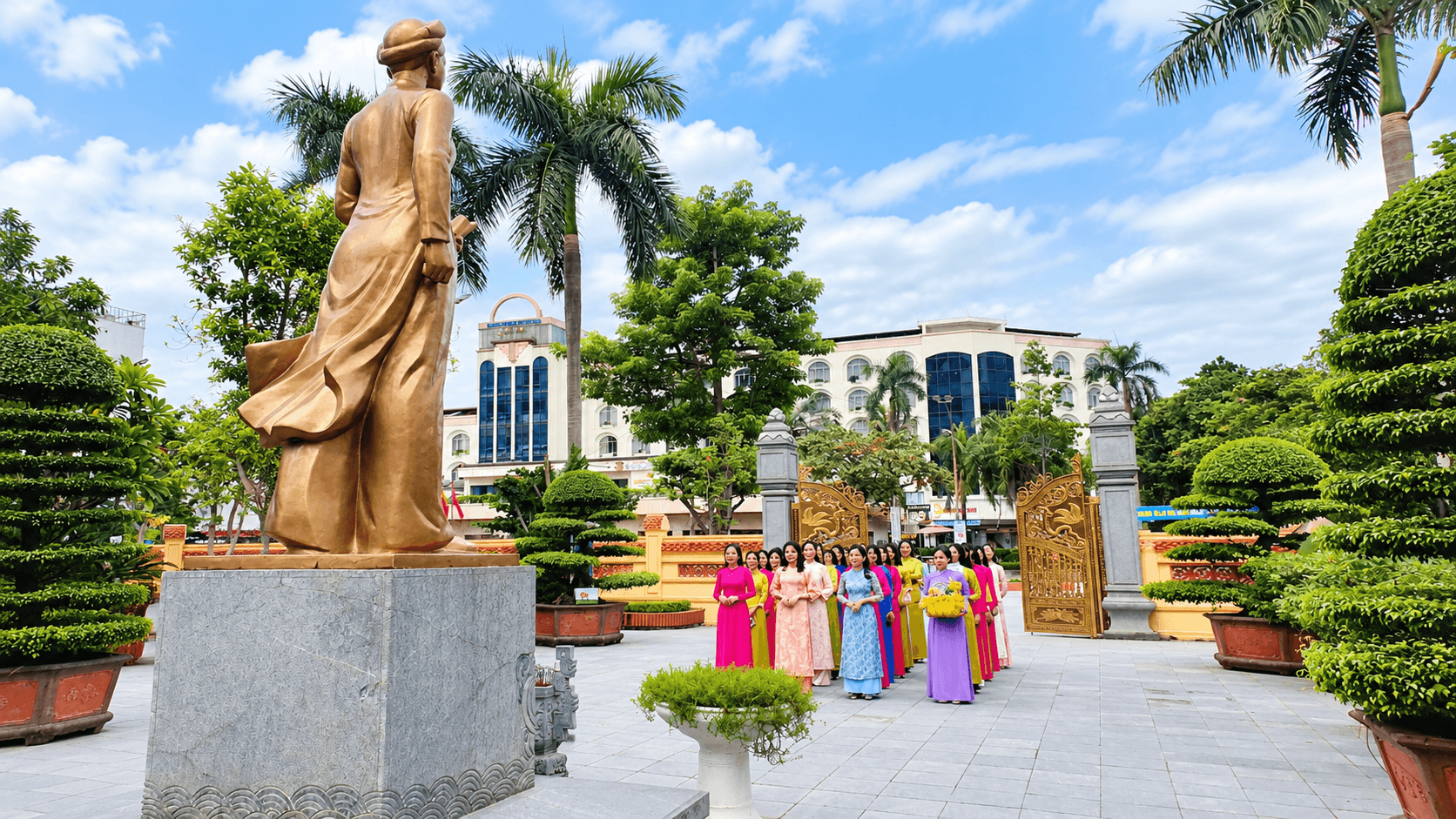
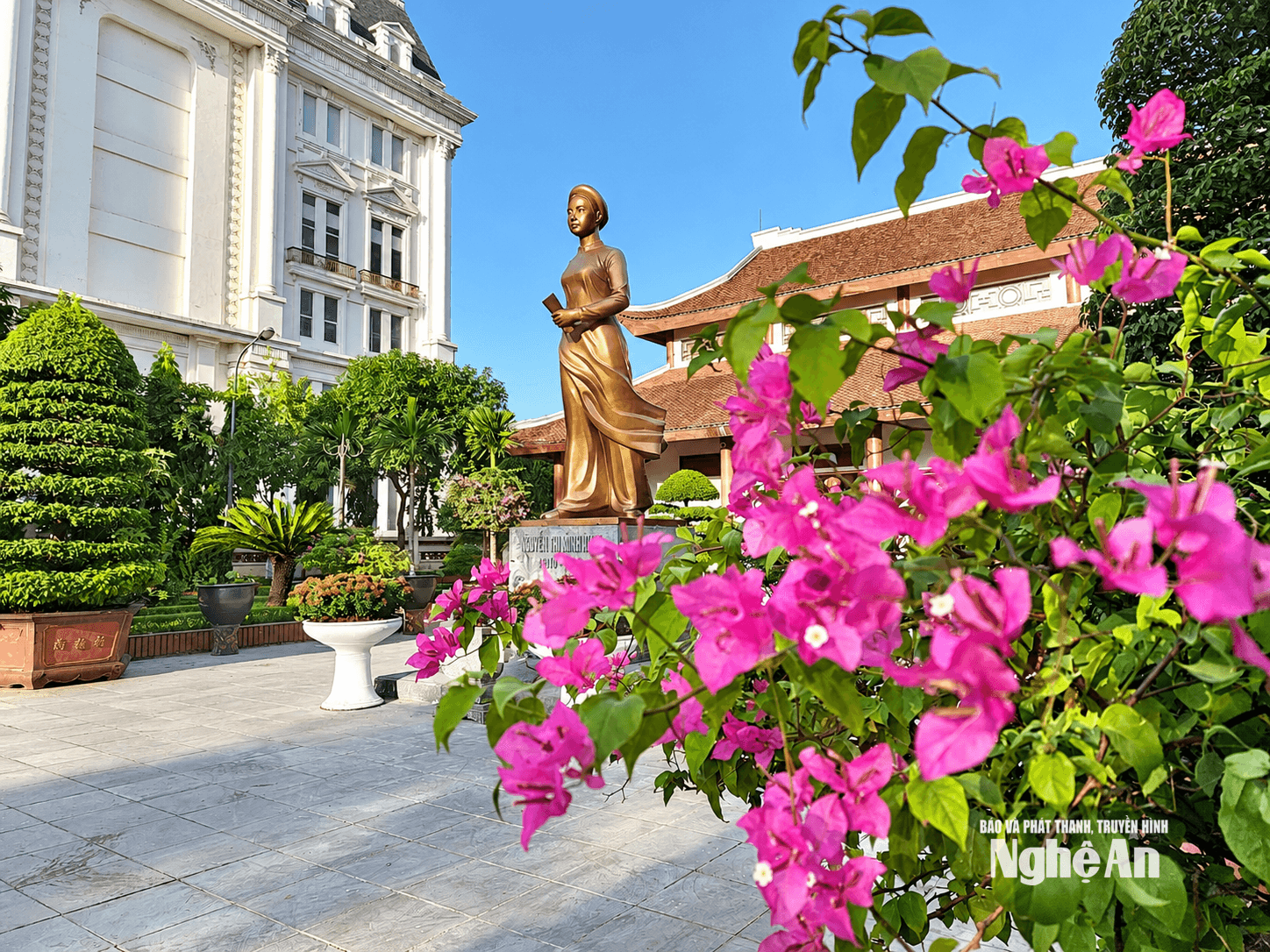
Amidst the bustling life of Quang Trung Street in Thanh Vinh Ward, the Nguyen Thi Minh Khai Memorial House always offers a unique sense of tranquility. Within its spacious grounds of approximately 2,400 square meters, a statue of the female hero stands surrounded by lush greenery. Behind it is the memorial house, built on the land where her family once lived. The photographs, documents, and artifacts here preserve milestones in the life and revolutionary activities of this female fighter of the early 20th century.
Nguyen Thi Minh Khai, whose birth name was Nguyen Thi Vinh, was born in 1910 into a family of civil servants living in Vinh town (formerly Vinh City). Her father was Nguyen Huy Binh, also known as Han Binh, from Hanoi, who worked as a railway official in Vinh. Her mother was Dau Thi Thu, from Duc Tung (Ha Tinh province). Born and raised in Vinh – one of Vietnam's industrial centers at the time – Nguyen Thi Minh Khai was instilled with a patriotic spirit from an early age. As a schoolgirl, she participated in patriotic activities and later dedicated herself to the revolutionary movement. Amidst the intense revolutionary struggle in Vinh - Ben Thuy, she actively mobilized women, propagated revolutionary ideas, and rallied the masses, contributing to the mobilization of women to participate in the revolutionary movement.
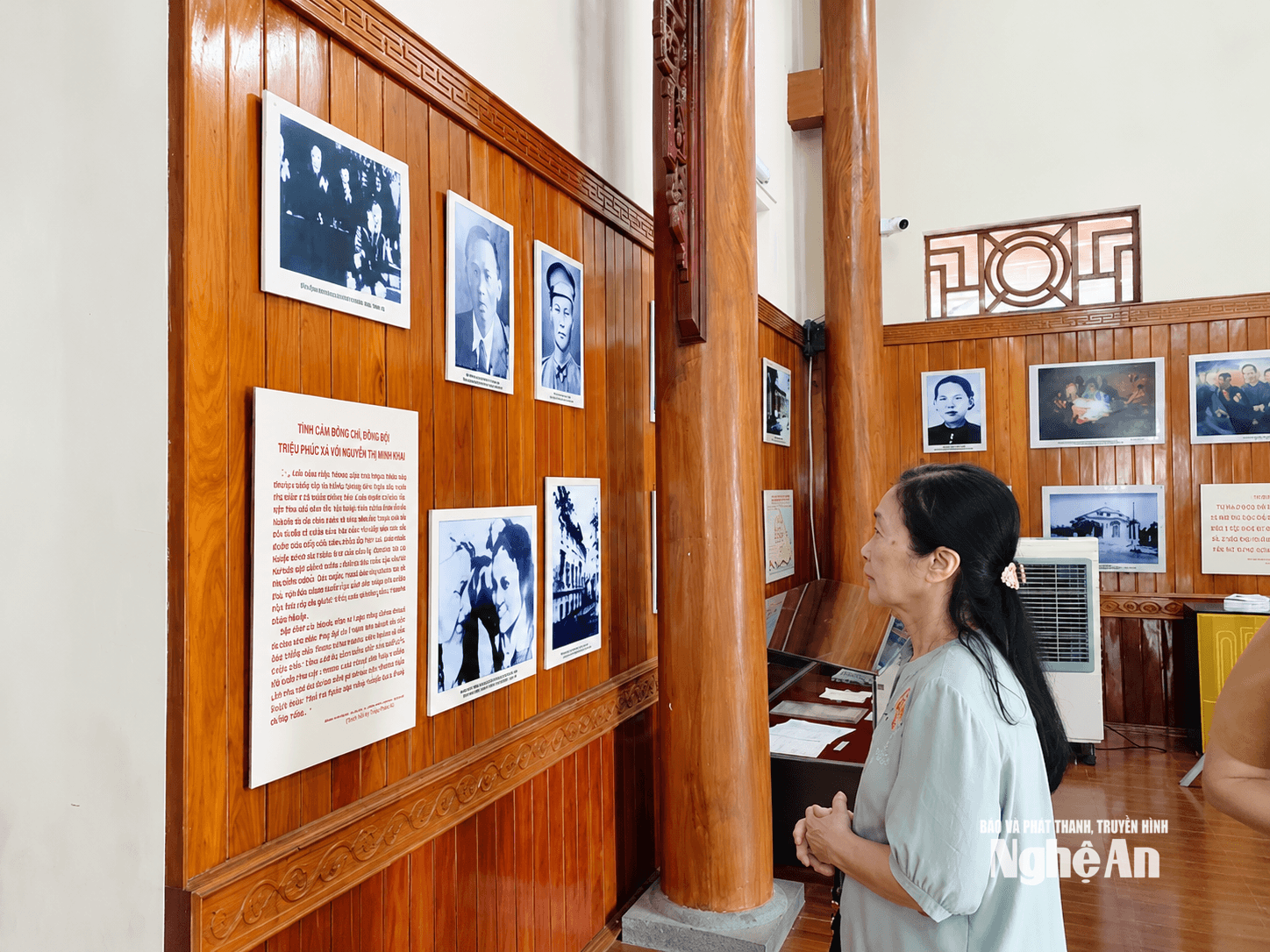
From her early activities, Nguyen Thi Minh Khai gradually assumed greater responsibilities in the revolutionary movement. She worked abroad, at the Eastern Branch Office of the Communist International; in 1937, she was appointed Secretary of the Saigon-Chợ Lớn City Party Committee. In her, the character of a communist fighter was not only demonstrated through her unwavering resilience in the face of danger, but also through her intellect, organizational skills, and progressive views on the role of women. At the 7th Congress of the Communist International in 1935, she spoke out against the injustices inflicted by the colonial and feudal regimes on the people of Indochina, especially women, and affirmed the important role of women in the national liberation struggle.
For Nguyen Thi Minh Khai, revolutionary ideals were affirmed not only through words and viewpoints but also through the sacrifices in her life. To fully pursue the struggle for national independence, she had to put aside her personal happiness, including the days she could have spent with her young child.
Mrs. Nguyen Thi Minh Khai married General Secretary Le Hong Phong and had a daughter, Le Nguyen Hong Minh. In the spring of 1940, when her daughter was only about a month old, she had to send her to a revolutionary base for care so she could continue her activities. It was a heart-wrenching choice for the young mother, as her personal maternal feelings had to give way to her revolutionary duty.
On July 30, 1940, while preparing for the Southern Uprising, Nguyen Thi Minh Khai was captured by the enemy. Despite enduring brutal torture, she remained steadfast and unyielding. On August 26, 1941, she was executed by the French colonialists at the Gieng Nuoc Hospital shooting range, now located in the Hoc Mon Hospital area, Ho Chi Minh City, at the young age of 31. The sacrifice of this female communist fighter leaves a shining example of patriotism, unwavering will, and dedication to national independence. The documents, images, and artifacts at the Nguyen Thi Minh Khai Memorial House continue to tell the story of her life and career, contributing to the preservation and transmission of historical values to present-day generations.
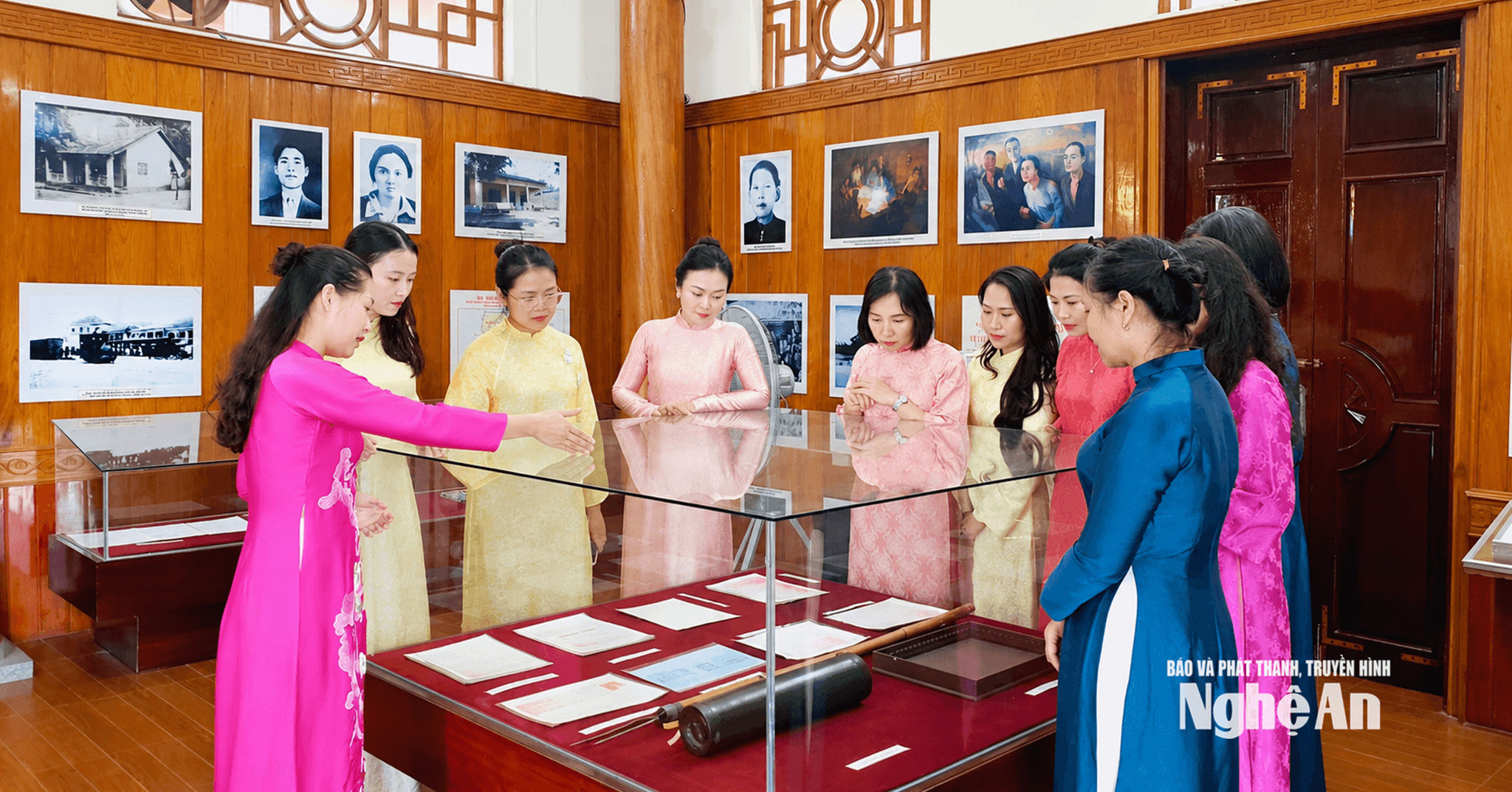
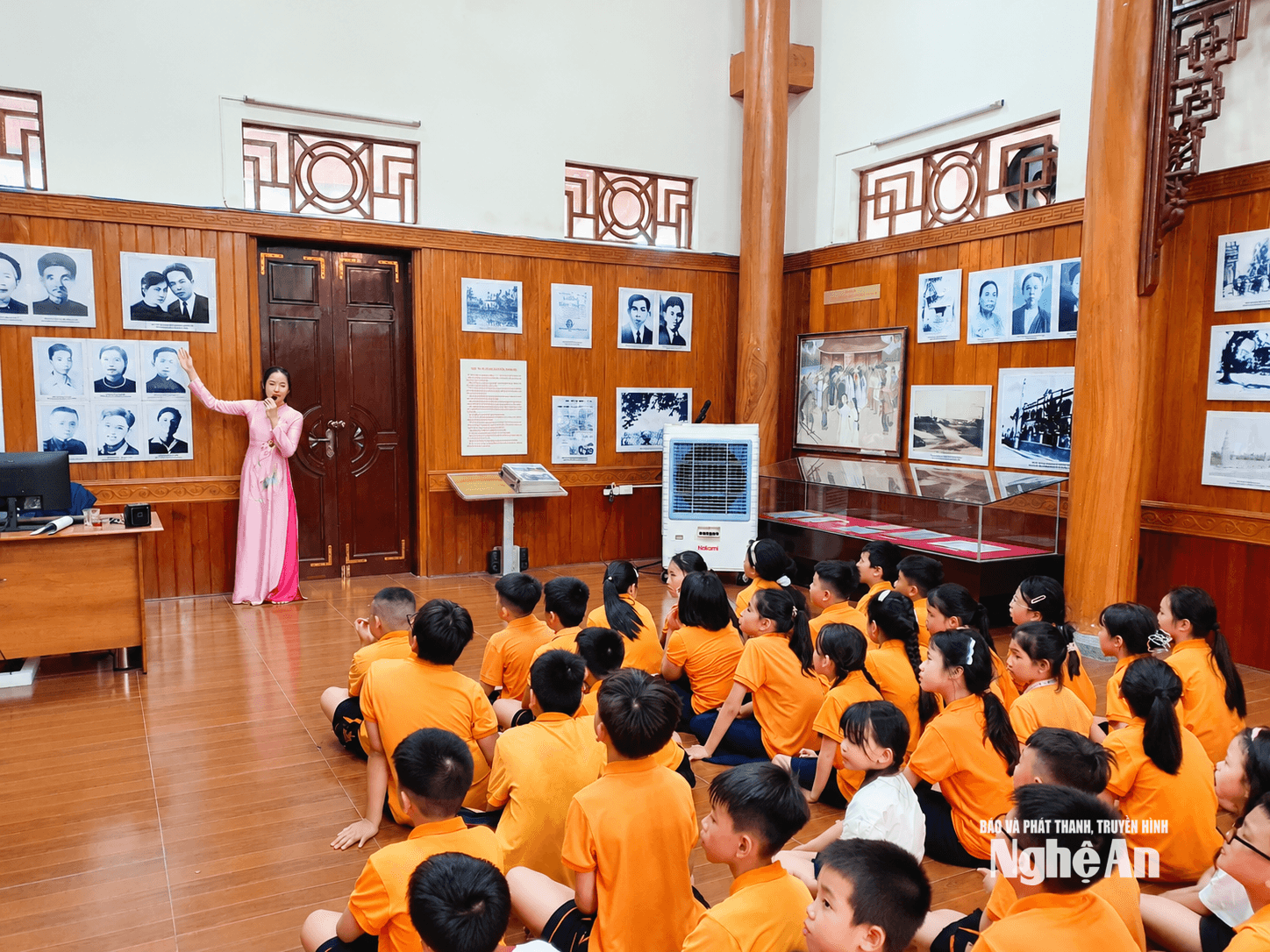
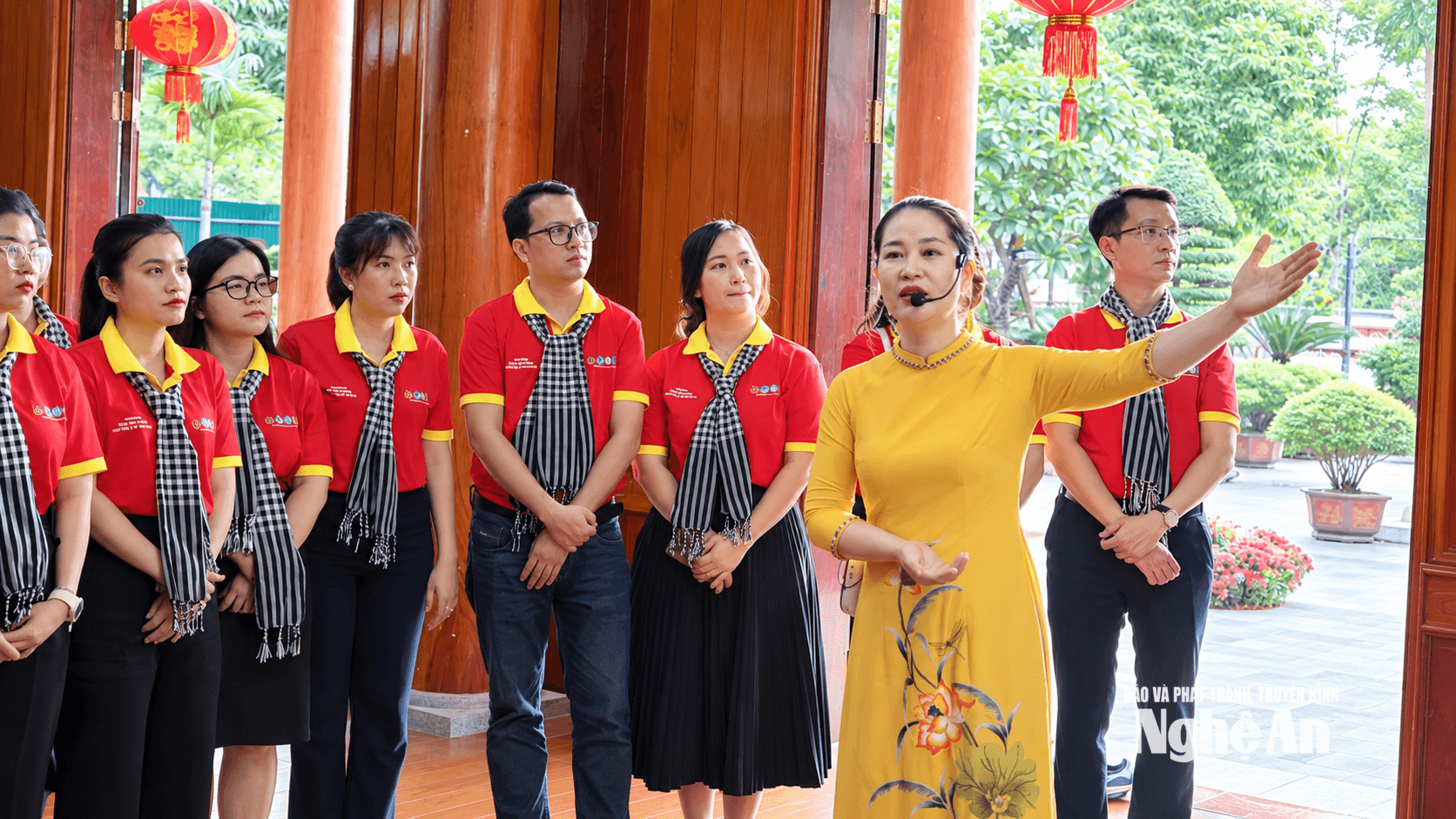
At the Nguyen Thi Minh Khai Heroine Memorial House, photographs, documents, and artifacts preserve the life story of the heroine. However, to bring this historical story closer to the public, it requires not only carefully preserved documents but also dedicated individuals who research and recount it with understanding and respect. This work has been the responsibility of two female tour guides, Nguyen Thi Thu Hang and Tran Thi Thu Hang, since the beginning of 2013.
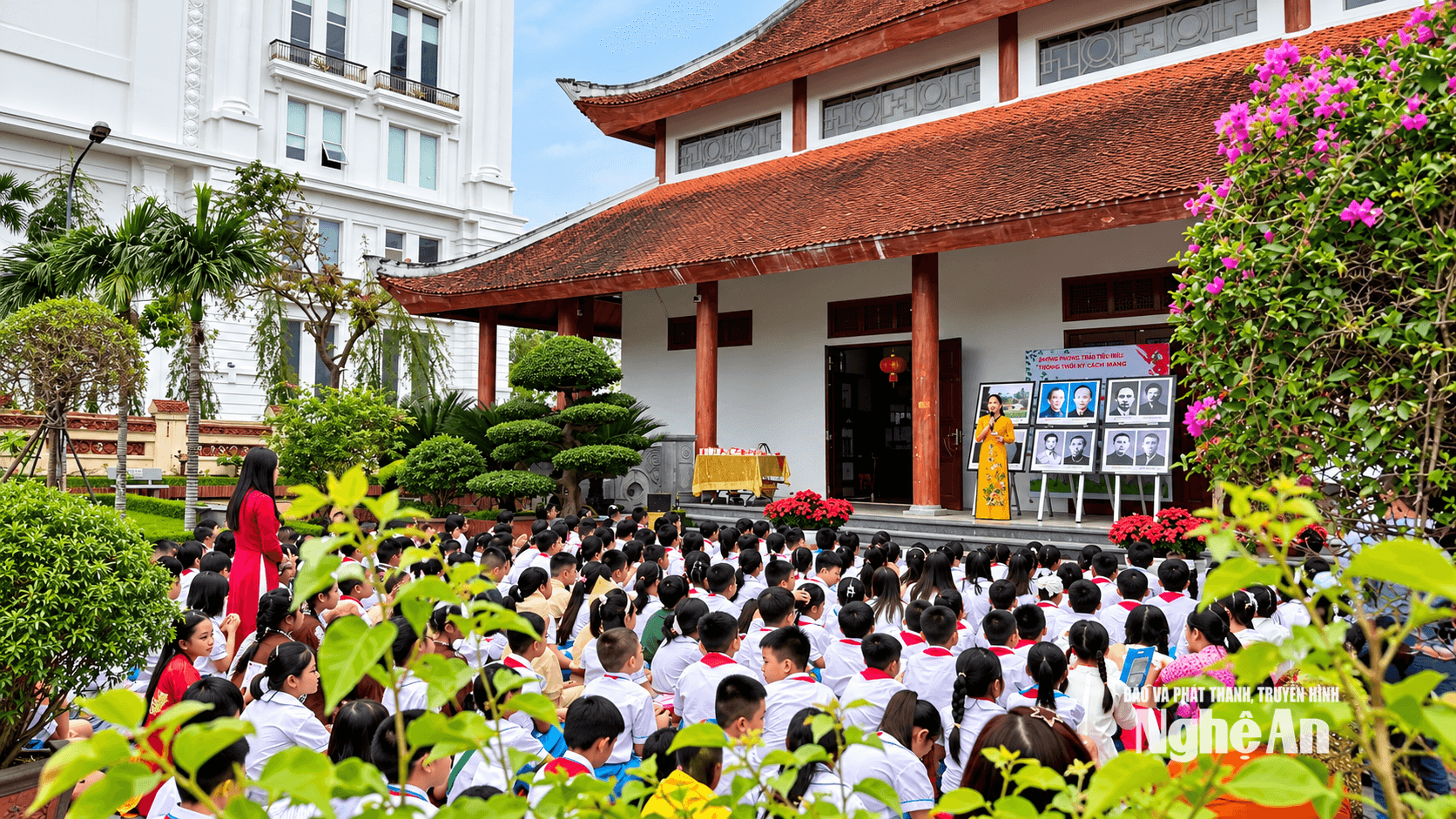
Both graduates with a Bachelor's degree in History, and both assigned to the Memorial House after applying to the Soviet-Nghe Tinh Museum, had the opportunity to learn more about the life and revolutionary career of Nguyen Thi Minh Khai. Tran Thi Thu Hang, born in 1988, has been associated with the site for nearly fifteen years, during which time she has come to understand and respect this female hero from her homeland. Initially, she took on the job by assignment, but the more she learned, the more she realized the significance of recounting the story of a woman who dedicated her youth and life to the revolutionary cause.
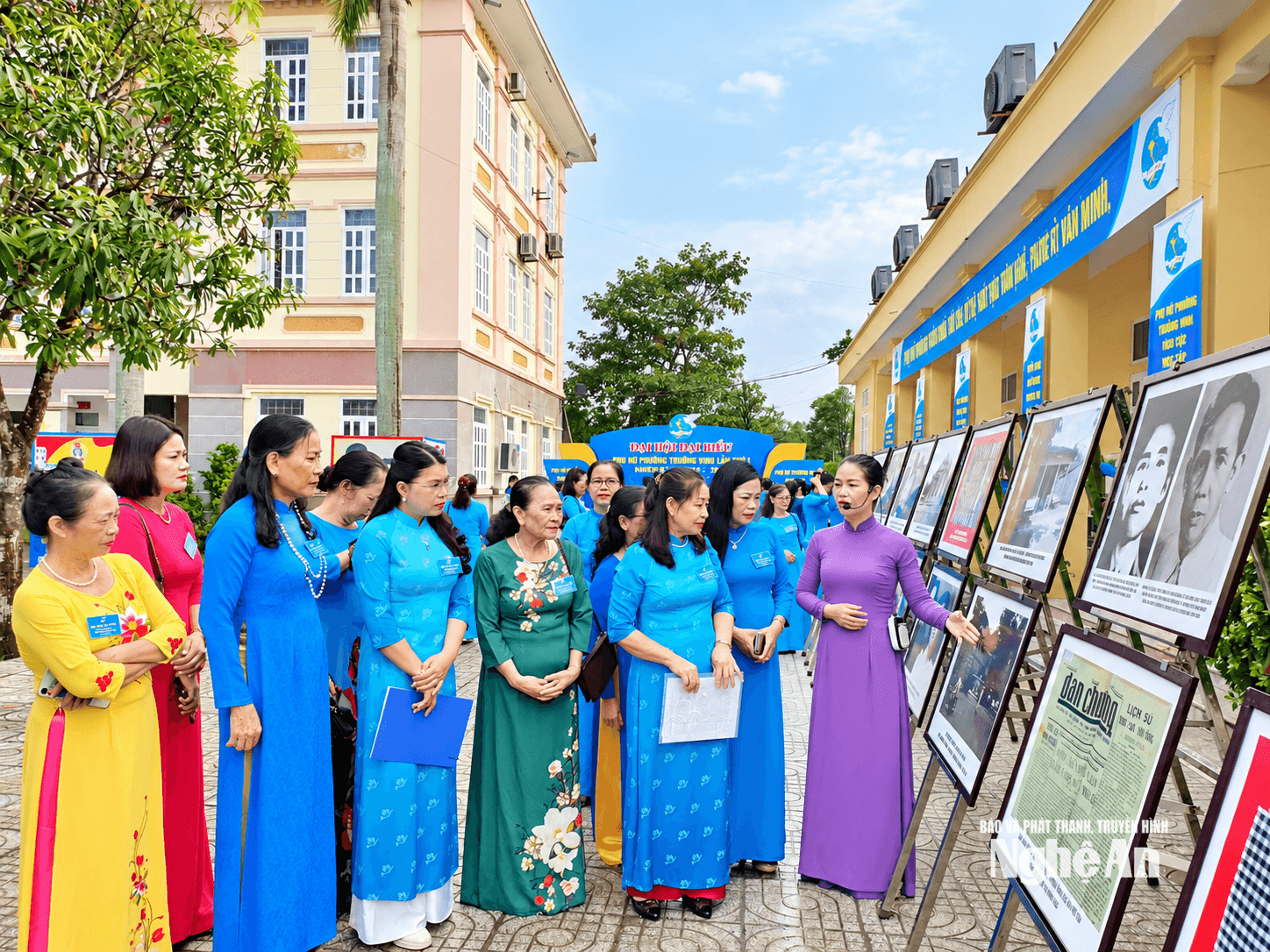
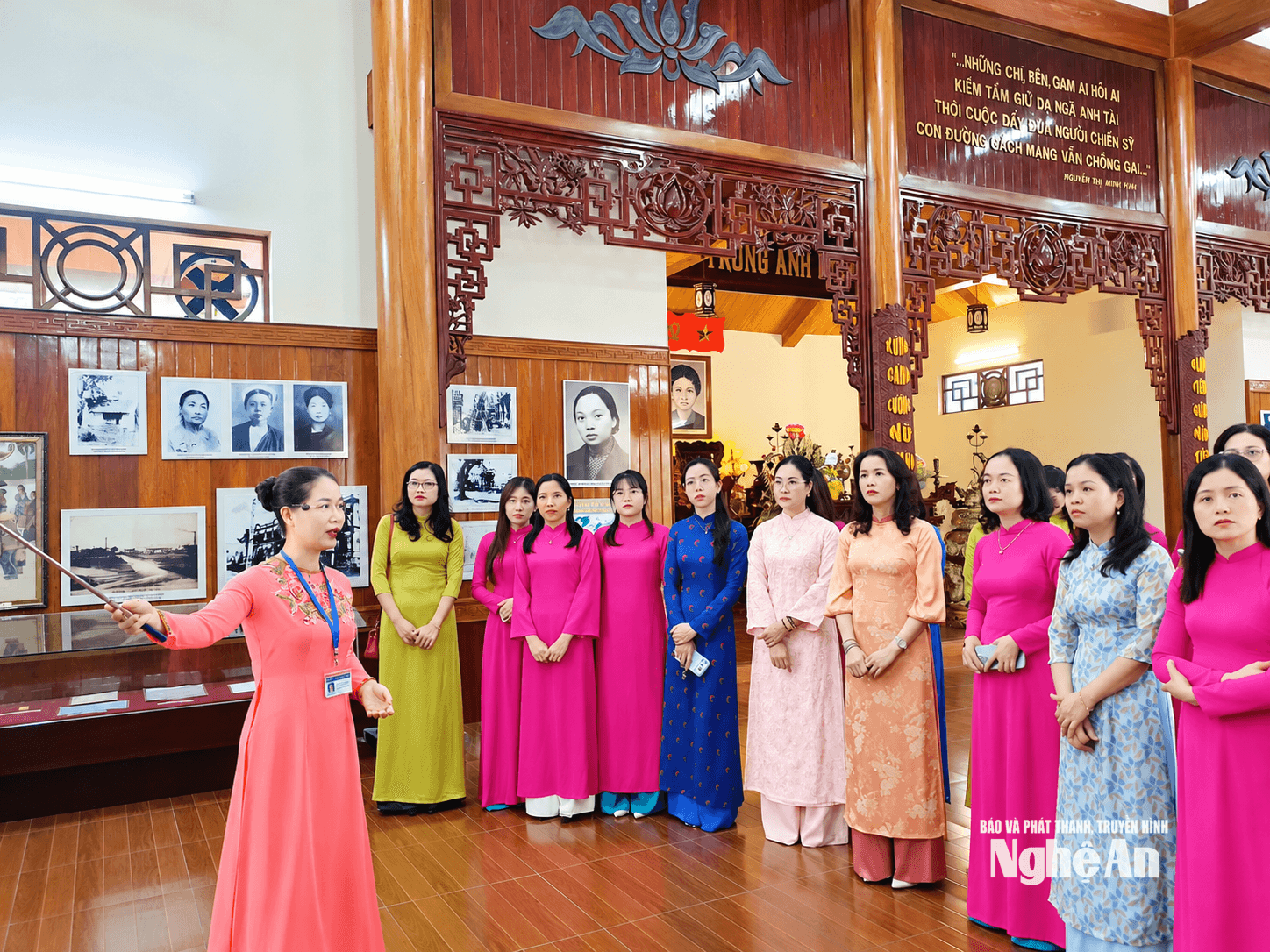
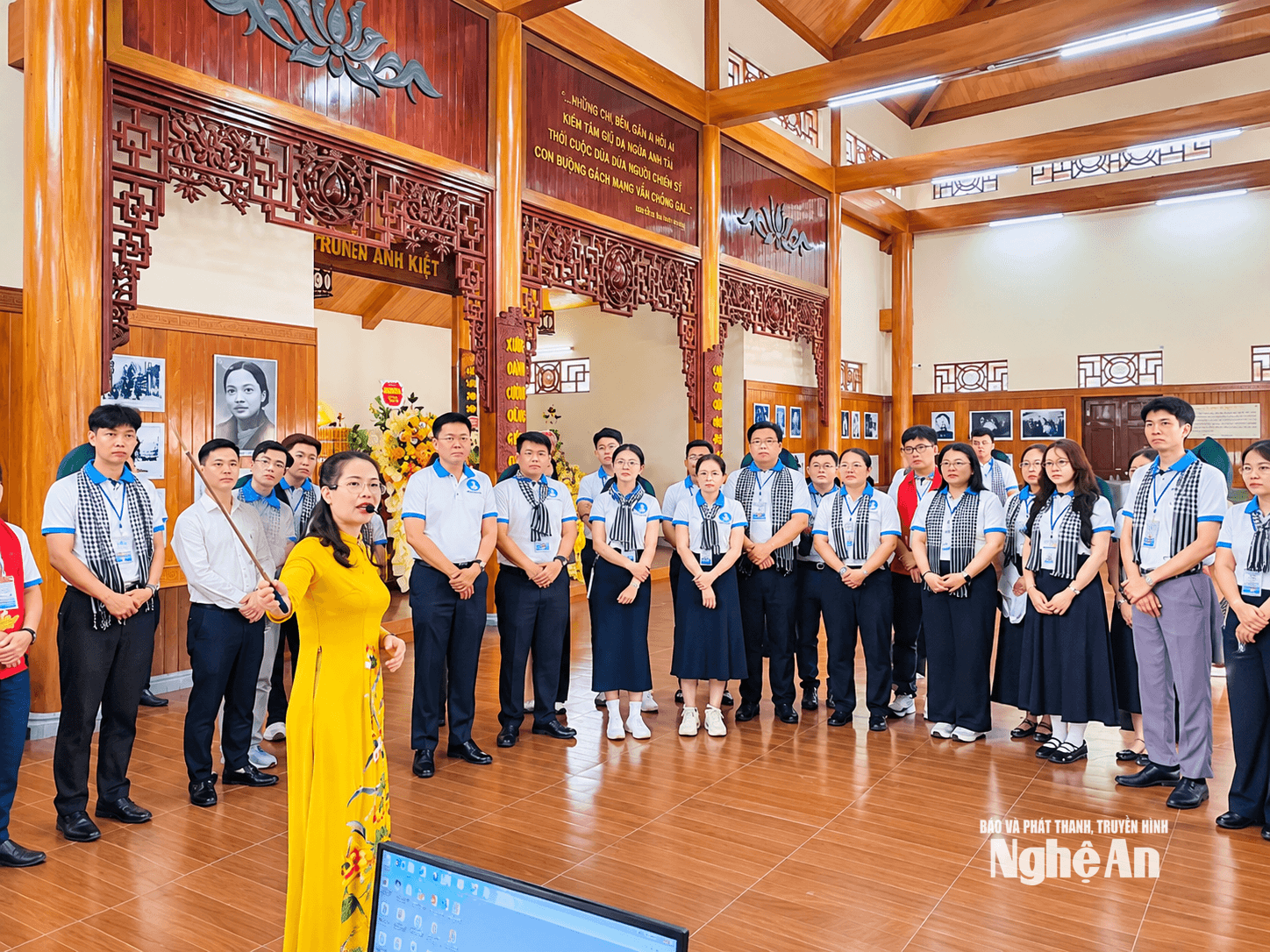
For Ms. Hang, tour guiding is not simply about introducing documents, artifacts, or recounting historical milestones. It's also about connecting the past with the present, helping listeners better understand the people behind those historical accounts. Through reading memoirs, literary works, watching films, and listening to stories from the relatives of female heroes, she and her colleagues carefully selected each detail so that each tour not only provides information but also evokes empathy in the audience.
In the revolutionary life of Nguyen Thi Minh Khai, the story that most moved Tran Thi Thu Hang was the heroine's separation from her daughter when the child was very young in order to continue her revolutionary activities. Behind the image of the resilient soldier was a mother who also had love and a desire to care for and be close to her child. But in a country still under oppression, she accepted sacrificing her personal happiness for the revolutionary cause.
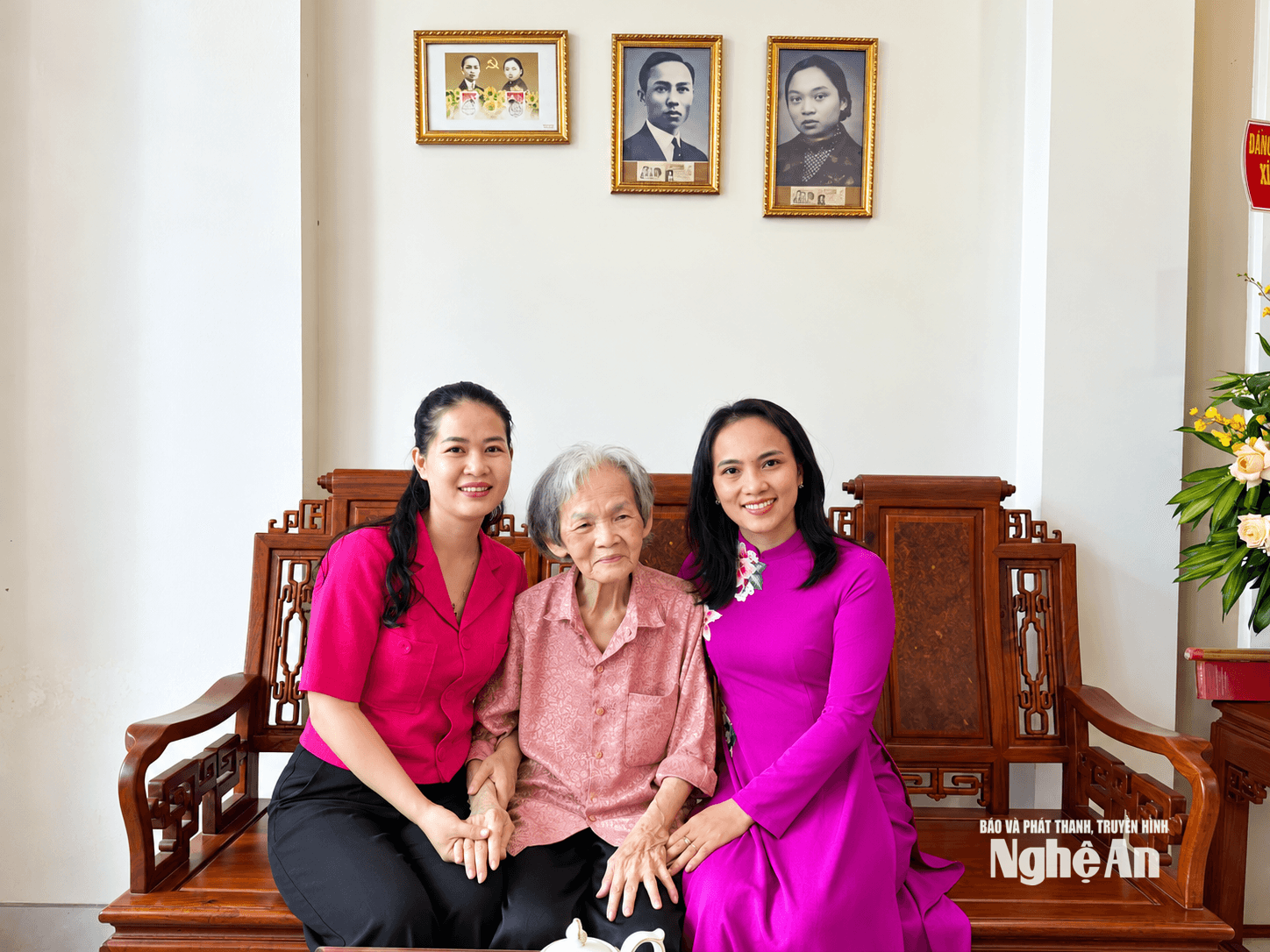
As a mother herself, Ms. Tran Thi Thu Hang deeply understands the sacrifice of Nguyen Thi Minh Khai, who had to be separated from her daughter when the child was only one month old. She shared: “The more I learn about her story, the more I deeply feel the heartache of a mother separated from her child when she is so young. The sacred bond of motherhood, the yearning to embrace and care for one's child, is a natural feeling for every mother. Therefore, the sacrifice of Comrade Nguyen Thi Minh Khai moves and inspires my admiration even more.”
Each time she recounts the story, she tries to maintain a slow, sincere tone, allowing listeners time to visualize the circumstances of the young mother separated from her infant child. According to her, the sacrifice is not only found in the years of imprisonment, the torture, or the heroic sacrifice, but also in the private separations and silent suffering. Through this story, she hopes that visitors will better understand the price of independence and freedom and appreciate the peaceful life we enjoy today even more.
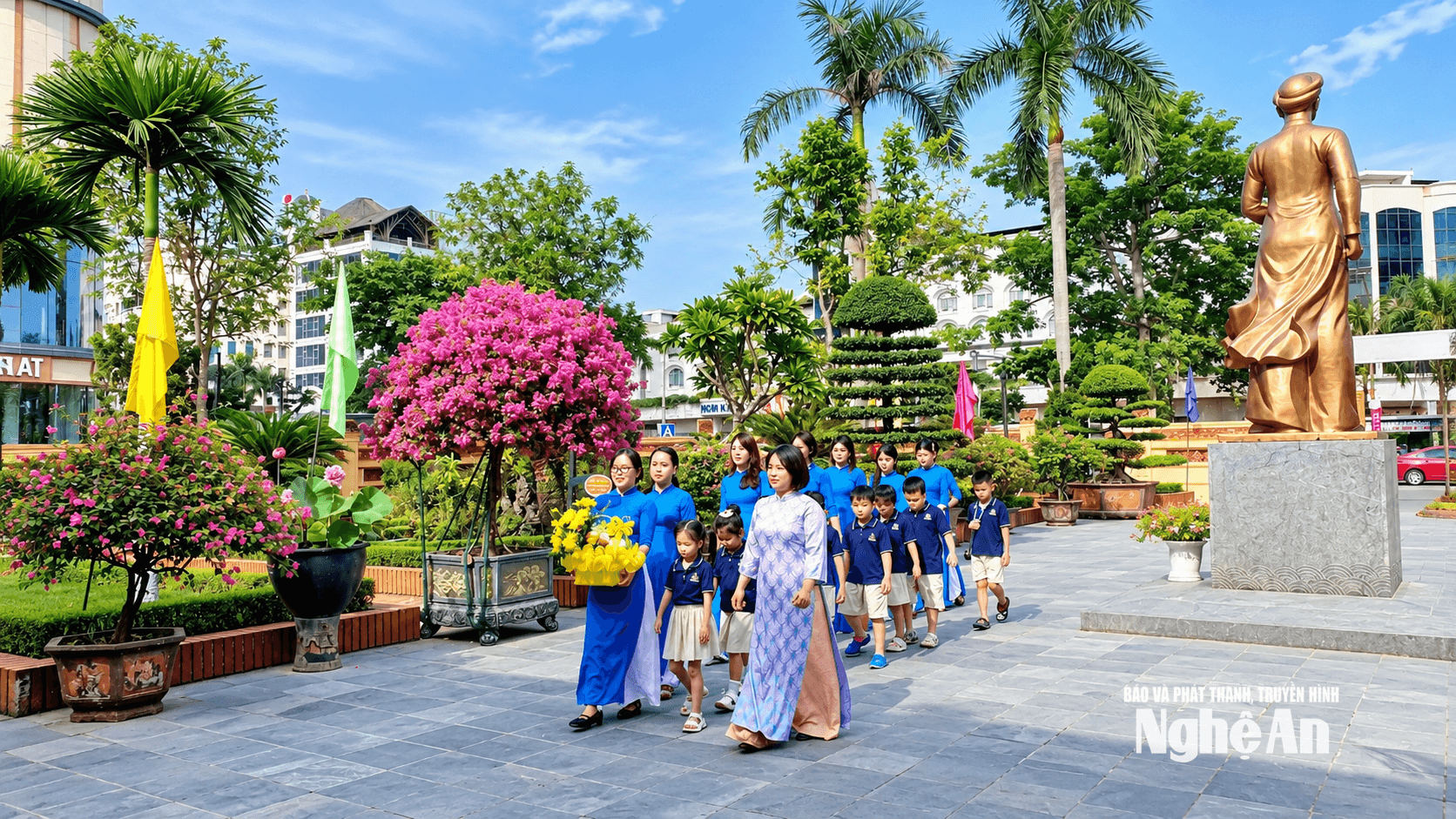
The memory of Nguyen Thi Minh Khai is preserved through the simple acts of those who visit the Memorial House. Ms. Tran Thi Thu Hang vividly remembers a woman, about 65 years old, who cycled to offer incense and then asked to borrow the book "The Two Sisters, Martyrs Minh Khai and Quang Thai." Knowing that the Memorial House only had one photocopy, she paid for ten more copies herself and gave them away, hoping that many people could read them. From someone who came to read the book, she became someone who contributed to bringing the story of the female hero to more people.
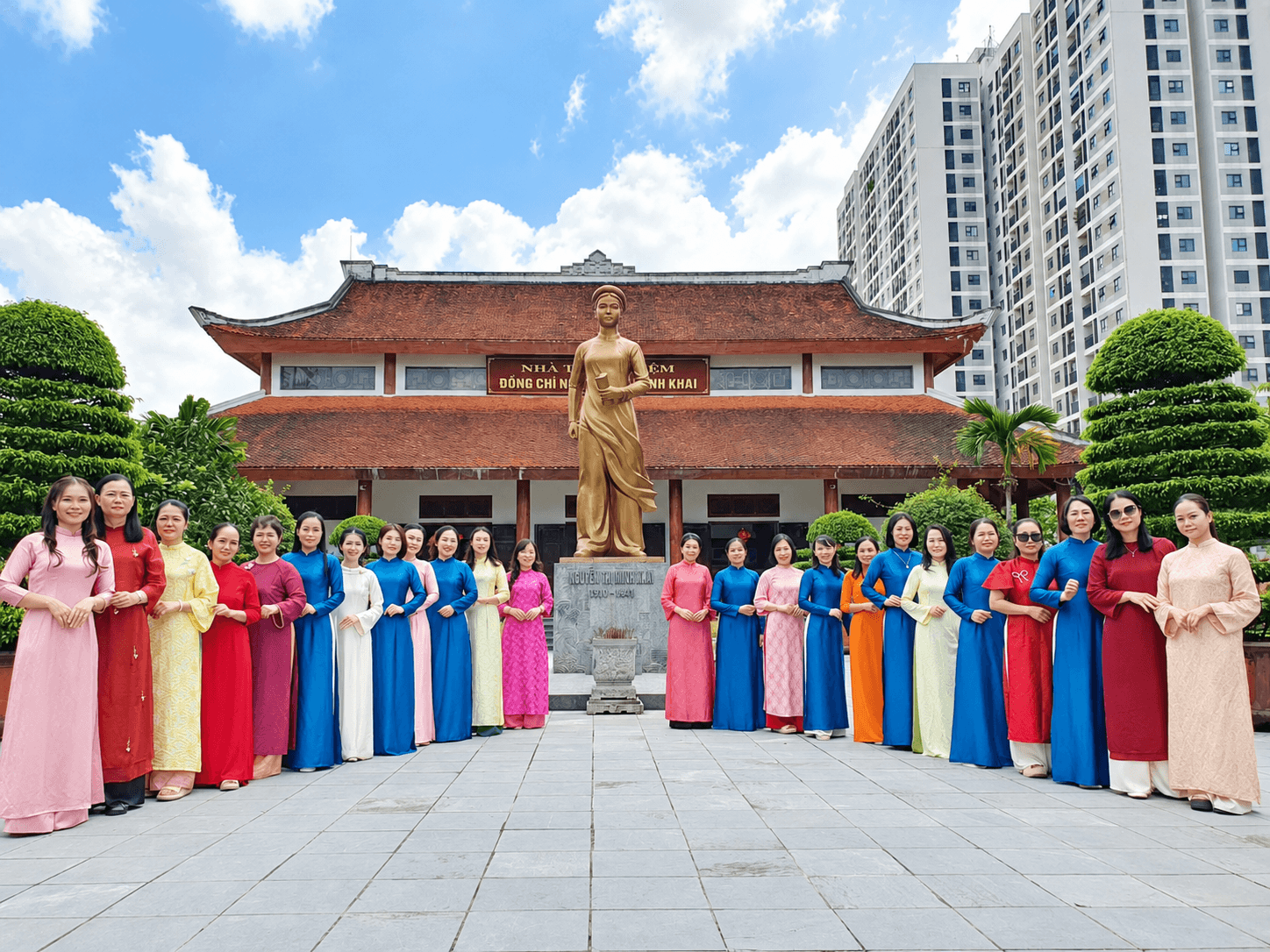
Another person, Mr. Binh, over 70 years old, also frequently brings books and articles he has collected about Nguyen Thi Minh Khai to donate to the Memorial House. Without fanfare, he patiently gathers each document to add to the collection preserving memories of her. One person shares books, another carefully collects documents; these small acts together contribute to preserving and continuing the story of this female hero.
From the stories told by female tour guides to the donated books, the memory of Nguyen Thi Minh Khai is being preserved through simple acts. Through these actions, the life and ideals of this female hero are not only preserved in documents and artifacts, but also continue to be present in the care and respect of people today.