
Where cultural resources are nurtured.
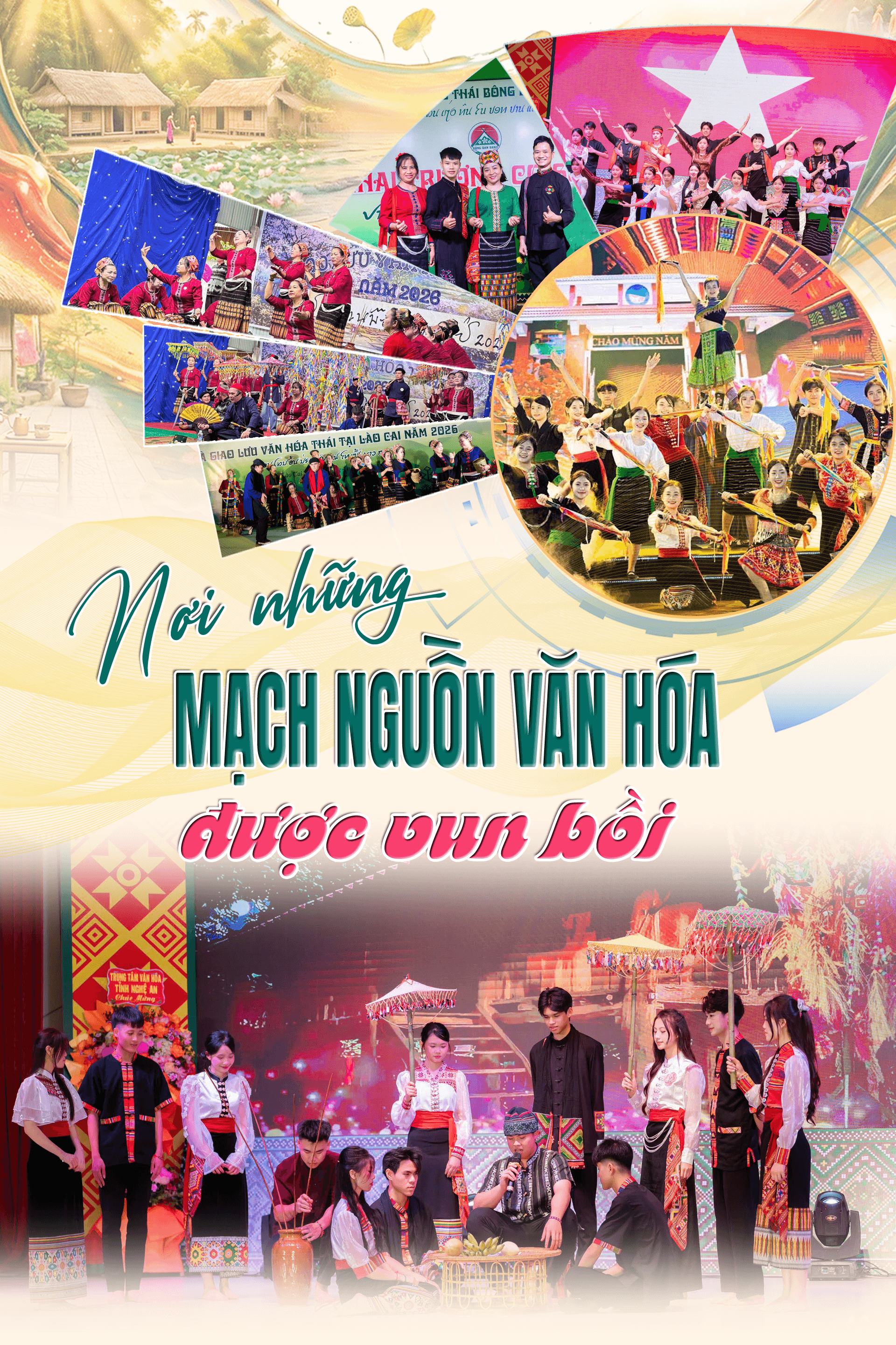
Without allowances or remuneration, many clubs in the province still have a significant impact in preserving and promoting national cultural values. Through the voluntary efforts and dedication of those who love culture, these clubs have been implementing creative methods to help the community, especially the younger generation, learn about, understand, and directly practice the cultural values of their people.
Thanh Quynh/Present: Hong Toai •30/9/2026
*****
Without allowances or remuneration, many clubs in the province still have a significant impact in preserving and promoting national cultural values. Through the voluntary efforts and dedication of those who love culture, these clubs have been implementing creative methods to help the community, especially the younger generation, learn about, understand, and directly practice the cultural values of their people.
Anyone who has ever visited Na Duoi village, formerly Mau Duc commune, now Mau Duc hamlet, Mau Thach commune, will surely be impressed by the classes teaching gong and drum playing, furrow carving, and cultural exchanges of the Thai ethnic group. In that setting, the sounds of gongs, drums, and furrow carving blend with folk melodies like lam and khap, bringing traditional cultural values closer to listeners, especially young people. And the person behind these classes and exchanges is Luong Quang Huy, born in 2003 – the head of the "Preserving and Conserving Thai Culture in Mau Duc Hamlet" Club.
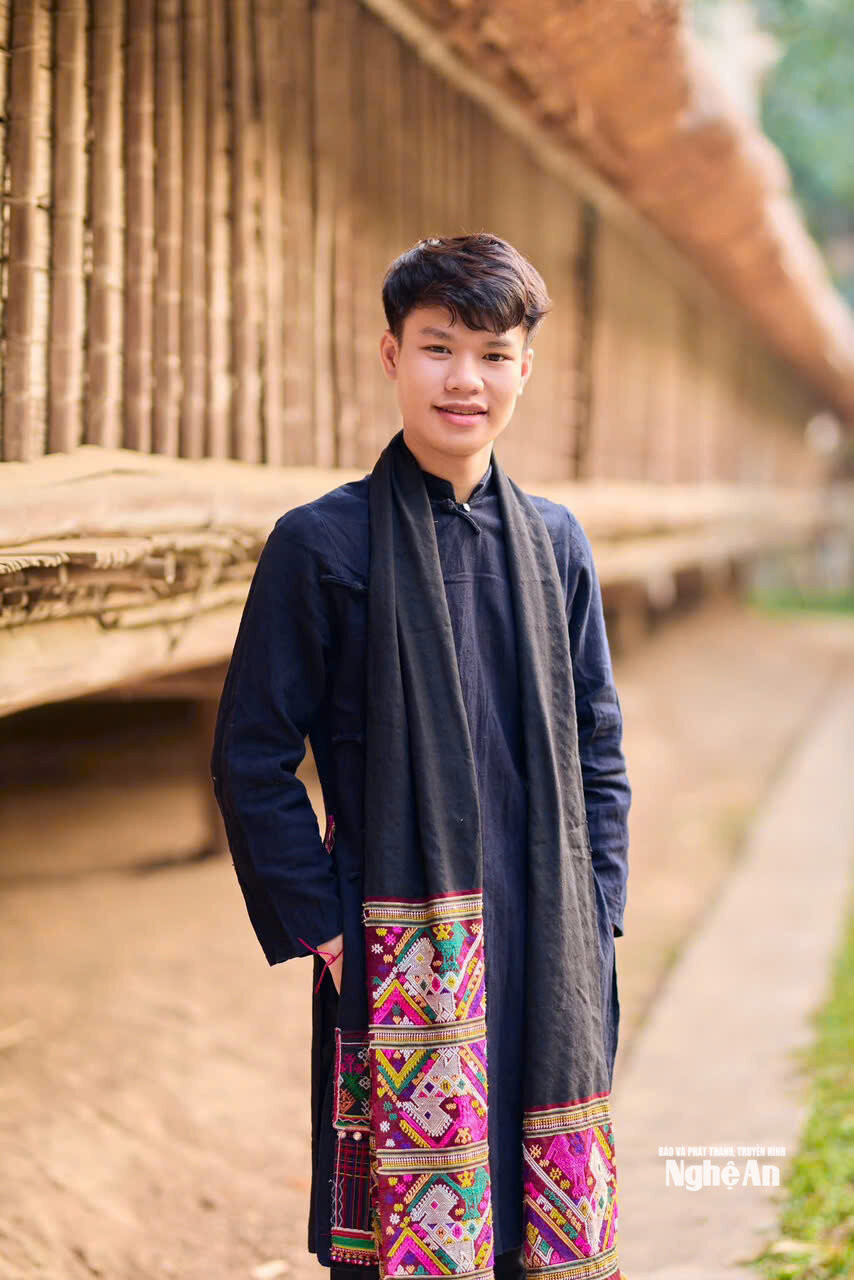
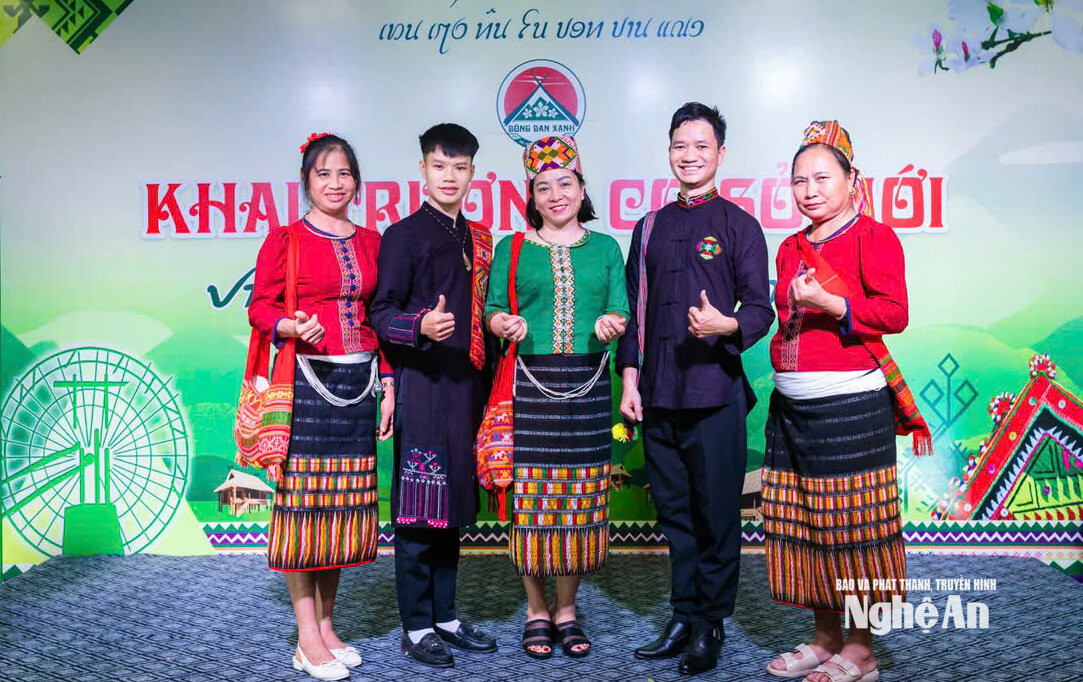
On the way back to his village, Luong Quang Huy shared that Mau Duc village currently has 487 households, of which more than 90% are ethnic Thai people. Born and raised in a community rich in the cultural identity of his ethnic group, especially with his grandmother and grandfather both being passionate about Thai folk songs, Huy's love for ethnic culture was nurtured from a young age.
But as he grew older, especially during his time as the Youth Union Secretary of the village, Huy began to notice something that troubled him. That was the fact that cultural values that were once naturally present in village life were gradually becoming unfamiliar to a segment of the young people. Many folk songs and traditional musical instruments were no longer used or explored by the younger generation as before.
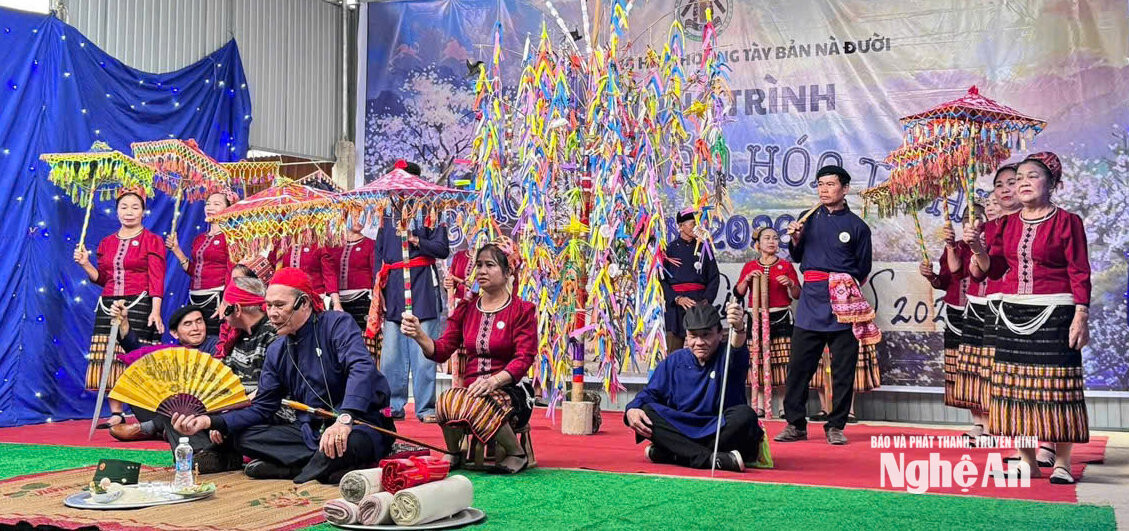
Meanwhile, in the village, there are still elderly people who are knowledgeable about customs and traditions, know how to sing folk songs, play musical instruments, and possess a wealth of cultural heritage of the community. They wish to pass this on to the next generation, but organizing the regular transmission of this valuable heritage is not always easy.
Driven by this concern, the young Thai man proposed to the village Party branch and the village head the establishment of a Thai Culture Club. The club would bring together like-minded individuals who understood customs and traditions, knew how to play traditional musical instruments, and possessed knowledge of Thai culture to teach the younger generation. Huy's idea received support from the village and the commune's People's Committee. In March 2024, the club was established. Initially, the club was named "Hặc Pèng hít Khòong tày," which in Thai means "those who love Thai culture." Trusted by the villagers, Huy took on the role of Club Chairman.
Later, to better reflect its activities and direction, the club changed its name and received a new designation as the "Club for Preserving and Conserving Thai Culture of Mau Duc".
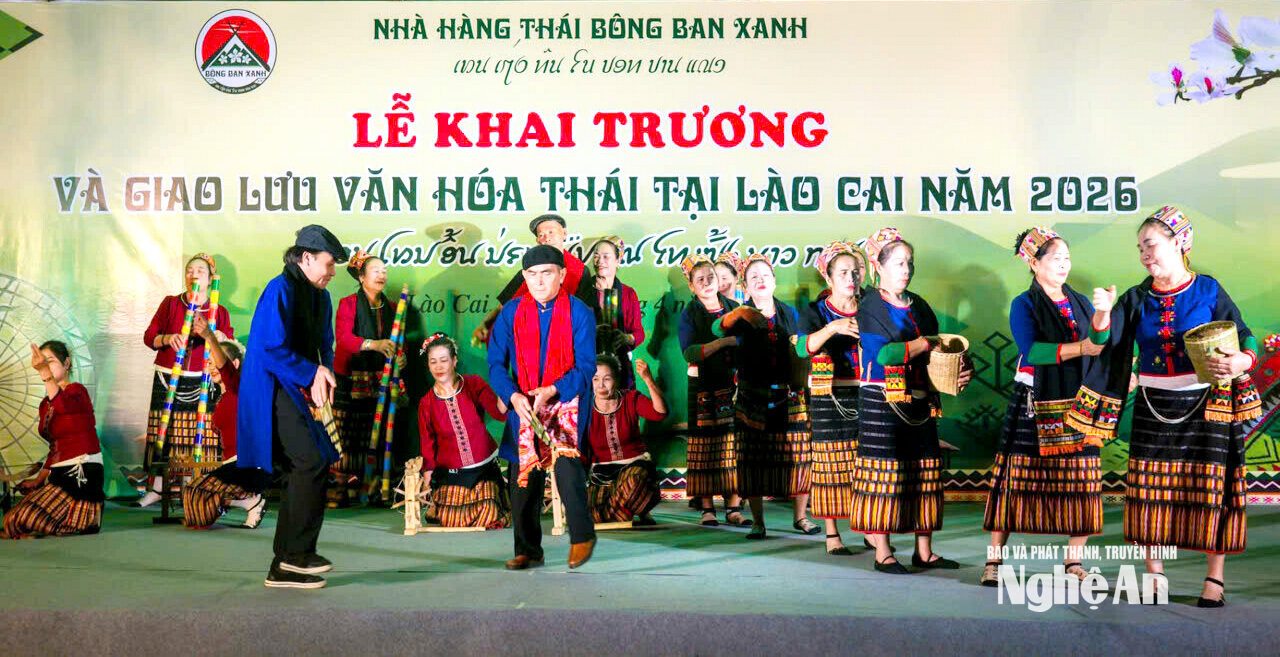
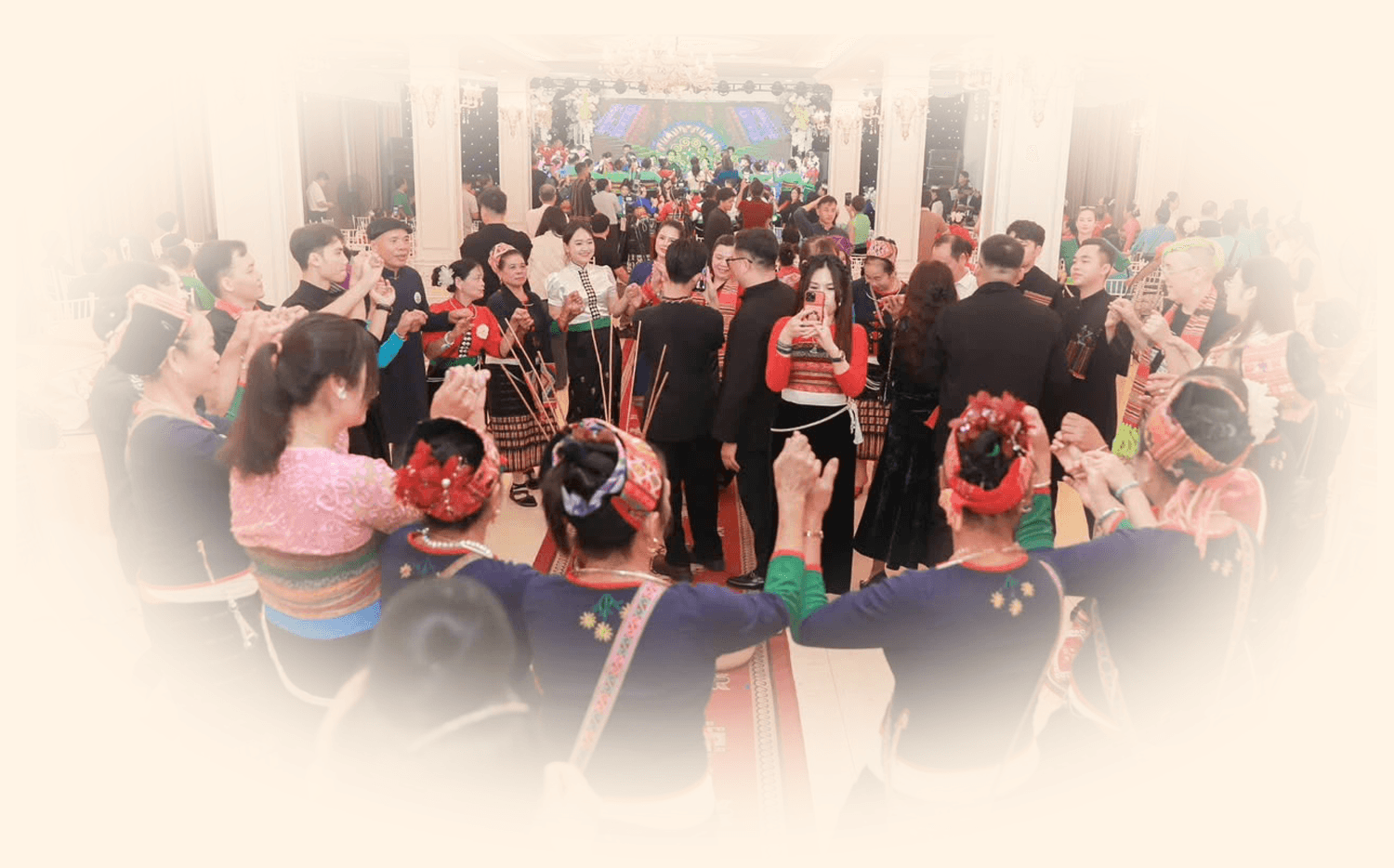
To date, the club has 38 members. Since its establishment, the club has opened classes to teach students in the commune the basic cultural aspects of their ethnic group, from customs and traditions to folk cultural activities. In addition to organizing activities locally, thanks to Huy's connections, the club has participated in Thai cultural exchanges in the provinces of Lao Cai, Son La, Lai Chau, and Hanoi.
Notably, to make these trips and exchanges possible, Huy and the other members are willing to cover all the expenses themselves. The local training classes are also organized completely free of charge. Although this work does not provide any allowance or income, Huy and the club members voluntarily dedicate their time and effort to maintaining these activities to foster a love for national cultural identity in the hearts of young people.
Looking at the province as a whole, more and more young people are proactively seeking out ethnic culture and choosing their own ways to preserve and promote those values. For example, Lu Thanh Duc, Vice Chairman of the Fatherland Front Committee and Secretary of the Youth Union of Hung Chan commune, has dedicated many years to maintaining the "Preservation of Thai Ethnic Cultural Identity" Club, organizing classes to teach Thai script, folk songs, and traditional cultural features to young people. Similarly, Sam Ngoc Suong (Ham village, Muong Ham commune) has built a community tourism model in his hometown, connecting with local teams, groups, and clubs to promote tourism and spread traditional cultural features to visitors. Or in Muong Xen commune, many young people are key members of the Mong flute club. These are the "red threads" that are seeking ways for ethnic culture to continue to be present in contemporary life.

At Truong Vinh 1 Primary School, for many years, the Nghe Tinh Folk Song Club has become a place where generations of students have become familiar with, learned to sing, and practiced the folk melodies of their homeland. The club is headed by Mr. Bien Ngoc Khanh, the Head of the Youth Union. He said that he started connecting with and establishing the club in 2014, the time when Nghe Tinh Folk Songs were inscribed by UNESCO as a Representative Intangible Cultural Heritage of Humanity.
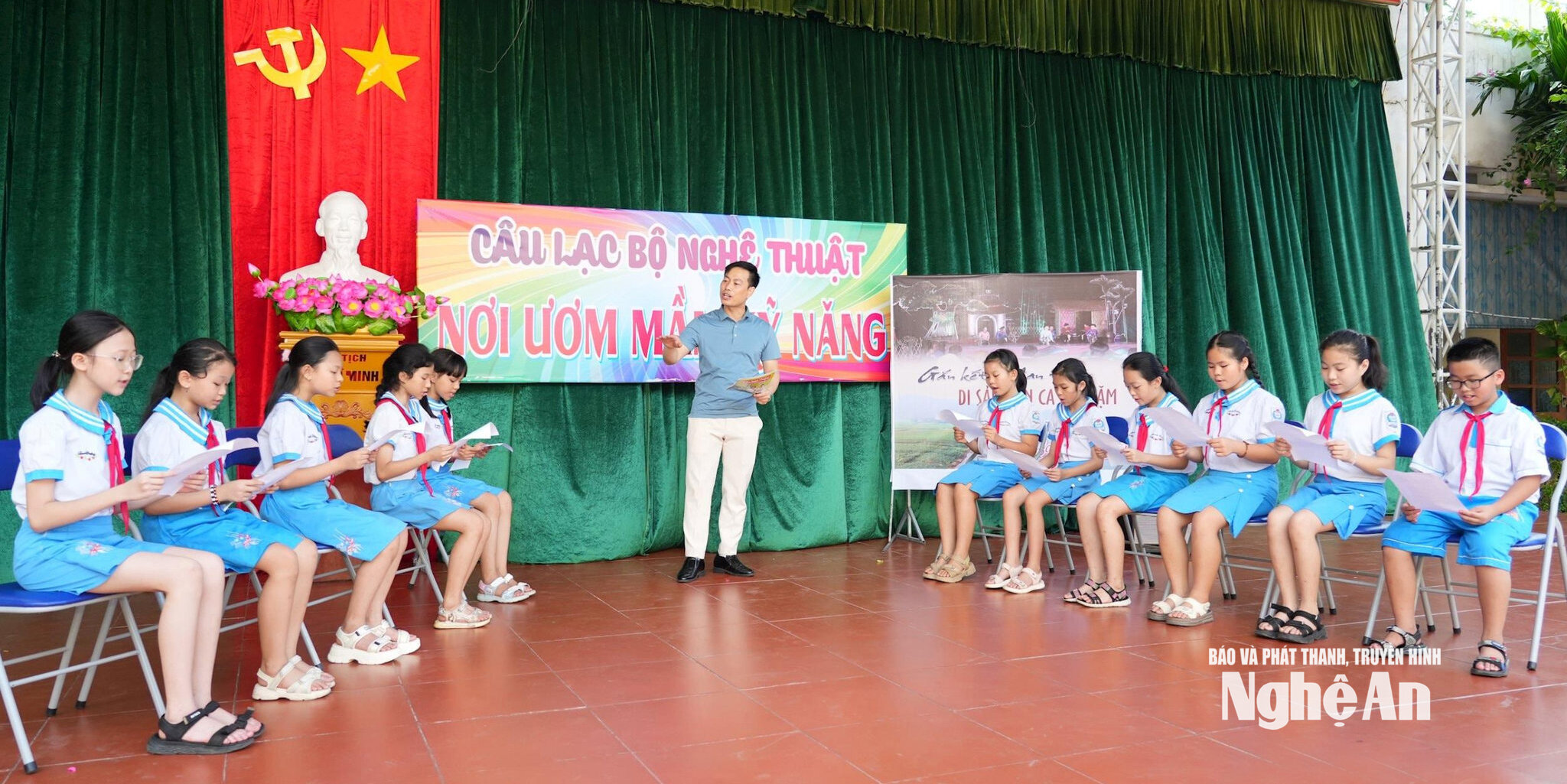
In the early days, maintaining a folk music club in the school was not easy. Not all students enjoyed folk music, and convincing parents and students to dedicate time to these traditional songs required a great deal of effort from the teacher. Along with that, he independently searched for materials, learned from artisans, and simultaneously composed new lyrics suitable for the age group so that the children could easily sing, remember, and feel a connection to their lives. Through songs about loyalty, fidelity, filial piety, and community spirit, cultural values were conveyed to the students in a more intimate and natural way.
Thanks to Mr. Khanh's dedication, the club has been effectively maintained for over a decade, with approximately 25-35 students participating each year. Many generations of students have had the opportunity to learn, practice, and grow alongside the folk songs and melodies from the club. This environment has also fostered passion and provided a foundation for talents like Nguyen Thi Le Na, Le Sy Luan, Bach Khanh Linh, Nguyen Tra My, Nguyen Khanh Vy, and others to continue their efforts in school folk song competitions and achieve remarkable results.
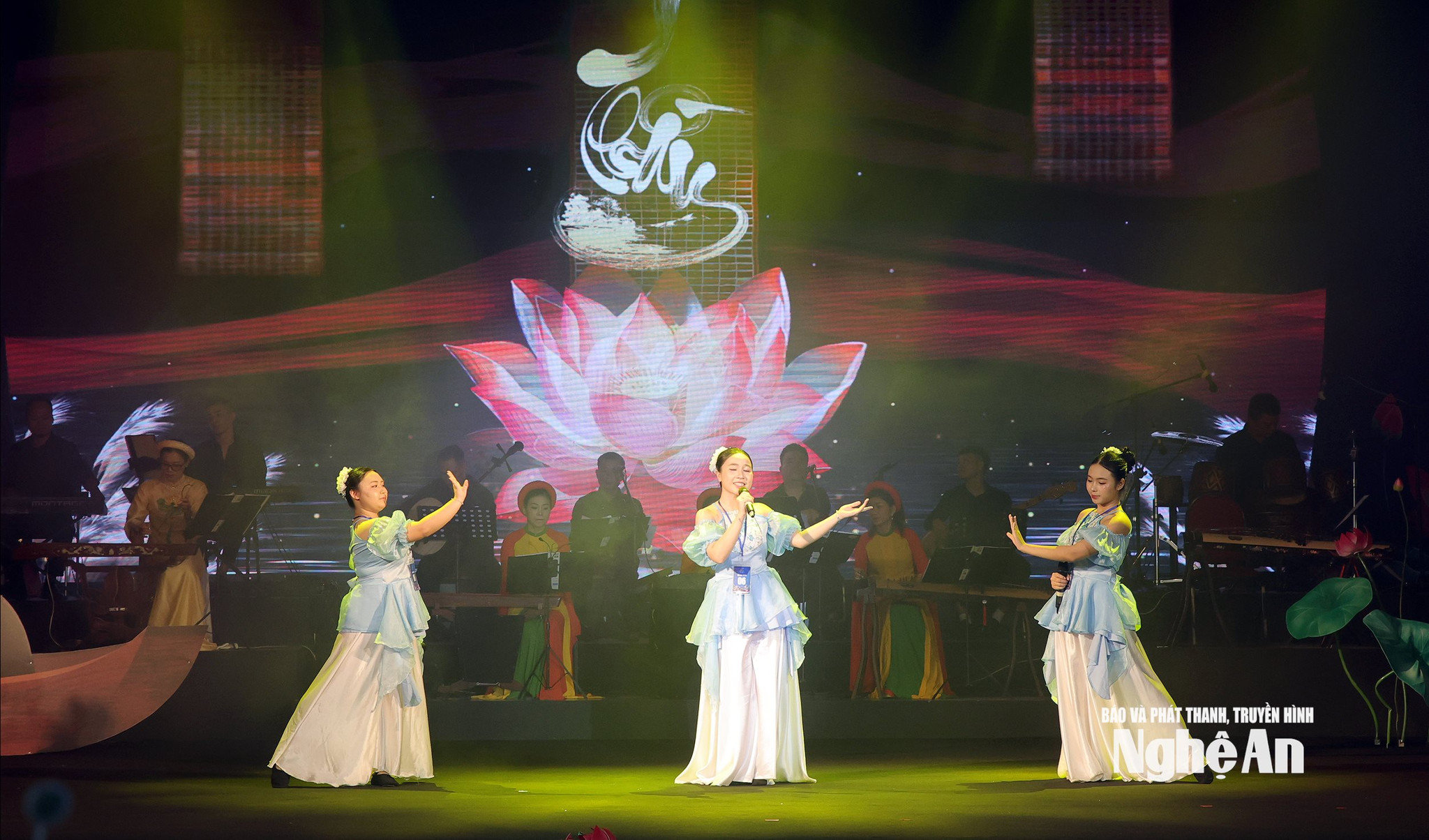
In particular, upon entering high school, Bach Khanh Linh and Nguyen Khanh Vy continued their connection, forming the group "Green Lotus Bud" to participate in the "Searching for Nghe Tinh Folk Song Talent" competition in 2026 and winning the third prize overall. From their singing practice sessions at elementary school, the songs of their homeland have followed them to larger stages, becoming an integral part of their cultural choices and activities in their lives.
Meanwhile, at Nghe An Ethnic Boarding High School, the "Ethnic Arts" Club has for many years created a useful space for students to learn about and practice the cultural aspects of their own ethnic group.
The "Traditional Clothing - Ethnic Identity" Committee, with 40 members out of the club's total of 230 members, is considered a key factor in researching the clothing, customs, traditions, and distinctive cultural characteristics of various ethnic groups. Members conduct their own research and exchange ideas with artisans and cultural experts to gain more knowledge, which they then share with students in the school, helping them understand and practice these traditions appropriately.
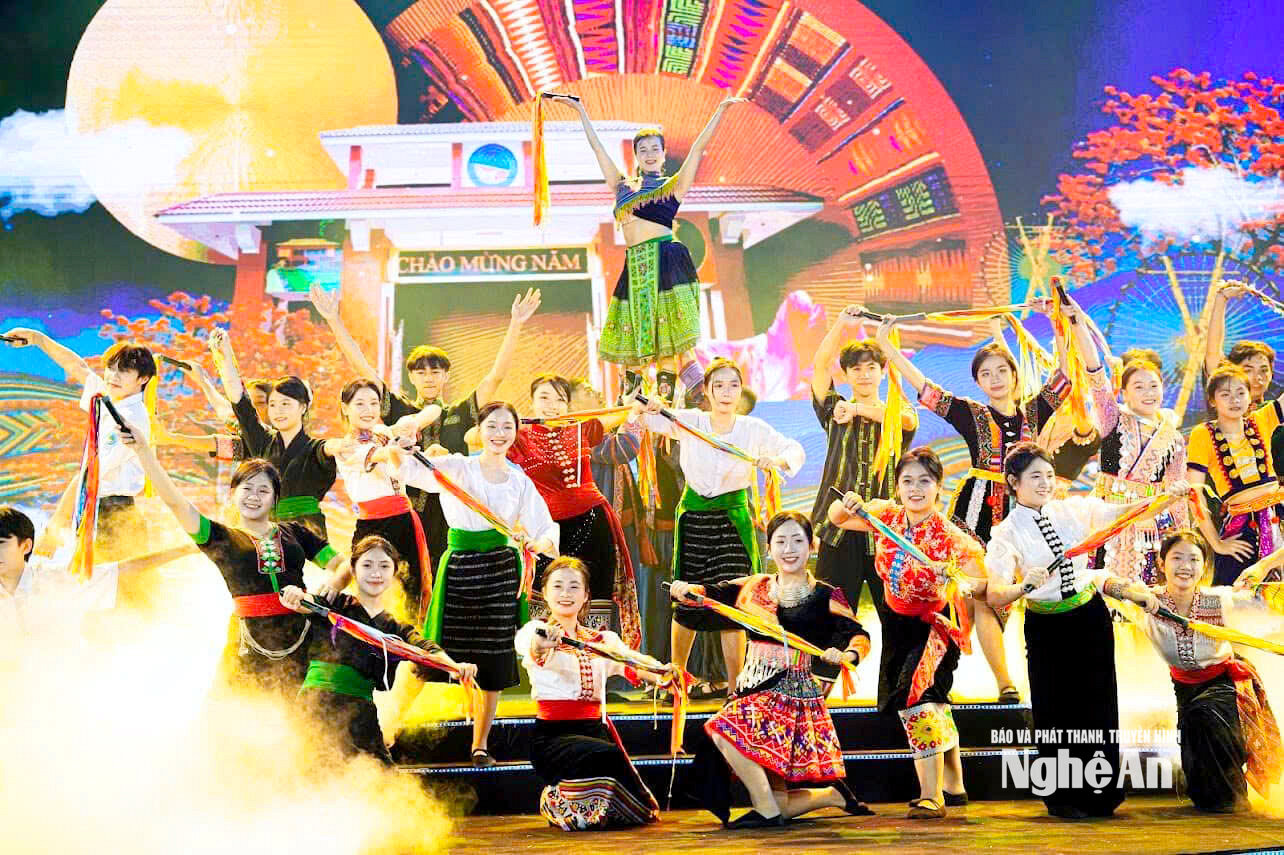
Mr. Tran Dinh Huy, Secretary of the Youth Union of the Provincial Ethnic Boarding High School and Head of the "Ethnic Arts" Club, said that in reality, there are still a few students who have used costumes that have been excessively modernized, losing their original characteristics. For example, some Hmong students wear Chinese Hmong costumes; some Thai students wear Thai skirts with white shirts. There are also cases where skirts are cut too short, altering the original appearance in a negative way.
Instead of simply reminding students to "dress correctly," the club chose to delve into the question of "why should we dress correctly?" Students learned about the origins and meanings of traditional clothing, as well as the elements that differentiate the costumes of various ethnic groups.
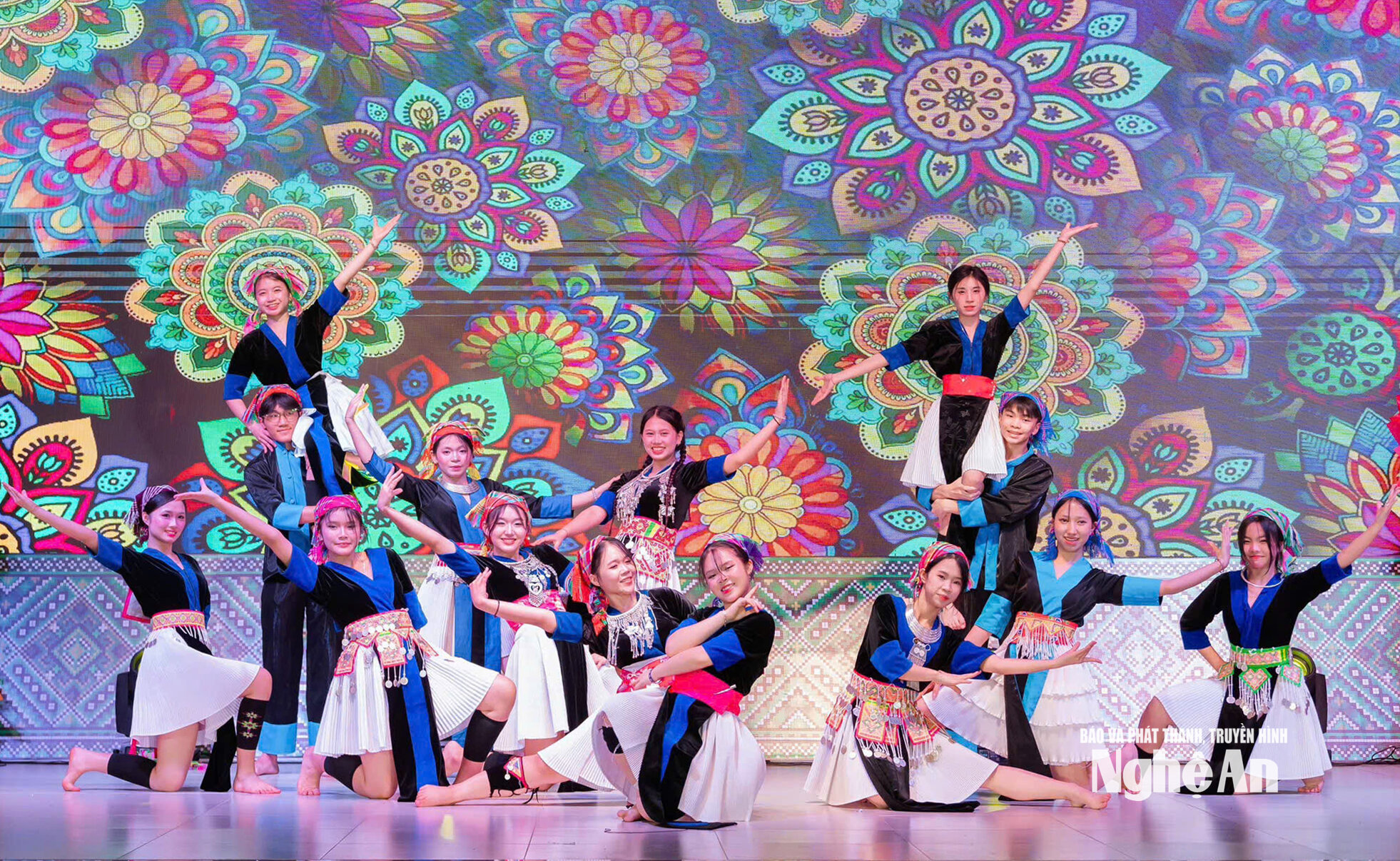
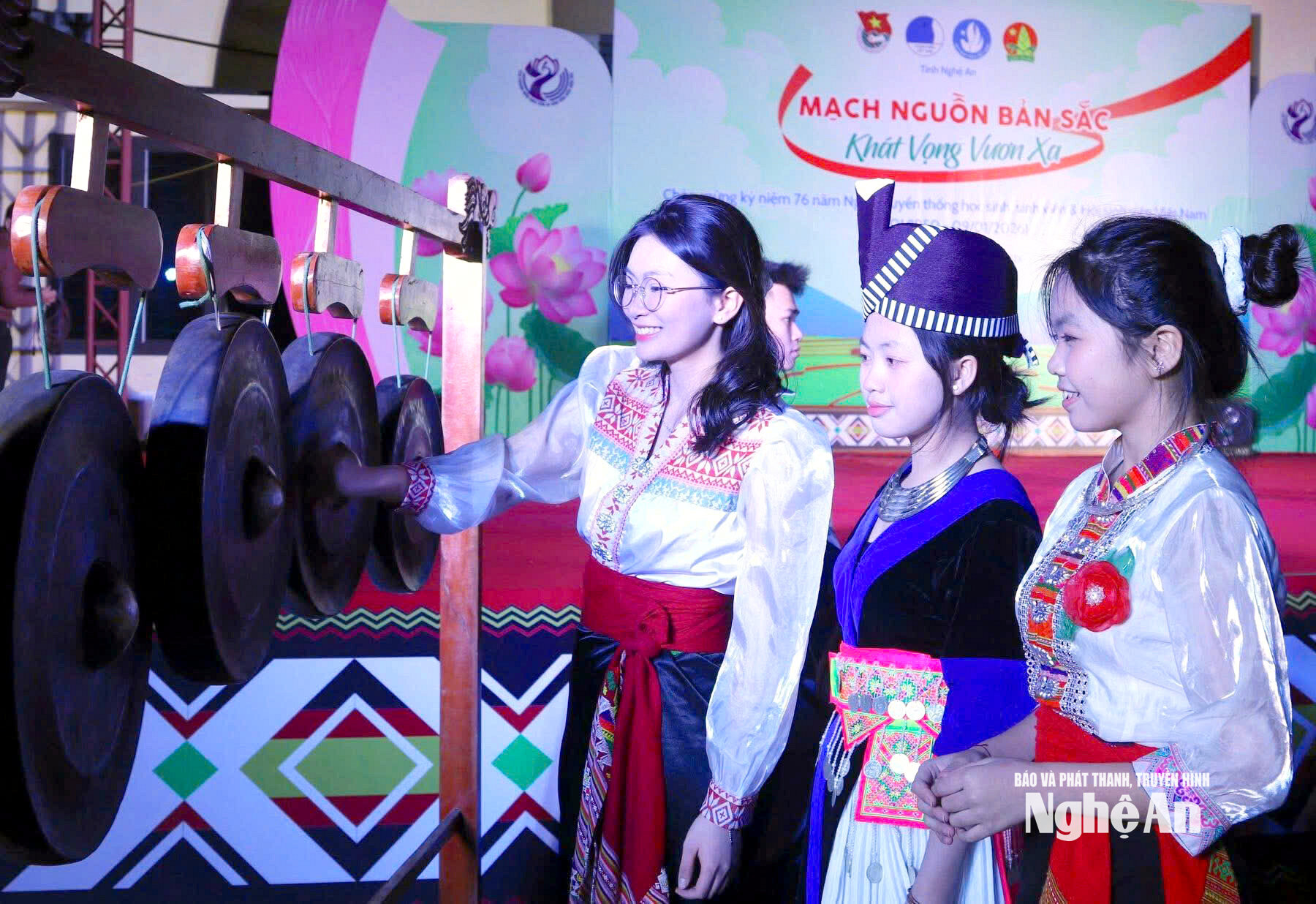
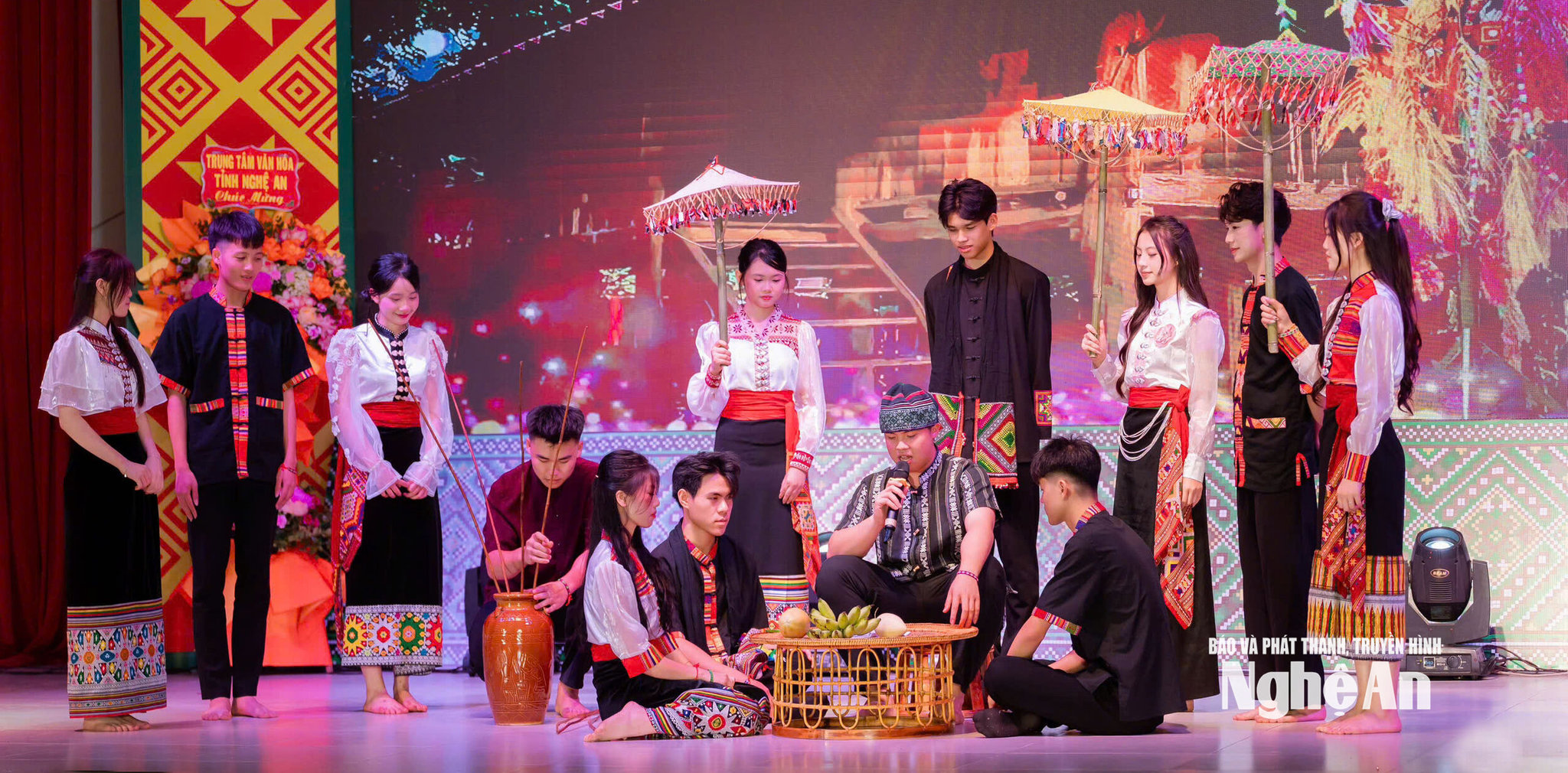
In addition, the club has expanded to explore and recreate other cultural aspects such as rituals, customs, and traditions. As a result, preservation is no longer about mechanically maintaining the form, but about identifying the core values to continue without losing the unique characteristics of one's own national culture.
Currently, hundreds of clubs, teams, and groups are being maintained at the grassroots level, in schools, and in the community. Although they receive no remuneration or allowances, they strive to ensure that traditional values are not only preserved but also passed on to the next generation through concrete and practical actions.


