
The place where fallen journalists "return home"
Among the countless temples in the country, Da Temple in Vinh Loc, Nghe An province, is a special one, being the only place where more than 500 journalist martyrs are laid to rest. Although their bodies have forever rested in their homeland, these heroes and heroines seem to "return" and be present in a very special way. Not in physical form, but through their professional memories, through unfinished writings, films, and photographs. And through the profound gratitude of journalists today...
.png)
Thanh Quynh /Present:Hong ToaiJune 20, 2026
*****
Among the countless temples in the country, Da Temple in Vinh Loc, Nghe An province, is a special one, being the only place where more than 500 journalist martyrs are laid to rest. Although their bodies have forever rested in their homeland, these heroes and heroines seem to "return" and be present in a very special way. Not in physical form, but through their professional memories, through unfinished writings, films, and photographs. And through the profound gratitude of journalists today...

The white-haired man stood for a long time before the altar dedicated to the fallen journalists amidst the solemn incense smoke of Da Pagoda. Nearly six years have passed since his brother was laid to rest there, and he and his relatives have returned to this place as if searching for a part of their inseparable memories. Each time he stands before the portrait, he feels as if his brother is still present, in his soldier's uniform, with the gentle smile and passionate eyes of a war correspondent. It feels so close, as if almost 60 years of separation never happened…
That man is Nguyen Thai Son (born 1942), the younger brother of martyr and journalist Nguyen Con (born 1936) - who left behind more than 3,000 precious war films for the revolutionary Vietnamese cinema. As one of the key cameramen of the Army Film Studio (now the People's Army Film Studio), journalist Nguyen Con went through the most brutal years of the resistance war against the US. And in the final moments of life and death while working under the skies of Hanoi in 1967, amidst the roaring jet engines tearing through the sky, that young reporter chose the danger for himself so that his comrades could live and continue filming.
"If something happens to me, you'll keep filming!" were his last words before handing the film reel to his teammate and pushing him into the shelter.
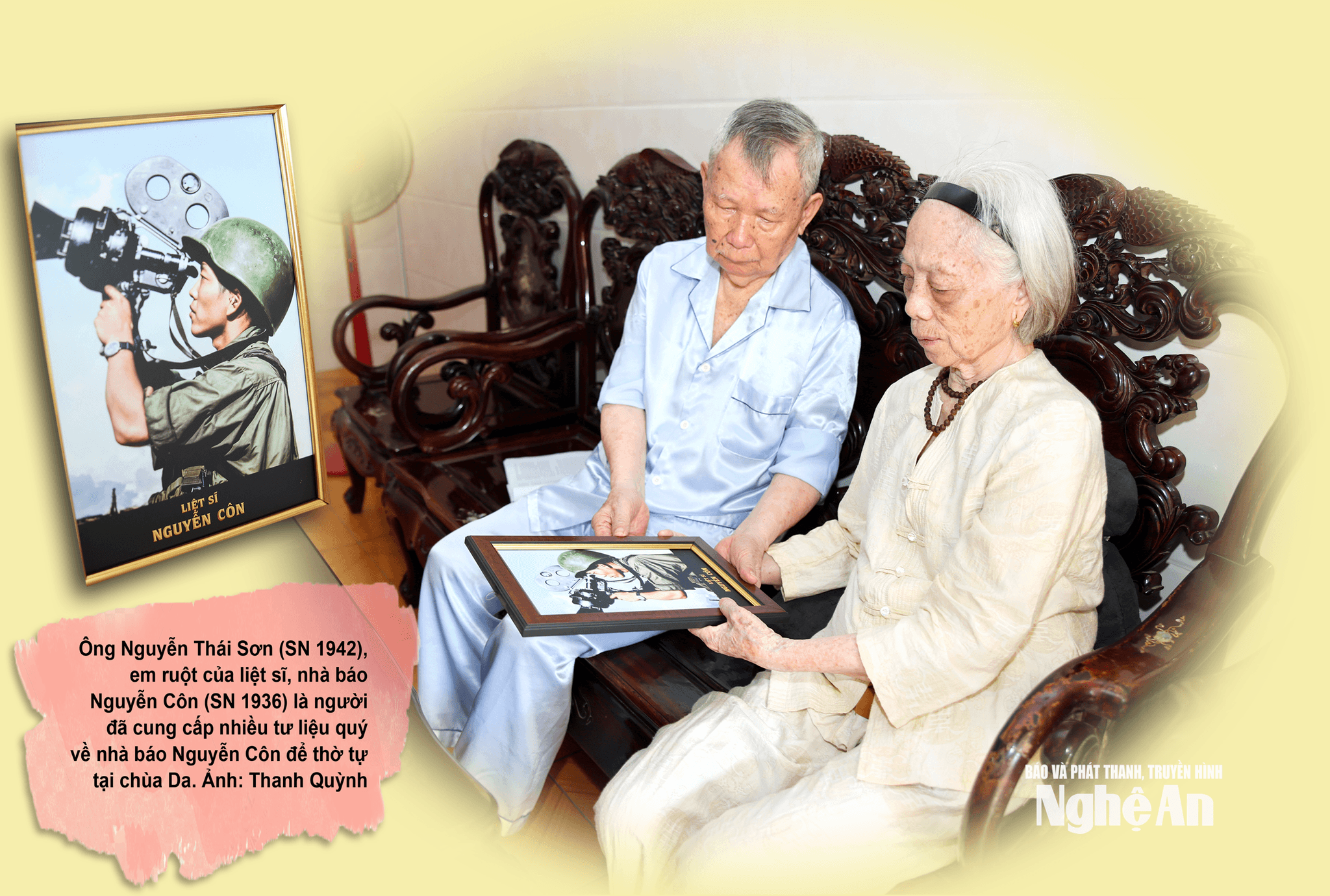
Nguyen Con's 31st year ended amidst the flames of war; the photographer fell, but the images he created with his youth and blood continue to live on in history. Each time posterity sees these historical moments captured on the brink of life and death, Nguyen Con "returns," illuminated by the light of these images that have transcended time, to continue telling the story of a generation willing to sacrifice their youth for the peace of their country.
Today, the remains of martyr Nguyen Con rest at Ngoc Hoi Martyrs' Cemetery (Hanoi). However, for Mr. Son's family, the placement of the martyr's portrait and spirit at Da Pagoda still holds the meaning of a complete homecoming. It is a return to his homeland, to the land that nurtured his childhood and early dreams. And it is also a return to the compassionate embrace of the Buddha, to the memories of his comrades, relatives, and journalists today.
Not only is there the martyr and journalist Nguyen Con, but under the roof of Da Pagoda today, more than 500 martyred journalists from all over the country are laid to rest and worshipped. Among them are 8 sons of Nghe An province. They were reporters, cameramen, editors, and broadcasters who carried their pens, cameras, and video recorders into the war like true soldiers.
Some fell on the Trường Sơn front lines, some perished amidst the bombing raids of Hanoi, others rest in the battlefields of the South, the ancient citadel of Quảng Trị, the southwestern border, or on distant islands. Many departed at a very young age, before they could start families or complete their unfinished projects. To this day, the remains of some martyrs have yet to be found, their blood and bones mingled with the motherland. But the articles, photographs, films, and news reports they left behind remain as living witnesses to history. Amidst the smoke and fire of war, they not only documented the nation's struggle but also inspired and strengthened millions of Vietnamese people during the most difficult years, fostering faith in the day of reunification.
And today, Da Pagoda is not only the resting place of the martyred journalists, but also a repository of the memories of a generation that wielded their pens alongside the nation's destiny. Each photograph, each artifact, each name here recounts a life, a journey of dedication and sacrifice that must never be forgotten. This is also a place where the stream of gratitude never ceases, where the memory of those who wielded the pen and fell is preserved with reverence and gratitude by those living today.
Behind the "return" of over 500 journalist martyrs lies the tireless journey of journalist Tran Van Hien (born in 1948), former Deputy Editor-in-Chief of Nghe An Newspaper, now Nghe An Newspaper, Radio and Television. For nearly three decades, he has quietly searched for the remaining fragments of memories of journalist martyrs, to reconnect lives cut short by war.
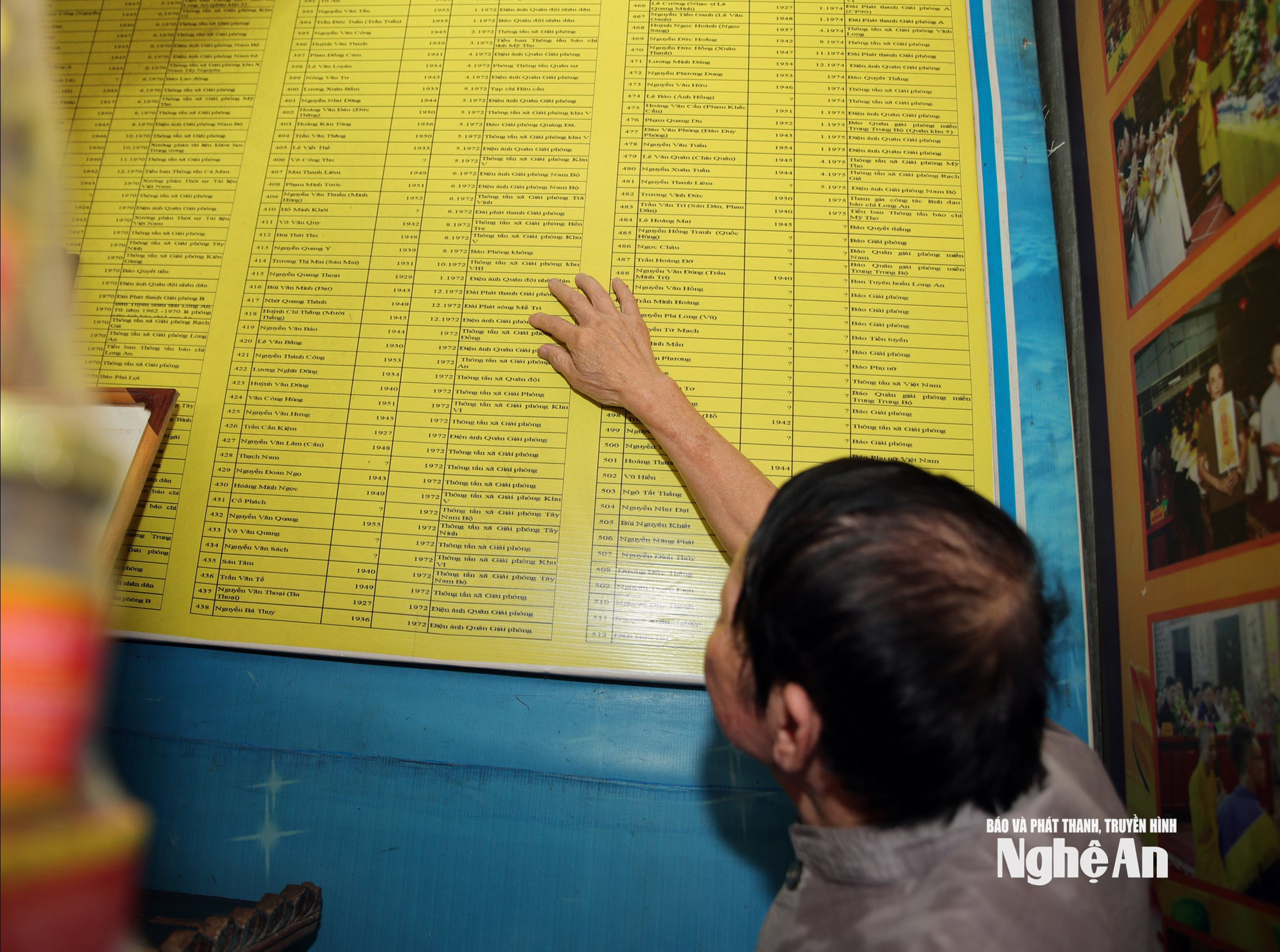
At 78, journalist Van Hien's legs and the aches of old age no longer allow him to undertake long journeys as before, but he has never stopped feeling deeply concerned about his deceased colleagues. His travels have stopped, but he quietly continues to review old documents, updating himself on the latest information about the journalist martyrs. Under the roof of Da Pagoda, he spends much of his time lighting incense, cleaning the altar, and tending to each photograph and name, as if preserving a sacred part of the journalistic profession.
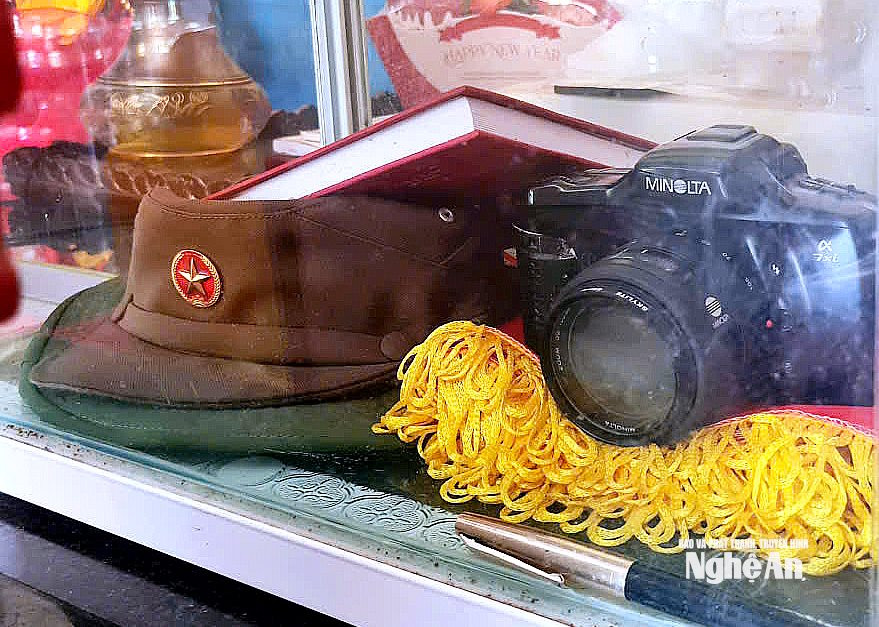
Gently lifting the time-worn Minolta camera, preserved at Da Pagoda, Mr. Hien explained that it was a memento of the martyr and journalist Vu Hien – his close friend and classmate from university. In 1979, during a reporting trip to the Cambodian battlefield, his friend sacrificed his life with the camera still in his hands. While his body rested in that foreign land, the camera became a thread of memory, a reminder of his journalistic career and his youth, for those who remained. Nearly half a century has passed; the paint on the camera has faded, the metal parts bear the marks of time, but every time Mr. Hien holds it, he still feels as if Vu Hien had just embarked on a long journey…
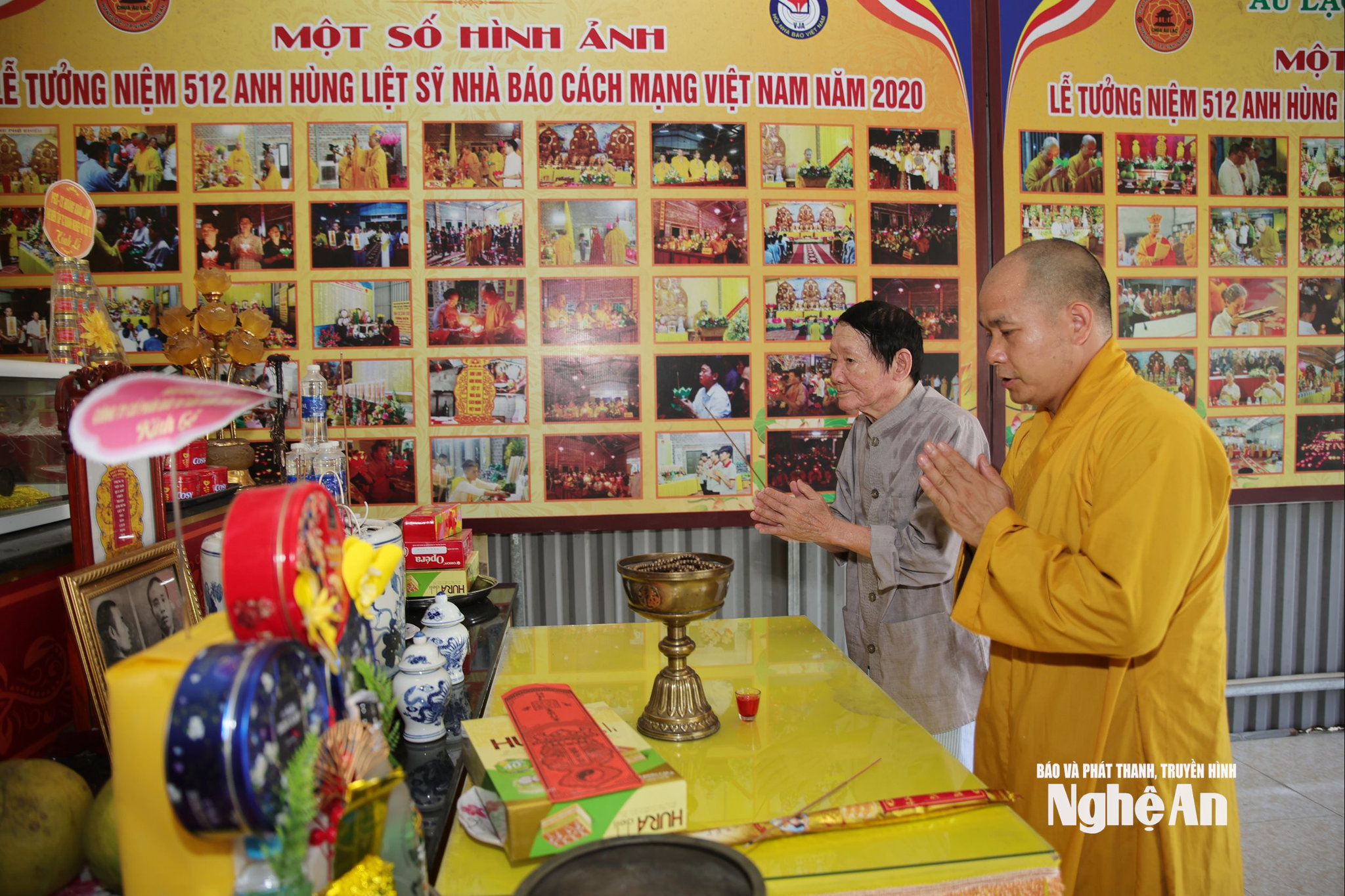
Haunted by the loss of his friend and many colleagues of his generation, in 1995, Mr. Hien set out to find mementos and documents related to the martyred journalist Vu Hien and two other journalist martyrs who sacrificed their lives in An Giang. He himself never imagined that this trip would become the starting point for a special journey spanning nearly three decades: a journey of searching, collecting, preserving, and reconnecting the memories of an entire generation of journalist martyrs who left their youth on the battlefield.
Those years were filled with unforgettable memories, such as the multi-day trip in 2010, when journalist Tran Van Hien and his former colleagues traversed treacherous mountain roads to reach the Ka Toc valley (Khammouane, Laos) to search for the remains and information about the fallen soldier and journalist Pham Ngoc Hue - a resilient female reporter from Truong Son Newspaper.
During the war years, Pham Ngoc Hue closely followed the artists and propaganda forces on their march to key locations to organize the send-off ceremony for the 1971-1972 dry season transport campaign to support the front lines. During the march, she and several comrades unfortunately stepped on a landmine left by the American army. The female journalist fell in Khammouane at a very young age, leaving behind her dreams and unfinished writings.
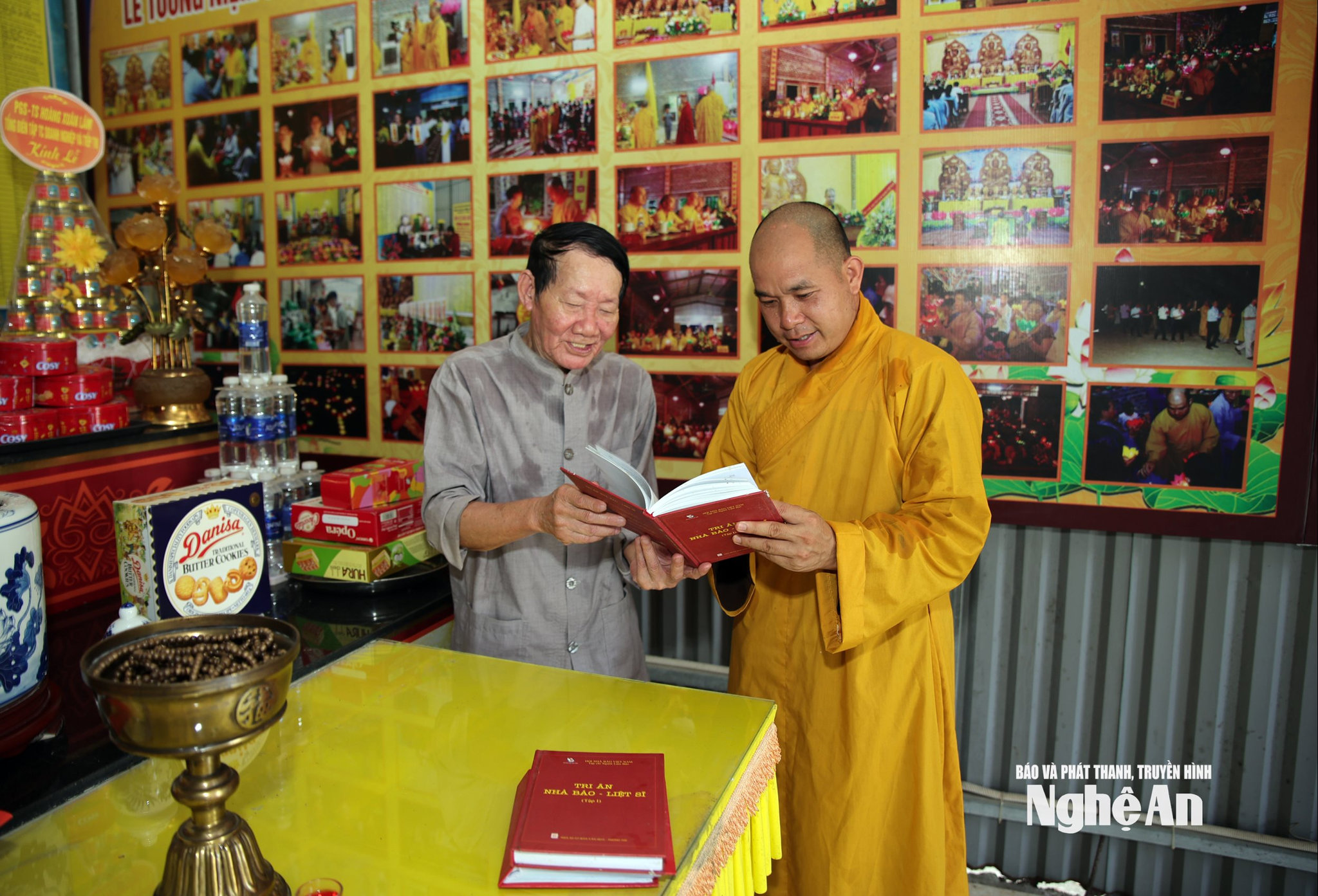
Nearly four decades after the sacrifice of journalist Pham Ngoc Hue, Mr. Hien and her comrades returned to the old battlefield hoping to bring her remains back to her homeland. But amidst the vast mountains and the changes of time, the journalist's remains were almost completely lost. This lingering regret haunted Mr. Van Hien for many years afterward. And from that regret, he created the work "Remaining with the Immortal Truong Son" as a tribute to the female journalist who had become one with the land and sky of Truong Son.
There are also journeys that begin with a very simple desire: to find a photograph of a deceased colleague. For example, the search for a portrait of journalist and martyr Nguyen Khac Thang, a native of Tan Son, formerly Do Luong (now Van Hien commune, Nghe An province). He died in battle in An Giang, his body lost in the waters of the Tien River. Years passed, and even his family could no longer keep a single photograph of the martyr.
Not wanting his former colleague to be merely listed as a fallen soldier in the records, Mr. Hien traveled all the way to Ho Chi Minh City, searching through numerous sources and contacting colleagues of the fallen soldier Nguyen Khac Thang at the Saigon Giai Phong newspaper to find him. After much effort, he finally obtained a portrait photograph of the former soldier-journalist. The face of a young man in the prime of his life, with bright eyes and the serene expression of someone entering battle with the intention of dedicating everything to the independence and freedom of his beloved homeland.
Since that photograph was taken, the altar dedicated to fallen soldiers no longer displays just a name. The former colleague seems to have returned, silently standing among his comrades. And for the family, it is perhaps a belated reunion after nearly half a century of fruitless searching for a figure to remember, a face to cherish.
It is from these quiet journeys that those who once perished in the embrace of Mother Earth gradually emerge, their names, faces, and individual stories revealed. They return to the memories of their comrades, loved ones, and journalists today, as if time had never obscured their existence. This dedication has also played a crucial role in bringing these fallen journalists back to a "common home" for those who wield the pen, known as Da Pagoda.

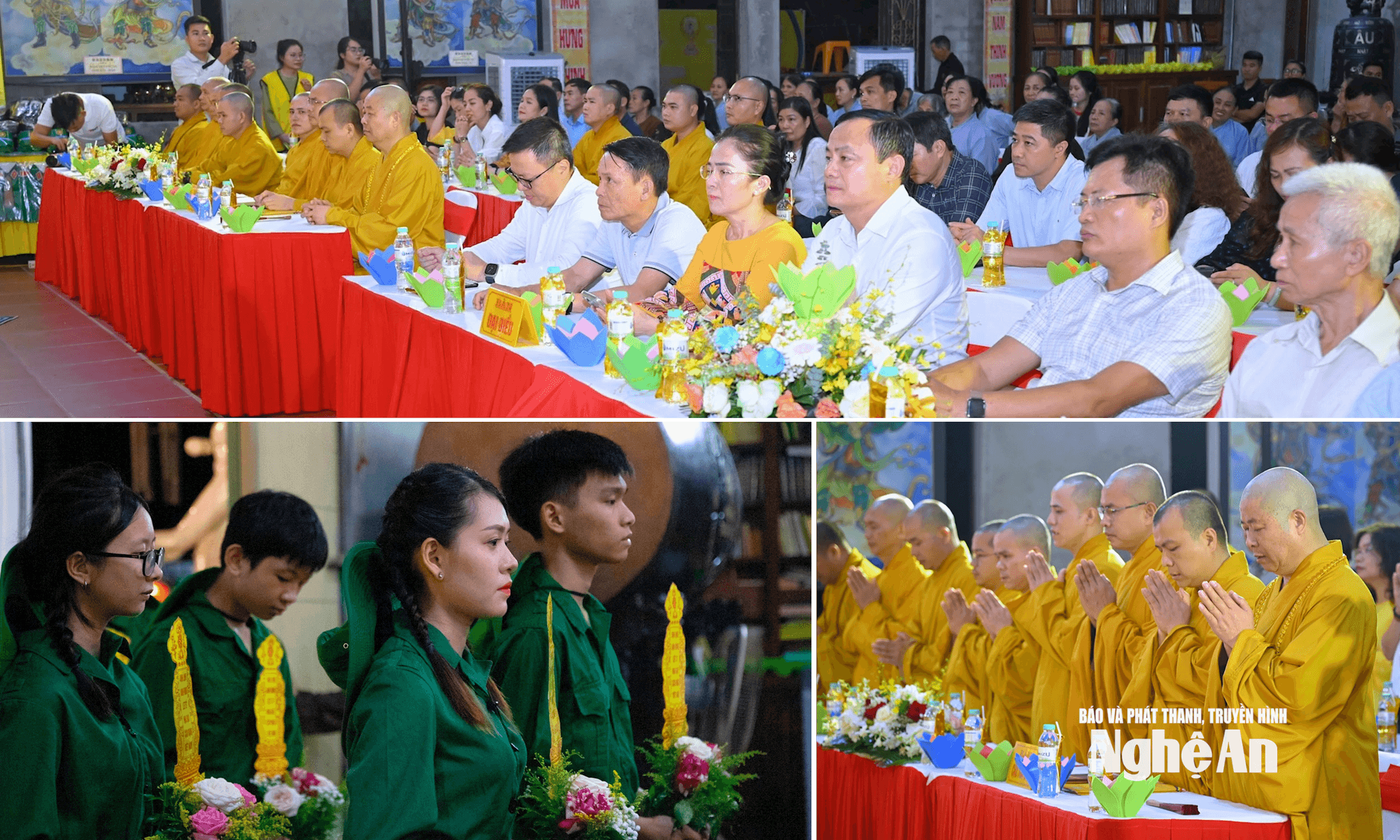
As someone who quietly accompanied journalist Tran Van Hien on his journey to preserve the memorial space for fallen journalists, Venerable Thich Dong Tue - Abbot of Da Pagoda - said that in July 2020, the pagoda held a grand ceremony to pray for the souls of the fallen journalists and enshrine them in the memorial hall. From that milestone, this place has gradually become a place of return not only for families whose loved ones have fallen, but also for journalists today who come to remember and pay tribute.
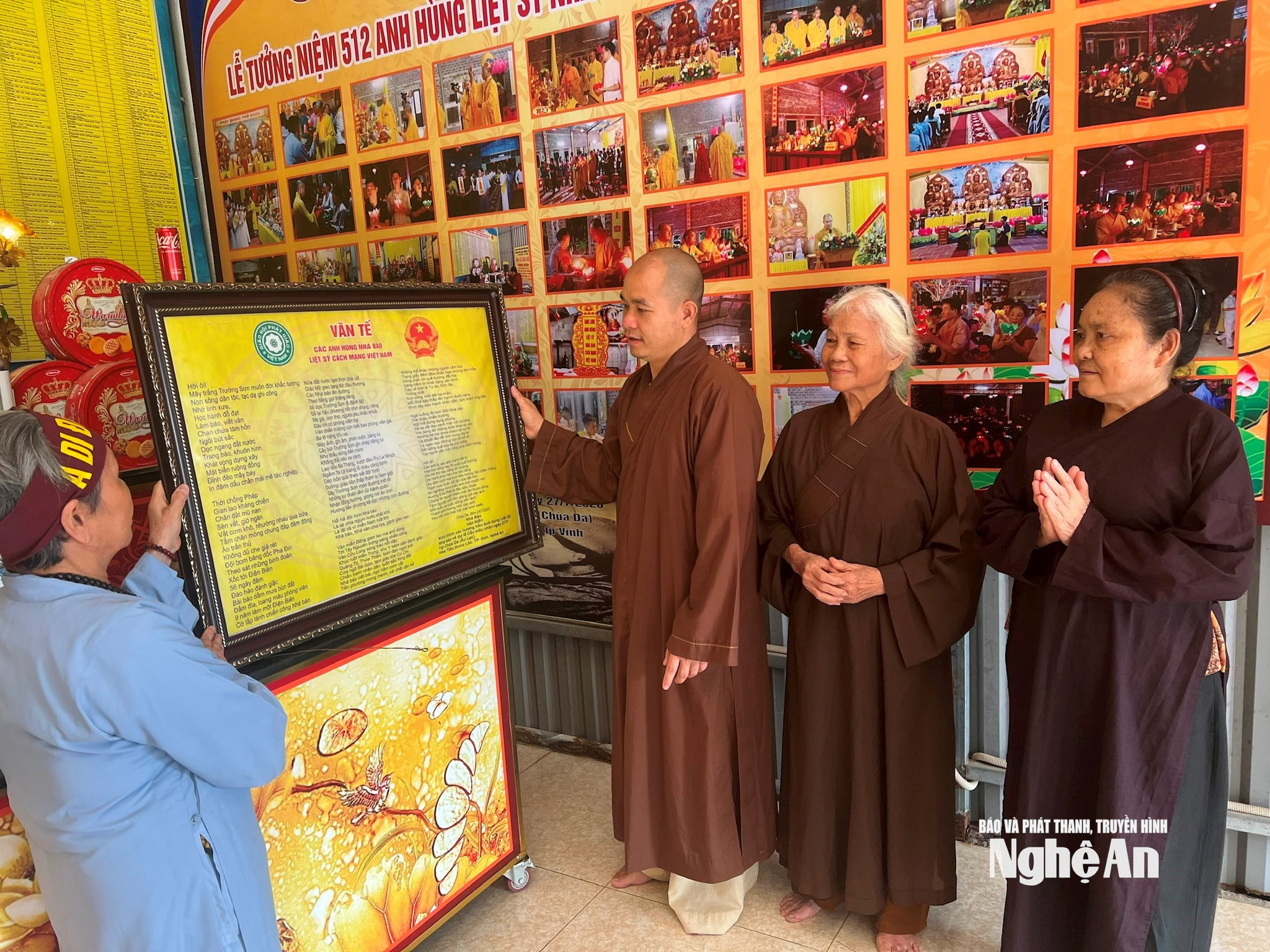
Many people from all over the country, even those without relatives buried here, still express deep gratitude to the journalist martyrs who sacrificed their lives for the cause of revolutionary journalism in Vietnam, as well as in the struggle to regain independence and freedom for the Fatherland. Standing before the names of the journalist martyrs, one seems to slow down, feeling smaller in the face of the immense losses of a generation that went through war, leaving behind their youth and unfulfilled dreams.
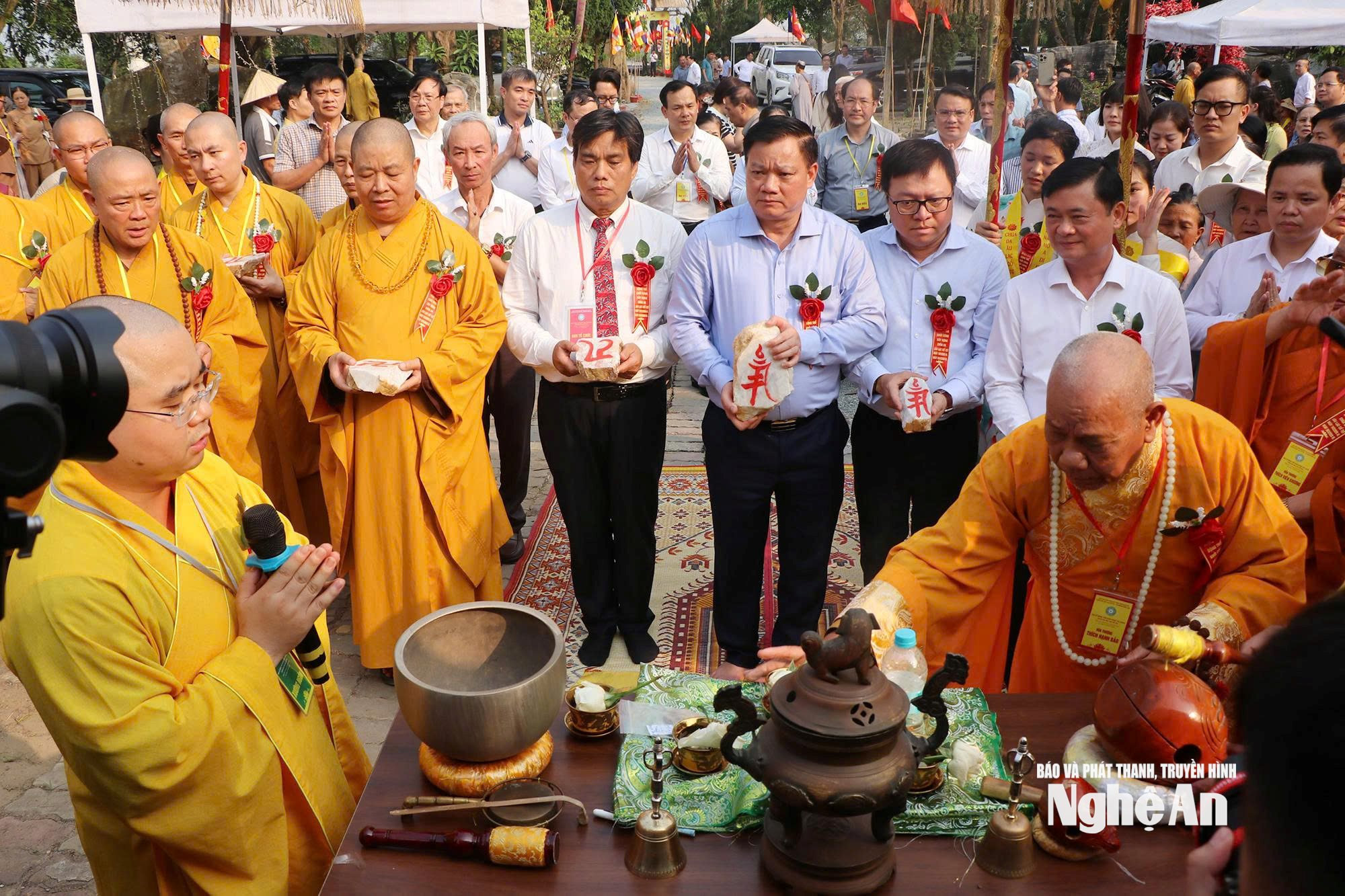
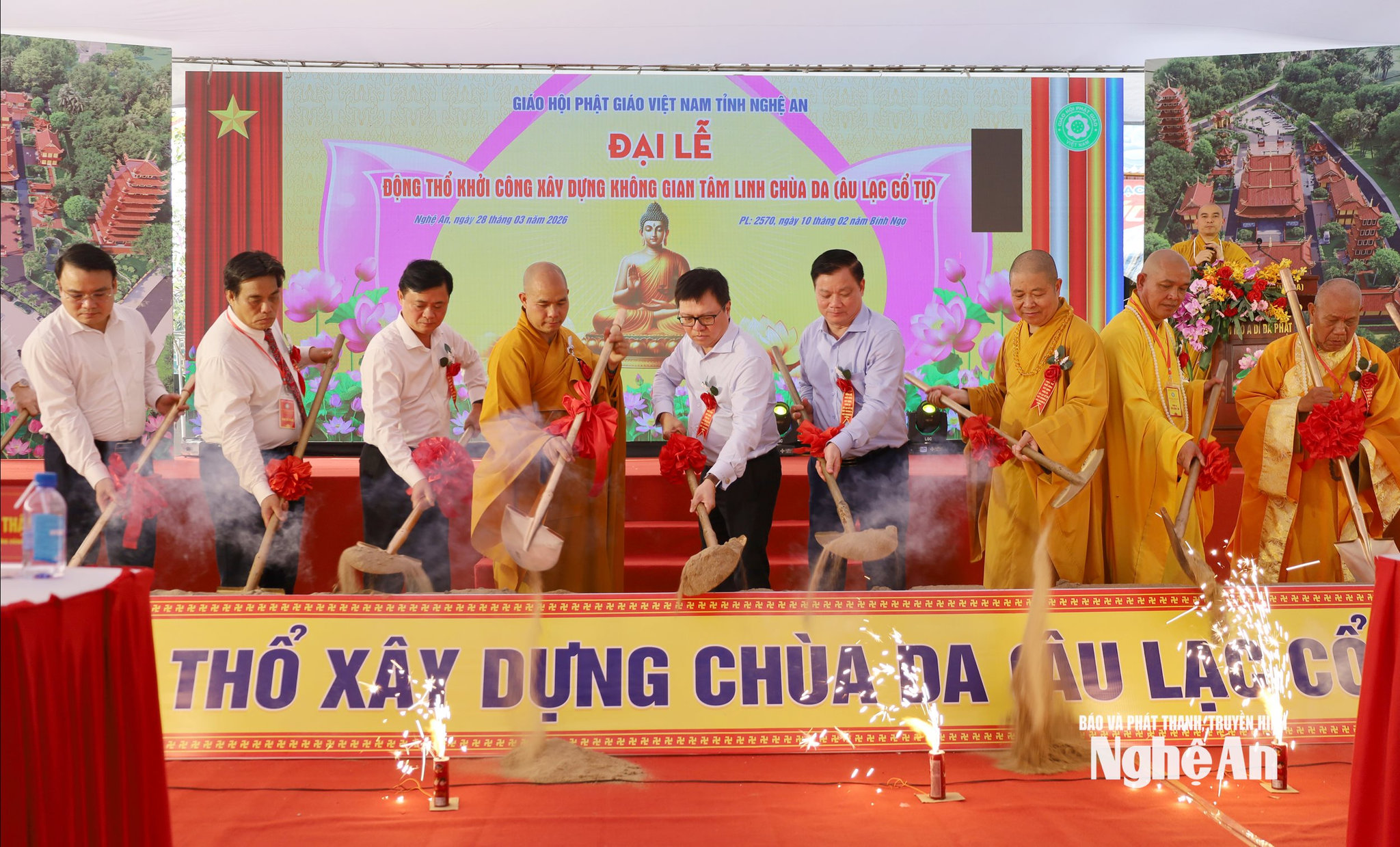
Currently, Da Pagoda is undergoing a comprehensive planning process, preparing for construction on a larger scale, commensurate with the historical depth and special significance of this space. According to the design, the new complex will include a memorial area for Vietnamese revolutionary journalist martyrs.
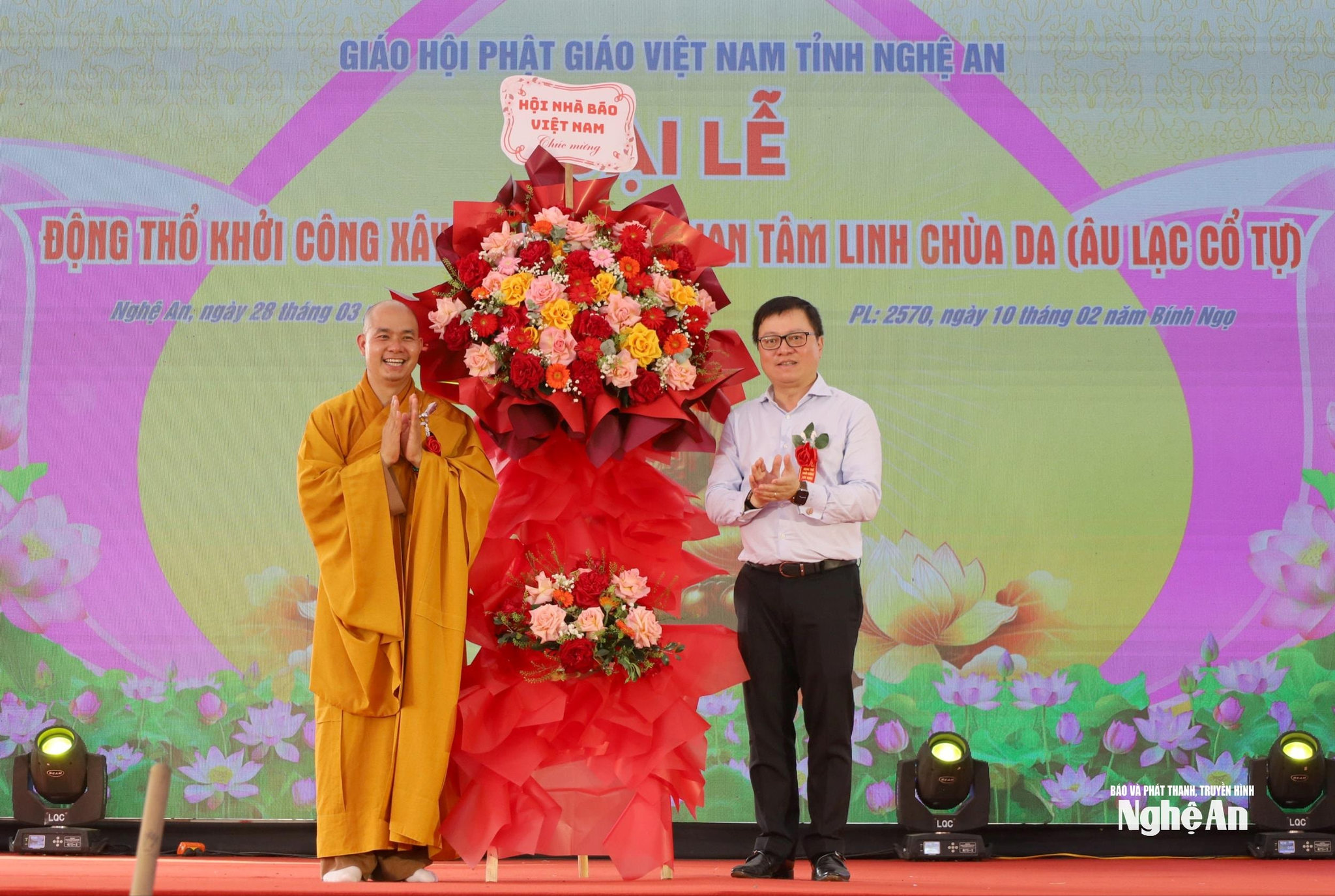
At the groundbreaking ceremony held at the end of March, Comrade Le Quoc Minh - Member of the Central Committee of the Party, Deputy Head of the Central Propaganda and Mass Mobilization Department, Editor-in-Chief of Nhan Dan Newspaper, and President of the Vietnam Journalists Association - emphasized: The restoration of Da Pagoda is not only the construction of a religious architectural work, but also the revival of a space of memory, where the spiritual values of previous generations are preserved and spread. He affirmed that Da Pagoda will become a "red address" for the journalism profession - a place where journalists today and tomorrow will come to reflect, to express gratitude, and to remind themselves to live and work in a manner worthy of the generations of ancestors who sacrificed their youth amidst the flames of war.
We left Da Pagoda on a peaceful June afternoon. Perhaps, behind the hustle and bustle of the city, this place is a very private sanctuary where young reporters, fortunate enough to live in peacetime like us, can slow down and listen to the gentle beats of our hearts.
The incense smoke still gently drifts over the names inscribed on the shrine. But behind those names, it seems the deceased never truly left. They have returned – returned in the memories of their journalistic careers, in unfinished writings and films, and in the silent gratitude of those who remain today…


