
Organ meats are nutritious, but how much is enough?
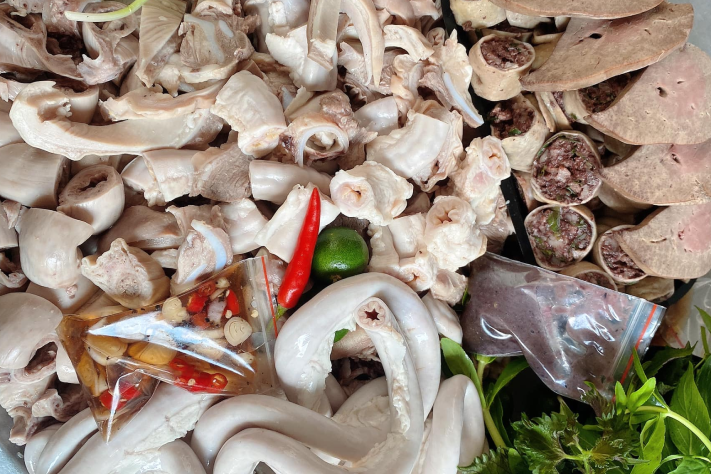
Animal organs such as intestines, liver, and stomach are protein-rich foods that many people enjoy. However, they can also be harmful to health if consumed in excess.
According to Dr. Tran Duc Canh from the Endoscopy and Functional Examination Department of K Hospital (Hanoi), animal organs, including the heart, lungs, liver, stomach, kidneys, and intestines, are used as food in daily diets. The types of animals whose organs are commonly harvested by people include cows, chickens, pigs, sheep, and goats…
Protein in animal organs (excluding brain and spinal cord) accounts for approximately 16-22% of their weight. Organ meats also contain many fats, vitamin A, and iron, which help prevent iron-deficiency anemia, boost immunity, maintain muscle mass, provide a feeling of fullness, and are a source of choline for the body. People consume this food by boiling, stir-frying, making porridge, or in many other dishes.
However, animal organs also contain a lot of protein, saturated acids, and cholesterol. When the body absorbs large amounts of these substances, it can cause vascular diseases - atherosclerosis (especially coronary arteries), high blood pressure, etc. Therefore, some groups should limit their consumption of this type of food, such as the elderly, obese people, and those with cardiovascular disease, digestive problems, or gout.
Pregnant women should also be cautious when eating organ meats, even though they are a rich source of vitamin A, especially liver.
During pregnancy, fetuses require a significant supply of vitamin A. However, some studies show that when mothers consume more than 10,000 IU of vitamin A daily, their children have an 80% higher risk of birth defects compared to mothers who consume less than 5,000 IU. Therefore, pregnant women need to be extremely cautious, especially if they are taking vitamin A supplements.
Dr. Canh noted that it is necessary to choose fresh offal from animals with clear origins and free from disease. Recently, authorities have repeatedly seized offal products from animals with unclear origins and documentation that were being sold on the market. Consumers may experience immediate food poisoning or develop other health problems over time if they consume unsafe food.
When buying offal, you need to carefully prepare it by washing it thoroughly with salt and lemon, and blanching it in boiling water before cooking. Liver, kidneys, and heart should have all the foul-smelling parts and fatty membranes removed. Cook them thoroughly; do not eat them raw or undercooked. Leftover offal should not be kept overnight as it is a high-protein food that is easily contaminated with microorganisms.
Doctor Canh advises against eating offal daily. Adults should eat animal offal 2-3 times a week, equivalent to 50-70g each time. Children should eat it 1-2 times a week, equivalent to 30-50g.


