
Farmers in Nghe An restore production after the storm, aiming for the year-end market.
Following Typhoon No. 10, farmers across Nghe An province are busy repairing damage, stabilizing livestock shelters, rebuilding fish ponds, improving fields, and preparing for the new production season. From mountainous areas to the plains, a sense of urgent work permeates the countryside, aiming for a successful winter crop and a vibrant year-end market.
Restoring livestock farming
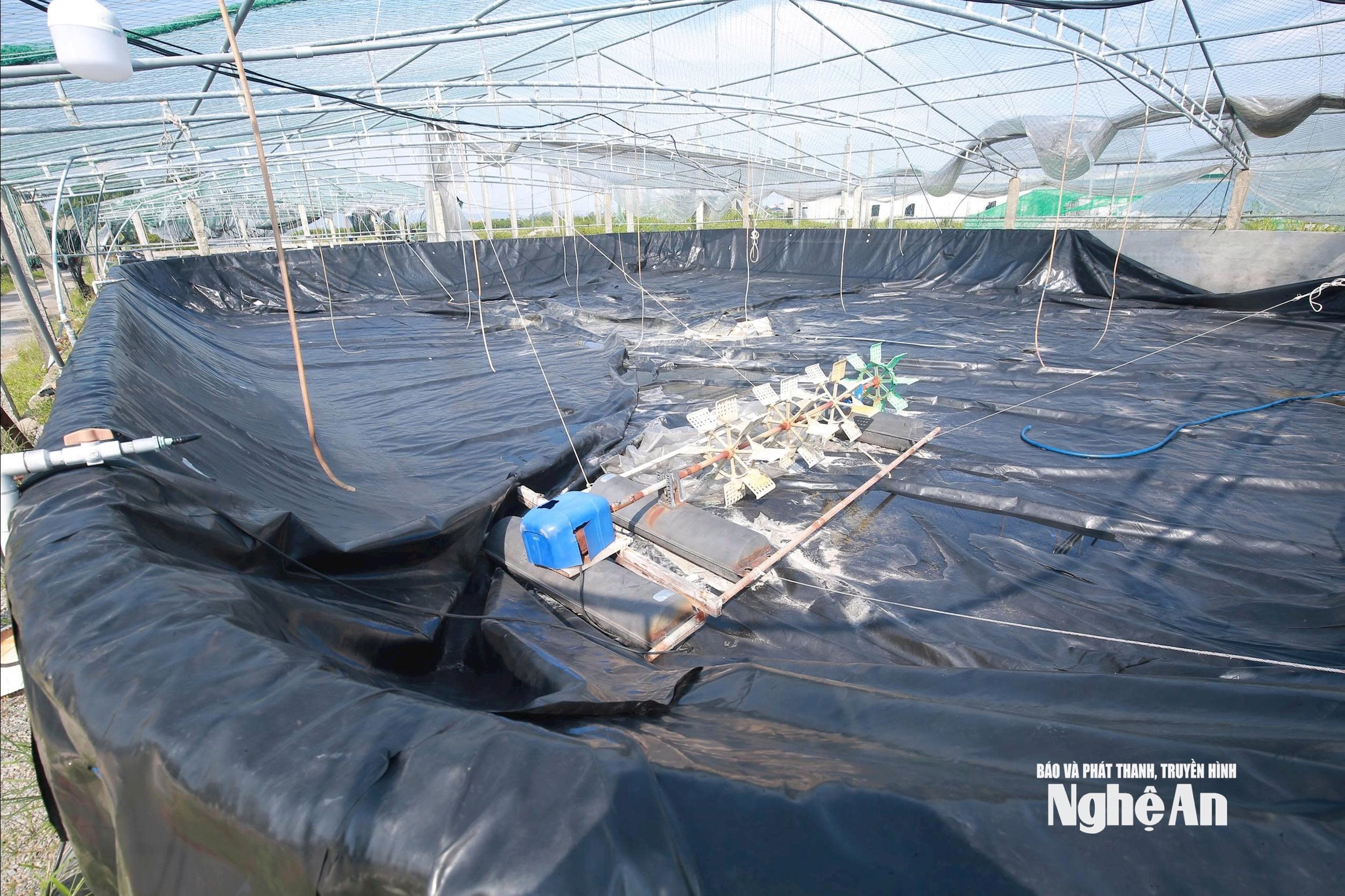
Typhoon No. 10 caused serious damage: More than 4,600 hectares of rice, nearly 8,000 hectares of vegetables, nearly 8,000 hectares of perennial crops, and more than 45,000 hectares of forest were affected; tens of thousands of trees were broken or uprooted; nearly 400,000 poultry and more than 1,200 livestock were swept away or killed; thousands of barns, hundreds of hectares of shrimp ponds, and dozens of fish cages were severely damaged.
As soon as the floodwaters receded, farmers got to work, with the mindset of "recovering as much as possible from the damage." Many farms and livestock facilities in Nghe An have begun repairing barns, disinfecting, and treating the breeding environment. People are taking advantage of the opportunity to restock and increase their herds early, preparing goods for the year-end market.
In shrimp-farming communes like Quynh Anh, Quynh Mai, and Tan Mai, aquaculture farmers don't allow themselves to rest for long. Mr. Nguyen Xuan Tin, the owner of a shrimp farm in Quynh Anh with over 2 hectares of farming area, is busy cleaning up torn tarpaulins and having people treat the pond bottom.
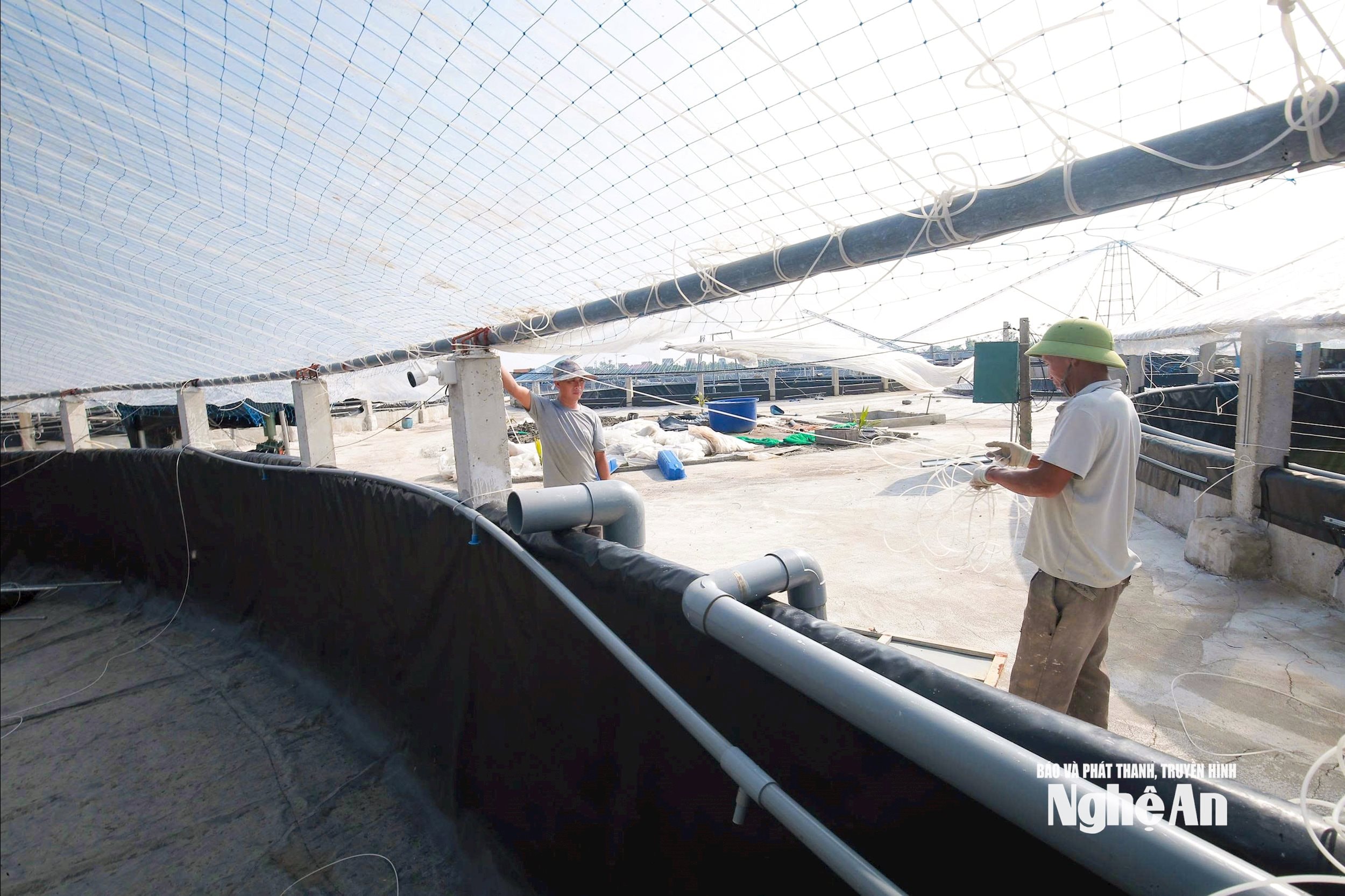
"The shrimp, which were released just over a month ago, all died after the recent storms, causing significant losses. However, we must quickly clean the ponds, disinfect the water, and reinforce the embankments to prepare for the new farming season. The weather is favorable now, and any delay means losing opportunities," Mr. Tin said.
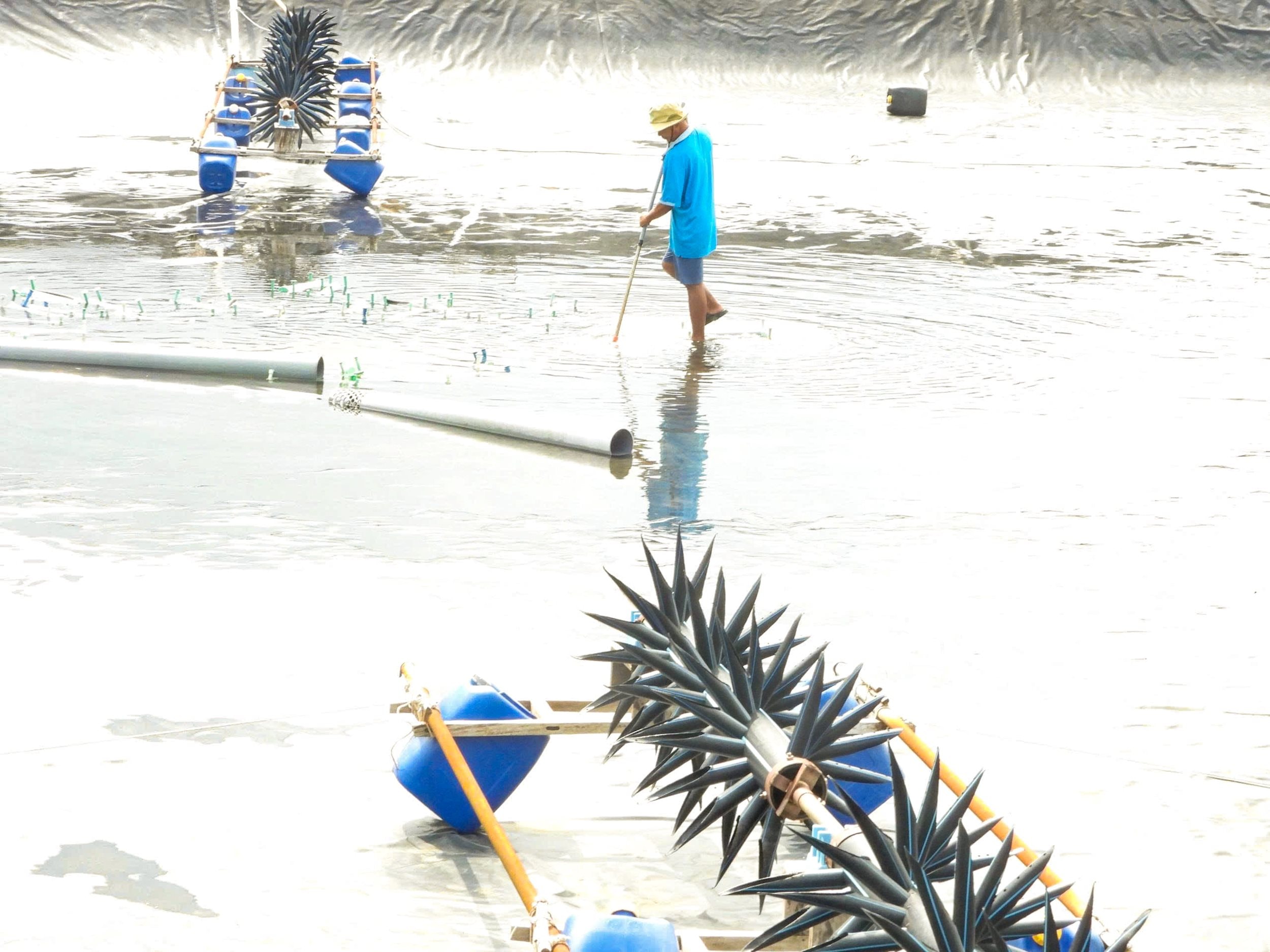
At Mr. Hoang Van Linh's high-tech shrimp farm in Quynh Mai ward, restoration work is proceeding just as urgently. Additional laborers have been hired to rebuild the greenhouses, replace all the plastic coverings, and treat the water with lime and biological products. "After the storm, the water environment was heavily polluted. If not thoroughly disinfected, it would easily lead to white spot disease and red body disease. We have to be cautious at every step to ensure the safety of the new shrimp crop," Mr. Linh shared.
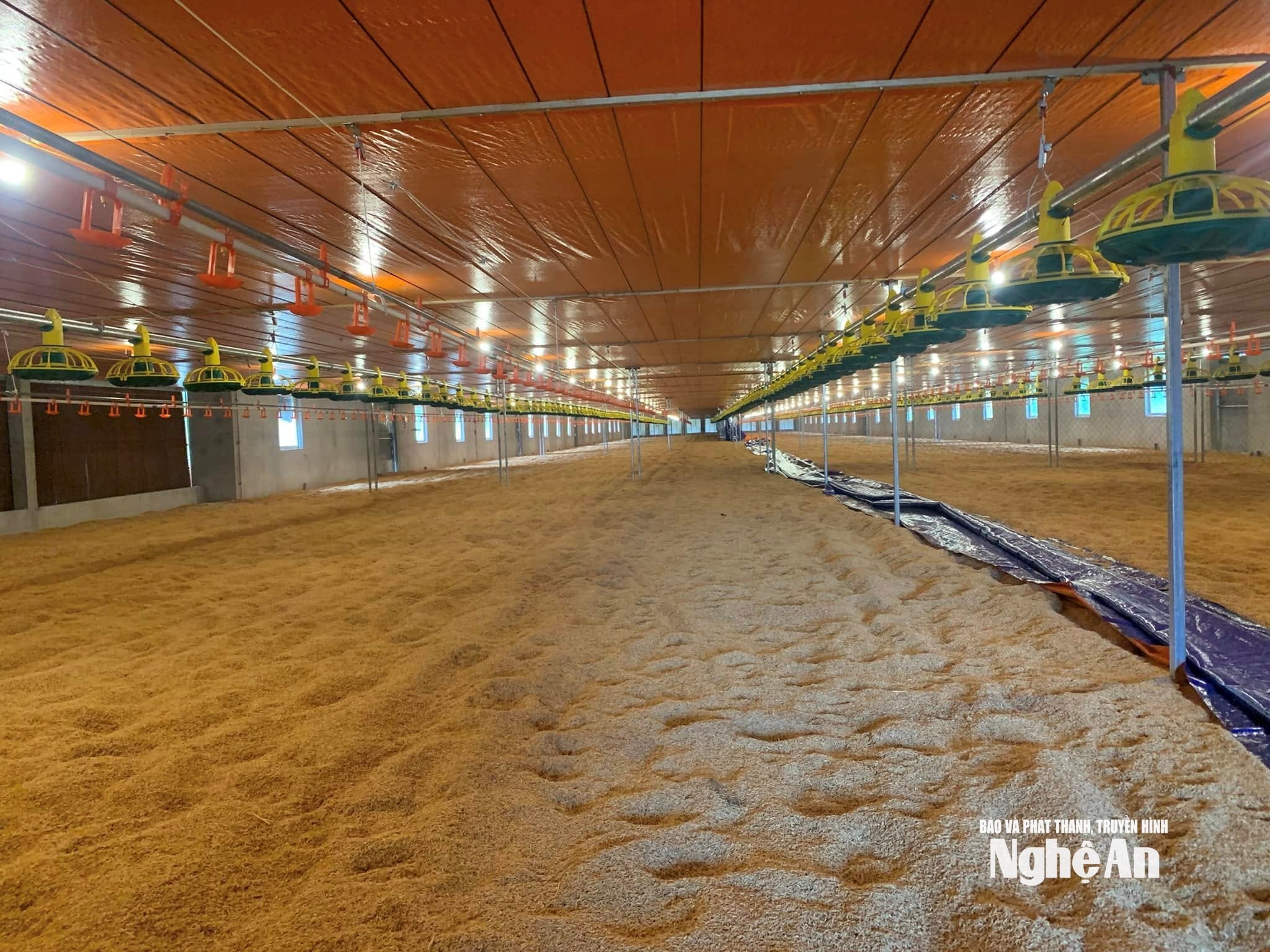
At the same time, in An Chau commune, considered the "chicken capital" of the province, dozens of chicken farms suffered heavy losses. According to Ms. Nguyen Thi Thanh, Chairwoman of the Farmers' Association of An Chau commune, 85 households in the commune were affected, with more than 110,000 poultry dying due to flooding, and many farms losing everything overnight. "We have coordinated with the government and organizations to collect and dispose of the dead poultry in a hygienic manner, and at the same time, we have sprayed disinfectants and repaired the farms to quickly restock," Ms. Thanh said.
Standing beside the newly reinforced chicken coops, Ms. Nguyen Thi Dung, a large chicken farm owner in the commune, was busy spraying disinfectant. “The storm flooded three rows of coops to a depth of 1 meter, killing all 20,000 chickens. Now, difficulties are piling up, but we can't sit still. We are cleaning and sanitizing the coops, reinforcing the floors, and preparing to raise a new flock in time for the Tet market. We just hope for more support in terms of capital and breeding stock,” Ms. Dung said.
According to the Nghe An Department of Livestock and Veterinary Medicine, most livestock farmers are currently preparing to restock their herds to meet year-end demand, the largest livestock farming season of the year. At the same time, they advise farmers not to rush but to strictly adhere to biosecurity procedures: only import breeding stock from reputable sources, thoroughly disinfect and sanitize barns, control water and feed sources, and regularly monitor the health of their livestock. After storms and heavy rains, the humid environment is ideal for disease outbreaks, so early disease prevention is crucial to the success of the entire season.
Continuing the winter crop season, meeting year-end supply demands.
While livestock farming areas are bustling with activity in barns, farmers in the fields are also racing against time. This year's winter crop was delayed by nearly half a month due to prolonged rain and storms, so everyone is taking advantage of every sunny day to sow and plant.
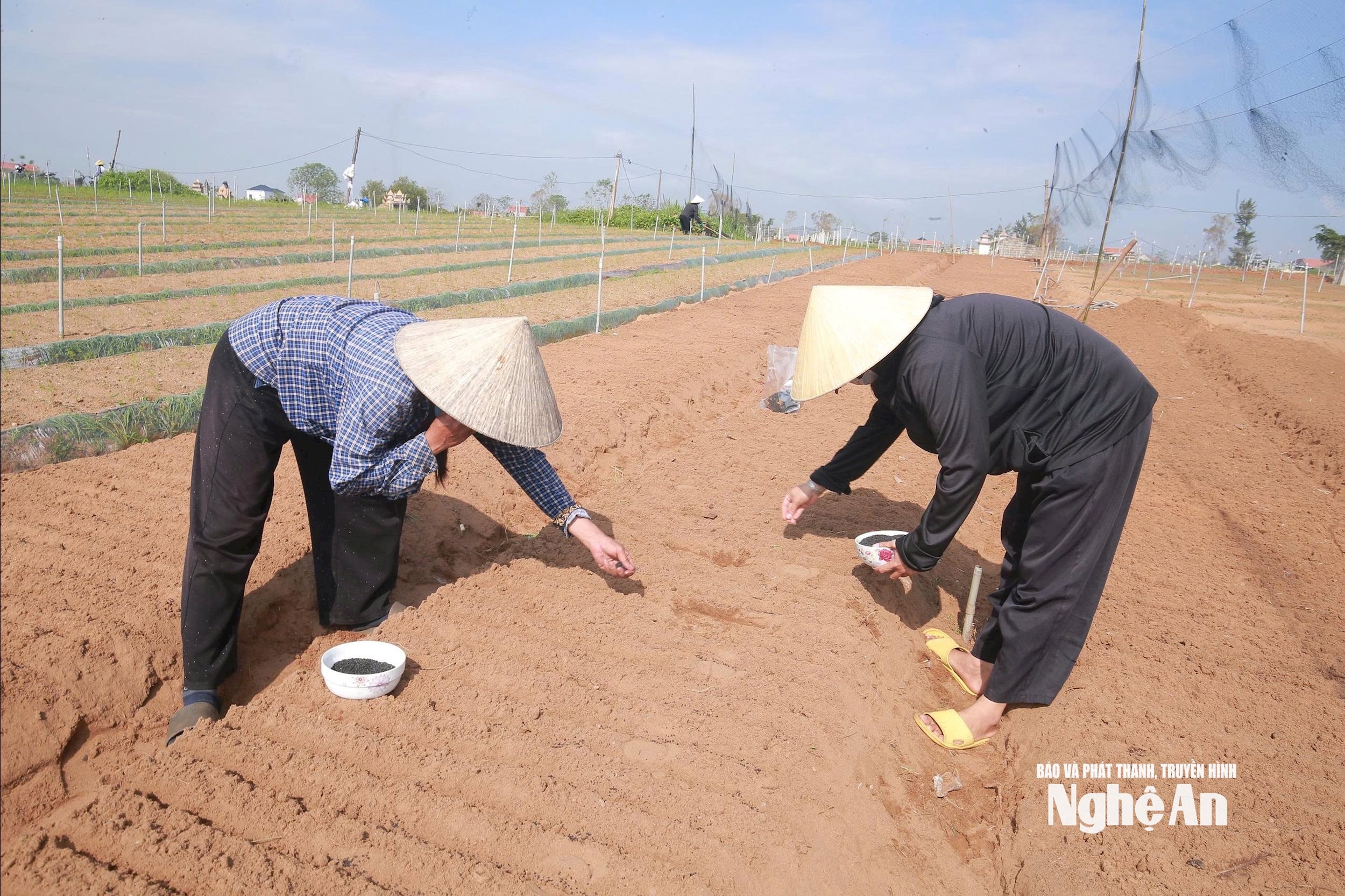
In Quynh Mai ward, home to the province's largest vegetable growing area, farmers were bustling to the fields from early morning. The sounds of plows, hoes, and people chatting echoed across the fields. Mr. Hoang Ngoc Anh, Vice Chairman of the Farmers' Association of the ward, said: "This year, the ward plans to plant over 300 hectares of winter vegetables, including carrots, onions, cabbage, kohlrabi, chayote, and herbs... The government is providing fertilizer and seeds on a deferred payment basis to help farmers quickly restore production."
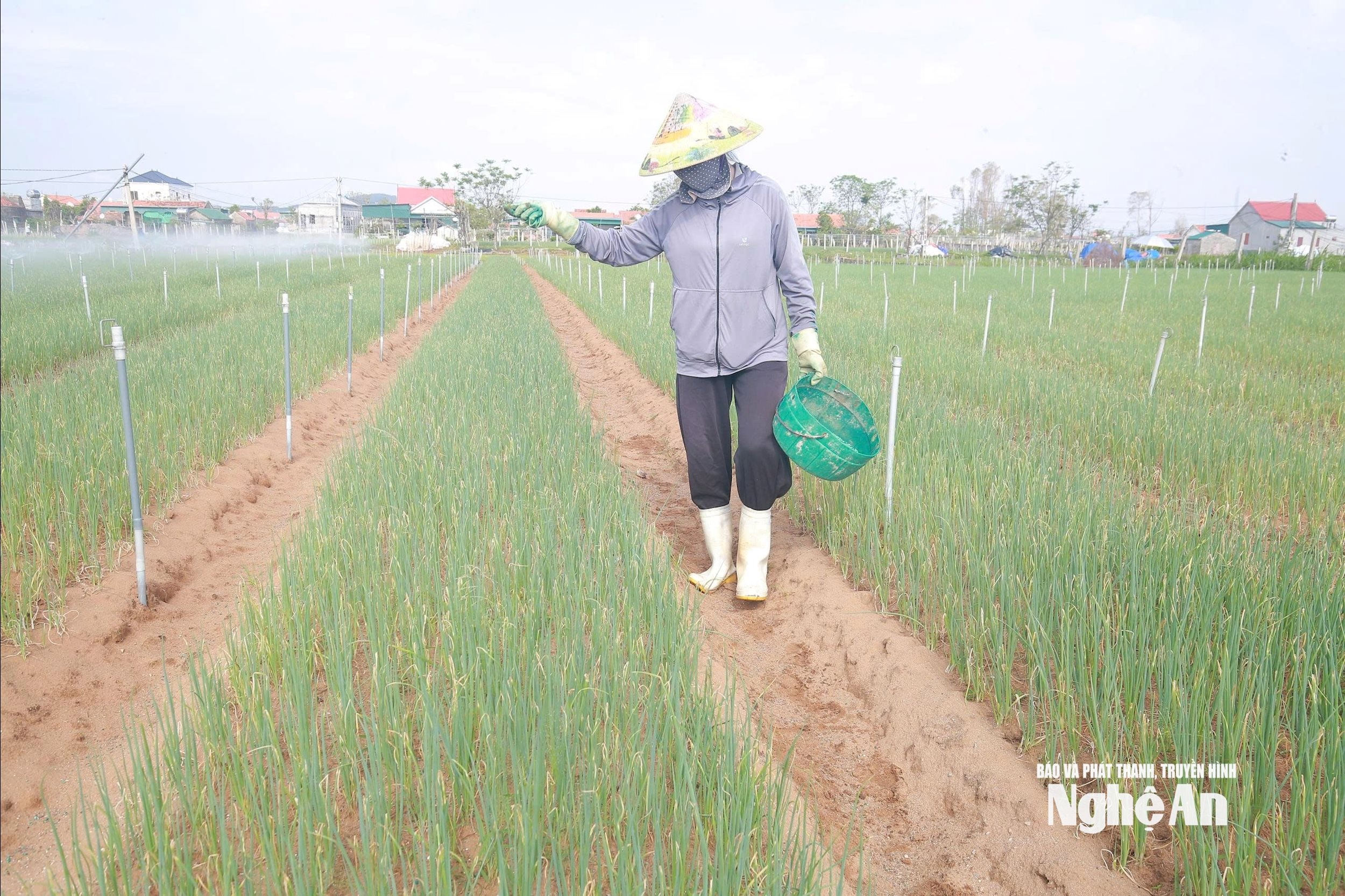
In the flooded fields, Mrs. Nguyen Thi Thom in Binh Minh village is busy weeding and fertilizing her 3-acre onion field, which has just started to turn green again. “The onions were damaged by the storm, but now that it’s dry, I’m taking advantage of the opportunity to take care of them. If the weather is favorable, I can harvest them in about a month, just in time to supply the market when there’s a shortage and prices are rising,” she said happily.
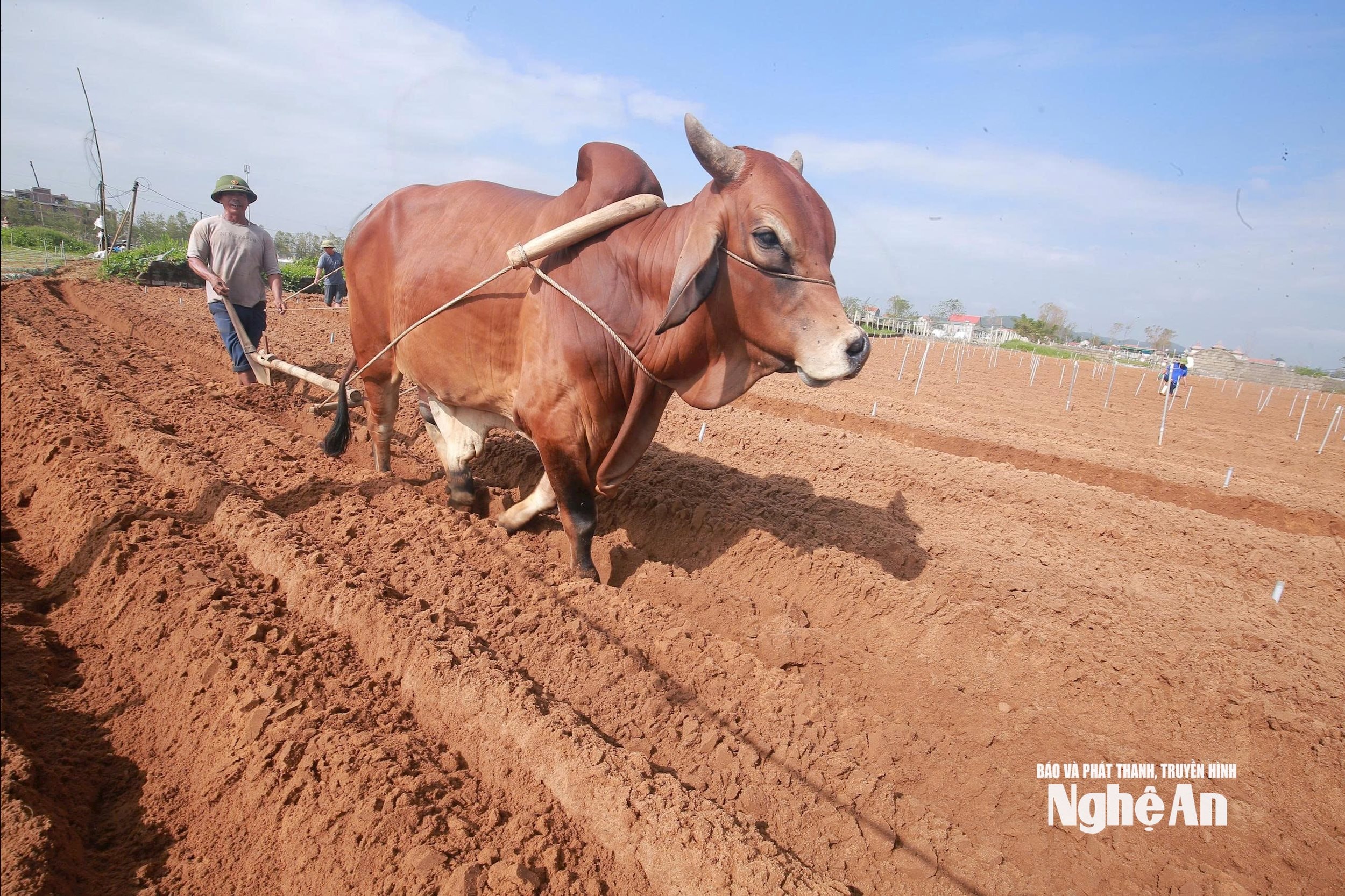
Not far away, Mr. Truong Dau was plowing the land, preparing the furrows to sow cabbage and carrots. He said that after the storm, green vegetables were scarce, so prices had risen, giving farmers a chance to recoup some of their losses. "We try to stay in the fields, learning from experience as we go, choosing short-season varieties so we can sell them by the end of the year," Mr. Dau shared.
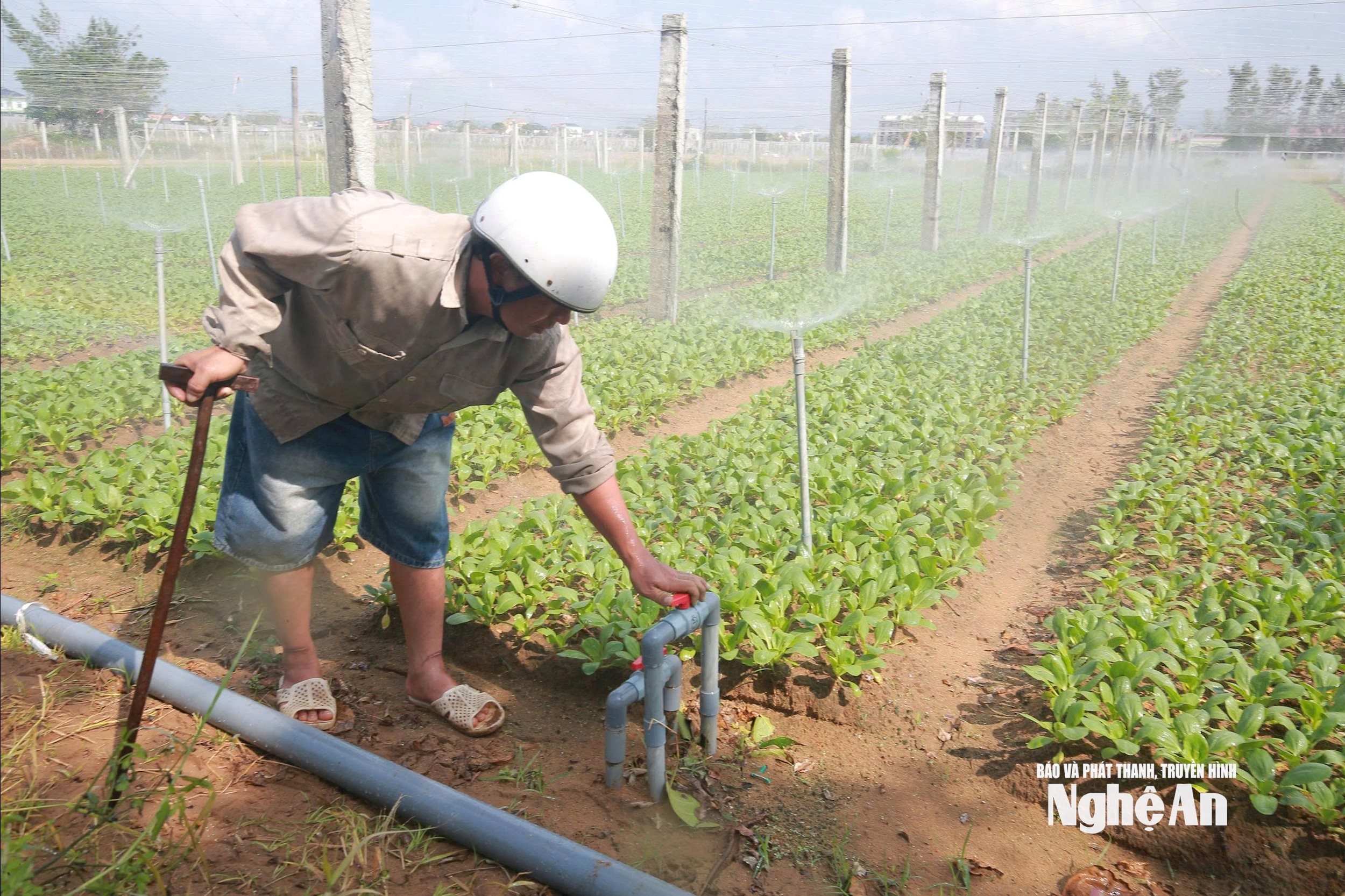
In the vegetable-growing area of Quynh Anh commune, farmers are quickly heading to the fields to tend to their crops, fertilize vegetables and onions, and sow more winter vegetables. Currently, many carrot fields, sown nearly a month ago, have been affected by heavy rains. Farmers are focusing on tilling the soil, weeding, and increasing irrigation to ensure good plant growth and timely harvesting in time for high vegetable prices.
According to Mr. Ho Dang Tam, Director of Quynh Bang Agricultural Cooperative, the cooperative has mobilized technical staff to work in the fields, guiding farmers in caring for damaged vegetable crops, and also organizing the provision of additional fertilizers and seeds on a deferred payment basis. “Since the planting season is late, we encourage people to choose short-term vegetable varieties to supply the market after the storm. At the same time, we proactively cover the crops with plastic sheeting to retain moisture and heat, limit rain and cold, and ensure that high-quality, long-term vegetables such as carrots, cauliflower, and cabbage… are available for the Tet market,” Mr. Tam said.
In the vegetable fields of Vinh Hung ward, the atmosphere of production is bustling. Ms. Nguyen Thi Lan from Vinh Xuan neighborhood happily said: "The price of vegetables has almost doubled compared to before the storm. Everyone is trying to plant and cultivate short-term vegetables like cabbage, water spinach, and lettuce to harvest early, both to meet market demand and to compensate for losses."
Not only with vegetables, the provincial agricultural sector also directed localities to focus on restoring fruit trees, especially oranges in mountainous communes such as Nhan Hoa, Hanh Lam, and Con Cuong… After the storm, many orange orchards were damaged, with broken branches and fallen fruit. In Nhan Hoa commune, Ms. Nguyen Thi Nga sadly looked at her orange orchard, battered by the wind, with fruit scattered all over the ground: “Oranges are the main source of income for my family. Although the damage is significant, we are pruning, fertilizing, and tending to the orchard, hoping to save the remaining fruit to have some income at the end of the year.”
According to information from the Nghe An Department of Crop Production and Plant Protection, due to the impact of storms and heavy rain, many localities have not been able to resume production simultaneously. Currently, the department is guiding farmers to adjust planting schedules based on seasonal patterns, seed characteristics, and weather developments to ensure both yield and avoid risks. The end of the year is a major production period for farmers, when market demand increases sharply, prices are stable, and products are easily sold. Therefore, rapid but safe and sustainable recovery is key to Nghe An's agriculture, not only overcoming the storms and floods but also accelerating recovery, creating a foundation for a successful winter crop and a prosperous Tet holiday.


