
Farmers in Nghe An build greenhouses to protect shrimp from the heat.
To cope with the intense heat, the most effective solution in shrimp farming is to invest in net houses. This solution has been adopted by many farmers in Nghe An province.
Building a greenhouse to cope with the heat.
During those dayshot weatherVisiting some key shrimp farming areas in Quynh Luu such as Quynh Bang, Quynh Luong, Quynh Yen… one sees very few open ponds currently raising shrimp, with only a few ponds occasionally operating water pumps. Local people say that due to the recent mass shrimp mortality outbreak, shrimp farmers have not yet restocked their ponds, while the weather is intensely hot.
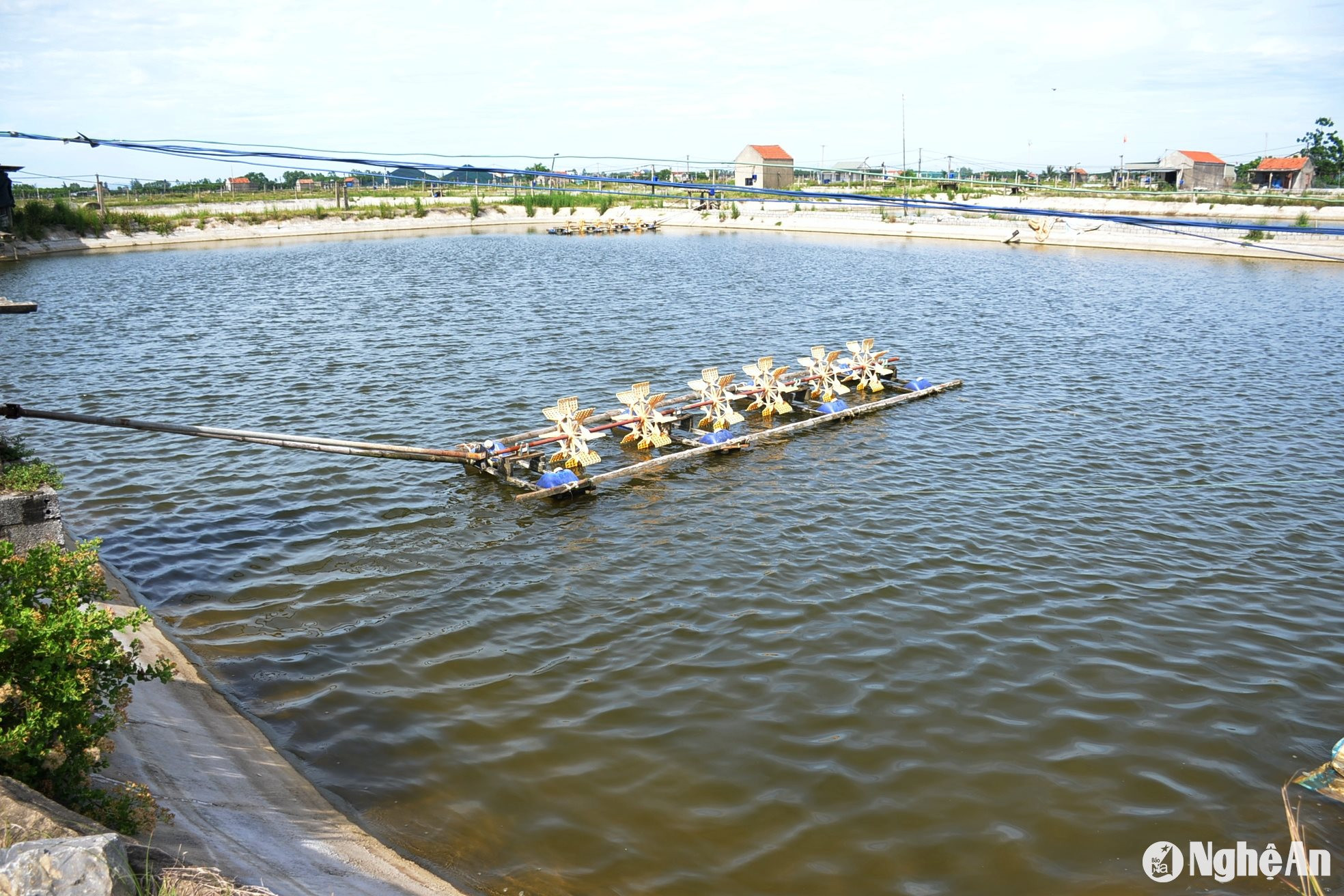
Mr. Ho Nghia Quy, from Dong Tam hamlet, Quynh Bang commune, said that he has been dedicated to this profession for a long time.shrimp farmingHaving been in business for over 20 years, we've accumulated considerable experience. Previously, despite the hot weather, the water was less polluted, resulting in safer shrimp farming, fewer diseases, and relatively profitable shrimp farming.
However, over time, the water sources outside the canals and ditches have become polluted, making shrimp farming precarious and leading to frequent disease outbreaks. For example, in the main shrimp farming season of 2024, my family stocked one pond with an area of 0.4 hectares, but after only a few days, all the shrimp died. We still haven't dared to stock another pond with new shrimp.
Shrimp farming during the main season often encounters intensely hot weather. Although Mr. Quy has applied solutions to combat the heat for the shrimp, such as raising the water level in the ponds to prevent the water from overheating, increasing the use of water aerators, and using biological products to decompose organic matter and limit algae growth, these measures have been ineffective. The climate is becoming increasingly harsh, with sudden changes in temperature, making the shrimp susceptible to heat shock.
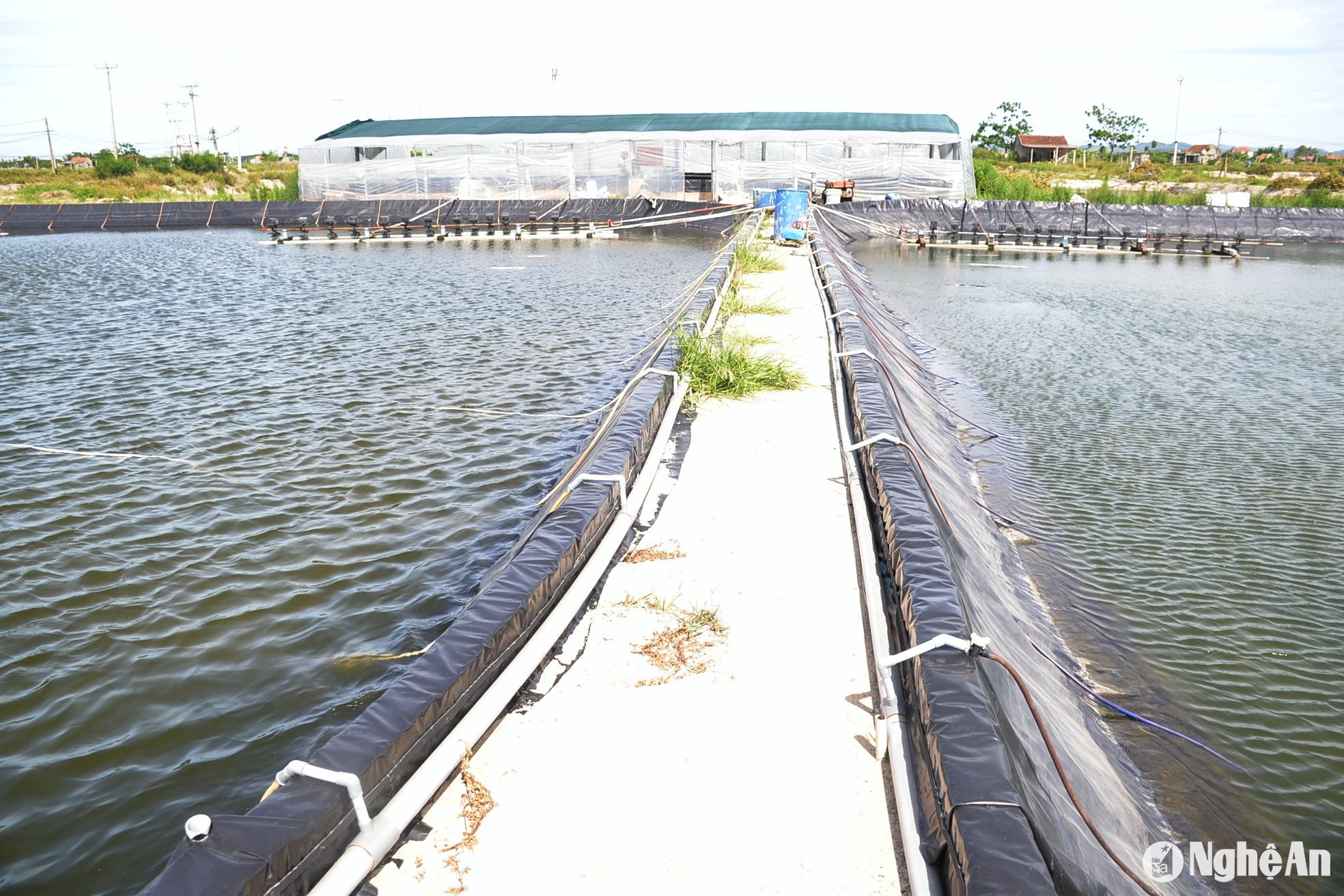
Pointing towards the relatively new net house, Mr. Quy said that nowadays, the only way to raise shrimp safely is by building a net house. In early 2023, his family invested 150 million VND to build a 250m² net house.2for shrimp farming. Inside the shelter, covered with blue netting, sunlight doesn't shine directly on the water's surface, making the temperature feel much cooler than outside.
Inside the greenhouse, Mr. Quy also built many cement tanks and invested in installing a high-tech shrimp farming system with multiple stages of shrimp cultivation. Currently, the new batch of shrimp has been stocked for 7 days, so he is present every day to operate the aeration system and water fans regularly.
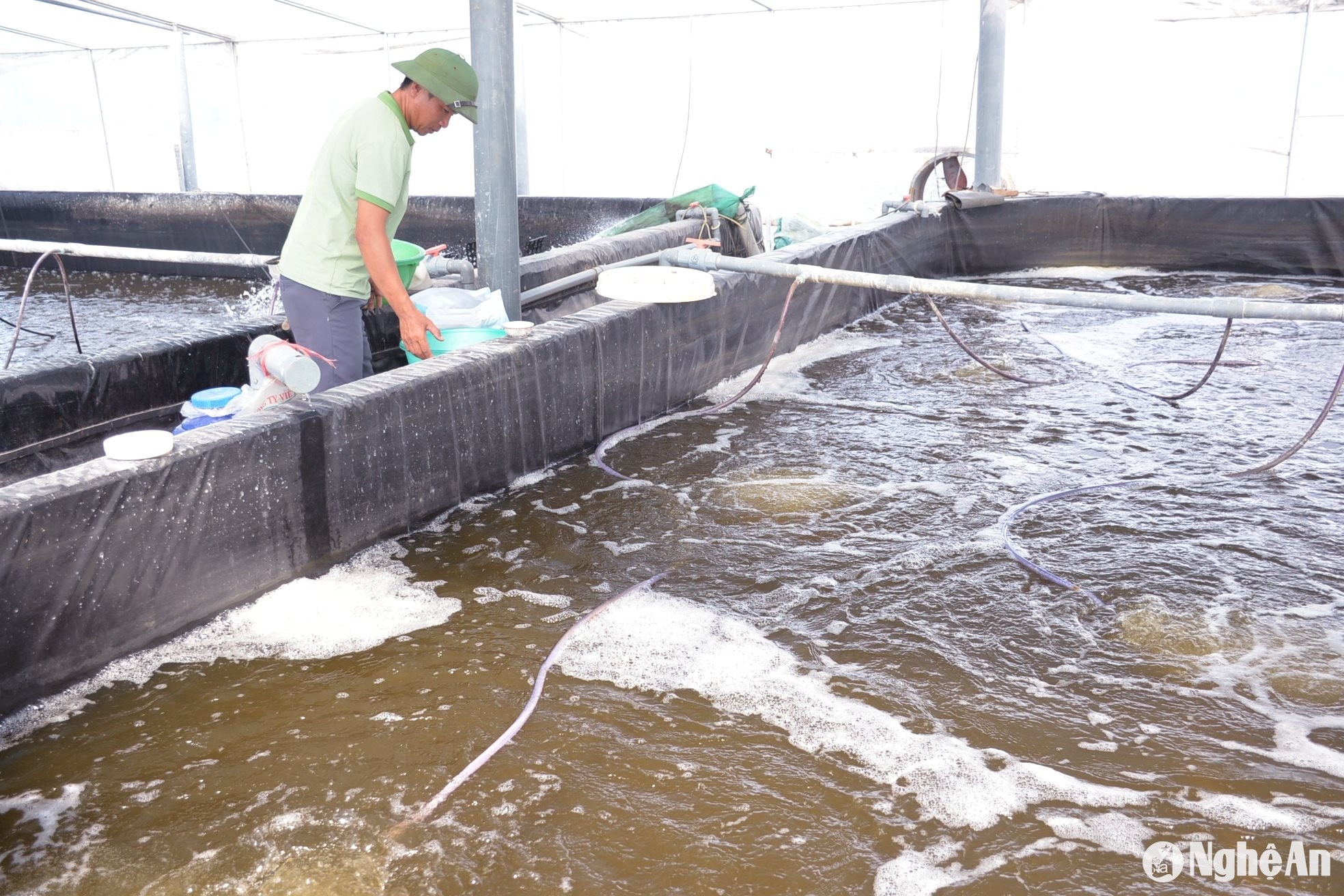
“Investing in building net houses not only facilitates shrimp farming during the hot summer months but also suits the low temperatures of winter, allowing for 3-4 shrimp harvests per year with high yields. However, building a net house requires a high investment, and given the limited economic resources of most shrimp farmers, not every pond owner can afford it. Therefore, my family, with 1 hectare of ponds, has only invested in building a net house covering 250 square meters so far.”2"The remaining pond area is still being used for outdoor farming, which carries high risks," shared Mr. Ho Nghia Quy.
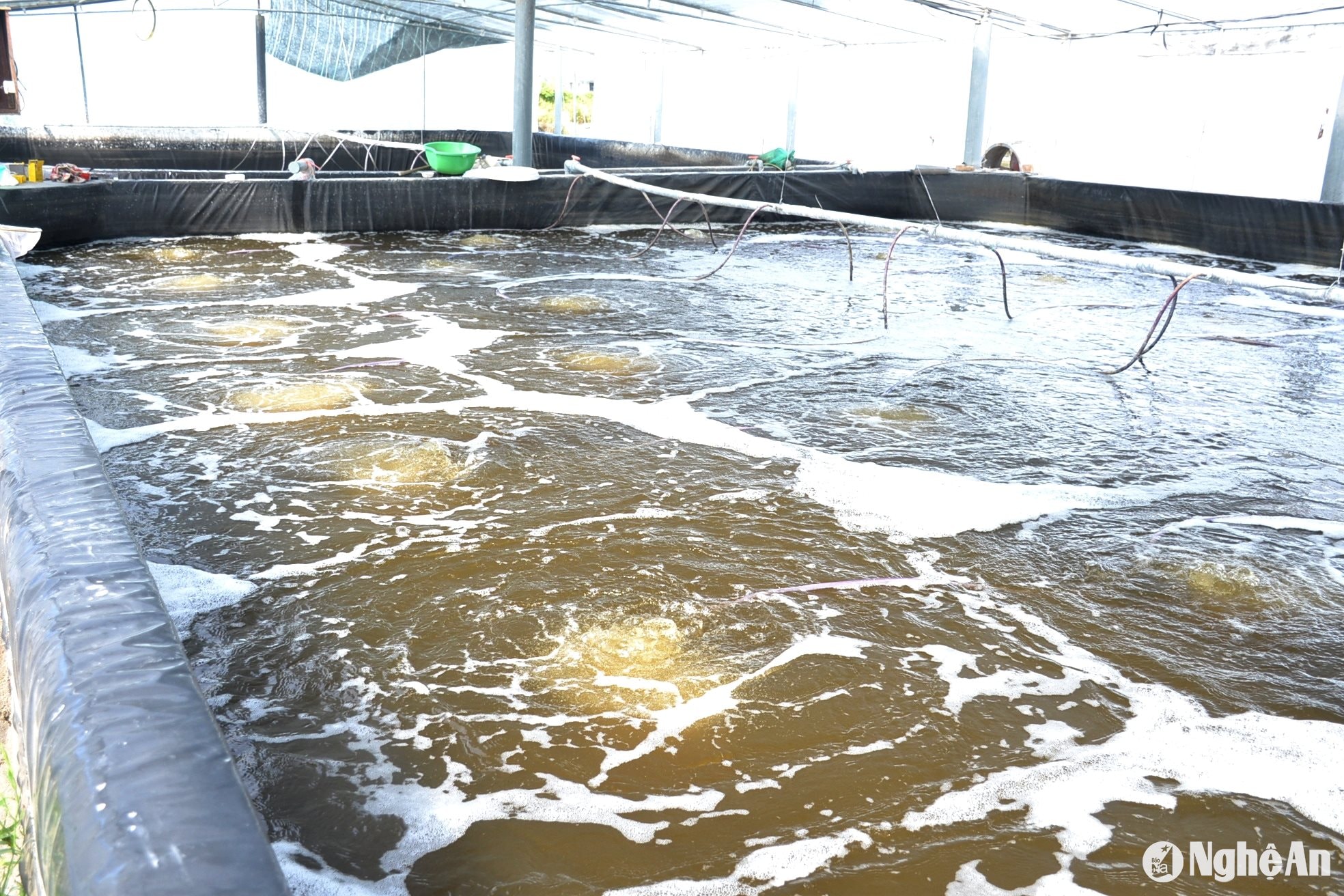
Mr. Nguyen Cuong, residing in Hamlet 2, Dien Trung Commune (Dien Chau District), has many years of successful shrimp farming experience, and therefore has the expertise to handle the hot season. According to Mr. Cuong, for ponds lined with tarpaulin, using sunshade netting stretched over the top helps to reduce solar radiation, lower water temperature, limit algae growth, and prevent stress on the shrimp. For earthen ponds, it's crucial to always provide sufficient water, ensure adequate depth, and increase aeration with water fans to prevent temperature stratification and provide oxygen for the shrimp.
However, that was in the past. Currently, his family has invested in high-tech shrimp farming across all 5 hectares of ponds. High-tech shrimp farming ensures disease safety, and they can harvest 4-5 batches of shrimp per year, resulting in much higher economic efficiency compared to outdoor shrimp farming.
Over 156 hectares of shrimp farms with multiple stages of farming.
Nghe AnEvery year, over 2,300 hectares of brackish water shrimp farms are established in the districts of Quỳnh Lưu, Diễn Châu, Nghi Lộc, Hoàng Mai town, and Vinh city. Annual shrimp production reaches nearly 10,000 tons. In recent years, shrimp farmers in the province have increasingly invested in high-tech shrimp farming.
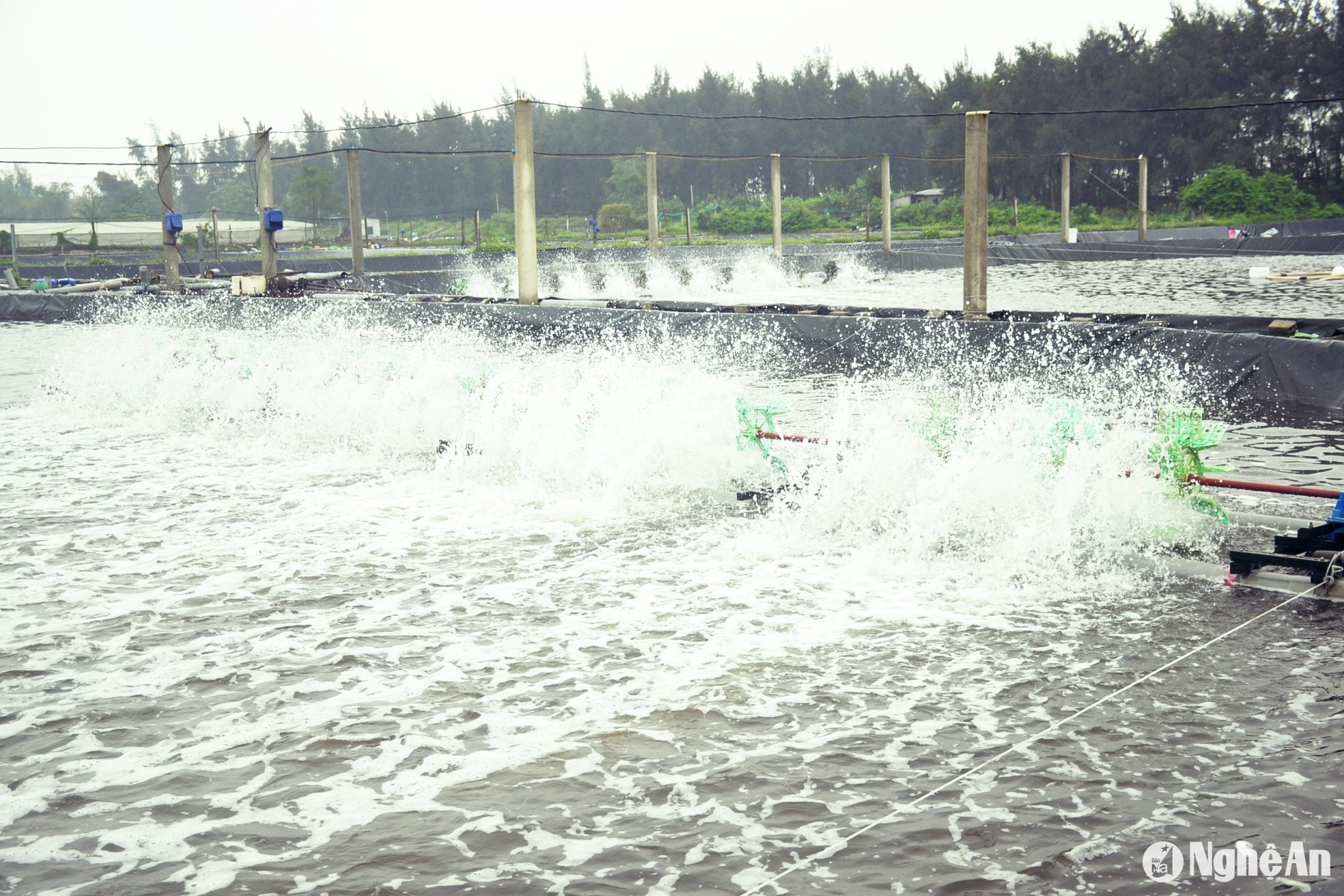
According to Mr. Le Van Huong, Deputy Head of the Fisheries and Fisheries Inspection Sub-Department, due to the many risks involved in outdoor shrimp farming, especially during the hot season, the application of advanced technical processes and high technology in shrimp farming is increasingly attracting the attention of farmers, in order to adapt to the increasingly harsh weather changes.
Accordingly, currently throughout the province, there are 81 establishments applying the multi-stage shrimp farming model with an area of 136.75 hectares. Of these, 21 establishments raise shrimp in floating cages covering 35.4 hectares, increasing productivity and product quality, with shrimp yields reaching 15-20 tons/hectare/season. To facilitate management and monitoring of the production process, many large-scale aquaculture production facilities have installed cameras and updated data on computer systems.
Experts recommend that during the long, hot summer months, in addition to selecting good, healthy, and quarantined shrimp fry, shrimp farmers should regularly check the water level in their ponds, ensuring the depth always reaches 1.5 meters, and increase the use of aerators to maintain oxygen levels. These are crucial factors to prevent thermal stratification. Ensuring the surface and bottom of the pond remain cool and provide sufficient oxygen for the shrimp.


