
Farmers in Nghe An line up to have their rice dried.
Unusually heavy and prolonged rains have made it impossible to dry the harvested rice, causing it to quickly steam, sprout, and spoil, forcing farmers to seek out drying facilities. However, due to soaring demand, the drying systems in various localities are overloaded, forcing people to queue and wait anxiously...
.jpg)
In mid-May 2025, as the spring rice crop ripened across the fields of Nghe An province, farmers had barely had time to celebrate the bountiful harvest before they had to race against successive unseasonal rains. The harvested rice couldn't be dried, piling up indoors, becoming damp, discolored, and starting to sprout. Many were forced to look for drying facilities, but all the ovens were overloaded.
In Dai Dong commune (Thanh Chuong district), the once bustling rice drying yards are now deserted. Harvested rice is brought straight home, spread out on the ground, covered with tarpaulins, and fans are running day and night to dry it, but it's still not enough. High humidity and stuffy air cause the rice grains to spoil quickly. Many families are anxiously looking for drying facilities, but there are only two drying ovens in the entire district, completely overloaded.
.png)
Ms. Dinh Hai, a farmer in Dinh Chu hamlet, Dai Dong commune, said dejectedly: “My family cultivates 7 sao (approximately 0.7 hectares) of rice fields, yielding over 2.5 tons. After harvesting, it rained, making drying impossible. Even spreading it all over the house wasn't enough. Some parts were wilting, others had started sprouting, and some were still damp and warm to the touch. When we contacted a drying facility, they said it would be another 4 days before our turn. If we wait until then, we'll probably have to throw it all away.”
A similar situation is occurring in many other households. Some families cultivate several acres of rice paddies, harvesting tens of tons of rice, but due to a lack of drying yards and nearby drying facilities, they are forced to wait helplessly. The amount of rice needing processing after harvesting has increased dramatically, exceeding the capacity of the existing rural drying system.
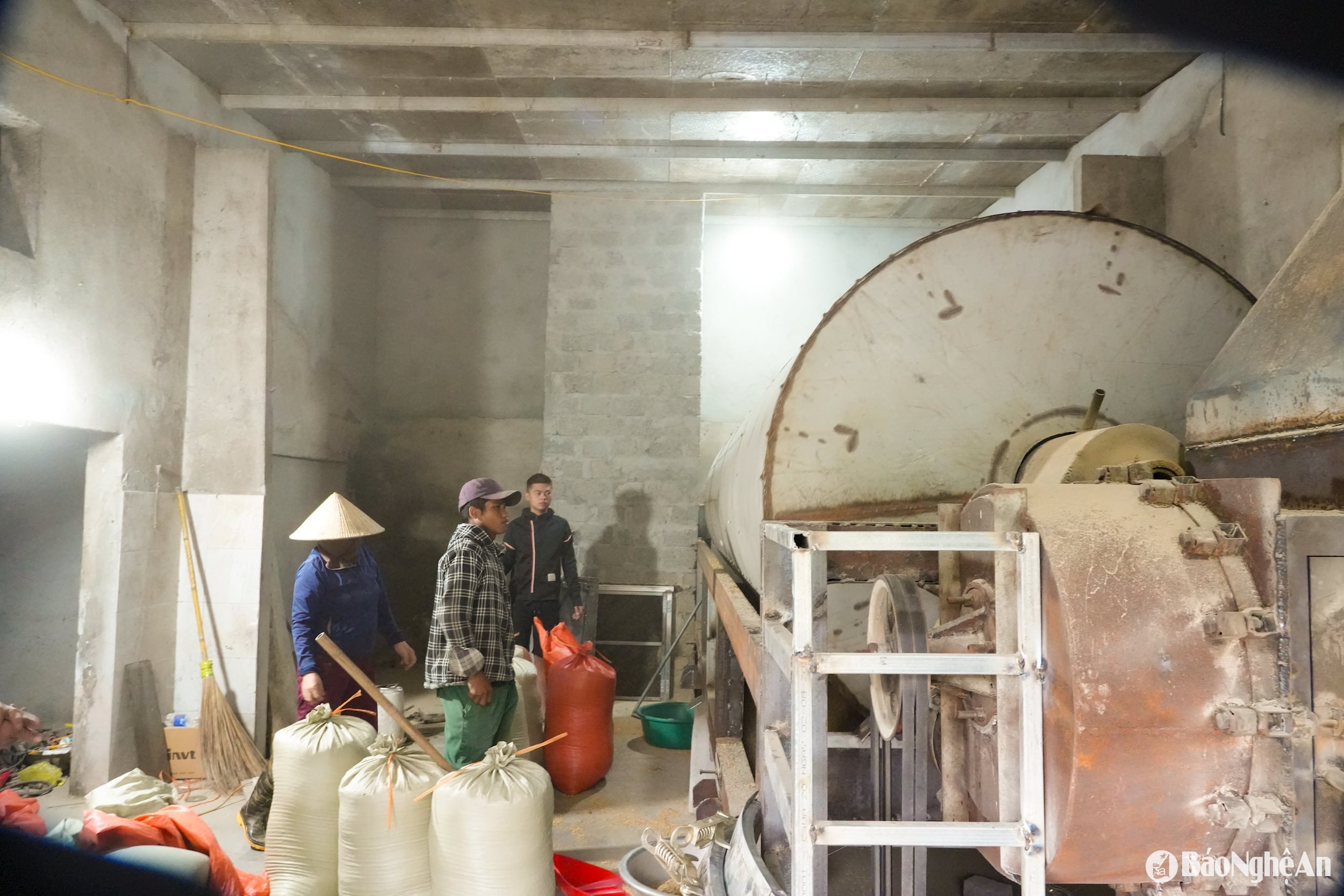
Ms. Tran Thi Thuy, owner of a rice drying facility in Dai Dong commune, said: “Each batch can only dry 7 tons, and we can only process one batch per day, even with overtime shifts and mobilizing up to 7 workers. Currently, we prioritize drying fresh, moist rice that hasn't sprouted yet to save it first. Those whose rice has already been sun-dried for one day will be scheduled for later. However, due to overload, we haven't been able to accept any more orders for the past few days. Some households from other communes, even tens of kilometers away, have hired trucks to transport their rice for drying.”
Not only has the quantity of rice increased dramatically, but the cost of services has also risen. According to Ms. Thuy, due to the increase in fuel prices, drying costs currently range from 750,000 to 800,000 VND per ton. Despite the high cost, many households still accept spending a large sum of money to save their rice from germinating and changing color.
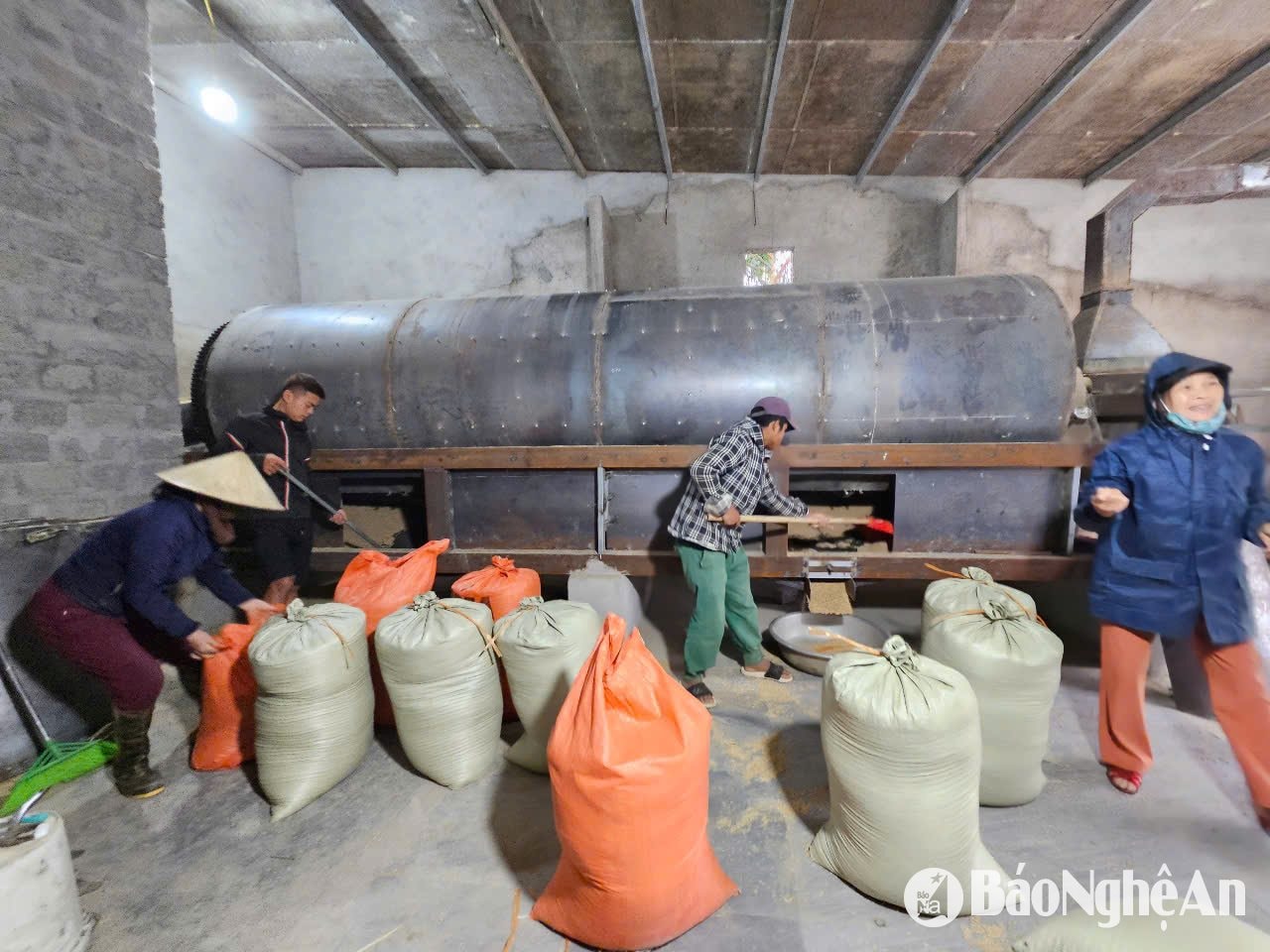
Mr. Tran Hoai Nam's family-run drying facility in Kim Lien commune (Nam Dan district) operates day and night but still can't keep up with demand. Each batch only dries 1.5 tons, taking 4 hours, so a maximum of 4 batches, or 6 tons, can be dried per day. Meanwhile, people from the entire commune and surrounding areas flock to the facility, creating long queues. Mr. Nam shared: "I schedule appointments in advance for each household, prioritizing those with heavily soiled rice. Some households cultivate 5-6 acres of rice paddies, filling their warehouses; if they don't dry it in time, they'll lose everything. I want to help everyone, but my machinery is limited, and I can't take on more."
Ms. Tran Thi Lieu, from Hung Tien commune, Nam Dan district, said: "My family still has 3 tons of rice that haven't had time to dry completely, and it's already been steamed, so we have to travel all the way to Kim Lien to have it dried. Even though we're willing to pay an extra 700,000 VND per ton, we still have to wait until tomorrow for our turn."
.jpg)
In reality, most farmers still depend on the weather and traditional drying methods. Rice drying is not yet widespread. They only resort to using drying ovens when there is prolonged rain and no other option. This is partly due to unfamiliarity with the process and partly because investing in drying machines is very expensive. The price of a small drying machine currently ranges from tens to hundreds of millions of dong.
Meanwhile, each rice harvest and drying cycle only takes about 7-10 days. If it only serves one family, it's very difficult to make a profit, and if you want to offer drying services, you need to invest properly in infrastructure, labor, and space. Therefore, very few people dare to invest in drying machines. When there are heavy and prolonged rains like this year, the demand surges while the facilities are few, inevitably leading to overload.
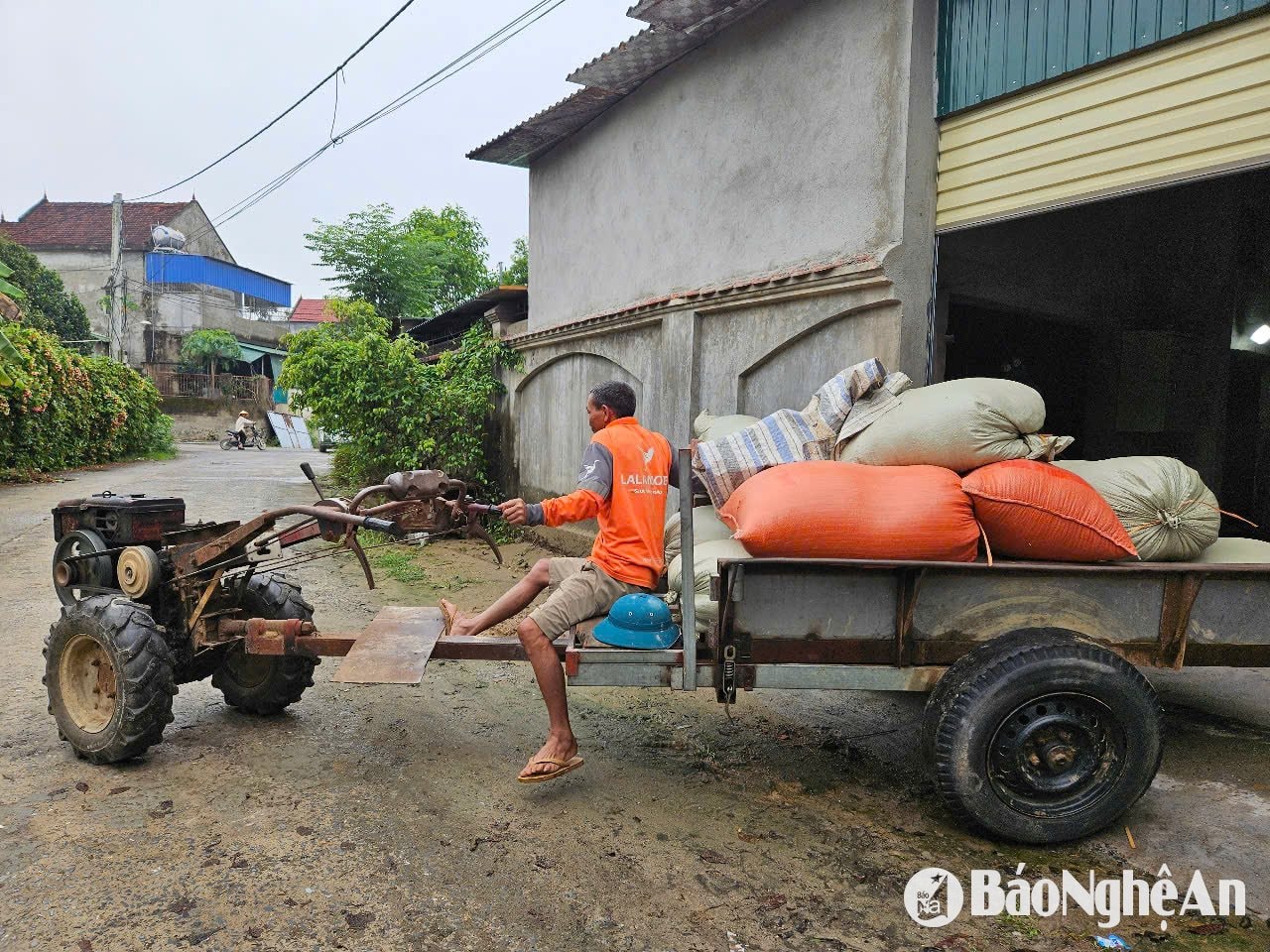
With the drying system being small-scale and scattered, people have no choice but to wait patiently. Many have resorted to using old tarpaulins, patching up makeshift drying areas, erecting racks on rooftops, and drying rice with heaters and industrial fans, but all have proven ineffective due to the extremely humid weather and continuous rain. This year's overloaded drying facilities once again highlights the urgent need for serious and systematic investment in post-harvest preservation.


