
Breaking News: Iran to announce new Supreme Leader
Iran is preparing to announce the successor to the late Supreme Leader Ayatollah Ali Khamenei amid intense airstrikes by the US-Israel coalition targeting fuel depots, which have created thick black smoke blanketing the capital Tehran.
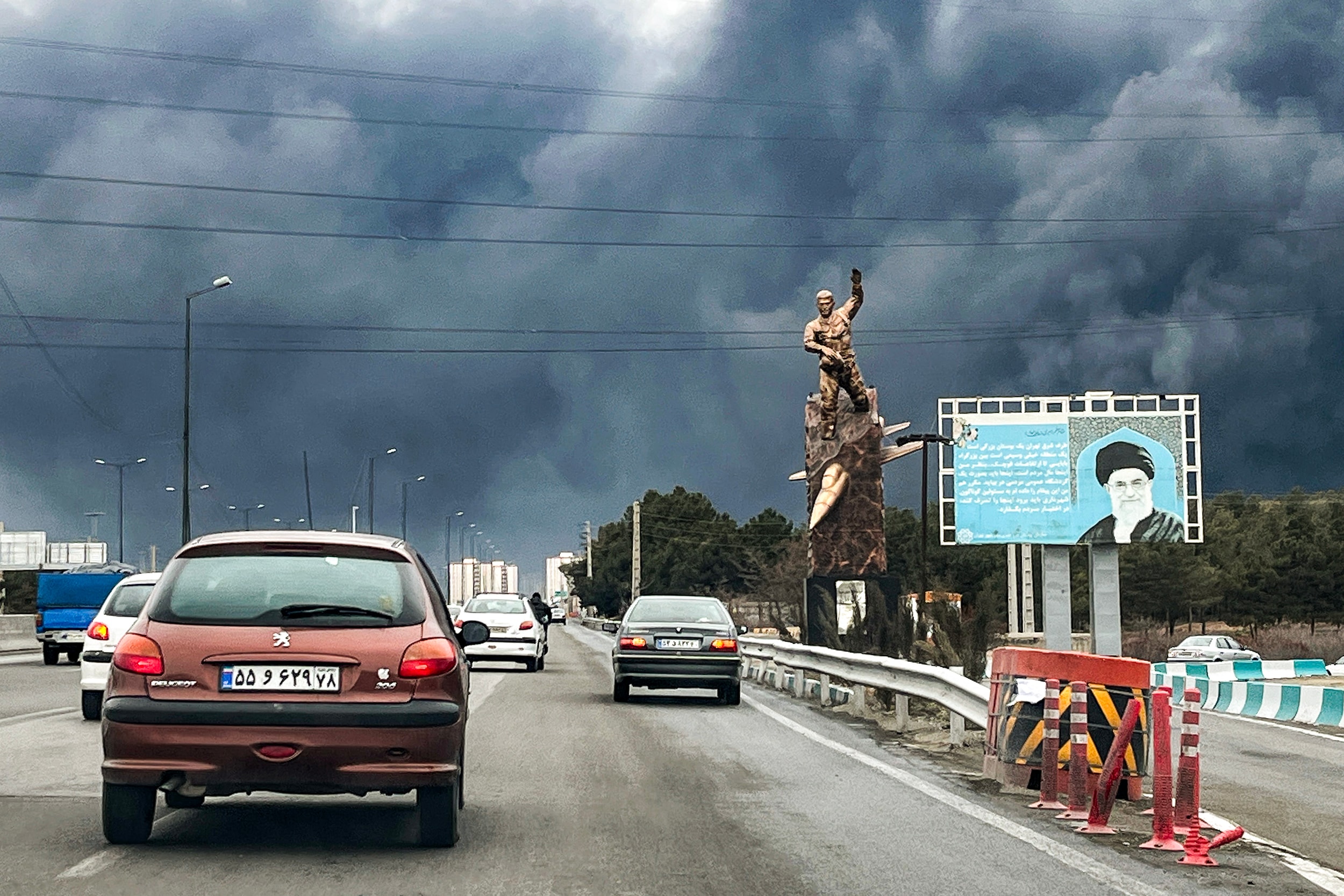
The transfer of power under fire.
The Assembly of Experts – the body with the ultimate authority in selecting a successor to the late Supreme Leader Ayatollah Ali Khamenei (who died just over a week ago) – is believed to have made the final decision.
Speaking to Iran's Mehr news agency, Ahmad Alamolhoda, a member of the Council, confirmed that the appointment vote had taken place and the new leader had been chosen. The Secretariat of the body will officially announce the successor's identity in the near future. According to some other members, the late leader's son is highly likely to take over the position.
However, the power transition was facing life-or-death pressures. Israel immediately issued a stern warning that its forces would not hesitate to target the new leader as well as members of the Assembly of Experts. This threat was realized with two swift operations overnight: airstrikes on fuel depots in Tehran and an attack on a hotel in the heart of Beirut, targeting high-ranking Iranian commanders.
Warning of long-range missiles and widespread risk.
Entering its ninth day of conflict, Iran's Islamic Revolutionary Guard Corps (IRGC) declared it possesses sufficient reserves to sustain drone and missile warfare across the Middle East for up to six months.
IRGC spokesman Ali Mohammad Naini warned that Tehran has so far only used first and second-generation missiles, and asserted that it will launch "advanced and rarely used long-range missiles" in the coming days.
This statement comes at a time of harsh reality on the battlefield as the war spills over borders. A number of U.S. allies in the region have been drawn into the conflict. Saudi Arabia has had to intercept a wave of drones targeting objectives in the capital Riyadh, including the diplomatic quarter.
Kuwait confirmed an attack hit fuel tanks at its international airport, while Bahrain reported damage at a seawater desalination plant.
Qatar and the United Arab Emirates (UAE) also reported new attacks on March 8.
For his part, US President Donald Trump continues to leave open the possibility of sending ground troops into Iran, but asserts that Washington has almost certainly secured victory despite any retaliation.
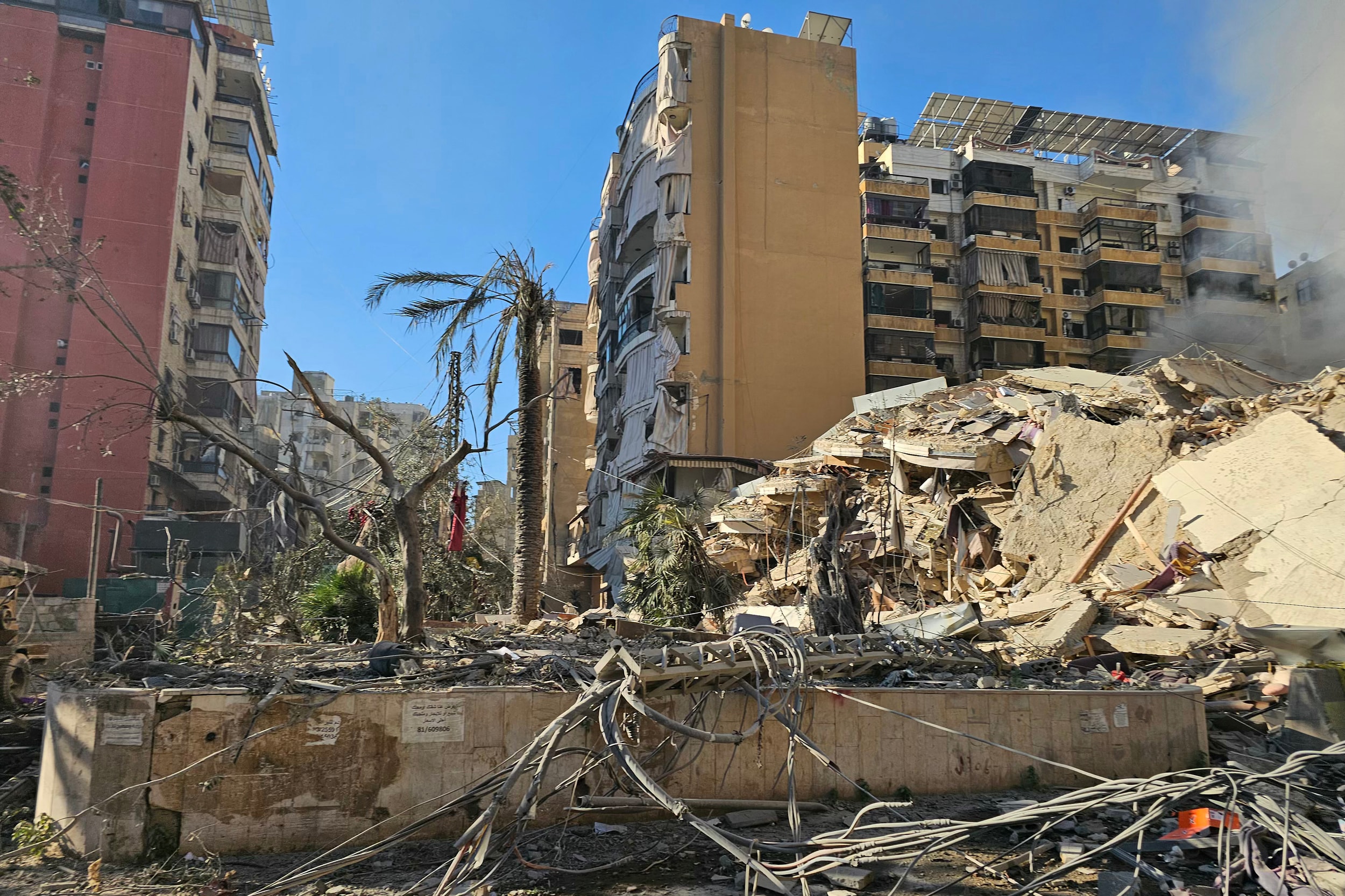
Humanitarian losses and civilian infrastructure damage.
Inside Iranian territory, damage to infrastructure and residential areas is increasing by the hour. The director of the national petroleum product distribution company said coalition fighter jets struck five oil facilities in and around Tehran overnight, killing four people. The Israeli military also confirmed the attack was aimed at preventing Iranian forces from accessing fuel supplies.
As a result, fuel distribution in the capital was temporarily disrupted, while thick smoke and a pungent burning smell enveloped the entire city in the early morning.
The cost of the war is weighing heavily on civilian lives. Iran's Ministry of Health announced that as of March 8th, at least 1,200 civilians had been killed and approximately 10,000 injured. In Lebanon, authorities also confirmed at least 294 deaths in Israeli airstrikes last week, prompting Prime Minister Nawaf Salam to warn of an impending "humanitarian catastrophe." Meanwhile, in the US, President Trump attended a ceremony to receive the remains of six servicemen killed in a drone attack on a US base in Kuwait.
Diplomatic impasse and the voice from the international community.
Analysts warn that there is currently no clear roadmap to ending the conflict. US and Israeli officials predict the war could last a month or longer. Washington's proposal to support economic reconstruction if Iran accepts a leader "suitable" for US interests has been completely rejected by Tehran.
Facing the risk of the conflict spiraling out of control, the international community began to speak out more strongly. Despite maintaining close ties with Tehran, China and Russia largely remained on the sidelines. However, at a press conference in Beijing on March 8th, Chinese Foreign Minister Wang Yi made noteworthy remarks, emphasizing that the war in the Middle East "should never have happened." Wang Yi warned: "A strong fist does not equate to righteousness. The world cannot return to the law of the jungle."


