
Clean agriculture linked with ecotourism in Nghe An
In Nghe An province, many localities such as Vinh city and the districts of Nam Dan, Tan Ky, Yen Thanh, Con Cuong, Ky Son, etc., have seen the emergence of agricultural models combined with ecotourism and farmstays, creating attractive destinations that both provide agricultural products and develop the tourism environment.
Developing lotus ponds and ancient rose gardens for tourism purposes.
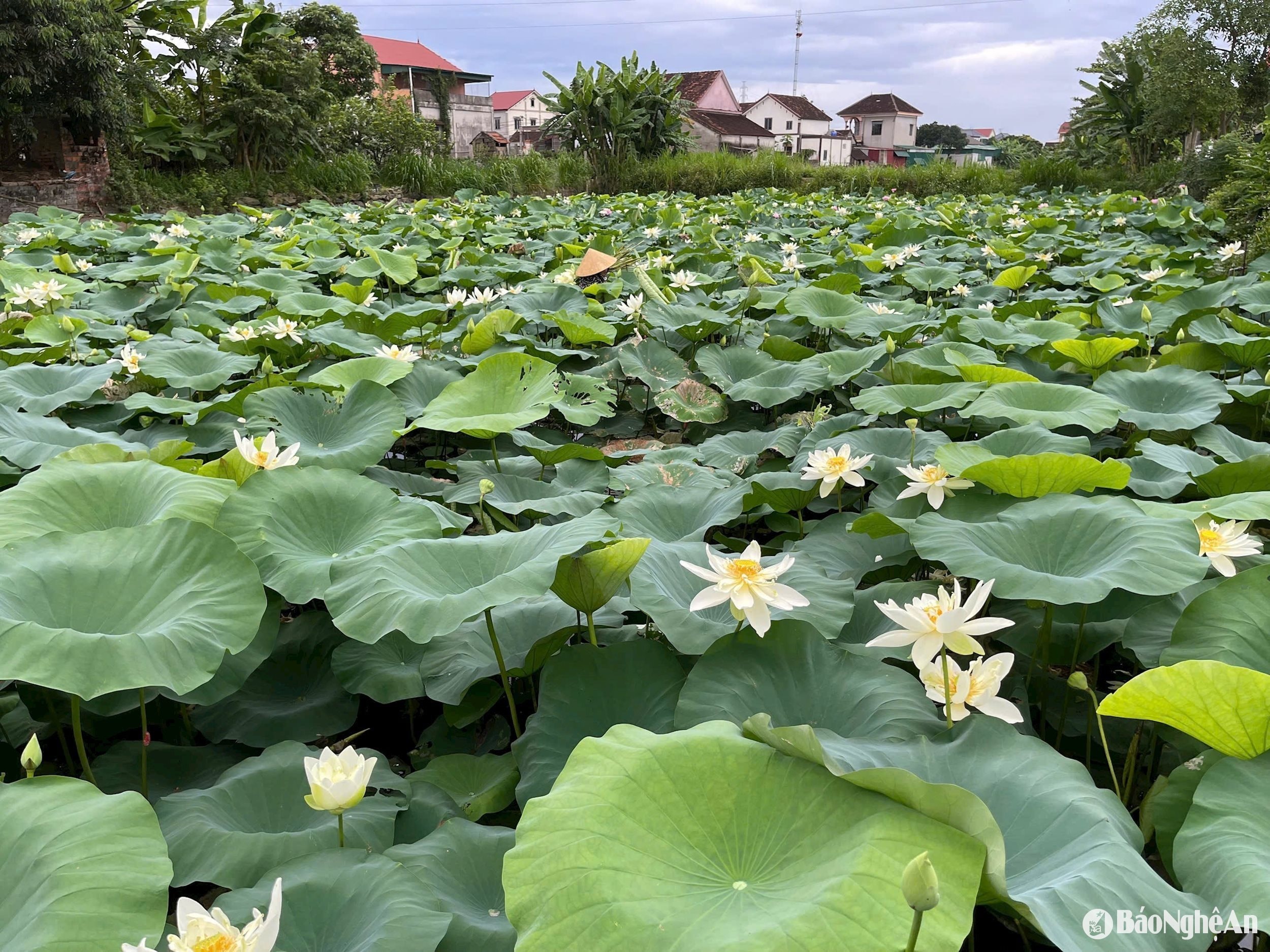
Nam Dan district is currently aiming to build a model new rural area. The entire district has over 100 hectares of lotus, with Kim Lien commune having 30 hectares. Lotus is grown in Lang Sen 1, Lang Sen 2, Lien Hong, Hoang Tru, Lien Mau 1, Lien Mau 2 hamlets, etc.
Lotus is grown in areas of less productive rice land, thus creating beautiful landscapes and producing many unique tourism products from lotus tubers, flowers, leaves, lotus tea, etc.
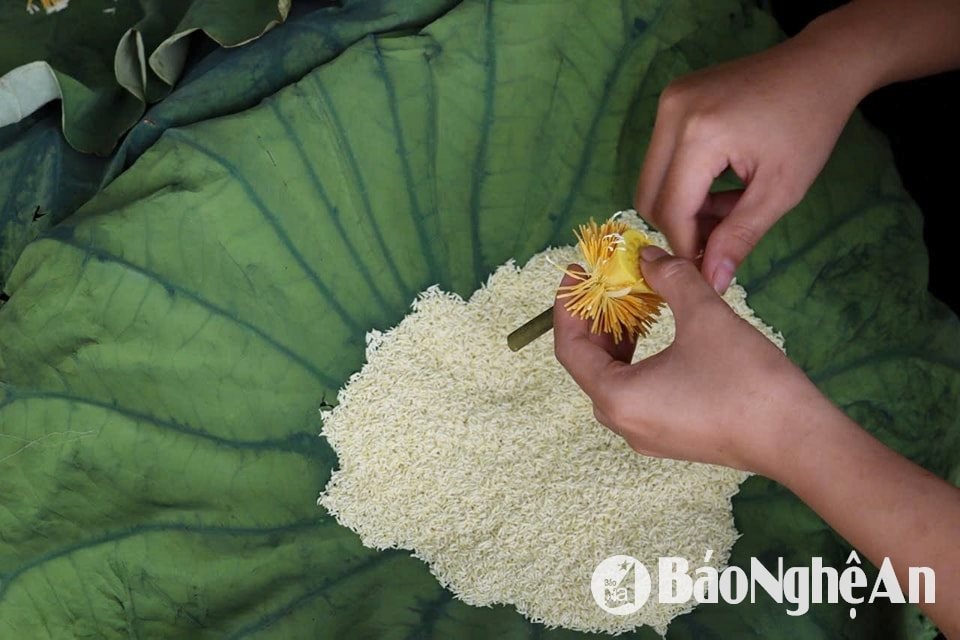
In Nam Dan, lotus fields and ponds serve both as tourist attractions in President Ho Chi Minh's hometown and as a source of OCOP (One Commune One Product) products. Mr. Pham Kim Tien, Director of the Uncle Ho's Hometown Lotus Cooperative, is a pioneer in cultivating various lotus varieties here, including pink lotus, thousand-petaled lotus, and Quan Am lotus. From lotus, the cooperative produces many unique products such as lotus root powder, lotus wine, and various types of lotus tea, both high-end and affordable. Lotus tea is made by infusing lotus rice using a traditional process, creating a refreshing and rich aroma.
In Nam Dan, tourists can admire lotus flowers, take photos with them, and also have the opportunity to experience the process of growing and processing lotus products, contributing to raising awareness about clean agriculture and preserving the local culture.
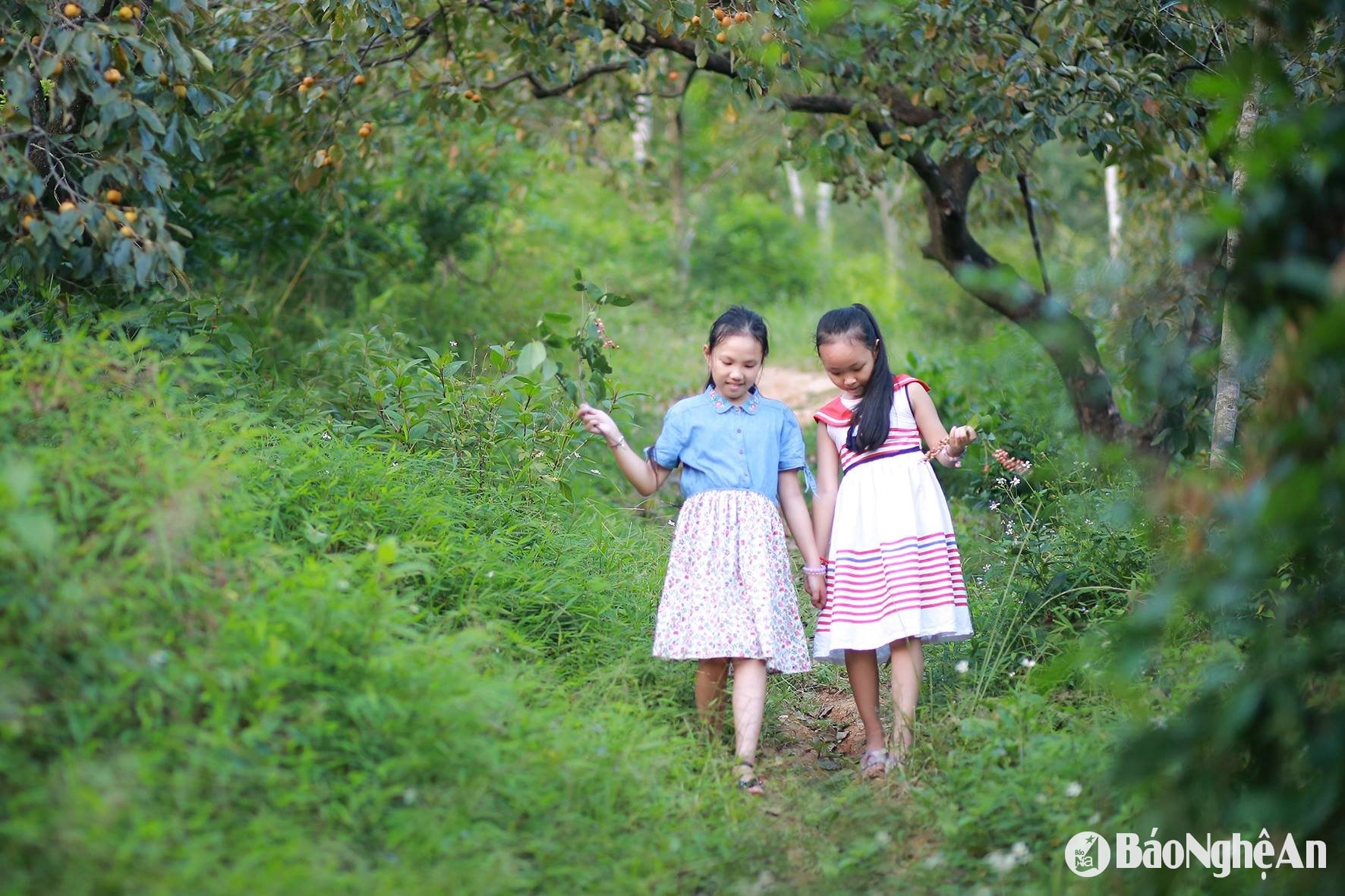
Nam Dan also boasts ancient persimmon orchards in Nam Anh commune, where locals both harvest and sell the fruit and engage in tourism. These centuries-old persimmon trees laden with fruit in autumn, their vibrant red color captivating many visitors. Thousands of tourists have come to check in at the persimmon orchards in Nam Anh, combining their visit with other famous attractions such as President Ho Chi Minh's birthplace and Dai Tue Pagoda.
If the local people and authorities continue to train farmers in tourism and enhance the promotion of the rose gardens, it promises to be highly effective and sustainable.
Eco-tourism destinations linked to the new rural development program.
Nghi Lien commune is the first model new rural area in Vinh City, known for the Trung Lien flower and ornamental plant village, which produces high-quality flowers and ornamental plants year-round. With a diverse range of ornamental plants, grown seasonally and tailored to specific needs and uses, Nghi Lien farmers have stable employment in the current context. In the spring, farmers grow flowers for Tet (Lunar New Year); in the spring and summer, they cultivate pumpkins, fragrant gourds, and high-quality cantaloupes; and throughout the year, they care for and maintain ornamental plants...
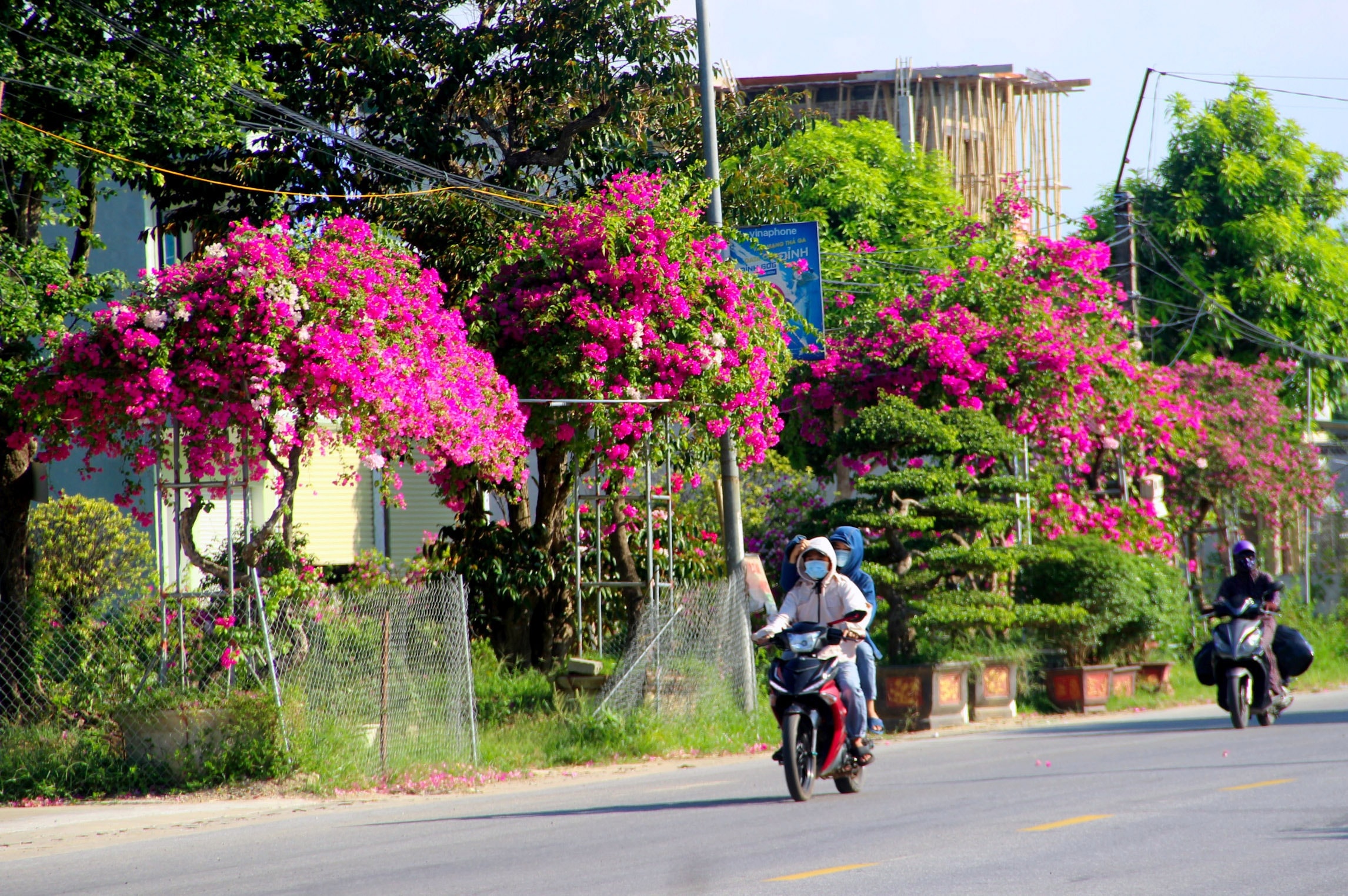
Similarly, in Nghi An commune (Vinh city), the most distinctive flower and ornamental plant villages, especially during Tet (Lunar New Year) and Spring, brilliantly display their beauty along National Highway 46. Gardens of purple and yellow chrysanthemums, peach blossoms, custard apples, etc., have given this suburban area a new space, offering a peaceful experience amidst the bustling city. Visitors to Nghi An can purchase products such as cantaloupe, safe vegetables, sticky corn, and ornamental plants.
Greenhouses and net houses for growing grapes, cucumbers, pumpkins, and hydroponic vegetables; fields of medicinal rice, Artemisia annua, carrots; small farms in the districts of Do Luong, Yen Thanh, Tan Ky, Con Cuong, and Hoang Mai town; or the giant vegetable and corn fields at TH farm (Nghia Dan), sunflower fields in Nam Dan, and the Tam Dinh rice flower tourism model (Anh Son)...

In Yen Thanh and Dien Chau districts, Ve Vung Lake and Xuan Duong Lake are also "highlights" of valuable green ecological areas; with clean, organic farming methods, soil protection, care logs, additional investment in food services, guided tours, etc., the economic efficiency is 2-3 times higher than conventional agricultural farming. At the same time, these places are destinations where parents can take their children on weekends to experience and learn about trees, mountains, and rivers...
Along the Lam River, in the districts of Nam Dan and Hung Nguyen, the orchards, greenhouses, and crops like burdock root and carrots are very eye-catching when harvested. In Con Cuong district, orange orchard tourism combined with boat trips on the Pha Lai River and a visit to the Khe Kem waterfall ecotourism site is also a fascinating experience.
Working with farmers to develop tourism.
In recent years, to stimulate rural and ecotourism, the province has supported the development of several tourism models. For example, in 2023, the entire province supported various sectors and localities in piloting 12 tourism models, including: 5 models in Nam Dan district, 1 model in Yen Thanh district, 1 model in Anh Son district, 1 model in Con Cuong district, 2 models in Tuong Duong district, 1 model in Quy Chau district, and 1 model in Que Phong district, with each model receiving 500 million VND in support.
Thanks to funding from the program, households, cooperatives, and associations in these localities have invested their own capital to implement the projects, initially achieving effective results and creating new livelihoods for the people. In 2024, some models will continue to be implemented, expanding the number of villages engaged in community tourism and farmstays in accordance with Resolution No. 25/NQ-HĐND dated November 12, 2022, of the Provincial People's Council. Each model will receive 500 million VND in support.
Local authorities have also developed plans and organized five training courses on agricultural and rural tourism, covering topics such as: an overview of agricultural and rural tourism, types of agricultural and rural tourism, management and development of rural tourism, and the potential of rural tourism in Nghe An... with the aim of establishing new rural criteria in the field of tourism.
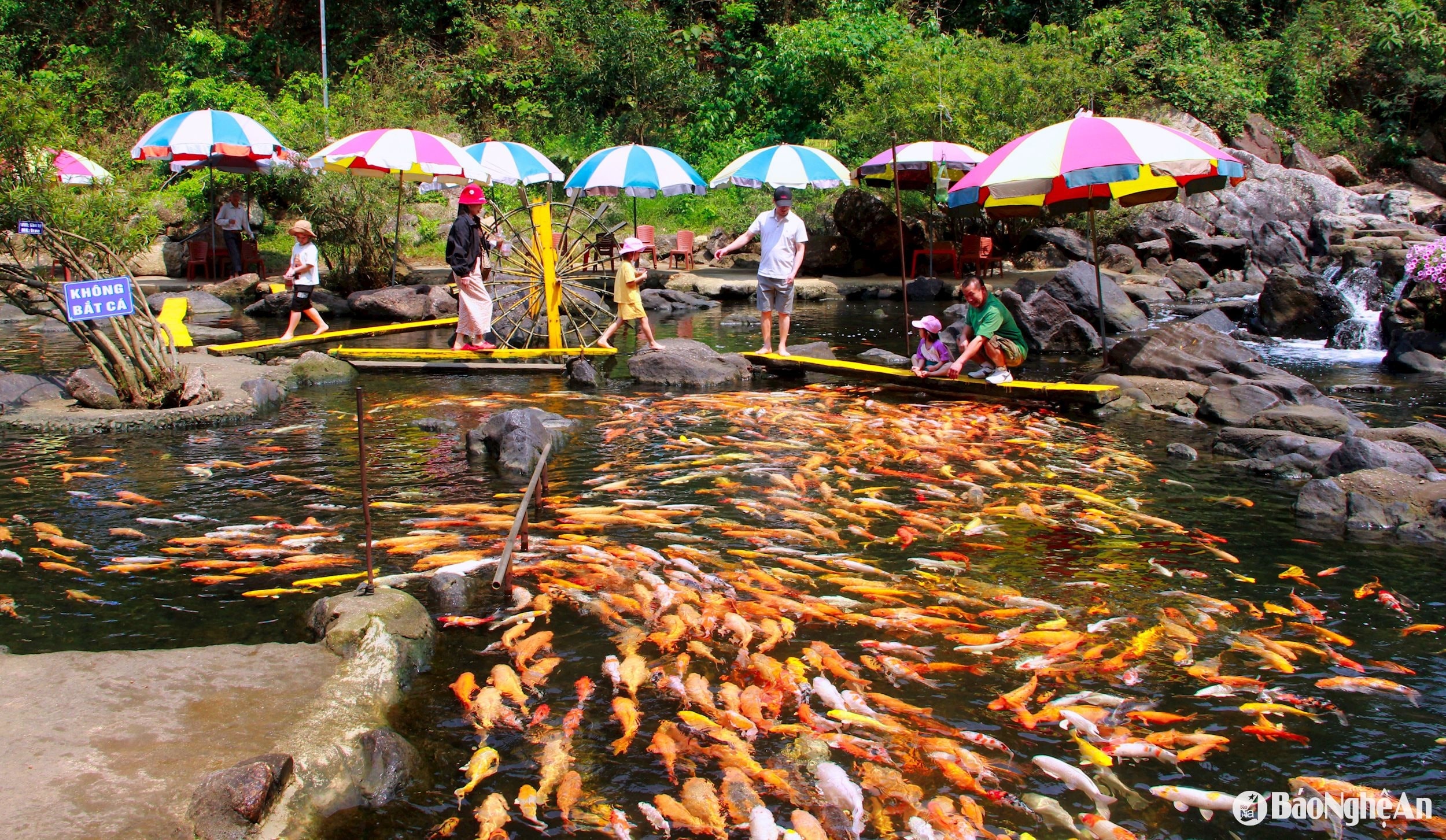
The relevant departments also organized survey teams to examine several rural tourism models in the province and proposed solutions to effectively exploit these models, thereby increasing their attractiveness to tourists and contributing to rural economic development..
Farmstay tourism business models involve building accommodation for tourists to relax and experience agricultural production activities such as farming, livestock raising, sightseeing, and enjoying clean food from products grown and processed right on the farm, as seen in communes like Nam Giang and Nam Anh (Nam Dan district), and homestays in Ky Son and Que Phong districts. These models exploit the potential of mountainous regions, allowing hardworking people to grow vegetables, raise chickens, weave fabrics, and improve their lives through tourism.
To date, the province has 16 villages and hamlets that have received support for rural tourism development, including: Long Thang village, Hanh Dich commune (Que Phong); Cooc village, Yen Hoa commune and Khe Co village, Tam Dinh commune (Tuong Duong); Bong village (Anh Son); the model in Ru Thanh, Nam Kim commune (Nam Dan); Ru Bac, Son Thanh commune (Yen Thanh); Xuan Thanh commune (Yen Thanh); Yen Khe and Chi Khe communes (Con Cuong); Chau Tien and Chau Binh communes (Quy Chau); Nghia Xuan commune (Quy Hop)...


