
Nothing Phone (3a) series: Two versions, one optimal choice
Nothing Phone (3a) and (3a) Pro are both excellent mid-range smartphones, but the standard version offers significantly better value than the Pro version.
Following the success of Phone (2a), Nothing continues to stir up the mid-range smartphone segment with the duo Phone (3a) and Phone (3a) Pro. Both devices offer a good overall experience at a reasonable price. However, after practical use, one option proves to be far superior in terms of value.
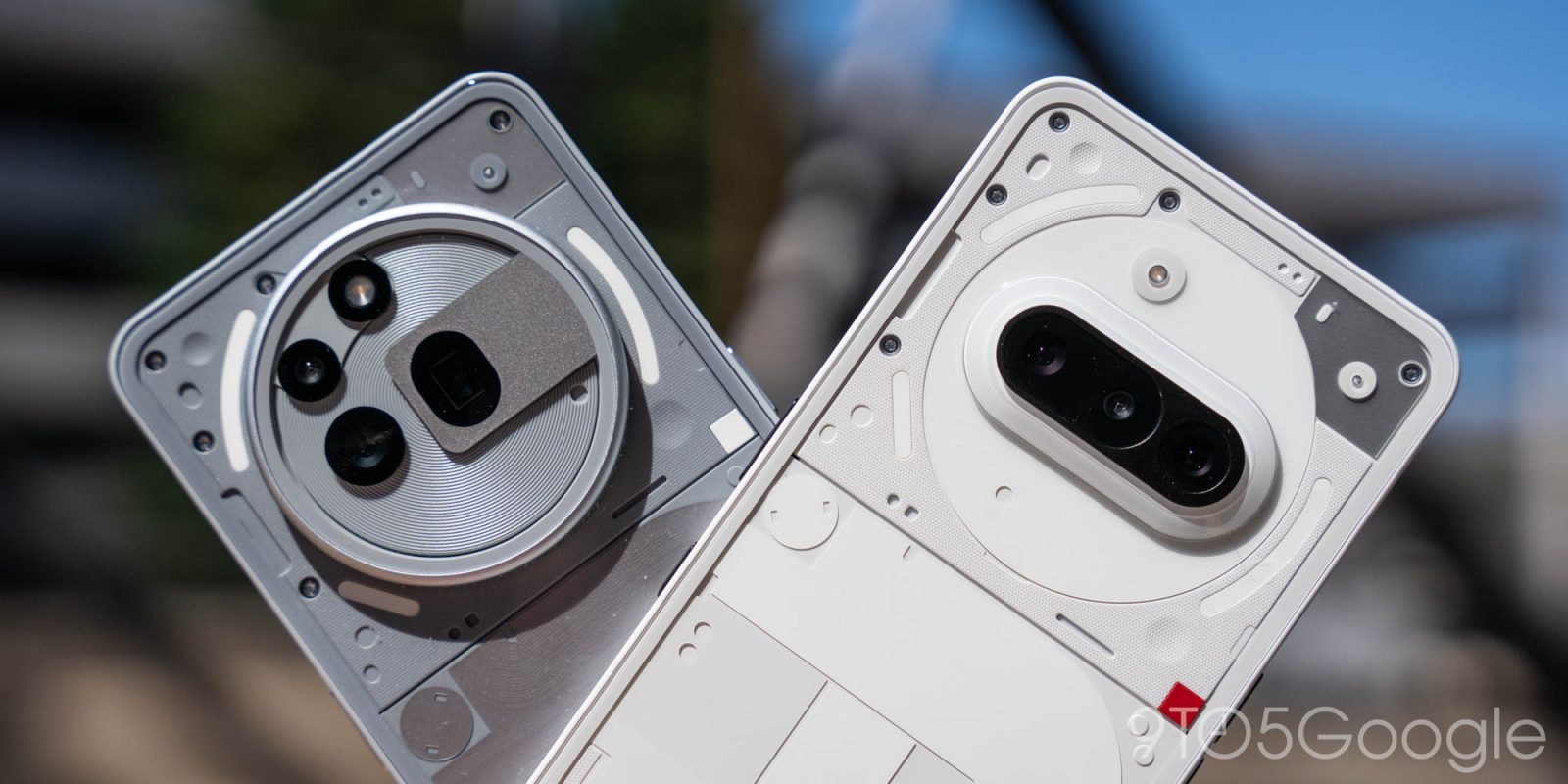
Design and feel: The difference starts with the camera module.
Nothing Phone (3a) is an evolution from the design of Phone (2a), with a more refined and striking transparent back. Instead of the fingerprint-prone plastic material, this year Nothing has upgraded to a glass back, combined with a sturdy plastic frame. The white version with contrasting black buttons gives it a particularly attractive look.
Meanwhile, the Phone (3a) Pro has an almost identical appearance but comes with a huge camera module. This design is not only aesthetically controversial but also affects ergonomics. The large, slightly low-mounted bump makes it less comfortable to hold than the standard version. Overall, the Phone (3a) feels more balanced and comfortable in the hand.
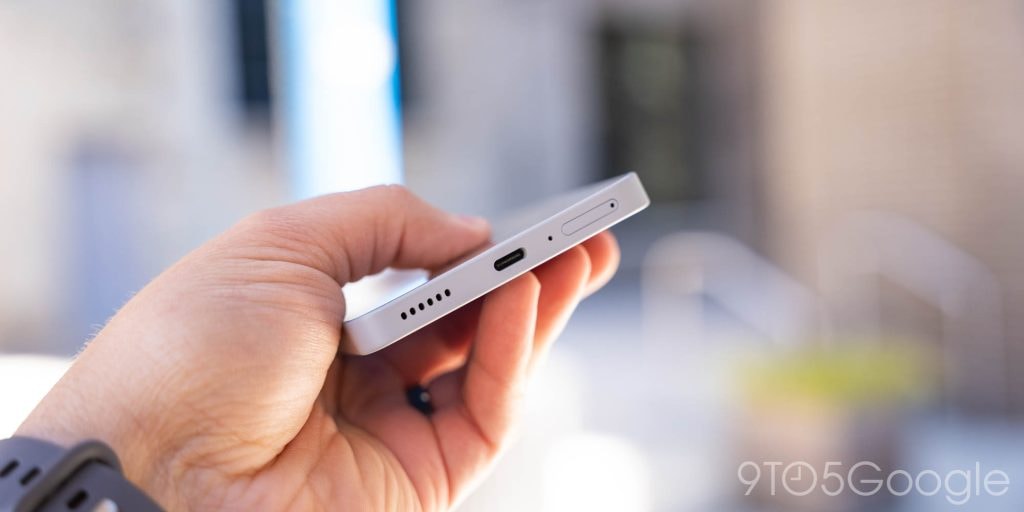
Performance and display: Worthwhile upgrades
Both models are equipped with the Snapdragon 7s Gen 3 processor. This chip runs relatively cool and handles everyday tasks well without any problems. Despite the upgrades compared to the previous generation, the performance still can't match flagship models and occasional minor lag still occurs.
The most significant hardware upgrade this year is the screen. Brightness has been significantly improved, addressing a major drawback of the Phone (2a). The screen displays well in all lighting conditions, from indoors to sunny outdoors. The "Glyph" backlight system is still present, but after three generations, this feature still lacks a groundbreaking application and is gradually becoming more of a decorative element than a useful one.
Software experience: Nothing OS and a step into the field of AI.
Software has always been a strong point of Nothing phones, and Nothing OS 3.1 continues that. This Android interface is clean, well-optimized, and often feels more stable than Google Pixel. Nothing OS offers more customization than stock Android, such as support for icon packs and widgets on the lock screen.
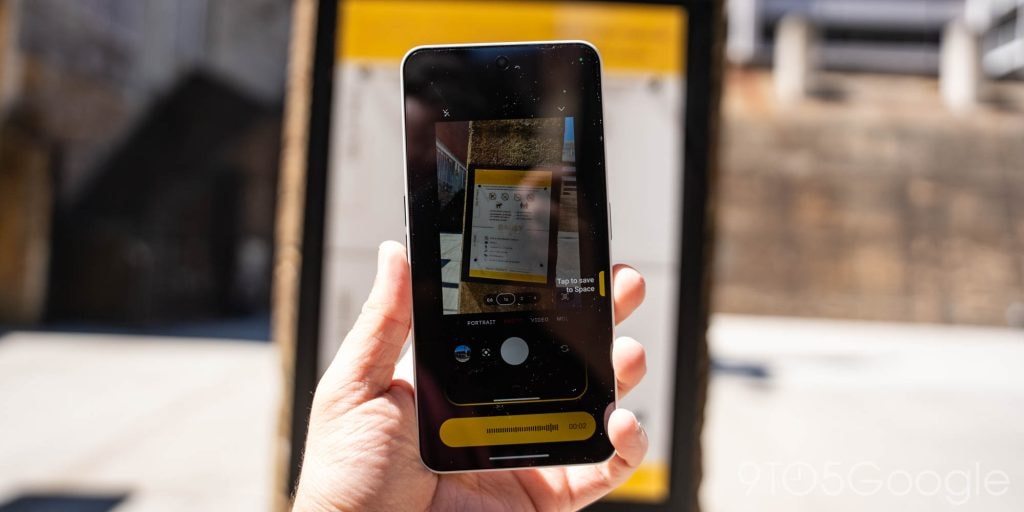
A new highlight is "Essential Space," Nothing's first step into the AI race. This feature works via a dedicated physical button ("Essential Key"). Users can take a screenshot or image, then press and hold the button to record a note. The AI will automatically synthesize the information to create reminders and to-do lists. For example, when taking a screenshot of a parking receipt, the app can automatically remind you when time is running out.
Despite its intriguing concept, "Essential Space" still needs time to prove its practical usefulness. A major drawback is the placement of the "Essential Key" directly below the power button, leading to frequent accidental presses.
Camera comparison: Is the "Pro" version really superior?
The camera quality on the Phone (3a) series has been significantly improved compared to the previous generation. The standard Phone (3a) is equipped with a 50MP Samsung main sensor and a 50MP 2x telephoto lens, producing sharp, vibrant photos.
The Pro version is advertised as focusing on the camera, with a slightly better 50MP main sensor, a superior 50MP front camera, and a 50MP Sony periscope lens for 3x optical zoom. However, in reality, the difference in image quality isn't that significant. While photos from the Pro version are somewhat better and offer greater zoom capabilities, this difference hardly justifies the increased cost and the bulkier camera module.

Battery life and charging
Both devices have a 5,000 mAh battery, offering average battery life. They can easily last a full day with typical usage, usually with around 20-40% battery remaining by the end of the day. Although no charger is included, both support 50W fast charging via USB-C, allowing for quick recharging when needed.
Specifications comparison table
The main difference between the two versions lies almost exclusively in the camera system.
| Parameter | Phone (3a) | Phone (3a) Pro |
|---|---|---|
| Microprocessors | Qualcomm Snapdragon 7s Gen 3 | Qualcomm Snapdragon 7s Gen 3 |
| Screen | 6.77″ AMOLED LTPS, 30-120Hz | 6.77″ AMOLED LTPS, 30-120Hz |
| Maximum brightness | 3,000 nits | 3,000 nits |
| Battery | 5,000 mAh | 5,000 mAh |
| Fast charging | 50 W | 50 W |
| Main camera | 50 MP (Samsung GN9 – DL) | 50 MP (Samsung GNJ) |
| Televiet Camera | 50 MP (Samsung JN5) | 50 MP Periscope (Sony LTY-600) |
| Ultra-wide camera | 8 MP (Sony IMX355) | 8 MP (Sony IMX355) |
| Front camera | 32 MP (Samsung KD1) | 50 MP (Samsung JN1) |
| Weight | 201 g | 211 g |
Conclusion: Which option is optimal?
Nothing's "a" product line has always focused on value, and Phone (3a) has done an excellent job of this. At a starting price of $379, it's a worthwhile upgrade, offering good quality without major compromises.
Conversely, the Nothing Phone (3a) Pro, priced at $459, is a different story. The $80 price difference doesn't offer significant enough improvements, especially in the camera, to convince users. Therefore, the standard Nothing Phone (3a) is the more reasonable and worthwhile choice in this pair.


