
How often should car coolant be changed?
Using low-quality engine coolant will reduce cooling efficiency and affect the lifespan of the engine, as well as the rubber components, wiring, and other parts under the hood.
A seemingly simple detail that few people pay attention to during car use, but engine coolant has a huge impact on the performance and lifespan of many parts of a vehicle.
Poor coolant quality means reduced engine cooling efficiency, causing the engine to overheat or even overheat during operation. This can damage engine seals and components under the hood, resulting in significant financial losses for the vehicle owner.
|
| Automotive coolant needs to be checked regularly and topped up promptly - Illustration image. |
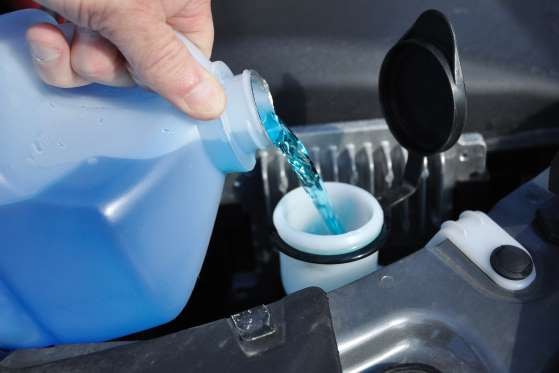
Maintaining the correct coolant level and replacing or topping up as needed is crucial for the engine and the overall lifespan of the vehicle. Engine coolant is not the same as regular tap water; it's a specialized liquid composed primarily of purified water combined with ethylene glycol for heat transfer and additives to prevent evaporation and corrosion.
Manufacturers recommend that users regularly check the engine coolant reservoir to ensure the level is within safe limits and that there are no leaks. After approximately 40,000 km of operation, the coolant should be replaced, and this cycle should be repeated after similar mileage intervals.
All vehicles have a temperature warning light. When this light comes on, it definitely means there's a problem with the vehicle's cooling system and the coolant reservoir and engine oil need to be checked immediately.
When choosing coolant, it's important to consider three common types: blue, pink (SLLC), and red (LLC). The difference lies in the additives mixed into the main solution. Blue and pink coolants can be poured directly into the reservoir without mixing, while red coolant needs to be mixed with filtered water at a 50:50 ratio.
Do not mix different coolants together; instead, add a coolant of the same color as the one the engine is currently using during maintenance.
Filtered water or other types of water used in daily life contain various impurities such as limescale, metals, etc. Therefore, when entering a cooling system at various heights, it can cause scale buildup in the radiator, reducing cooling efficiency. Bottled mineral water is also not safe because it still contains substances that can cause scale buildup.


