
Tilapia farming for export - potential and advantages
Vietnam has many advantages for developing tilapia farming, such as: a tropical climate, large water surface area, low farming costs, short cycle (5-6 months), application of tarpaulin tank technology, industrial feed, etc. Nghe An province also has great potential for tilapia farming.
Global market potential
Tilapia is the common name for a group of freshwater fish species that can live in both brackish and saltwater. Belonging to the Cichlidae family, these fish originate from Africa and the Middle East and have been farmed since 1924.
Since the 1940s and 1950s, tilapia has been widely farmed in tropical and subtropical countries, including Vietnam. In recent years, the tilapia farming industry has developed strongly in an industrial direction, yielding large production volumes and high economic efficiency.
Tilapia are easy to raise, adapt well to unfavorable environmental conditions, are omnivorous, and utilize organic matter in the pond. They help improve water quality and reproduce vigorously, with females laying 6-11 clutches per year, producing approximately 1,000-2,000 eggs per clutch. The male incubates the eggs in its mouth until they hatch, providing better protection.
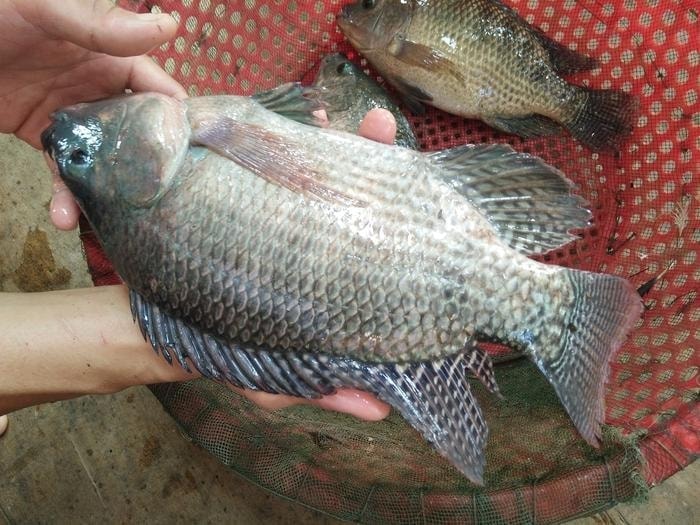
This fish grows quickly, is highly nutritious, and is a major source of protein in many developing countries, and is also popular in developed nations. Tilapia meat has a sweet, savory flavor, is rich in minerals, low in fat, moderate in protein, non-toxic, and has a nourishing effect on the body. Previously, it was often raised in combination with other fish in ponds or rice paddies, but now it is intensively farmed in ponds or cages to meet market demand.
Over the past 15 years, global tilapia consumption has increased by 5.4% annually. In 2024, tilapia production reached approximately 7 million tons, a 5% increase compared to the previous year, with a trade value of around $10.6 billion. It is projected that by 2033, the tilapia market could reach $14.5 billion, indicating increasingly high demand compared to other seafood products.
The US is the largest importer of tilapia, with over 178,000 tons ($802 million) in 2024. China is the largest producer and exporter, reaching 479,000 tons, equivalent to $1.4 billion. This confirms the increasingly important role of tilapia in the global market.
Opportunities for Nghe An
The area for tilapia farming has increased sharply from 19,219 hectares (in 2012) to approximately 42,000 hectares (in 2024), with a production of 316,000 tons. Exports reached over 30.9 million USD. Several businesses have pioneered the development of tilapia farming for export, initially expanding their market.
In its fisheries development plan, Nghe An province focuses on aquaculture and seafood processing rather than fishing, with a potential area of over 52,000 hectares (of which freshwater accounts for more than 46,000 hectares).
The province has more than 520 irrigation and hydropower reservoirs, covering an area of over 9,300 hectares. In 2024, the province had over 20,500 hectares of freshwater fish farms, with approximately 2,200 fish cages in major rivers and lakes; the freshwater fish production reached about 73,500 tons, and the production of fish fry reached 518 million.
In Nghe An province, tilapia farming began in the early 2000s, developing from breeding to commercial farming using various methods: ponds, lakes, cages, intercropping with shrimp or rice paddies, and recently applying "river in a pond" technology and using industrial feed. Previously, due to poor breeding stock, the product did not meet export standards. Recently, thanks to better breeding stock and more modern farming technology, the quality of the fish has improved significantly. However, the intensive farming area of about 150 hectares mainly serves the domestic market and is not well linked with processing and export businesses.
To develop tilapia into a key export product, Nghe An province needs to prioritize tilapia in its fisheries development strategy until 2030, with a vision to 2045. The province should develop plans for intensive, high-tech farming methods such as "river in a pond" technology, cage farming in reservoirs, and rotational farming in brackish water areas. Simultaneously, it should review areas of low-yield rice cultivation to convert them to tilapia farming.
Businesses should be encouraged to invest and commit to purchasing the products, thereby forming a sustainable chain linking farmers, processing businesses, and exporters. Focus on supporting the technical aspects of pond-lined farming, applying modern technology, and training people to master intensive farming techniques.
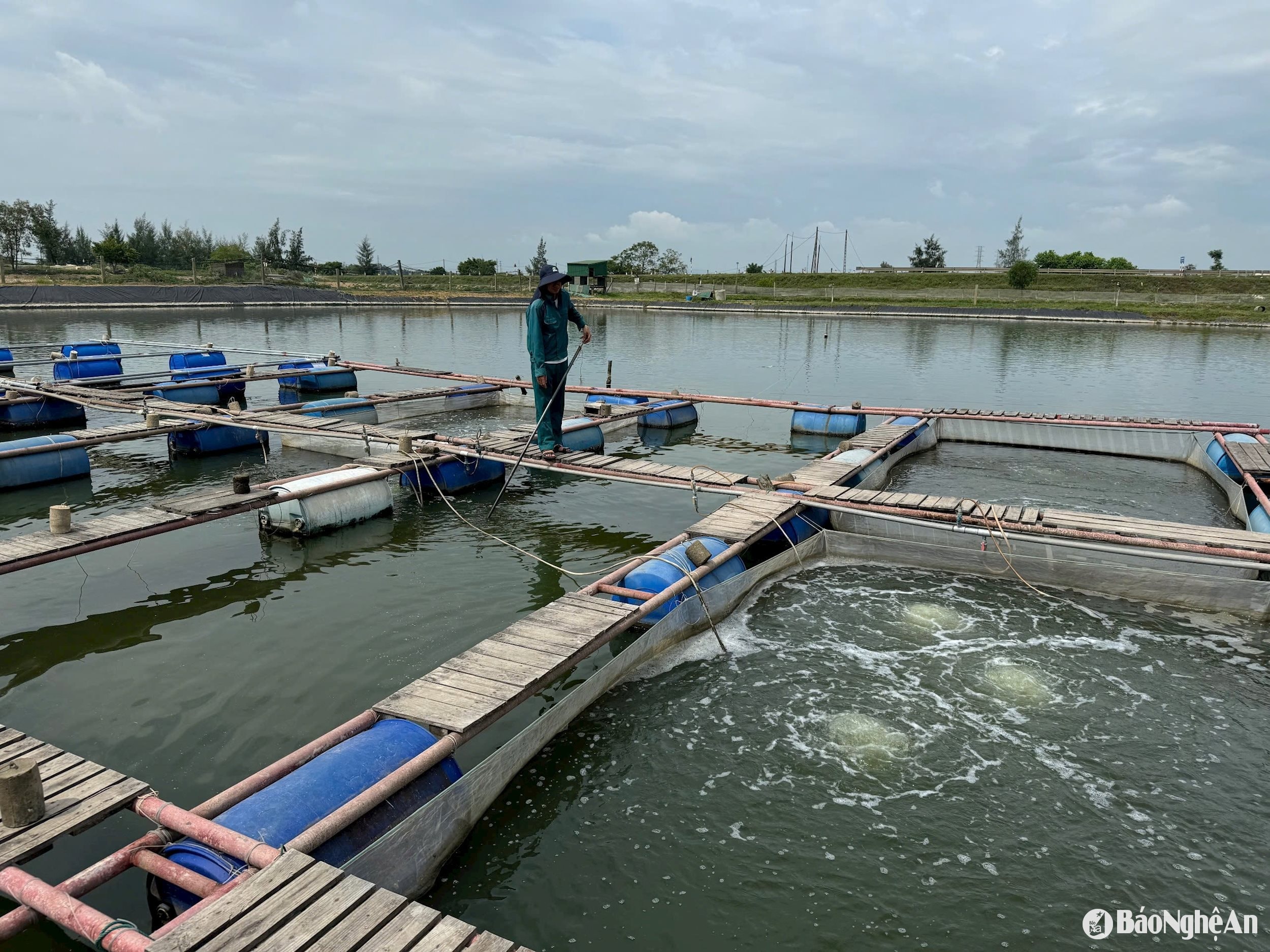
The Science and Technology Program is proposed to implement applied research tasks to support businesses in adopting new technologies, for example: technology for producing male monosex tilapia using crossbreeding from high-quality strains to increase both the quantity and quality of fingerlings; and the application of IoT to control the environment of intensive aquaculture ponds, etc. The Provincial Agricultural Extension Center should conduct training courses, build pilot models, and consider the tilapia farming development program aimed at export as a long-term task for the industry to provide support programs.
In terms of policy, there is a need for preferential mechanisms regarding capital, fish fry prices, infrastructure investment, support for production and processing businesses, and participation in the supply chain with fish farmers. In particular, support should be given to processing businesses that purchase commercial fish, acting as a driving force in the market.
Nghe An has great potential in freshwater aquaculture, but currently it mainly serves the domestic market, and the industry is trending downwards. For sustainable development, it is necessary to select key aquaculture species geared towards export, among which tilapia is the most viable option due to its biological advantages, market demand, and economic efficiency.


