
Raising black snails along streams - a new model in Giai Lac.
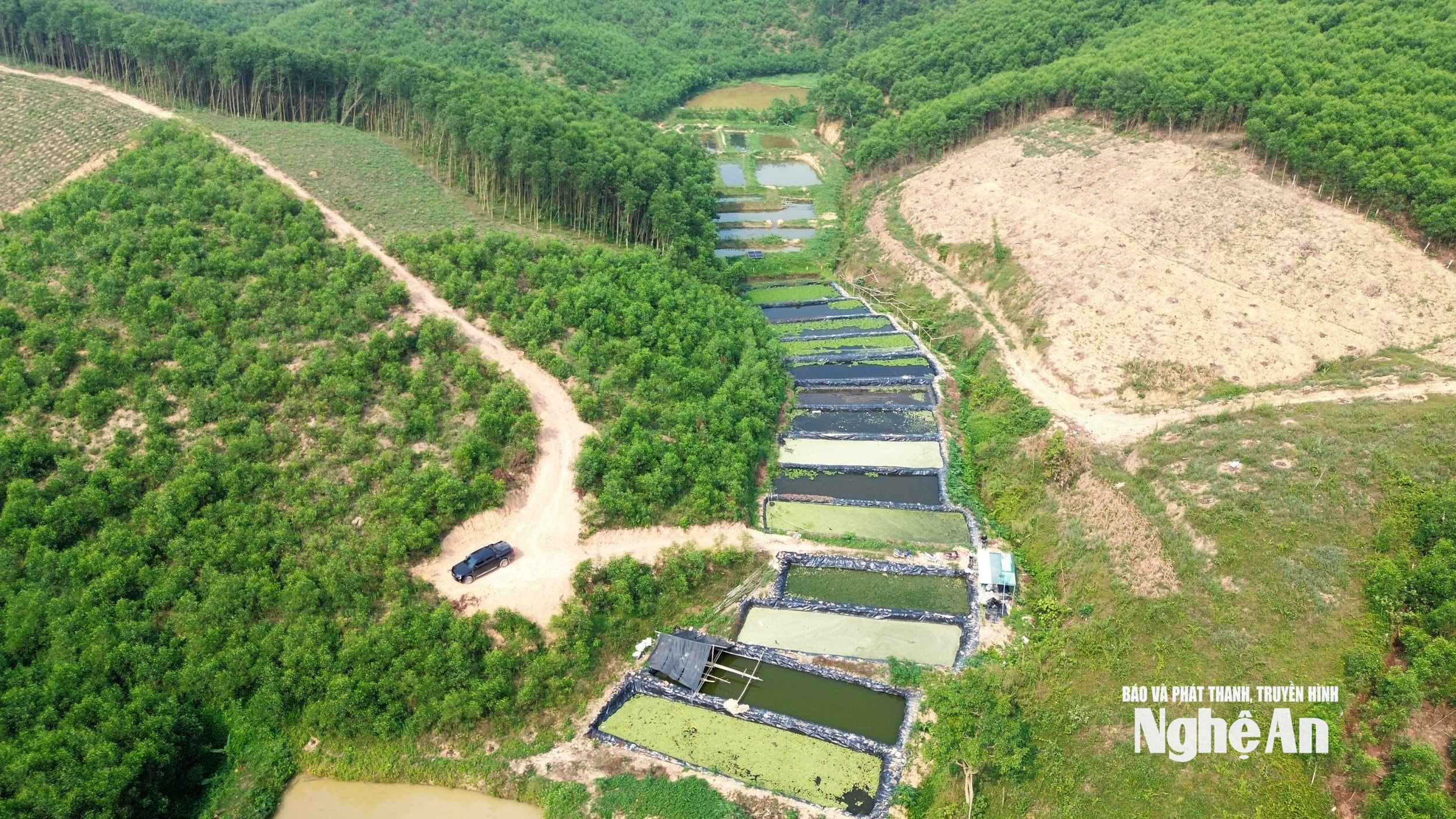
From reclaimed rice fields along the Hung Gang stream, people in Giai Lac commune (Nghe An province) have boldly switched to raising black snails in HDPE liners, a model that has opened up new economic development prospects for the mountainous rural area.
From rice farming to black snail farming
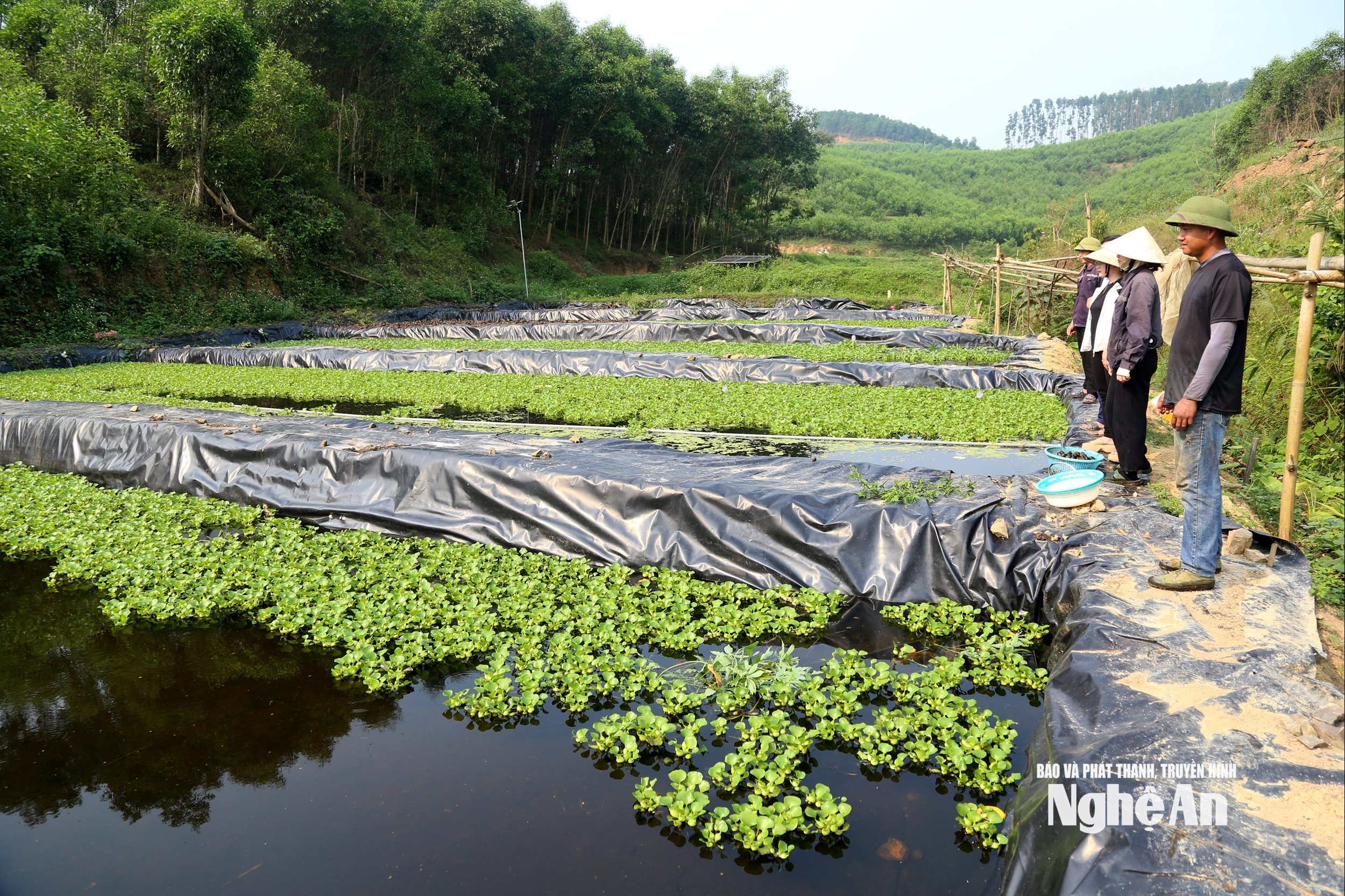
In Lang Cau hamlet, Giai Lac mountainous commune, rows of black snail ponds lining the Hung Gang stream are gradually becoming a familiar sight. Few would have imagined that on land once used only for low-yield, single-crop rice cultivation, a high-income, stable aquaculture model has now been established.
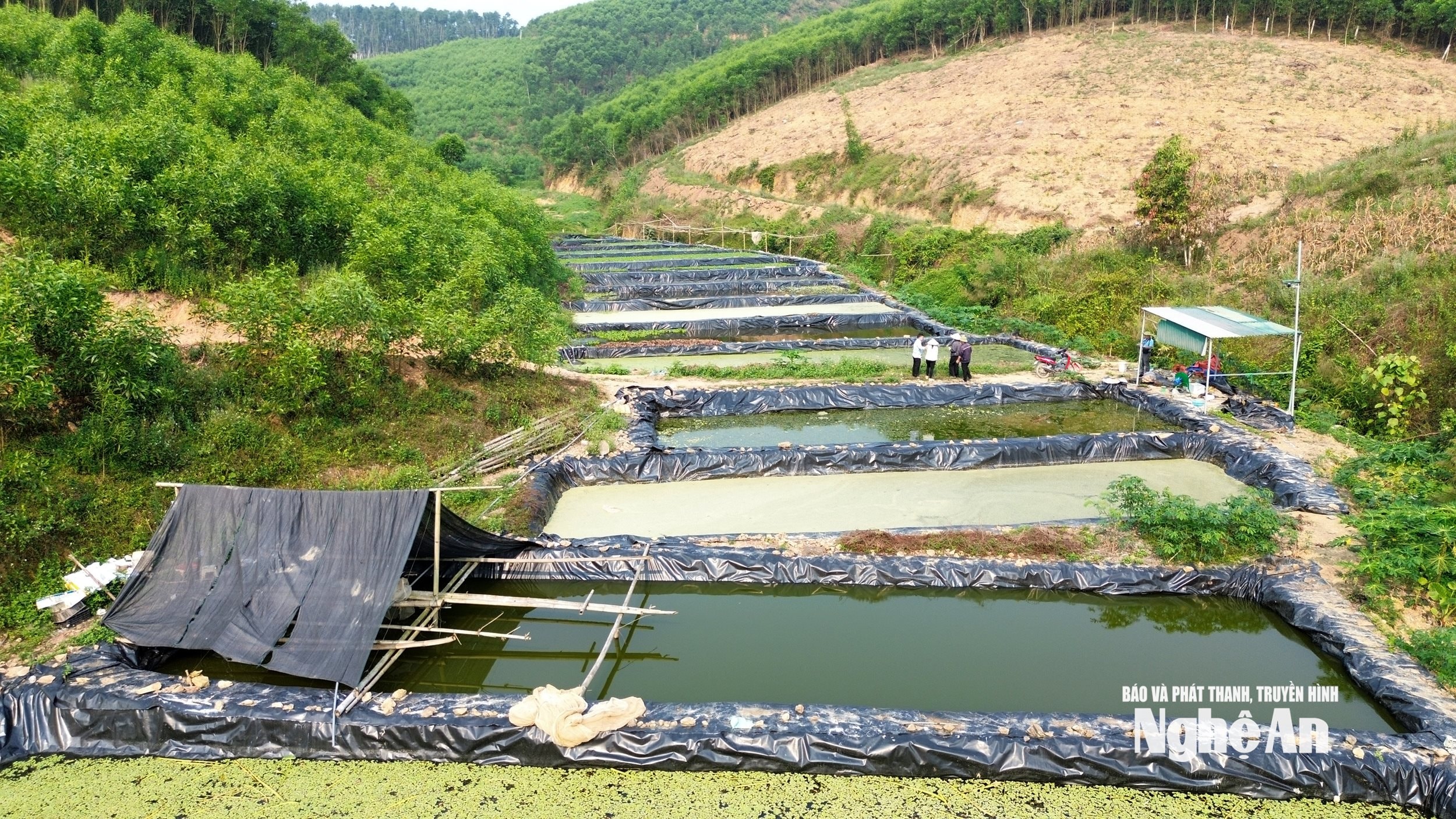
The pioneers were the couple Nguyen Ba Han and Thai Thi Doan. In May 2025, after many years of working in traditional agriculture with unstable income, they decided to convert 4,000m² of rice land previously reclaimed by their family to raise black snails. This was not an easy decision, as snail farming was still a new model in the area at that time, requiring initial investment capital and certain technical knowledge.
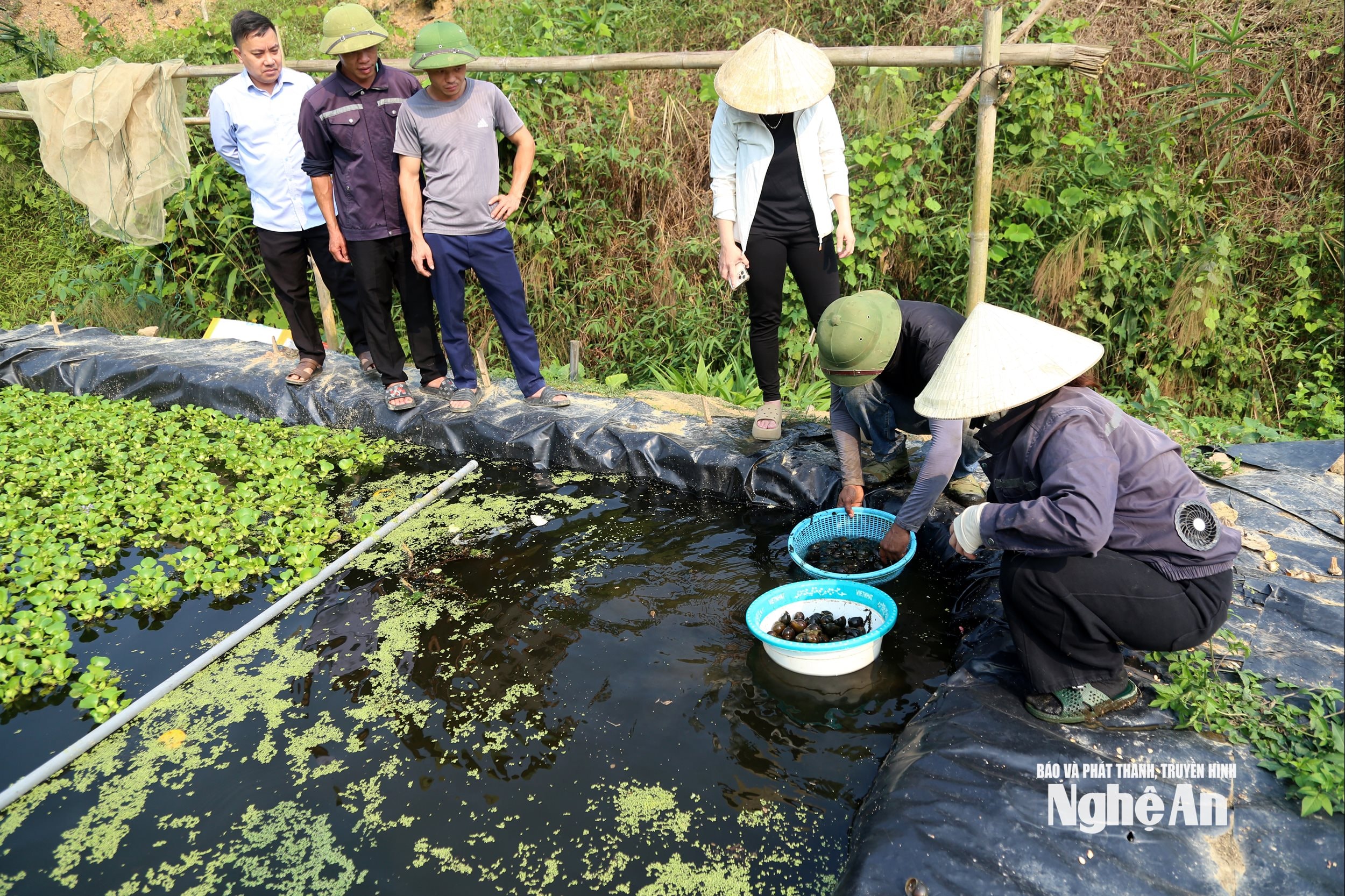
“Initially, we were very worried because we lacked experience and had to invest in pond liners and a water supply and drainage system. But if we continued with the old methods, it would be very difficult to escape poverty,” Mr. Han shared. After researching models both within and outside the province, he and his wife decided to line the entire pond with HDPE liners – a type of high-density polyethylene plastic sheet that is completely waterproof, resistant to heat and sunlight, and durable in outdoor conditions.
According to Mr. Han, lining the ponds with HDPE tarpaulin is the most important step, determining the success or failure of the model. The tarpaulin helps control the water environment, limit losses, and reduce the risk of pollution from mud and pathogens. As a result, the ponds are easy to clean and manage, and are suitable for the growth characteristics of black snails.
After a four-month trial period, despite it being the first crop, they achieved a yield of approximately 4 tons of marketable snails, bringing in over 200 million VND in revenue. This result became a "boost" for the family to boldly reinvest. By the end of 2025, they continued to expand by another 4,500m², bringing the total farming area to 8,500m², divided into 17 ponds of various sizes. The total investment for the entire pond system, liners, and supporting infrastructure amounted to approximately 280 million VND.
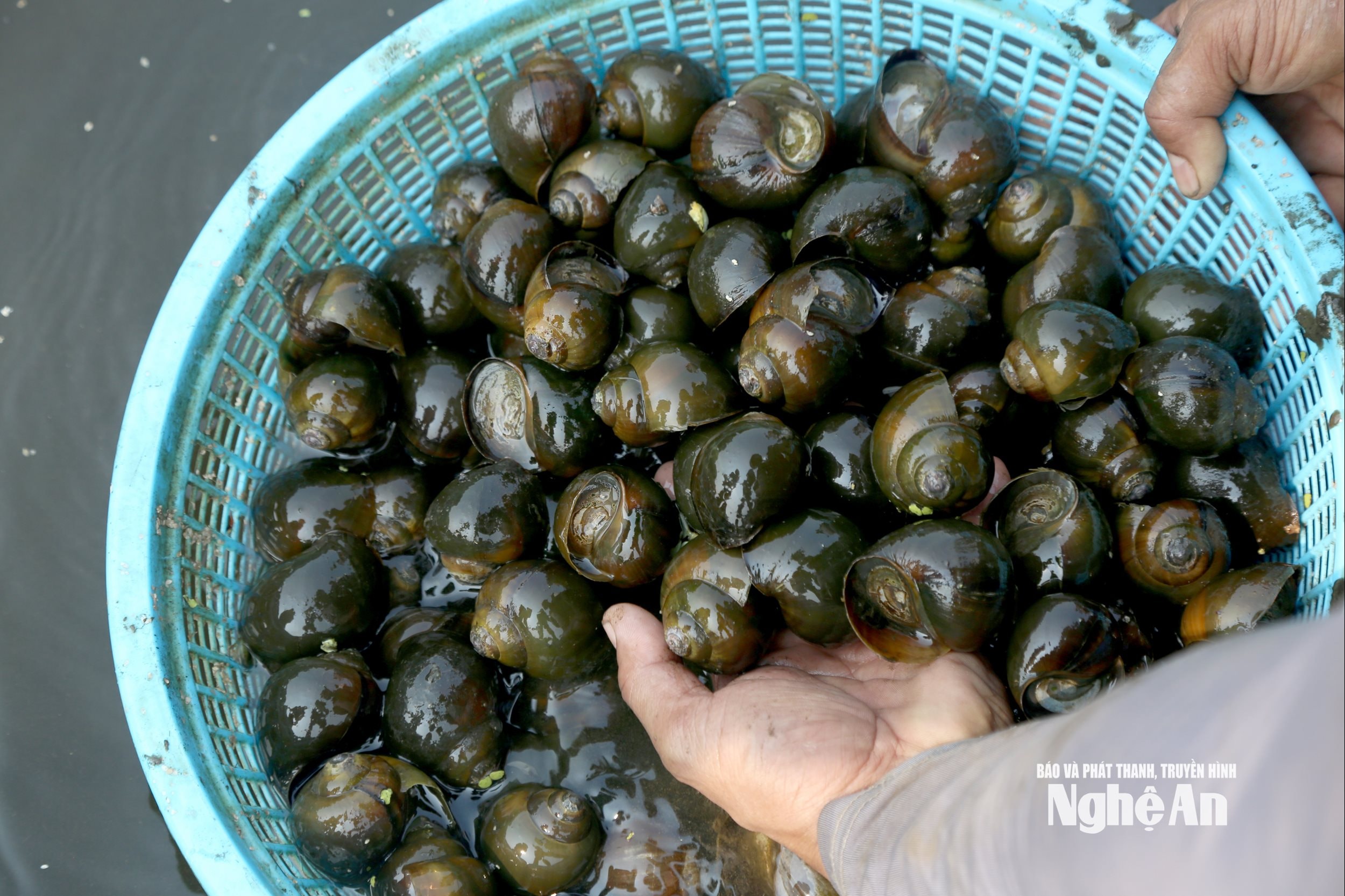
According to Mr. Han, raising black snails isn't overly complicated, but it requires strict adherence to technical requirements, especially regarding water quality. "Snails need clean, abundant water that must be changed regularly. On average, we change all the water in the pond every four days. If the water is dirty, the snails are very susceptible to intestinal diseases or swollen siphons," he said.
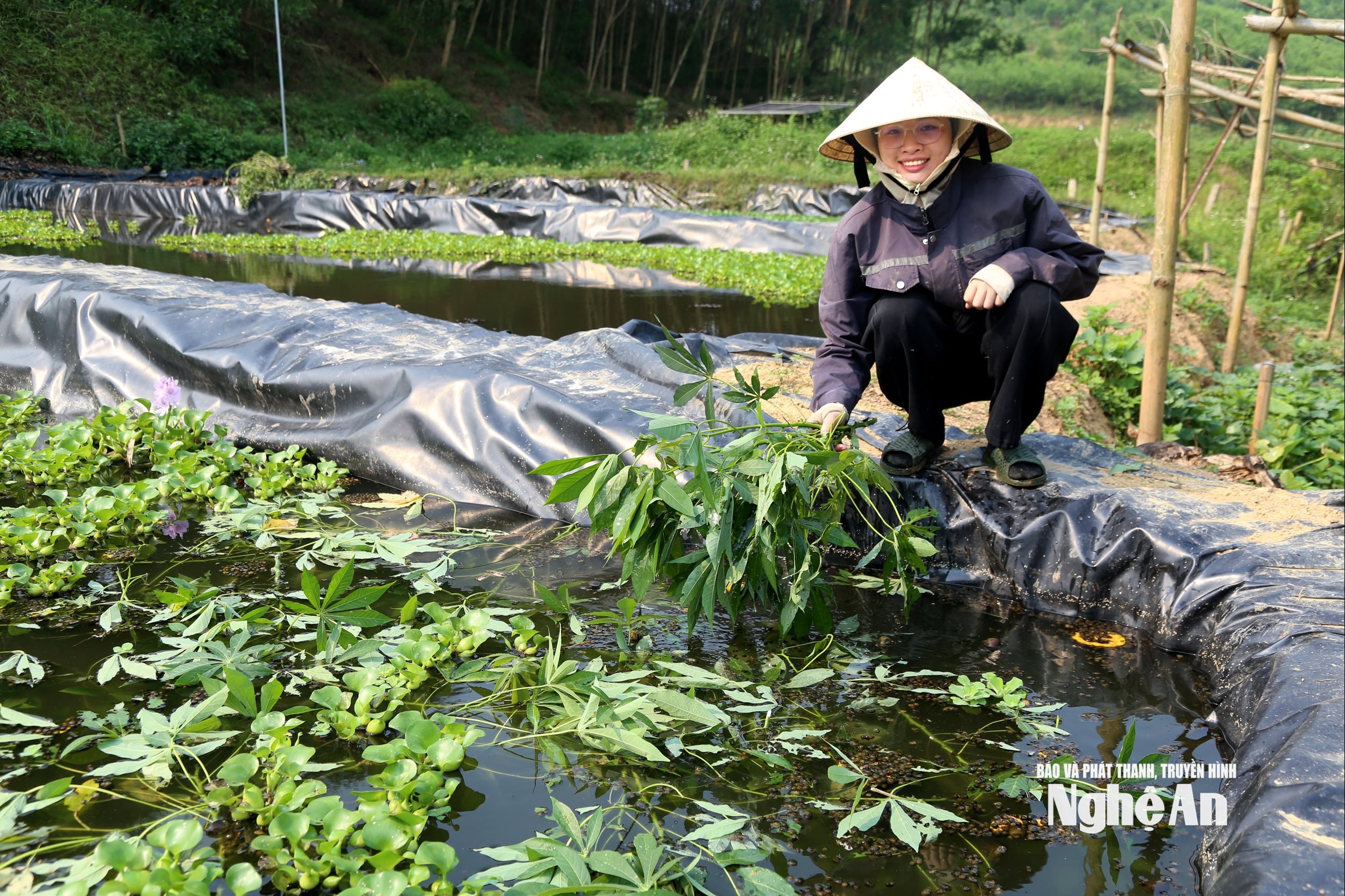
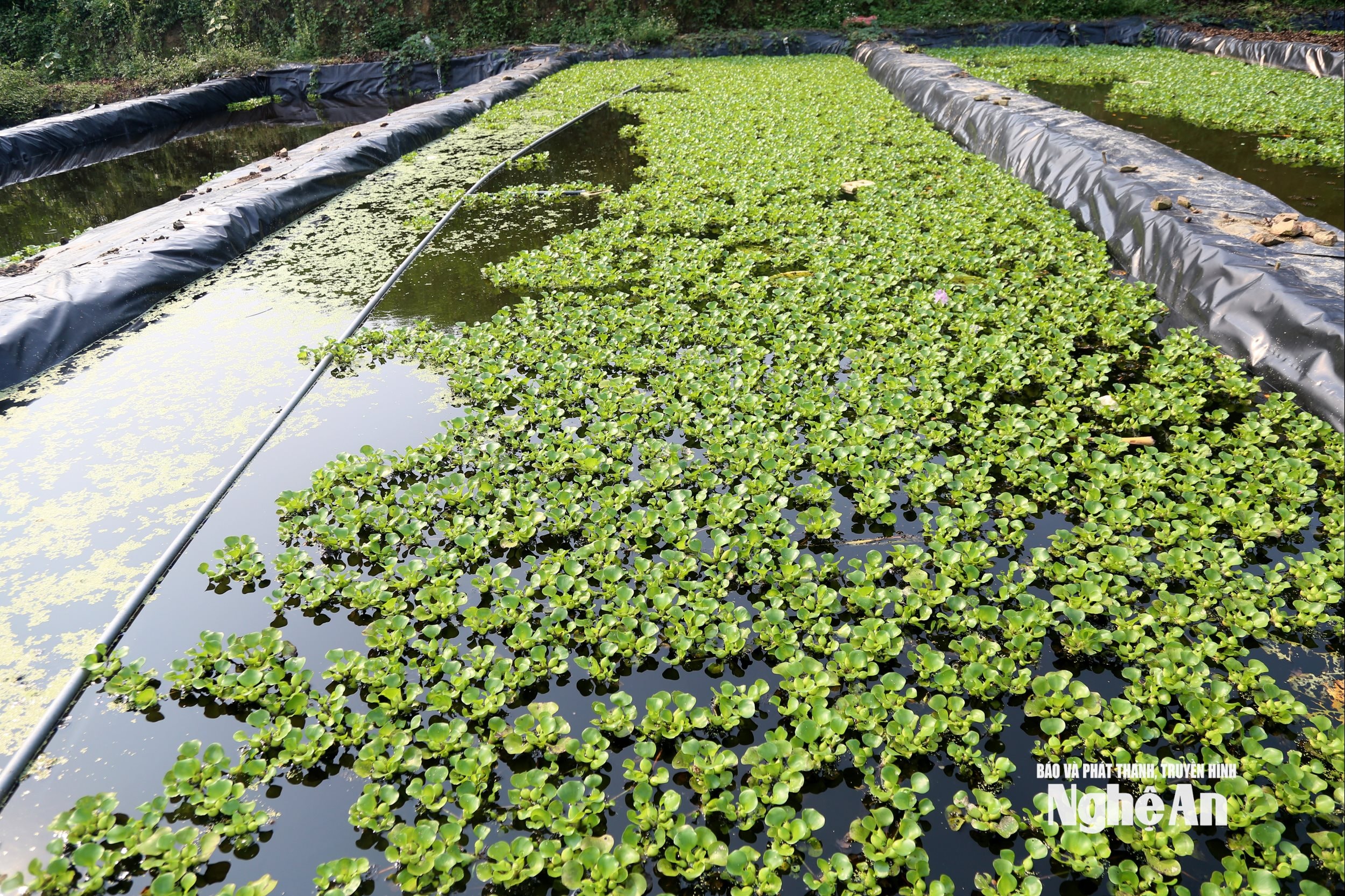
To combat the heat during the summer months, the water level in the pond is always maintained at a depth of about 80 cm, combined with the planting of water hyacinths to create natural shade. In addition, the family also proactively produces fry right at the farm, which reduces input costs and allows them to control the quality of the fry for stocking.
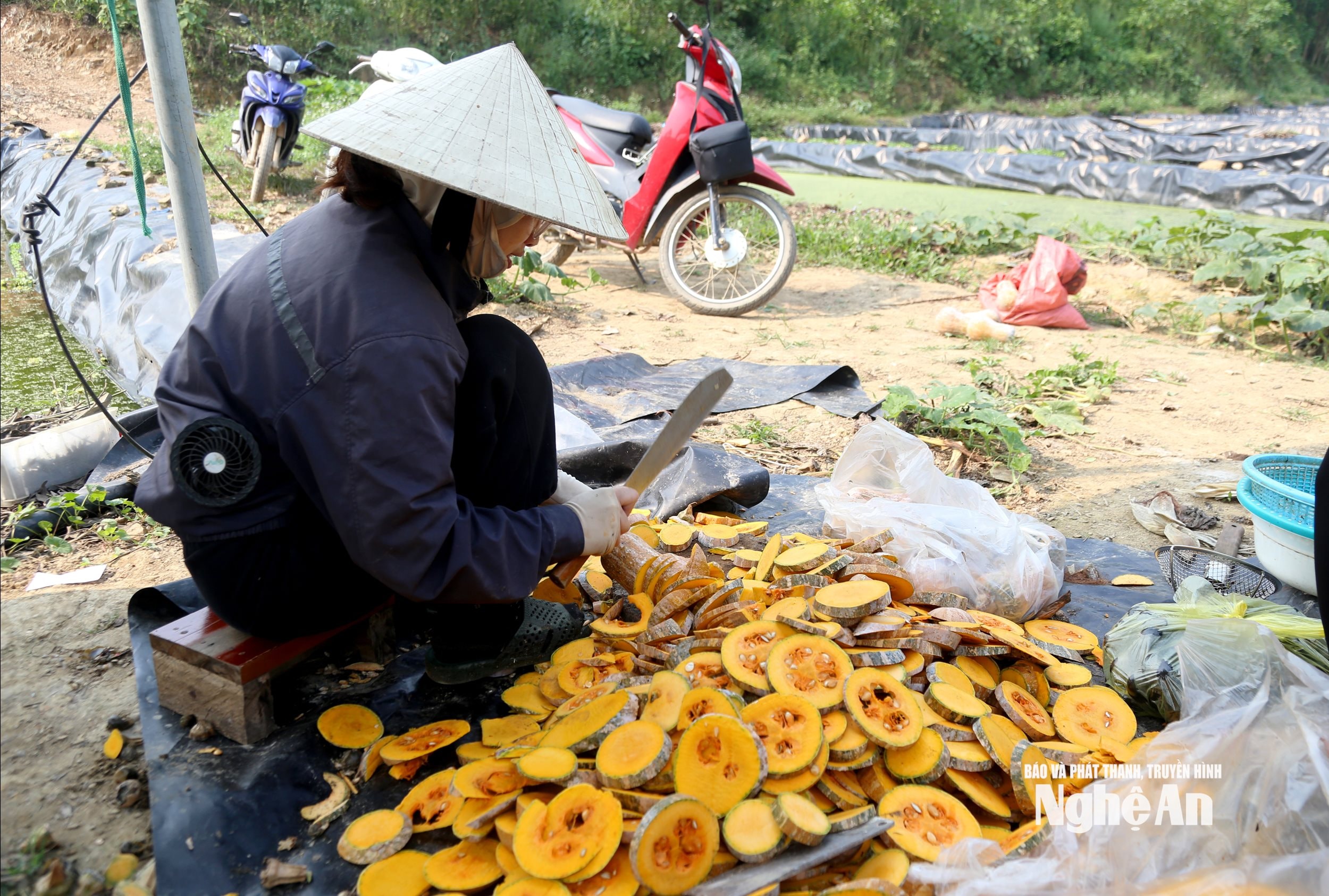
The snails' food source mainly consists of locally available fruits and leaves such as papaya, pumpkin, guava, cassava leaves, and papaya leaves. Utilizing the land around the farm, the couple planted cassava and papaya to provide food, but it was still not enough, so they had to buy more pumpkins and other fruits. On average, the daily cost of snail feed is about 700,000 VND. "In the future, we plan to build a trellis for gourds extending over the pond. This will provide shade and allow us to utilize the gourds as food, reducing costs," Mr. Han calculated.
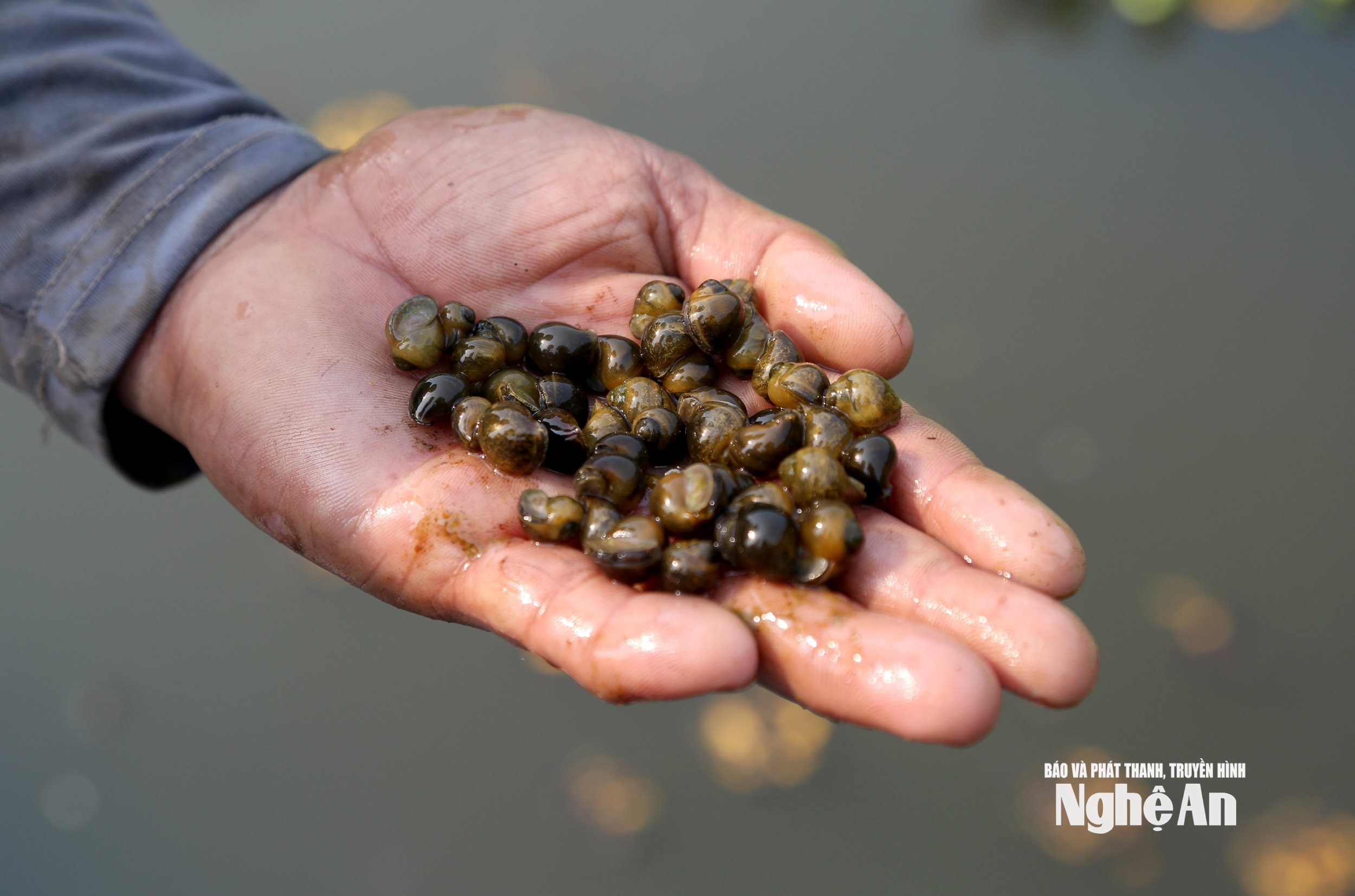
From his experience in production, he learned that the most important thing is to feed the snails just enough, avoiding excess food settling at the bottom of the pond and polluting the water. When the water environment is stable, the snails grow quickly, the mortality rate is low, and there are fewer diseases, and they can be harvested after 4 months.
Besides Mr. Han's family, along the Hung Gang stream, there are two other households investing in raising black snails on a relatively large scale. Mr. Nguyen Xuan Hai's household and Mr. Nguyen Xuan Thang's household each have a pond area of approximately 6,000m², also using HDPE liners to ensure optimal farming conditions.
The emergence of these models has created an initial concentrated black snail farming area in Lang Cau hamlet, contributing to a change in the production mindset of the local people. From being accustomed only to traditional rice cultivation, many households have boldly explored and learned about new economic models suitable to the local natural conditions.
Encourage the development of new models.
According to Ms. Nguyen Thi Van, Chairwoman of the People's Committee of Giai Lac commune, the aforementioned black snail farming models demonstrate the innovative spirit of local farmers. "These are households with determination, a willingness to learn, and the ability to utilize the advantages of natural water resources to develop their economy. The commune is encouraging people to boldly transform their production structure and build new models to create jobs and income right in their locality," Ms. Van stated.
In reality, with traditional agricultural production increasingly facing risks from climate change and volatile prices, finding new, more efficient farming models is an urgent requirement. Raising black snails in HDPE liners not only utilizes low-lying, uncultivated land but also aligns with the trend of clean production and easier environmental control.
However, according to the farmers, for the model to develop sustainably, support from specialized agencies is essential in terms of technical training, connecting product consumption, and other assistance. Once the market is stable, people will feel confident in expanding their scale, forming concentrated farming areas, and creating a value chain for the local black snail product.
The story of raising black snails in HDPE liners is not just an economic solution for a few households, but also a suggestion for the transformation of agricultural production towards efficiency, adaptability, and sustainability in the mountainous rural areas of Nghe An province.


