
The Hormuz choke point and the Gulf mega-airports are reeling in the vortex of Middle Eastern conflict.
The US-Iran conflict is dealing a severe blow to international trade networks. The closure of numerous airspaces and the blockade of the strategic Strait of Hormuz are not only disrupting Gulf airports but also seriously threatening global maritime supply chains, from fertilizers and plastic pellets to food security.
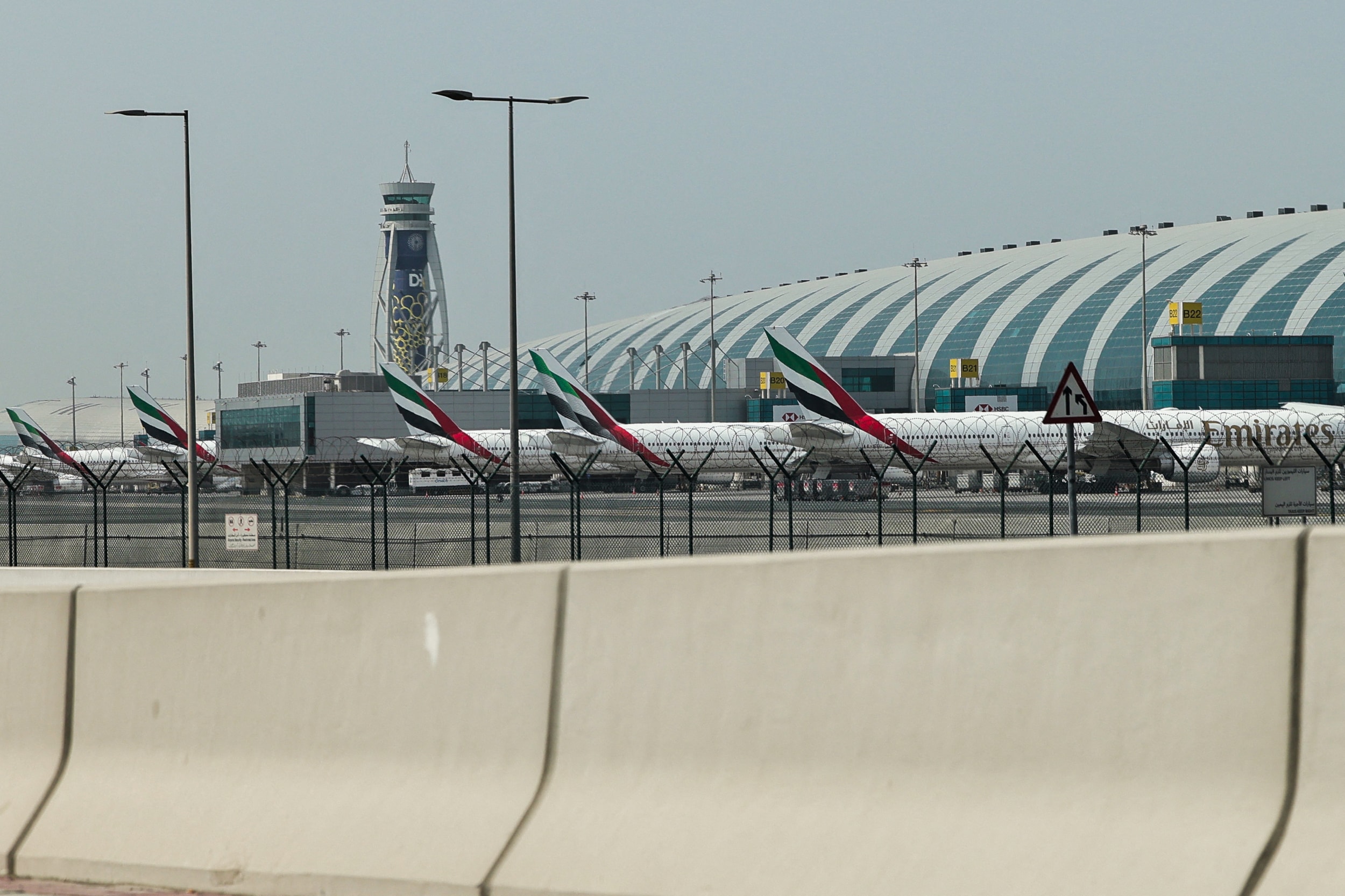
Gulf aviation is mired in disruption due to Middle East tensions.
Possessing a strategic geographical location and strong backing from the state budget, the giant air transit hubs in the Gulf region, which were once thriving, are now being severely shaken by conflict.
Following US and Israeli airstrikes against Iran, Tehran retaliated by targeting numerous objectives across the Gulf, forcing authorities to close airspace and disrupting operations at major hubs such as Dubai and Abu Dhabi.
According to analysts at ING Bank, the closure of Gulf airspace is seriously disrupting air corridors connecting Europe and Asia.
Kathleen Brooks, research director at trading platform XTB, noted that the Middle East handles up to 18% of global air cargo. This disruption could cause major shocks to the supply chain, leading to sharp declines in the share prices of airlines, hotels, and travel companies as flights to the region are temporarily shut down.
This disruption directly threatens the dominant position of Gulf airports. A prime example is Dubai's main airport (DXB) – the world's second-busiest airport after Atlanta (USA). Having planned to serve 95 million passengers by 2025, DXB is aiming for 100 million passengers this year.
Similarly, Doha's Hamad Airport (Qatar) also recorded 54 million passengers last year, matching Frankfurt or Hong Kong. The absolute competitive advantages of these airports – such as 24/7 operation with no curfews, low operating costs, and close ties with giant airlines like Emirates, Qatar Airways, and Etihad – are now facing an unprecedented risk of disruption.
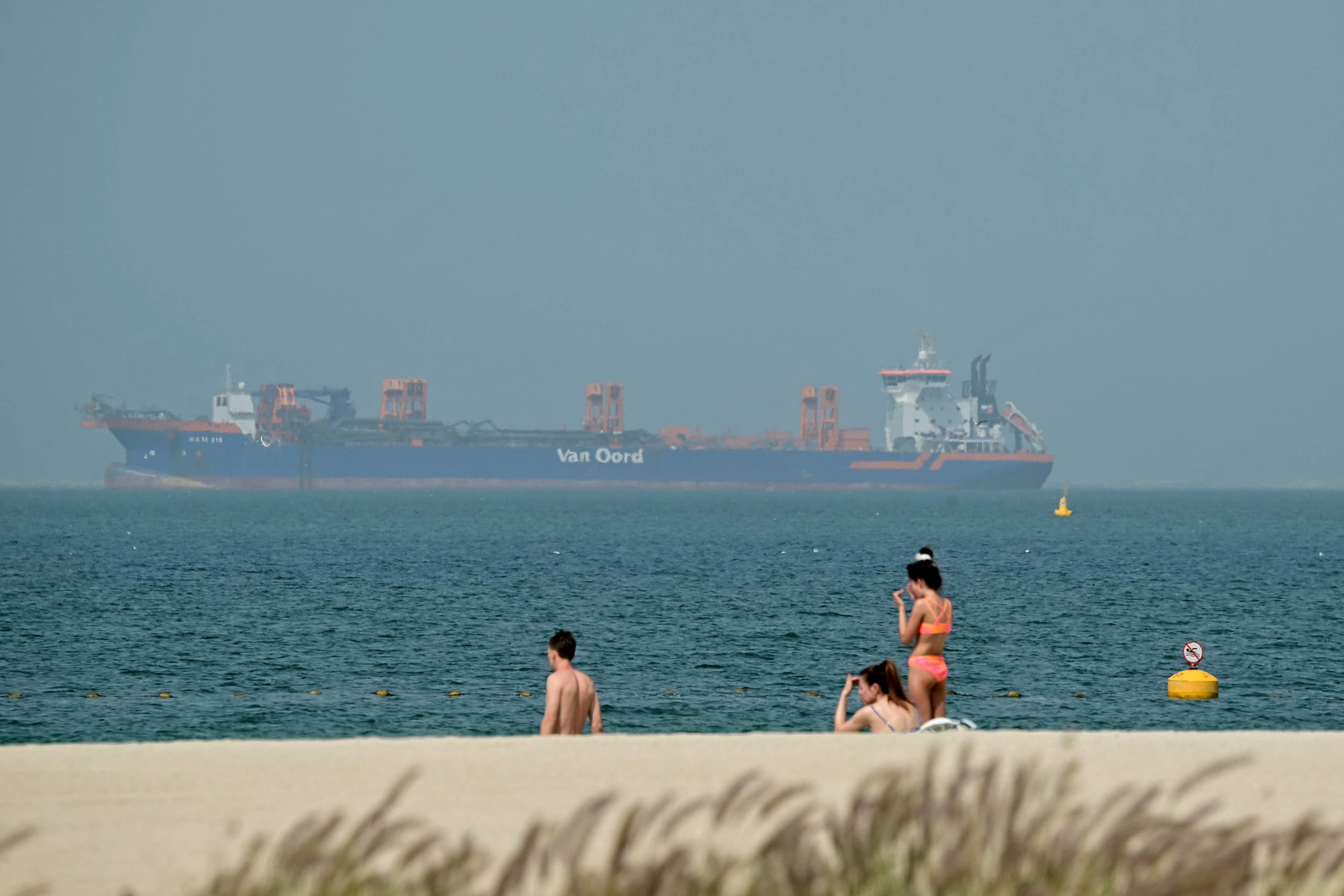
The Strait of Hormuz bottleneck threatens global supply chains.
The conflict is not limited to the skies; it is also causing serious disruptions to maritime shipping lanes. The fact that numerous ships are grounded around the Gulf region and the paralysis of the Strait of Hormuz—a vital narrow waterway between Iran and Oman—is creating major upheavals for many industries beyond the oil sector.
According to trade analysis firm Kpler, approximately 33% of the world's fertilizers, including sulfur and ammonia, pass through the Strait of Hormuz. These shipments are loaded from Qatar, Saudi Arabia, or the United Arab Emirates (UAE) and transported to India, China, Brazil, and Africa.
Kpler warned that there are currently no viable alternatives to the Gulf sea route, as land routes are severely limited in capacity.
Furthermore, because the vast majority of fertilizers are produced using massive amounts of natural gas and oil, the surge in hydrocarbon prices caused by the conflict could create a domino effect, driving up global fertilizer prices.
Furthermore, the conflict poses a direct threat to the UAE, a key polymer export hub. According to Argus Media's analysis, the region produces up to 23 million tons of polyethylene annually – one of the world's most widely used plastics, accounting for 15% of global production.
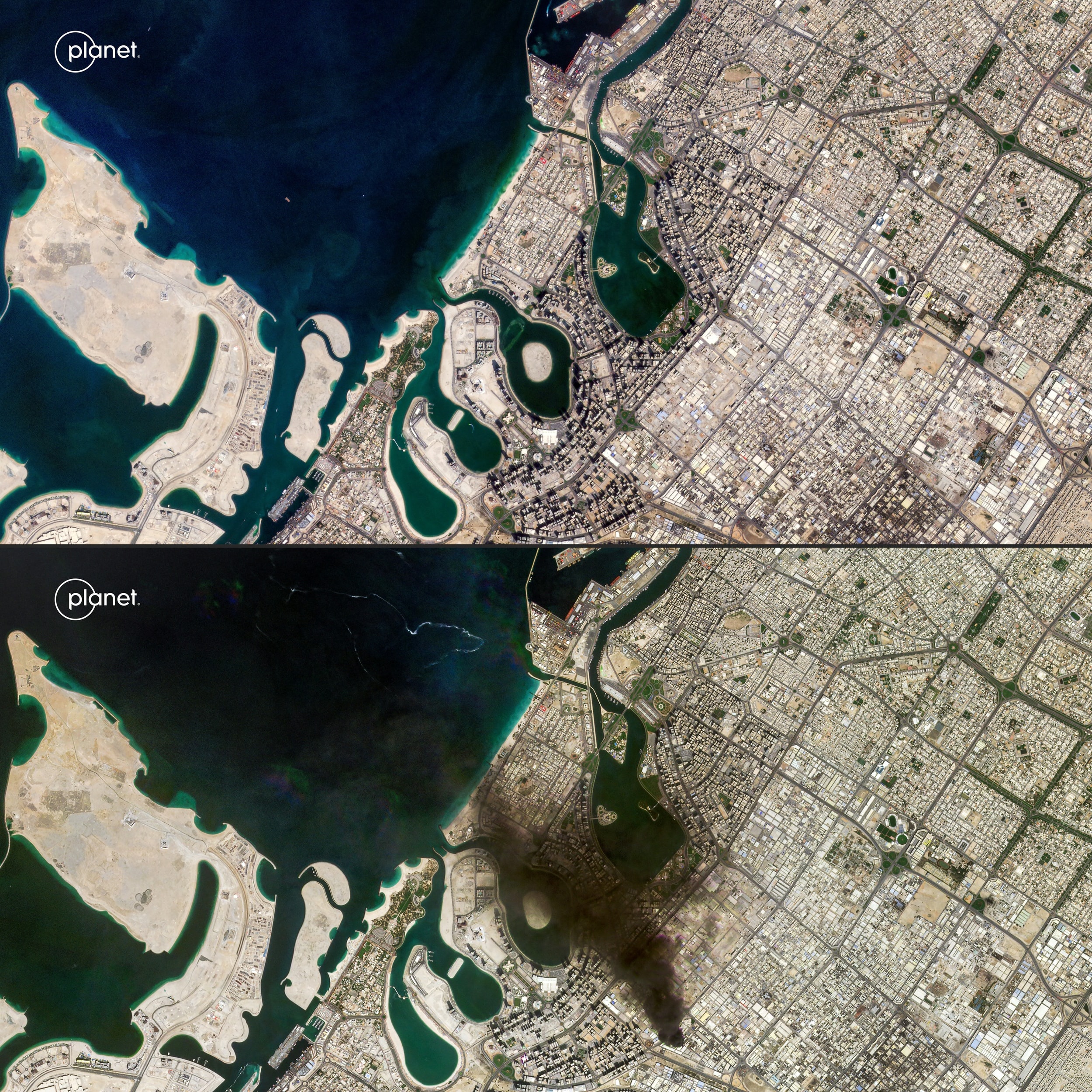
Even more concerning, the Jebel Ali port in the UAE, a hub for petrochemical exports, caught fire on March 1st.
In Kuwait, another port facility also had to temporarily suspend operations after debris from artillery fire fell in the vicinity.
Rerouting sea routes and food security risks
Faced with such significant security risks, many of the world's leading shipping companies have announced they will avoid the Strait of Hormuz. Insurance premiums for ships transiting the Middle East have also skyrocketed, making navigation through the Gulf so expensive that it is unaffordable or impossible for cargo ships.
Giant corporations such as Maersk (Denmark) and CMA CGM (France) have completely suspended transit through the Strait of Hormuz and the Suez Canal. Instead, cargo ships from Asia and the Middle East are forced to detour around the Cape of Good Hope in Africa to reach Europe, extending their journeys by thousands of kilometers and driving costs to record levels.
This situation not only affects exports but also threatens the flow of imported goods into the Middle East, a region heavily reliant on external food supplies. Many food shipments that must pass through the Strait of Hormuz are at risk of being disrupted.
Dubai Mega Airport resumes operations at a limited capacity.
After a three-day complete shutdown due to complex developments and security risks from the conflict in the Middle East, Dubai's aviation authority issued an official announcement regarding the resumption of flights on a "limited" scale starting the evening of March 2nd. According to the statement, the partial restoration of operations will be implemented simultaneously at both key airports: Dubai International Airport (DXB) and Al Maktoum International Airport (DWC). This cautious easing of restrictions is expected to alleviate some of the immense pressure on tens of thousands of stranded passengers, as well as rekindle hopes of reopening the supply chain for goods through this bustling hub in the Gulf region, despite the continued high level of air security vigilance.


