
How many kilometers should a car travel before needing an oil change?
When is the best time to change your car's engine oil, and what are some essential things you should know about this process?
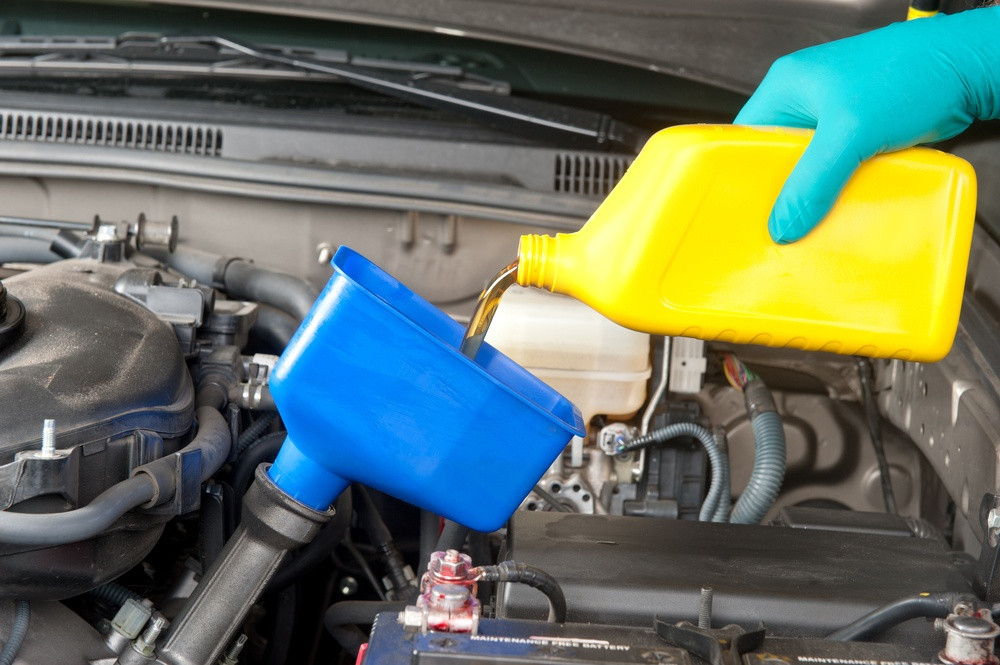 |
Engine oil plays a crucial role in the operation of engines, machinery, and equipment. Essentially, its main functions include lubricating surfaces, cleaning parts, cooling certain components, and preventing rust and oxidation of metal parts. So, when is the right time to change your car's engine oil, and what are some basic things you should know when changing your car's oil?
When should I change my oil?
Typically, a new car should have its oil changed every 3,000 to 5,000 km or 3 months. However, some luxury car models use premium oils, allowing for longer oil changes and longer mileage. Thanks to technological advancements, car manufacturers have extended the oil change interval to 12,000-16,000 km or 6-12 months, saving up to 5.5 million VND in costs. Nevertheless, because oil dries out over time, users still need to change it twice a year to ensure optimal engine performance and longevity.
Besides the method above, you can also rely on the dipstick in the engine, which every car is equipped with. Typically, the dipstick has a yellow handle and is located on the engine; it's easy to find when you open the hood.
All oil dipsticks have two markings, max and min, and the oil level must be within these marks to ensure proper engine operation. If it's below the min mark, it means the engine is low on lubrication; if it's above the max mark, it means there's too much oil. Both situations are detrimental to the vehicle's performance.
According to experienced car users, the best way to check the oil level is that when the engine is cold, the oil level should not be below the minimum mark, and when the engine is hot, the oil level should not be above the maximum mark.
By looking at the color of the oil on the dipstick, you can tell whether or not it's time to change the oil. If the oil is black, it's time to change it, while if the oil on the dipstick is orange, the oil is still good and doesn't need changing yet.
Even cars that have been parked for a long time still need an engine oil change.
While the oil itself is not consumed very often, it contains various additives that perform different functions such as cleaning, anti-wear, anti-rust, anti-oxidation, and anti-foaming. As these functions are performed, these additives are gradually depleted, causing the oil to degrade and requiring replacement.
Therefore, even if a car is driven infrequently, the oil stored in the engine will degrade over time. That's why, in addition to mileage, car manufacturers also specify the oil change interval, usually one year. If the car hasn't reached the specified mileage after one year, the engine oil still needs to be changed.
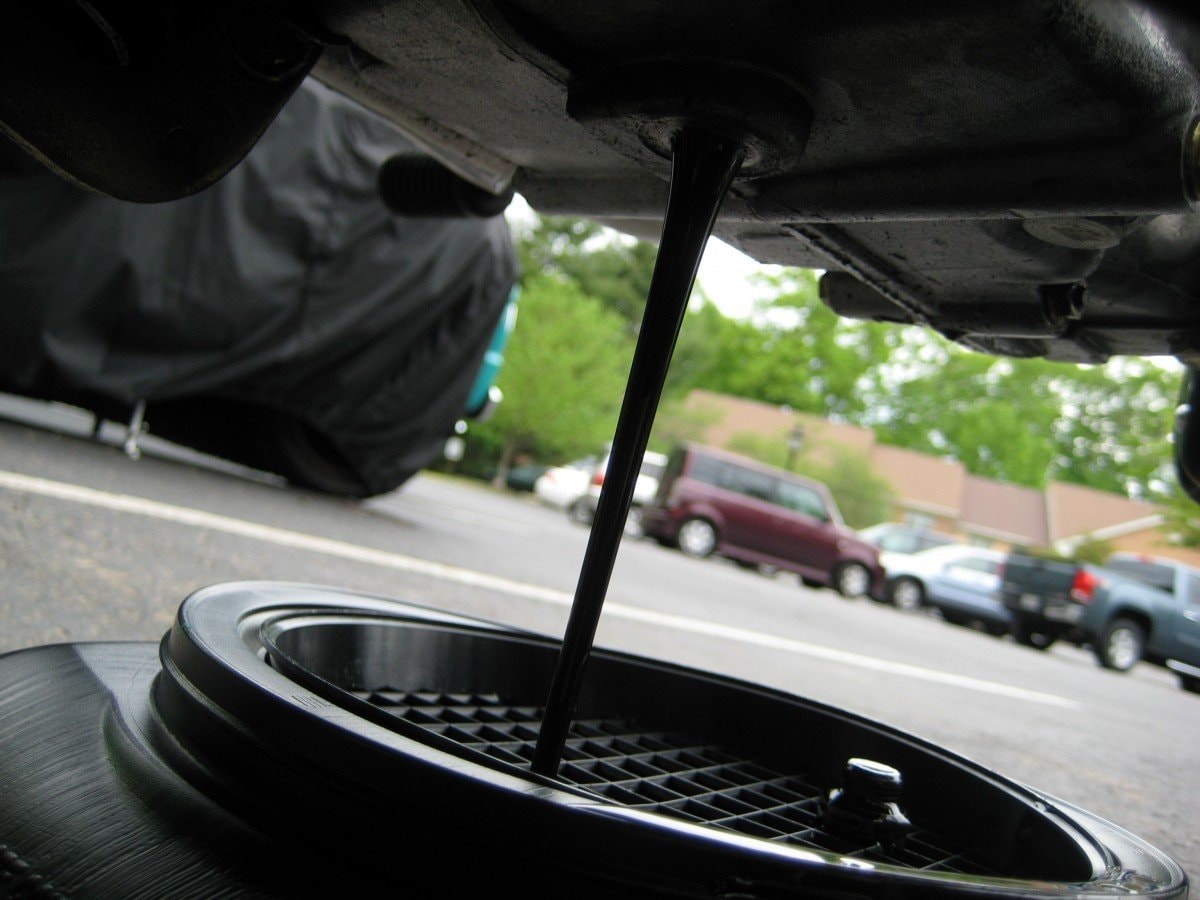 |
Black oil has proven to be effective.
The oil turning black is a natural part of its operation; combustion at temperatures of hundreds of degrees causes this discoloration. During operation, it also cleans the engine, so you don't necessarily need to change the oil.
In fact, the fact that the oil doesn't change color doesn't mean it's good oil. Besides cooling, it also lubricates the engine, so turning black is normal, but the degree of blackness is important. If it's too black, then it's definitely not good; it could be residue from rust particles filtered out from friction.
The thicker the oil, the better.
Drivers previously believed that the thicker the oil, the better the lubrication. However, that was for single-grade oil, which only ensured sufficient viscosity at high temperatures to lubricate the engine; modern oils are multi-grade, ensuring sufficient viscosity for high-temperature lubrication while also allowing for easy starting at low temperatures because they are not too thick.
What type of oil should I use?
Depending on the vehicle model and the characteristics of the engine, the type of engine oil used will vary. It's best to consult with the manufacturer, or have your oil changed at authorized dealerships or reputable garages to ensure the correct type of oil is used for your engine.


