
OnePlus 16 revealed with 200MP camera: A hardware leap or a trade-off for identity?
The OnePlus 16 promises to revolutionize photography with its larger 200MP sensor, but the disappearance of OxygenOS in favor of ColorOS is sparking much debate.
OnePlus was once known as the "flagship killer," winning over users with its combination of powerful specifications and a pure software interface. However, the latest leaks about the OnePlus 16 reveal a major shift in Oppo's strategy for this sub-brand. While the camera hardware has received a significant upgrade, the distinctive software identity of this line of phones seems to be coming to an end.
The rise of the 200MP sensor on the OnePlus 16
According to leak expert Digital Chat Station, the OnePlus 16 will mark a major leap forward in photography capabilities. The most significant change lies in the main sensor, where the company is expected to replace the current 50-megapixel sensor (1/1.56-inch size) with a larger 200-megapixel sensor, measuring 1/1.4 inches.
Increasing the size of the physical sensor is a key factor in improving light-gathering capabilities, thereby enhancing image quality in low-light conditions and creating a more natural bokeh effect. However, other components in the camera system do not seem to have undergone any groundbreaking changes. Specifically, the 50-megapixel ultra-wide-angle camera and the 3.5x telephoto camera are expected to retain the same specifications as their predecessors.
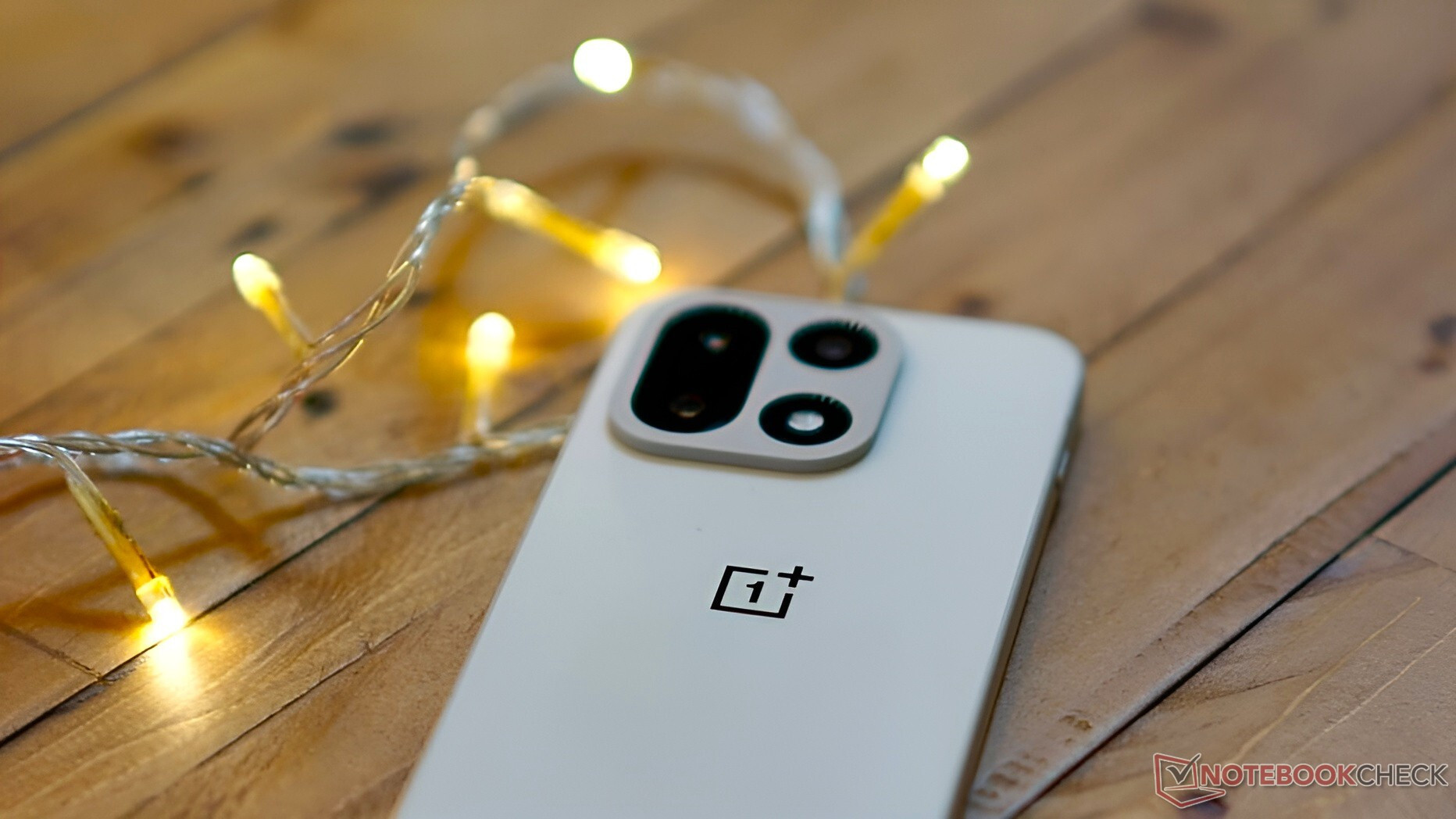
The end of the OxygenOS era.
Alongside hardware improvements, a piece of news that has stirred up the fan community is the discontinuation of the OxygenOS interface. According to a report from Smartprix, Oppo is tightening its control over its sub-brands OnePlus and Realme. This means that OxygenOS and Realme UI – which were considered the fastest and smoothest Android customizations on the market – will gradually disappear.
In the future, OnePlus and Realme devices are expected to switch entirely to ColorOS, Oppo's standard operating system. This is seen as a move to optimize resources and unify the group's ecosystem. In the Indian market, OnePlus's customer service has also been consolidated under the Oppo brand, indicating that the transition is progressing rapidly.
Compare the expected specifications.
To better understand the changes in the new generation, here is a comparison table of core specifications based on leaked information:
| Ingredient | OnePlus 15 (Predecessor) | OnePlus 16 (Expected) |
|---|---|---|
| Main camera resolution | 50 MP | 200 MP |
| Main sensor size | 1/1.56 inch | 1/1.4 inch |
| Ultra-wide angle camera | 50 MP | 50 MP |
| Telephoto Camera (Optical Zoom) | 3.5x (50 MP) | 3.5x (50 MP) |
| Operating system | OxygenOS | ColorOS |
Market challenges and prospects
Despite significant hardware upgrades, the OnePlus 16 still faces considerable skepticism. The removal of OxygenOS could cost the company a large number of loyal users who appreciate its simplicity and speed. Furthermore, after the partnership with Hasselblad ended on the OnePlus 15 series, establishing a strong position in the high-end camera phone segment will be a difficult challenge for the OnePlus 16.
Notably, analysts also warned that the OnePlus 16 might only be released in a limited capacity in the Chinese market due to changes in Oppo's operational structure. If this happens, global users will lose a competitive option in the high-end smartphone segment.
Currently, the specifications of the OnePlus 16 are not officially confirmed and may change during the final development process. However, the complete "Oppo-ization" of the OnePlus brand is almost certain to happen in the near future.


