
Anutin Charnvirakul was re-elected as Prime Minister of Thailand.
On March 19, Thailand's new parliament officially elected Anutin Charnvirakul to continue serving as Prime Minister.
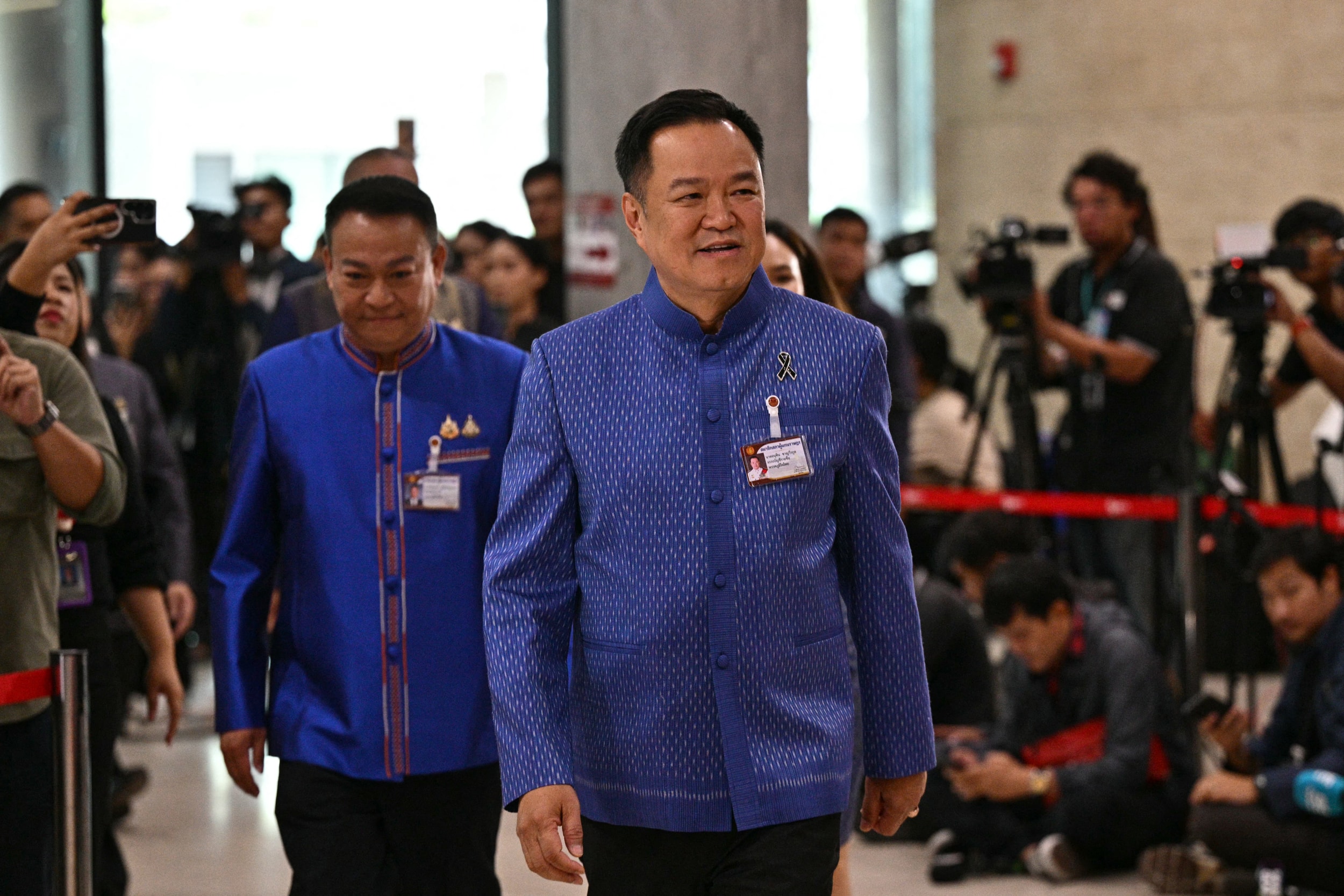
According to AFP, the vote count in the Thai Parliament on the afternoon of March 19 showed that Anutin Charnvirakul had surpassed the 250 votes needed to officially become the head of government.
After winning a landslide victory in the general election in February, to form a government, his Bhumjaithai Party joined forces with the third-place Pheu Thai Party and 14 other smaller parties, creating a majority coalition powerful enough to dictate decisions in Parliament.
Anutin, 59, previously served as Minister of Health. He was first elected Prime Minister by Parliament last September, after his predecessor Paetongtarn Shinawatra was removed from office by the court due to controversies related to political ethics regulations.
Speaking to reporters just before the vote, Anutin emphasized his commitment to service: "I hope to continue in this position to serve the people for as long as possible. Whenever there is an issue affecting the public, I will immediately respond to their needs."
Despite having stabilized its internal political structure, Prime Minister Anutin's government is facing significant challenges.
Domestically, Thailand's economic growth has shown signs of slowing down over the past year. The tourism sector – a key economic driver – is struggling to recover, while the environment for attracting foreign direct investment (FDI) is facing intense competition.
From an external perspective, the crisis in the Middle East is directly impacting the Thai economy through supply chain disruptions and rising fuel prices. Although Anutin had previously pledged to "turn the Middle East crisis into an opportunity for Thailand," the current reality demands more urgent solutions.
Political science expert Yuttaporn Issarachai believes that the current Thai government's priority agenda has been forced to shift towards external challenges. "So far, the cabinet has failed to implement decisive measures to cool down fuel costs, only resorting to temporary solutions such as encouraging working from home," Yuttaporn told AFP.
Furthermore, border security issues, particularly the ongoing tensions with neighboring Cambodia, remain a critical flashpoint requiring close monitoring despite an ongoing ceasefire. During the election campaign, the Bhumjaithai Party made strong commitments to tightening security at border crossings and increasing border patrols. However, according to expert Yuttaporn, the primary concerns of Thai voters have shifted. "The economy is now the public's number one priority," he emphasized.


