
Maduro appears in court in the US, denying all charges.
On January 5th (local time), Venezuelan President Nicolas Maduro appeared in federal court in Manhattan, New York, after being removed from Caracas by US forces. The incident is causing international outrage, raising deep concerns about the legitimacy and potential for instability in Latin America.
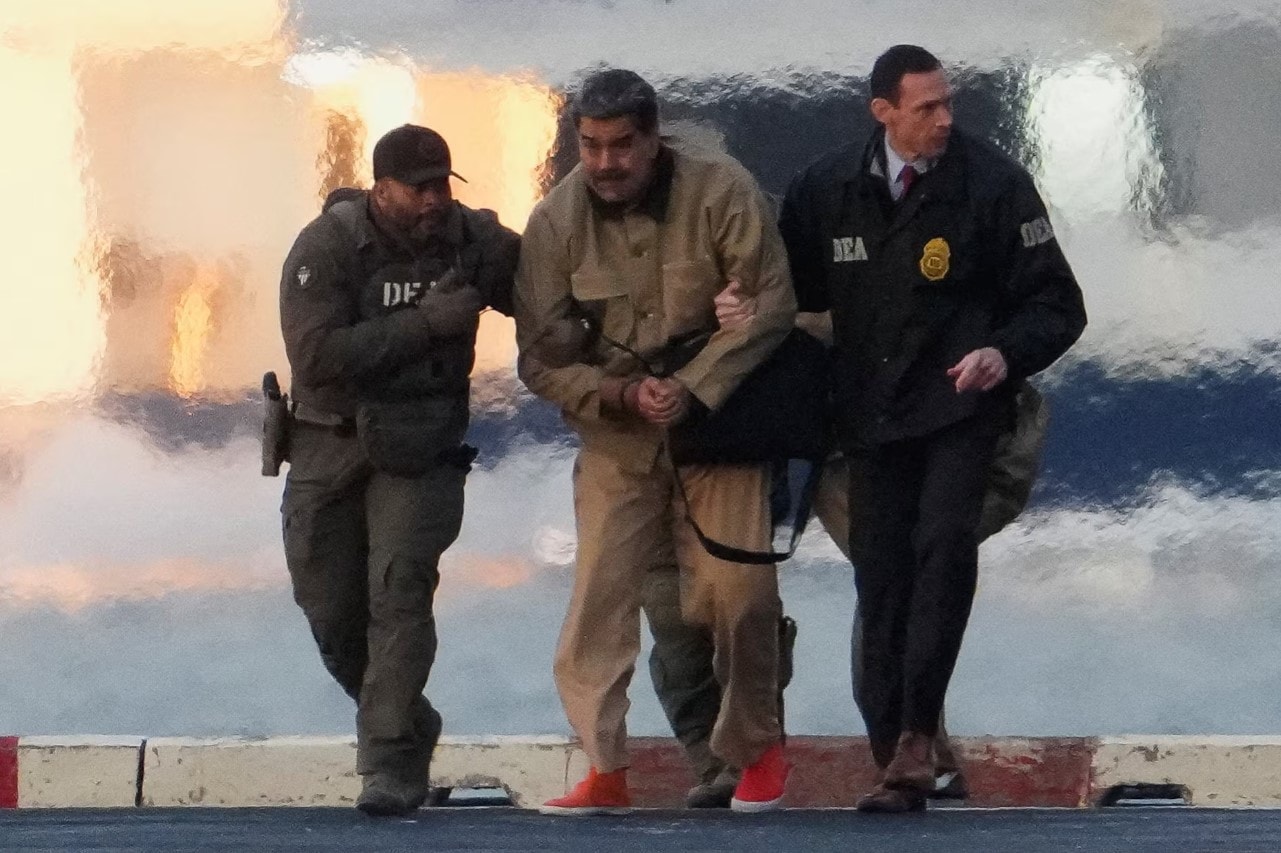
During the 30-minute preliminary hearing, Nicolas Maduro completely rejected the accusations from the US prosecutors. Through an interpreter, he asserted: "I am innocent. I am a decent person and I am still the President of my country."
Judge Alvin Hellerstein announced the indictment, which includes charges related to drugs and security. However, defense attorney Barry Pollack said he would wage a legal battle over the legality of the arrest, calling it a "military abduction" that violates sovereignty.
The US use of special forces to conduct operations right in the capital city of Caracas has met with strong opposition from many countries and international organizations.
At the United Nations Security Council, Secretary-General Antonio Guterres expressed deep concern about the instability in Venezuela. Russia, China, and many Latin American countries have criticized this action, considering it a serious violation of the UN Charter and the fundamental principles of international law regarding respect for national sovereignty.
Amid a power vacuum in Caracas, Delcy Rodriguez, who previously served as Vice President, was sworn in as interim President to maintain constitutional order.
National Assembly President Jorge Rodriguez affirmed that he would use all diplomatic and legal means to protect Maduro.
Notably, in an interview with NBC News, US President Donald Trump announced that the US would support the reconstruction of Venezuela's oil and gas industry. Trump stated that American energy companies were ready to return to the country with the world's largest oil reserves.
This announcement immediately impacted financial markets, causing shares of US energy companies to surge. However, it also reinforced international observers' doubts about the economic motives behind this military campaign.


