
Assoc. Prof. Dr. Nguyen Dang Diep – Echoes from the written word
Throughout the 72-year history of the Institute of Literature, there has always been the worthy contributions of sons and daughters of Nghe An province, including Professor Dang Thai Mai, literary critic Hoai Thanh, poet Hoang Trung Thong, Professor and Academician Hoang Trinh, Professor Phong Le, and others. Continuing this proud cultural tradition, Associate Professor Dr. Nguyen Dang Diep has contributed insightful and talented writings, supplementing new theoretical frameworks and innovating aesthetic criteria in contemporary literary research and criticism.
.png)
Le Xuan ButTechnique:Hong Toai• December 2, 2025
------------------------------
Throughout the 72-year history of the Institute of Literature, there has always been the worthy contributions of sons and daughters of Nghe An province, including Professor Dang Thai Mai, literary critic Hoai Thanh, poet Hoang Trung Thong, Professor and Academician Hoang Trinh, Professor Phong Le, and others. Continuing this proud cultural tradition, Associate Professor Dr. Nguyen Dang Diep has contributed insightful and talented writings, supplementing new theoretical frameworks and innovating aesthetic criteria in contemporary literary research and criticism.
--------------o0o--------------
Growing up in the rural area of Yen Thanh, Nguyen Dang Diep spent many nights captivated by the call-and-response folk songs sung by young men and women. Over the years, these songs nurtured in him a love and passion for art. During his high school years, by chance, he became a literature student at Phan Boi Chau High School for the Gifted, paving the way for his pursuit of literary theory research.
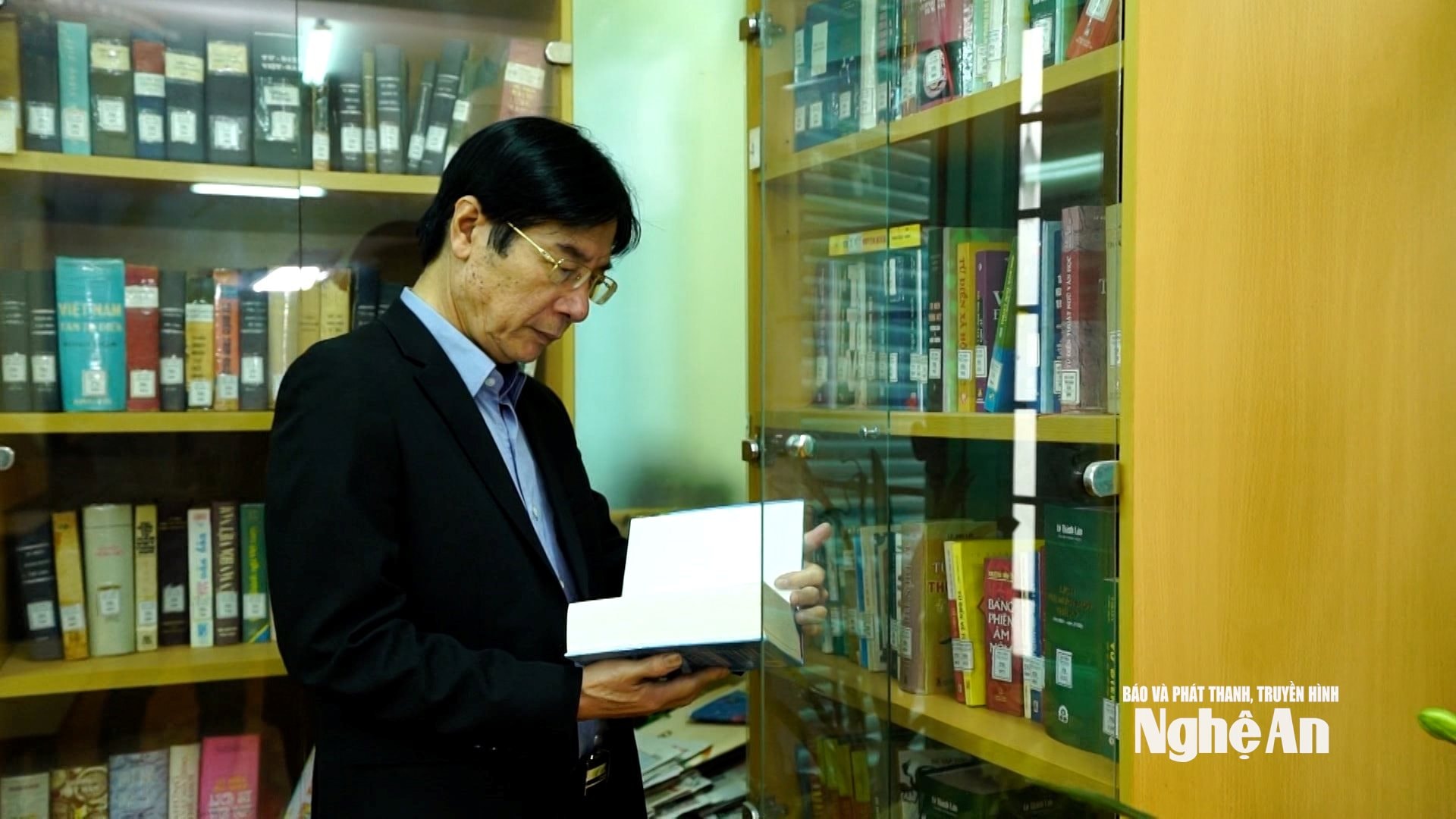
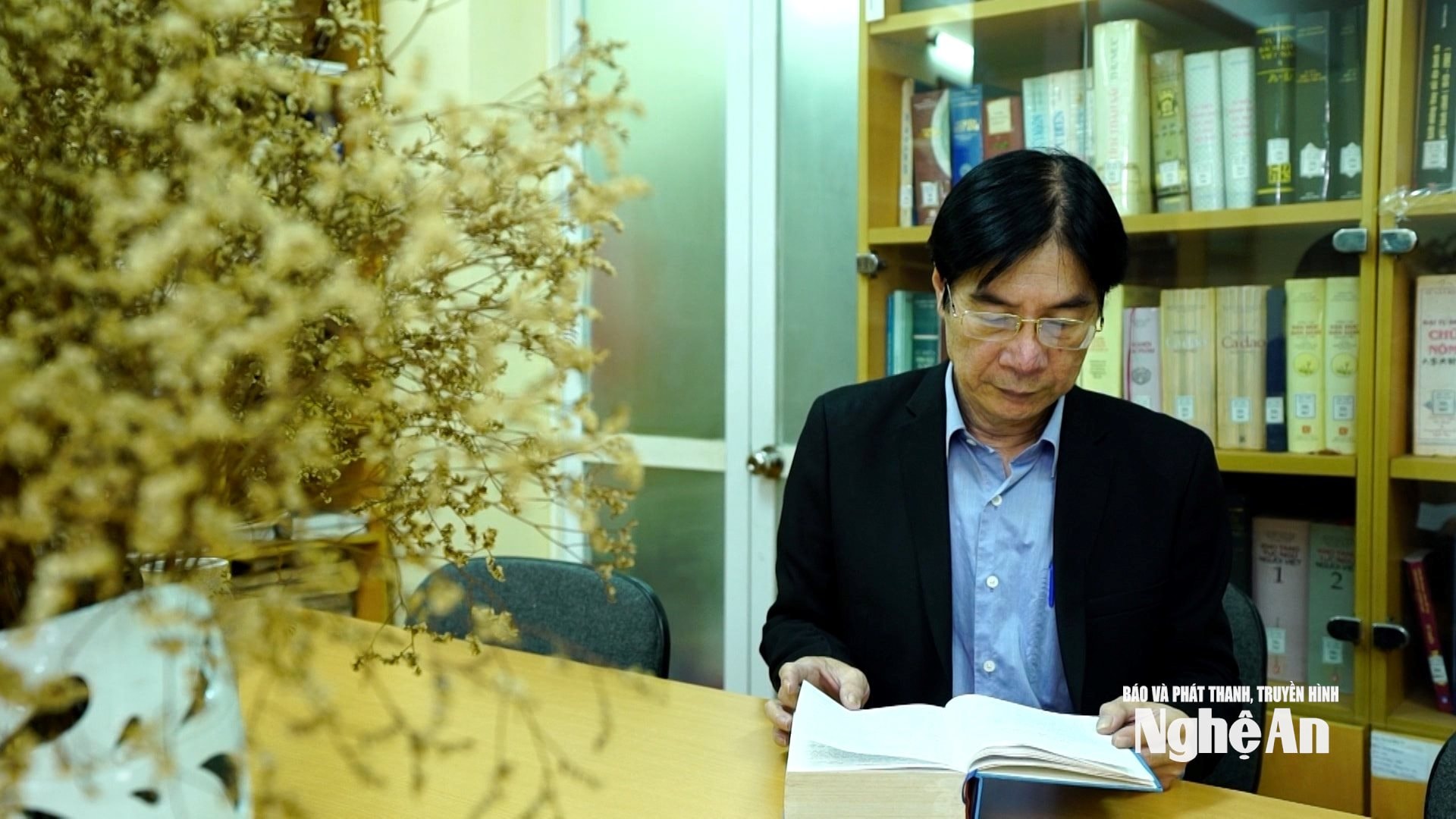
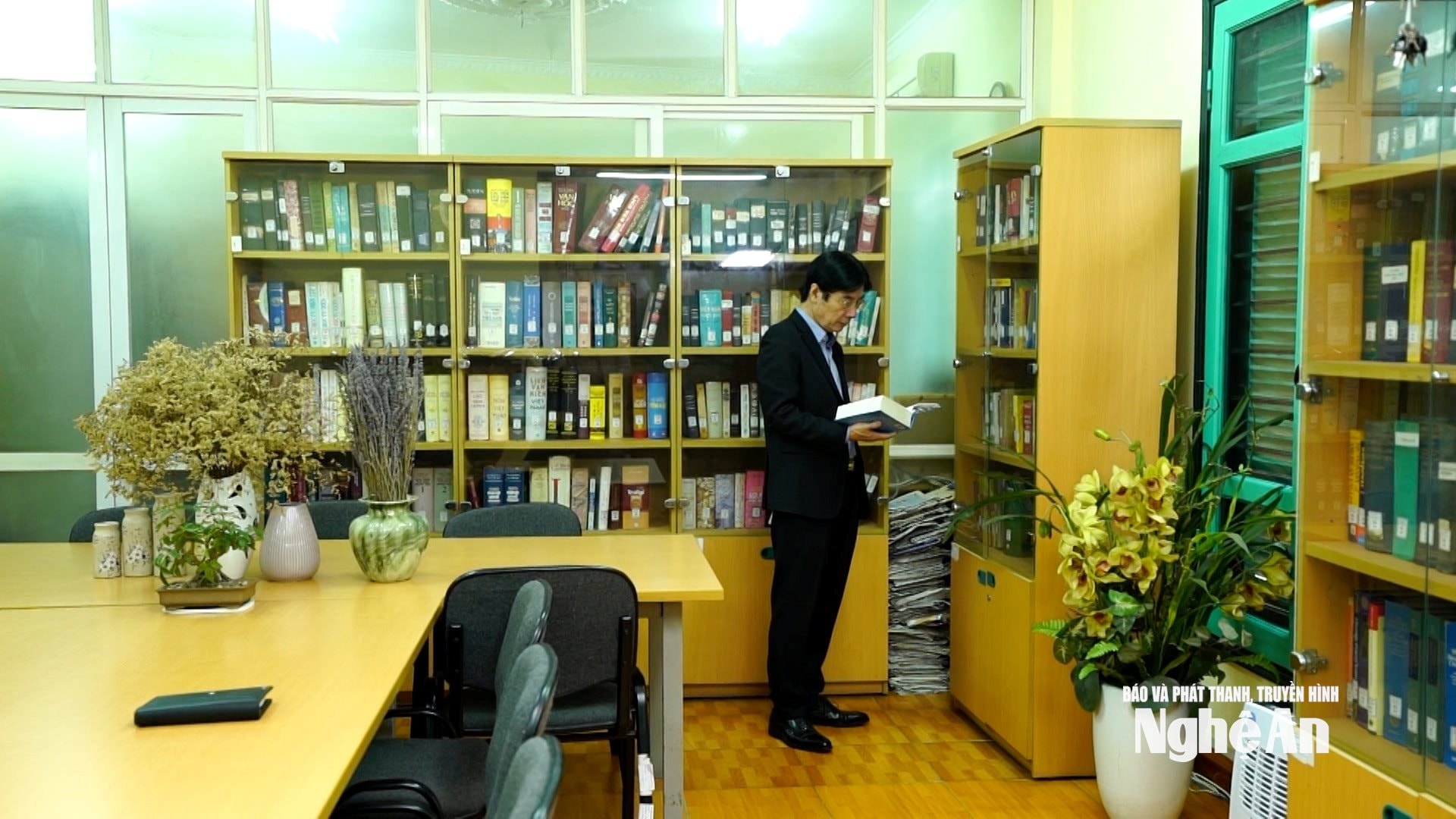
From being a lecturer at Hanoi Pedagogical University 2, in 1993, he became a research officer at the Institute of Literature. From there, like a fish returning to its natural environment, he had the opportunity to research and learn from previous generations, enriching his knowledge and establishing his own path.
From his early days at Hanoi Pedagogical University 2, Nguyen Dang Diep was always preoccupied with finding a way to approach the most subtle movements of literary life and the creative process in literary works. Nguyen Dang Diep believed: “Simply put, the work of writers is the work of words. After the words come thoughts, feelings, and aspirations. All must be expressed through a unique artistic voice.” Considering artistic voice as a sign of talent, he focused his research on the works of many prominent writers, attempting to identify and explain the creative mechanisms of writers by analyzing the linguistic tapestry they created in their works. For him, artistic voice is also the focal point of the artist's spirit and energy in the world they create, clearly revealing the artist's cultural identity and character.
.png)
Although deeply influenced by and inheriting the research achievements on tone from some Western scholars, Nguyen Dang Diep flexibly absorbed and added new fields of meaning when illuminating the reality in Vietnam. From the polyphonic nature of M. Bakhtin's modern novels, he introduced the concept of the independent voice of poetry, and affirmed the role of tone - the core element that establishes a writer's artistic style. His representative works include:Tone in lyrical poetry;Echoes from written words;Modern Vietnamese poetry: process and phenomenon.; Some issues in modern Vietnamese literatureThis work, comprising the collection "Lyric Poetry and Modern Vietnamese Literature," was awarded the State Prize in the field of social sciences and humanities in 2022 by the President of Vietnam. The work demonstrates a free-flowing, talented writing style and a serious, accurate scientific approach in assessing literary issues. Poet Huy Cận commented on the work.Tone in lyrical poetry“This is a thorough study with significant findings. In particular, regarding the New Poetry movement, the author of this work has approached it with a deep and empathetic understanding.” Delving into the most central issue of literary theory, Associate Professor Nguyen Dang Diep introduces a new field of research that “contributes to renewing literary research thinking, positioning and examining literary values convincingly in the spirit of modern humanism.” (Associate Professor Dr. Nguyen Thi Phuong Cham)
In 2020, Nguyen Dang Diep's work "Some Issues in Modern Vietnamese Literature" was fully translated into Chinese and Taiwanese, and is considered the official teaching and learning material on modern Vietnamese literature throughout Taiwan. The book has contributed to conveying the spirit and vitality of the Vietnamese nation through literature to international friends.
Through studying the artistic tone of literary works, Nguyen Dang Diep has illuminated texts from multiple perspectives and methods, thereby grasping the essence and cultural character of each author. A work is the spiritual child of each writer, but establishing the layers of meaning and the inner workings of these literary entities upon publication is no longer solely the writer's responsibility, but also the reader's perspective. Beyond studying the literary entity within the text, Nguyen Dang Diep also strives to explain the mechanisms that create its uniqueness, opening a new research direction that goes beyond simply understanding a literary work.What are we talking about?, but also to explore literary worksHow to say it, after the researcher establishes the ontological characteristics of literary texts in creating meaning through the recipient” (Prof. Dr. Truong Dang Dung).
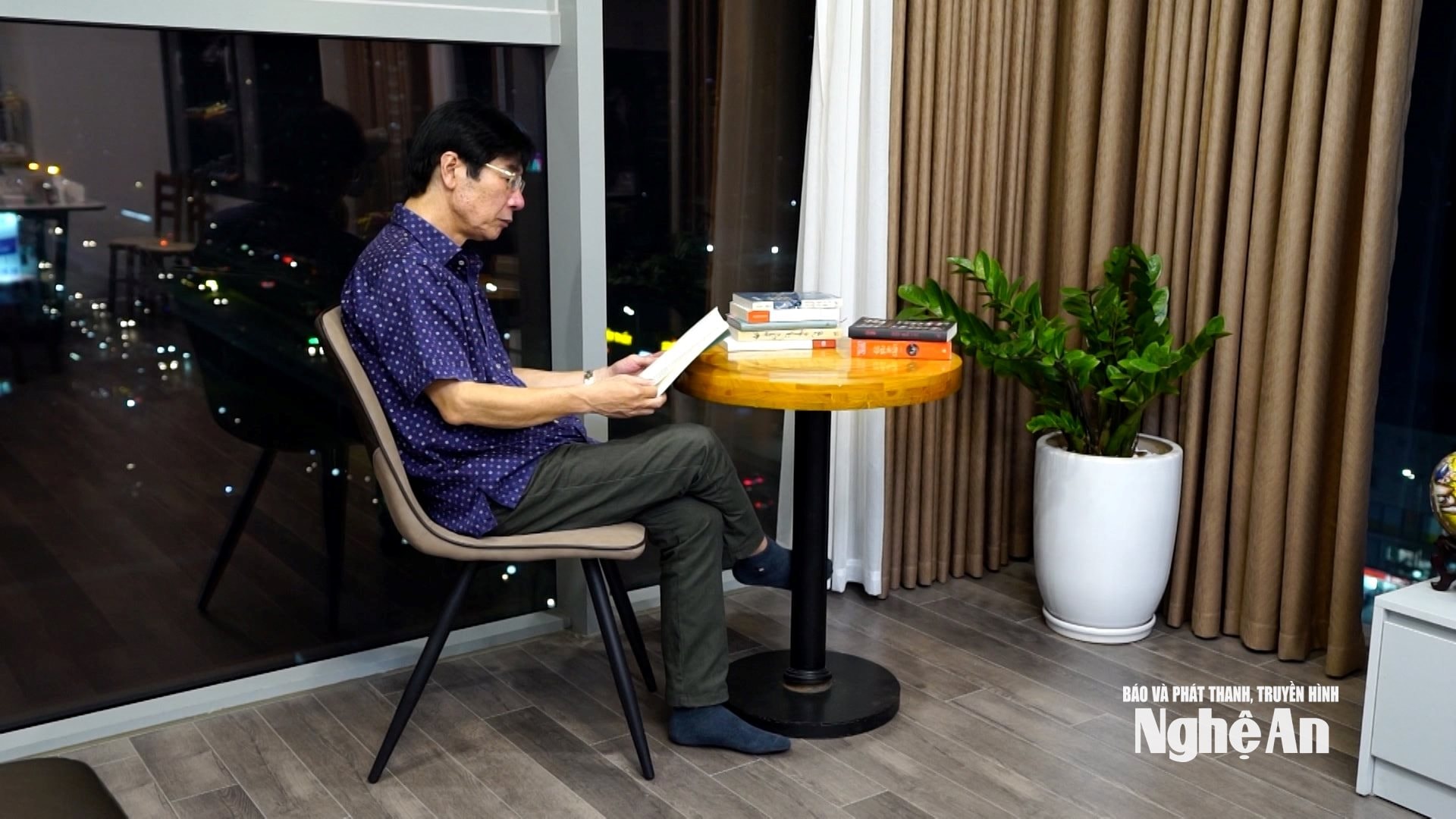
Through studying the artistic tone of literary works, Nguyen Dang Diep has illuminated texts from multiple perspectives and methods, thereby grasping the essence and cultural character of each author. A work is the spiritual child of each writer, but establishing the layers of meaning and the inner workings of these literary entities upon publication is no longer solely the writer's responsibility, but also the reader's perspective. Beyond studying the literary entity within the text, Nguyen Dang Diep also strives to explain the mechanisms that create its uniqueness, opening a new research direction that goes beyond simply understanding a literary work.What are we talking about?, but also to explore literary worksHow to say it, after the researcher establishes the ontological characteristics of literary texts in creating meaning through the recipient” (Assoc. Prof. Dr. Truong Dang Dung).
Nguyen Dang Diep believes that "Criticism is a discourse about a poet's discourse, the writer's resonance based on the poet's feelings within their artistic world." Therefore, he always writes about writers with an empathetic attitude, with elegance and careful evaluation. Nguyen Dang Diep's critical works not only captivate readers with fresh insights but also with his passionate writing style, as if it were the very voice of the work itself. In him, the erudite scientist and the artist merge into one; there is the powerful commitment of a Xuan Dieu poetic soul, the yearning of a Han Mac Tu poetic soul, or moments of wandering and dreaminess as if infused with the poetic soul of Nguyen Binh. His empathy and subtle perception of the works lead to new discoveries and approaches to literary works that seem familiar to readers, creating surprises and delightful experiences on every page. He believed that each work of art is a living organism, a new life, so critics, more than anyone else, need to have the most objective perspective, encouraging and opening up new directions for genuine art. This is also the humane and insightful eye of critic Nguyen Dang Diep.
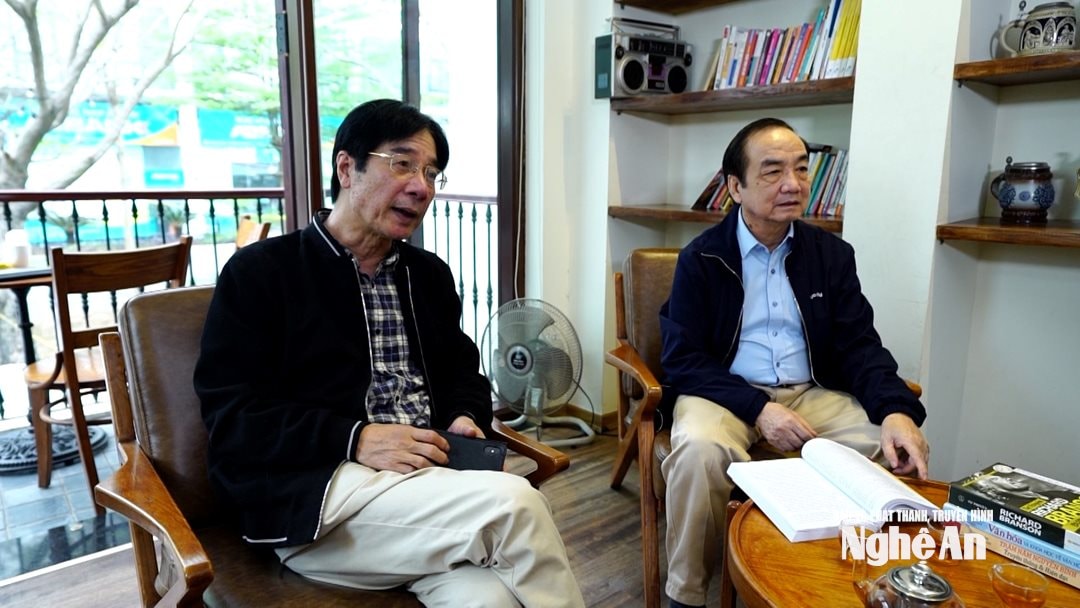
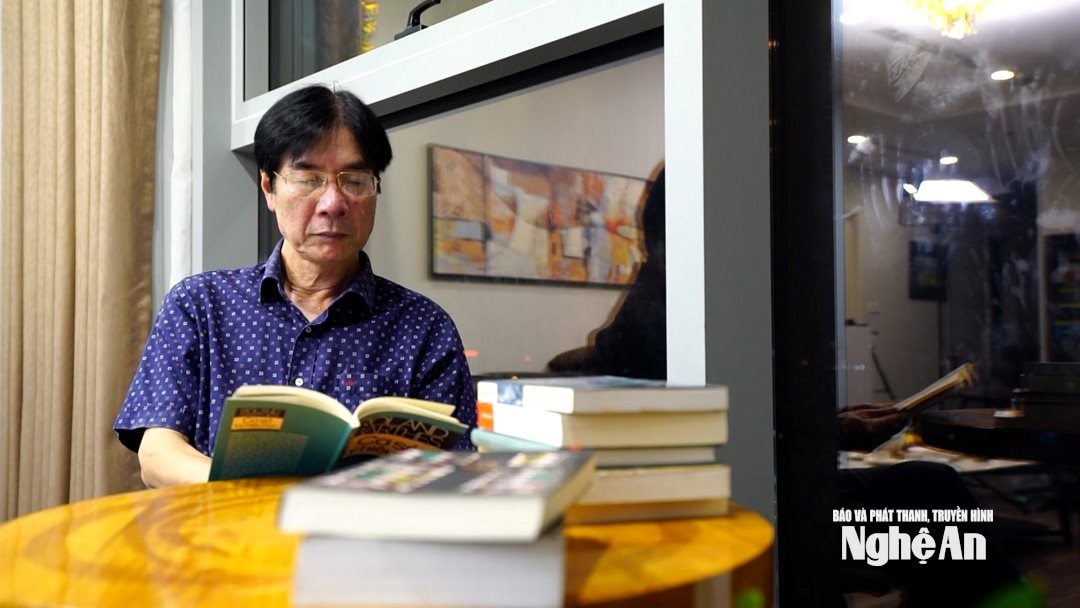
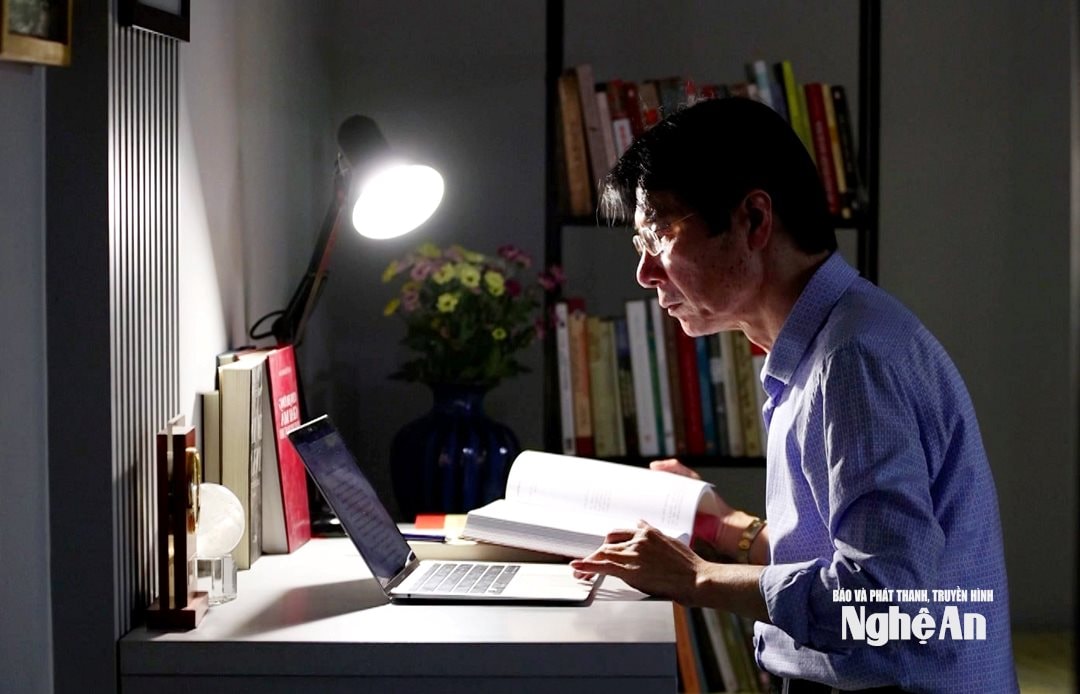
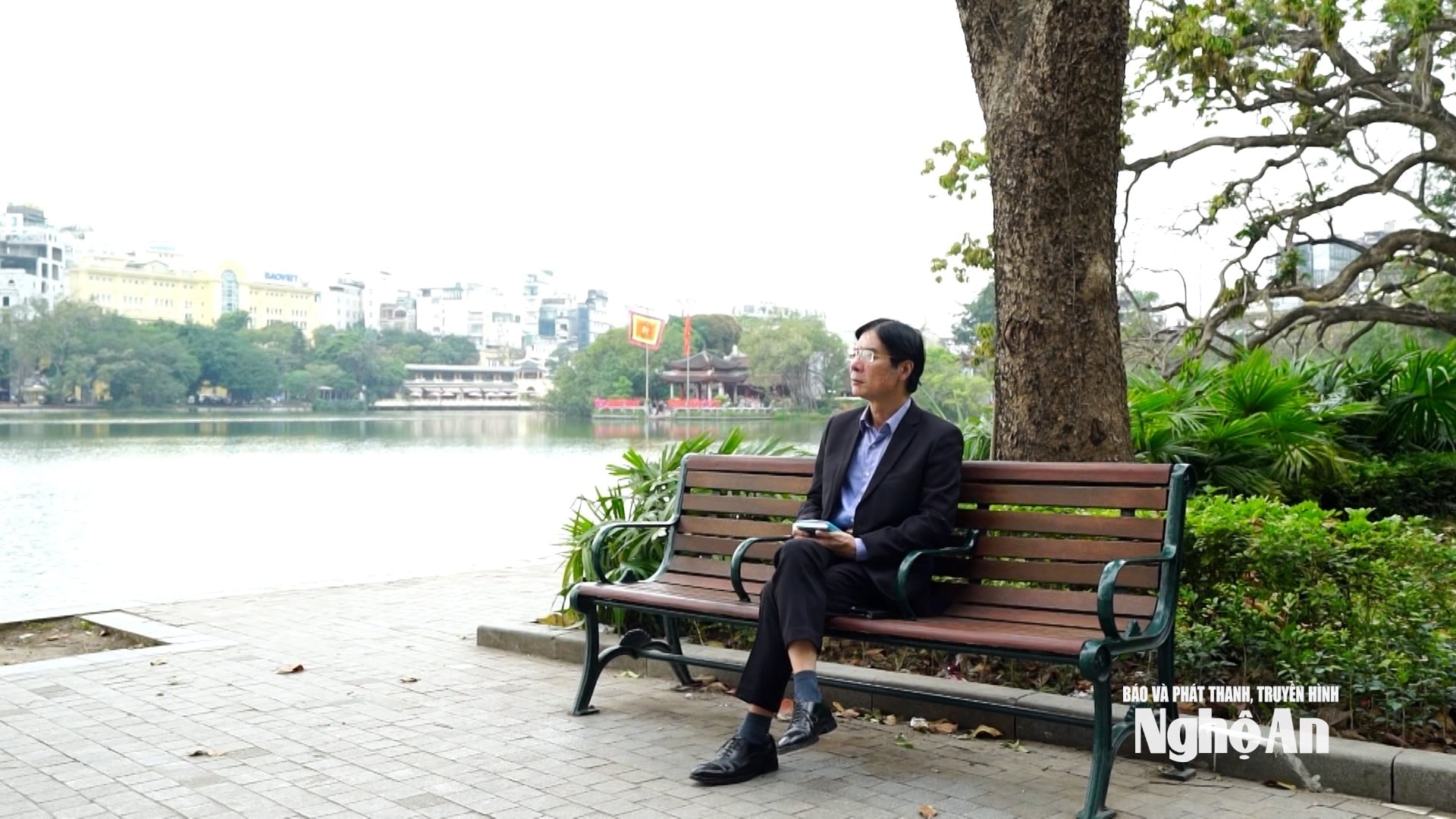
As Director of the Institute of Literature from 2012 to July 2023, Nguyen Dang Diep entered a period of significant literary transformation, as the world entered the era of digital technology and globalization. More than ever, Nguyen Dang Diep opened up new approaches, integrating Vietnamese literature with global trends.
Associate Professor Nguyen Dang Diep has chaired numerous national and international literary conferences, notably the international conference on ecological criticism, indigenous voices, and global voices. This represents an interdisciplinary research trend, opening up increased interaction between academic research issues and practical social issues, and between literary research and other social sciences and humanities. He argues that this research direction has shifted from a human-centered approach to an ecological-centered approach. This requires writers to view nature as a living organism, listen to it, understand it, and respect it, moving towards harmony between humans and nature. In essence, this is also a strategy for sustainable development, for a healthy and clean ecological environment for human development.
For Nguyen Dang Diep, culture is the biosphere of literature, and each writer is also a cultural figure. Therefore, he advocates approaching literature from a cultural perspective, aiming to overcome narrow thinking, open new avenues, and update the state of literary research worldwide. This orientation is established on the fundamental idea of the renowned Russian scientist M. Bakhtin: "Literary research needs to establish a closer connection with literary history. Literature is an inseparable part of culture; it cannot be understood outside the unified context of the entire culture of a given era."
Throughout history, the literature of a nation has been influenced not only by society but also by cultural changes. Therefore, in Part 1 of his book "Literature in the Cultural Biosphere," Nguyen Dang Diep delves into "literature and culture: some theoretical and historical issues." For a long time, literature has been placed within the flow of history, but it would be a shortcoming not to see the impact of culture on writers and their works, contributing to shaping the peaks in the literary landscape, the unique and individual poetic phenomena such as the poetry of Ho Xuan Huong, the New Poetry movement, etc. Therefore, Nguyen Dang Diep has introduced novel categories, helping readers to recognize literature on deeper, more humanistic levels, such as...Literature and spiritual culture; Historical and cultural shocks and the development of contemporary Vietnamese literature; Urban life, environment, and human nature in contemporary Vietnamese literature; Gender issues and feminist undertones in contemporary Vietnamese literature....
In the current literary landscape, alongside mainstream literature, there is a commercial, entertainment-oriented genre. The rapid development of the market economy and the information explosion place many writers under pressure: Should they write what life demands, following their inner urges, or should they write to cater to public taste? How can mainstream literature be developed while creating a diverse and multifaceted platform for popular literature? Nguyen Dang Diep believes that each writer will have their own unique search, but clearly the stories they write in their works must be connected to personal experiences. Furthermore, through these stories, we can hear the echoes of history, the stirrings of humanistic spirit, compassion and tolerance, as well as the values of the nation that have been layered in a culture spanning thousands of years. He places his faith and hope in the younger generation, those who have received formal training, possess the ability to access information technology, and process information quickly and efficiently. He also argued that the path from the writer's heart to the reader's heart is the best path for development; therefore, it is necessary to create conditions for writers to unleash their creative energy, find new methods of expression, maximize their talent, and build a bridge for Vietnamese literature to reach the world.
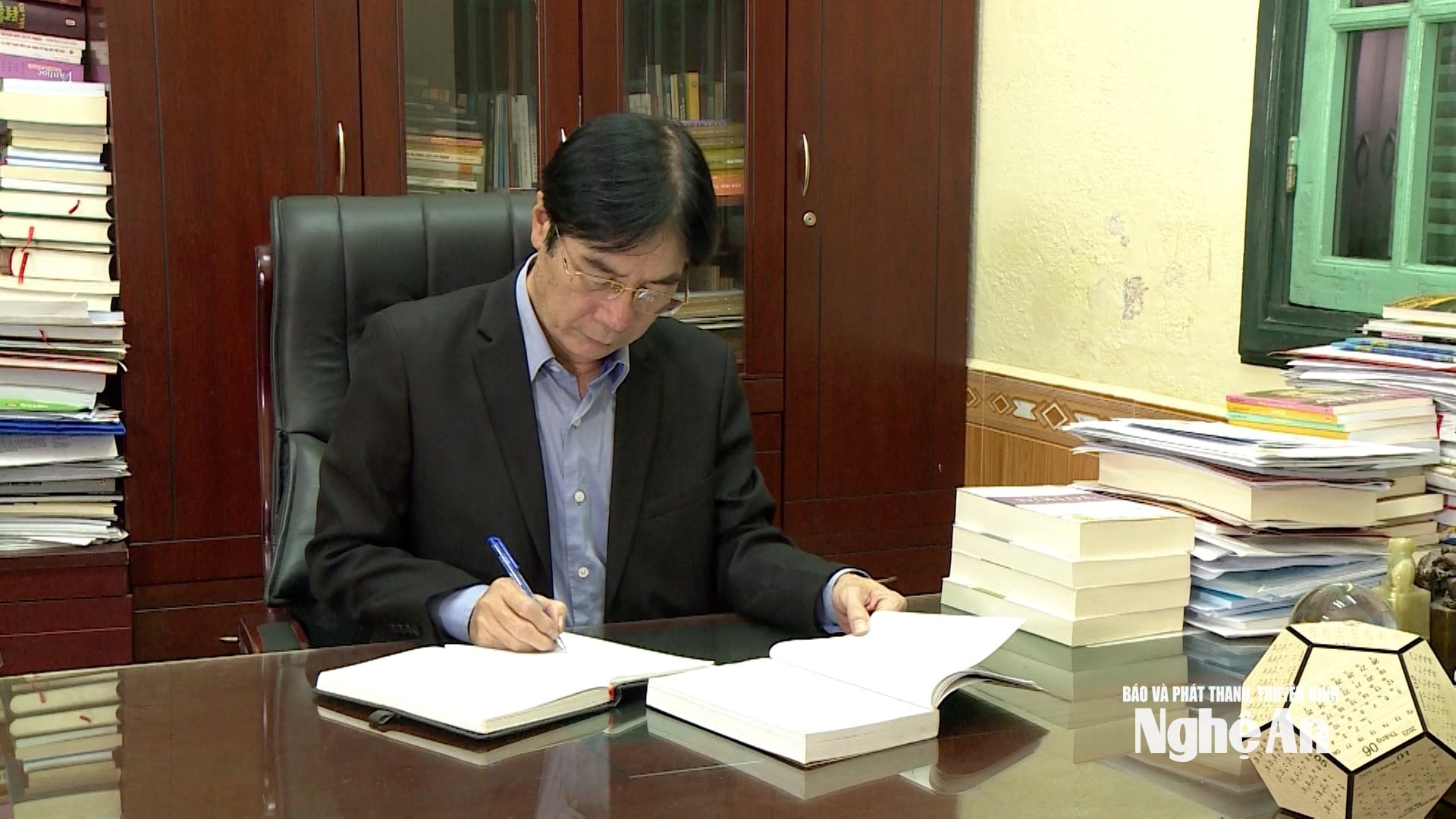
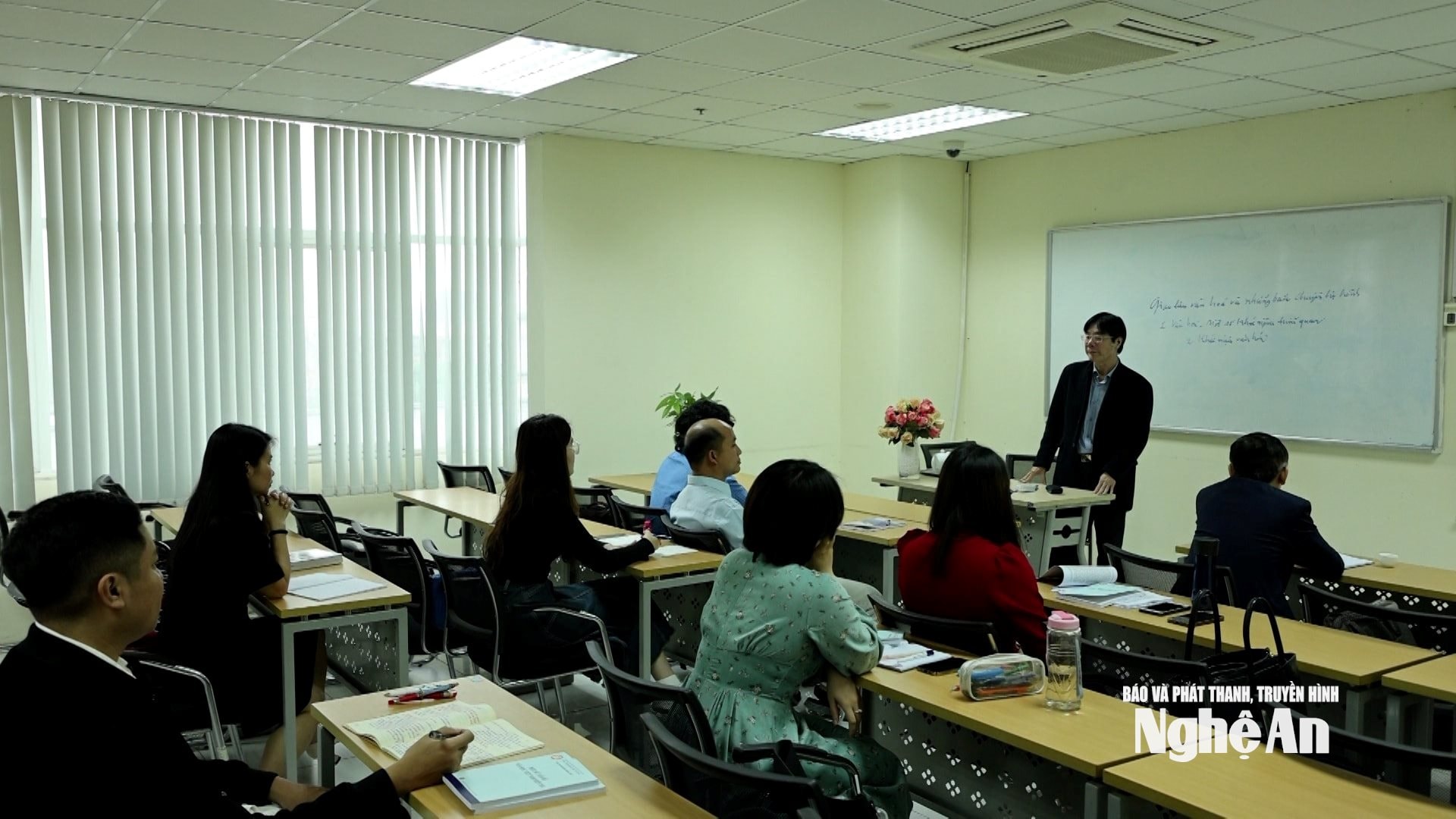
For over 35 years, Nguyễn Đăng Điệp has been a respected literary researcher and critic, but also an accomplished educator. He has taught and trained at numerous universities and major literary research centers both domestically and internationally. To date, he has supervised over 100 master's theses and more than 20 doctoral dissertations. His contributions and dedication have significantly contributed to the development of social sciences and humanities in Vietnam today.
For anyone, especially a writer, kindness is crucial. Be kind first, then talk about everything else. Throughout his life of research and teaching, Professor Dr. Nguyen Dang Diep always kept this in mind. Loving and respecting words, he truly spread a new wave of inspiration to modern Vietnamese literary criticism.


