
US-Iran delegations arrive in Pakistan: Washington expects direct talks, Tehran immediately rejects the idea.
On the morning of April 25, the Iranian Foreign Minister arrived in Islamabad, Pakistan, while US envoys were also en route in an effort to restart peace talks. However, contrary to Washington's expectations of a face-to-face meeting, Iranian state media asserted that Tehran would not sit at the negotiating table with US officials.
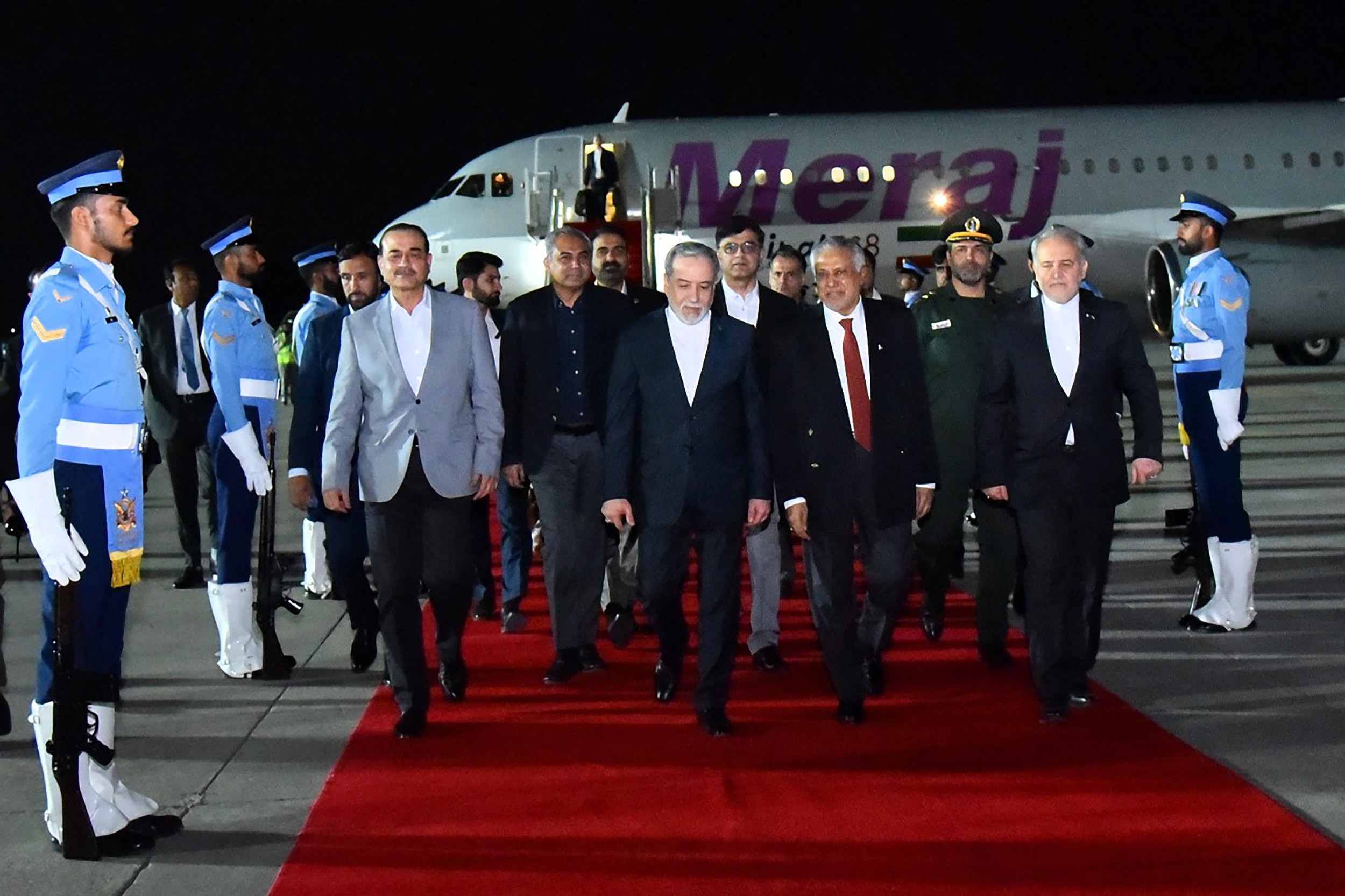
Conflict over the format of negotiations in Islamabad.
Diplomatic efforts to end the protracted conflict in the Middle East are facing significant challenges due to stark differences in viewpoints between the parties involved.
White House Press Secretary Karoline Leavitt said that two U.S. envoys, Steve Witkoff and Jared Kushner, will travel to Pakistan on April 25 to "engage in talks with representatives from the Iranian delegation." Leavitt expressed hope that these face-to-face meetings would "advance the process toward an agreement."
Meanwhile, US Vice President JD Vance, who led the first, unsuccessful round of talks in Islamabad two weeks ago, is temporarily not participating but is "ready to fly to Pakistan if necessary."
However, Iranian state television immediately poured cold water on these expectations by asserting that Foreign Minister Abbas Araghchi had no plans to meet with US officials. Accordingly, host country Pakistan would act as a bridge to "convey" Tehran's proposals for ending the conflict.
The Pakistani Foreign Ministry only confirmed that Araghchi was in Islamabad to discuss "regional peace and stability efforts," without mentioning any talks with the US delegation.
Following his stop in Pakistan, the Iranian Foreign Minister is expected to continue his tour to Oman and Russia to discuss efforts to end the war launched by the US and Israel against Iran since late February.
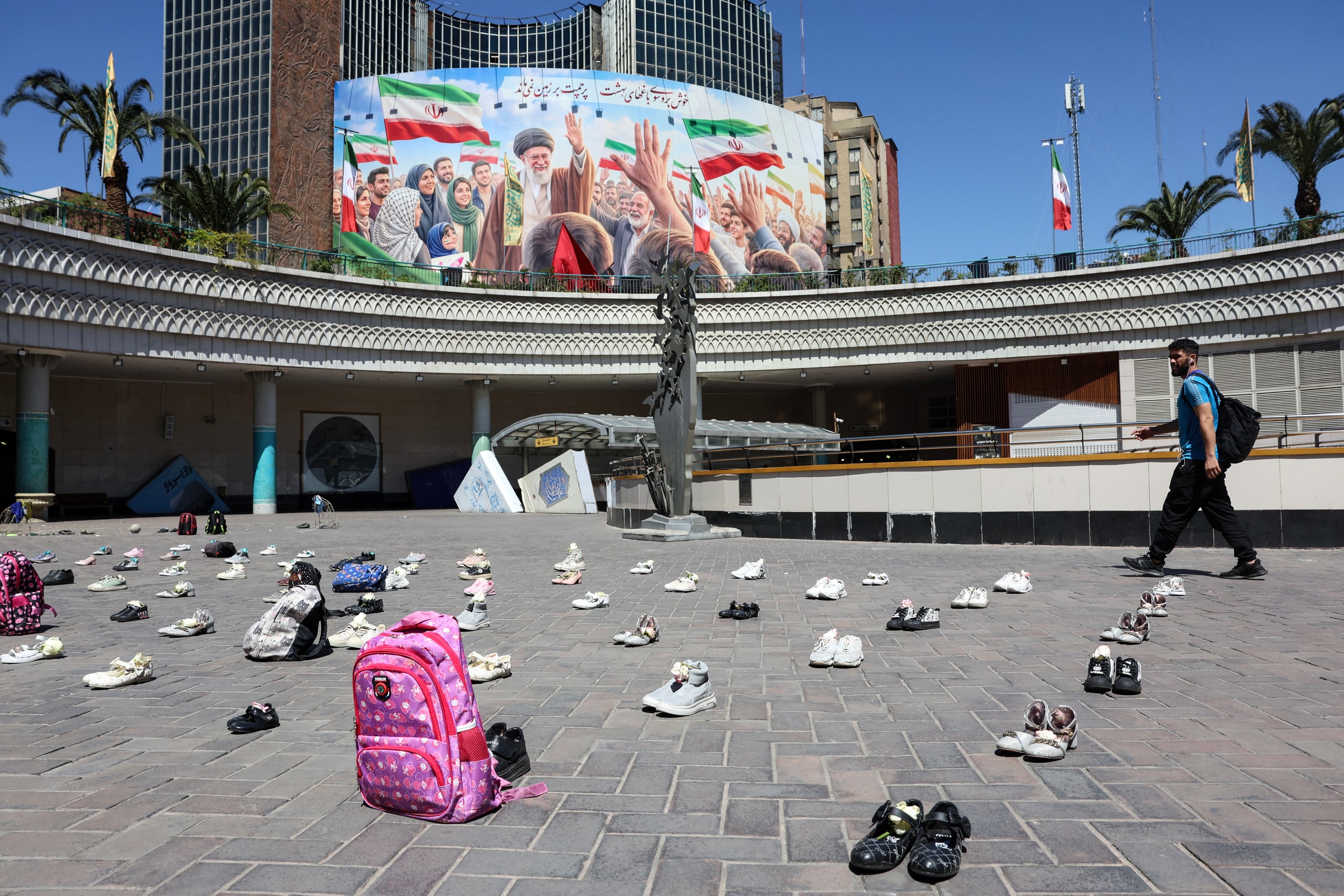
The Strait of Hormuz hotspot and US military moves.
Since the last round of negotiations, efforts to bring the two sides back to the negotiating table have stalled as Iran has refused to participate as long as the US naval blockade of its ports remains in effect. In response, Tehran has also established a de facto blockade of the strategic Strait of Hormuz – a vital waterway for the world's oil and liquefied natural gas (LNG) shipments – sending global energy markets into turmoil.
In light of this situation, European Council President Antonio Costa on April 24 called for the immediate reopening of the Strait of Hormuz "without restrictions and without fees," emphasizing that this is a "matter of life and death for the whole world."
Financial markets reacted positively to news of the US and Iranian delegations visiting Pakistan. World oil prices fell, while major indices on Wall Street hit new record highs. However, despite diplomatic efforts, the US continued to strengthen its military presence in the Middle East with the arrival of the USS George HW Bush – Washington's third aircraft carrier deployed to the region.
The ceasefire in Lebanon is fragile.
On the Lebanese front, despite US President Donald Trump's announcement of a three-week extension of the ceasefire, the Lebanese Ministry of Health reported that Israeli airstrikes in the south of the country still killed six people on April 24.
President Trump expressed confidence in the prospects for lasting peace in Lebanon after meeting with Israeli and Lebanese envoys, and also expressed hope for a trilateral meeting. It should be noted that the two countries have officially been at war for decades and had not met in person since 1993 until last week.
However, this effort is facing strong opposition. Mohammed Raad, the head of the Hezbollah parliamentary group, has called on the Lebanese government to withdraw from direct negotiations with Israel, warning that a peace deal like the one Trump desires "will never receive the national consensus of Lebanon."
In response, Israeli Prime Minister Benjamin Netanyahu accused Hezbollah of deliberately undermining the process of achieving "historic peace" between Israel and Lebanon.
While political officials are debating, people in conflict zones continue to suffer. In the city of Tyre (southern Lebanon), Mohamad Ali Hijazi, 48, is still desperately digging through the rubble to find mementos of family members killed in an Israeli airstrike just minutes before the ceasefire was due to take effect.
"My life has been ruined. I haven't slept for the past five days," Hijazi shared, his voice choked with emotion.


