
What should you do if your car gets flooded?
During prolonged heavy rain or sudden flooding, cars can become submerged, causing serious damage. So, in this situation, what should drivers do to ensure safety and minimize damage?
When a car is submerged in water, whether partially or completely, the owner is usually extremely worried because the damage can be enormous. Water can penetrate the engine, transmission, electronic systems, and even the interior, causing repair costs to skyrocket, and the car may even be completely destroyed.
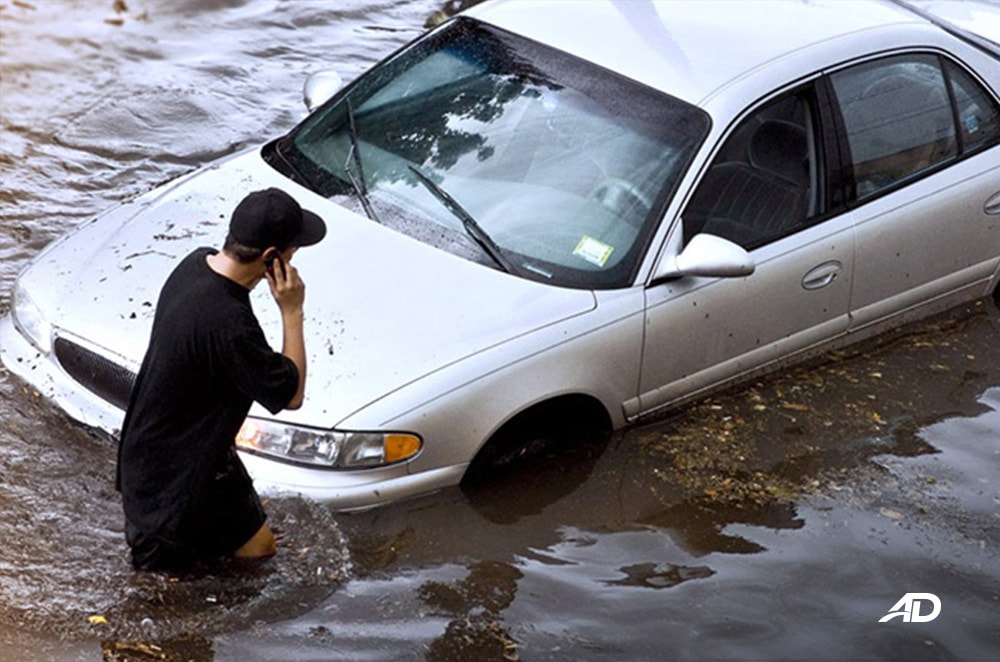
However, with prompt and proper handling, the extent of damage can be significantly limited. The article below will provide the necessary steps that drivers should take immediately when their vehicle encounters flooding.
Ensure your own safety.
In a situation where your car is submerged in water, the top priority should always be your own safety, not your car. You should absolutely not risk wading through water deeper than your knees to reach your vehicle, as the risk of slipping or injury is very high. Even a strong current only up to your ankles is powerful enough to cause you to lose your balance.
Therefore, avoid putting yourself in a dangerous situation; patiently wait until the water level recedes or rescue personnel arrive before approaching the vehicle.
Avoid causing further damage.
One of the most serious mistakes to make when a car is submerged in water is trying to restart the engine. If water has entered the cylinders, attempting to start the engine can cause significant mechanical damage, leading to enormous repair costs.
Instead, car owners should open the hood and disconnect the 12V battery, using dry gloves to reduce the risk of short circuits and protect the sensitive electronic systems. The danger is even higher in hybrid or electric vehicles (EVs) due to the high voltage systems involved. If the battery is submerged, absolutely do not attempt to handle it yourself as there is a risk of fire or explosion, especially when exposed to saltwater.
Assess the extent of the damage.
To assess the extent of damage after a car has been submerged in water, observing the traces of standing water is a crucial first step. Owners should thoroughly inspect both the exterior and interior, from the trunk, taillights, and headlights to the engine compartment after disconnecting the battery for safety. Water trails on seat surfaces, door panels, or floor mats can help determine the actual water level.
In particular, with modern cars, if water stains appear in the center console area, where many sophisticated electronic components are located, the risk of complete vehicle damage is very high, meaning high repair or replacement costs, possibly even exceeding the remaining value of the car.
Preserve all evidence.
One crucial step after a vehicle is submerged in water is to fully document the damage to use as a basis for insurance claims. Vehicle owners should take detailed photos or videos of the entire vehicle, especially the location and water level, from multiple angles to accurately reflect the extent of the damage.
Using a smartphone with a date and time display function will help ensure transparency in the claim process and prevent future disputes. Additionally, a detailed list of affected items, from the interior and electronic systems to the engine, should be compiled and provided to the insurance company and repair shop to ensure the vehicle owner's rights are fully protected.
Contact the insurance company.
After your car is flooded, contacting your insurance company immediately is crucial to ensure your rights are protected. Car owners should proactively review their policy to understand the coverage, as not all insurance plans cover flood damage.
During the process, it's essential to keep complete copies of all contact information, documents, and materials related to the claim file to avoid future disputes. Additionally, it's advisable to request a professional assessment from the insurance company or a reputable service center to accurately determine the extent of the vehicle damage, which will serve as the basis for calculating repair or compensation costs.
In summary, prevention is always the best solution to minimize risks when a vehicle is at risk of being flooded. Vehicle owners should regularly inspect and maintain seals and gaskets to ensure waterproofing, preventing water from entering the interior or engine.
If you live in a flood-prone area, purchasing comprehensive insurance is a necessary investment to minimize the financial burden when an incident occurs. In the event of a flood warning from the meteorological agency or local authorities, proactively move your vehicle to higher ground, a multi-story parking garage, or place it on a lift.
In particular, when driving in heavy rain, it is absolutely essential to avoid areas with deep flooding and to follow safety recommendations to protect your life.


