
Distinguishing between UAVs and suicide drones: A technological challenge for Israeli air defense.
Hezbollah's fiber optic-controlled suicide drones are posing a complex defense challenge for Israel thanks to their anti-jamming capabilities and ultra-small size.
In recent weeks, drone attacks in northern Israel using explosives, carried out by Hezbollah forces, have become a top security concern for the IDF. While Israeli air defense systems can easily intercept long-range UAVs from Iran or Yemen, drones operating from Lebanese territory present a completely different technological challenge.
The fundamental difference between UAVs and suicide drones.
Israeli aviation expert Aharon Lapidot has pointed out the core technical differences between the two types of vehicles. According to him, UAVs (unmanned aerial vehicles) are essentially miniature aircraft designed to operate continuously for days and capable of carrying reconnaissance systems or heavy weapons such as missiles.
UAV systems like the Eitan cost millions of dollars to produce. However, due to their large size and radio or wireless control mechanisms, they are easily detected by radar and susceptible to interference or jamming of airborne electronic warfare systems.
Fiber optic control technology: The ultimate weapon against interference.
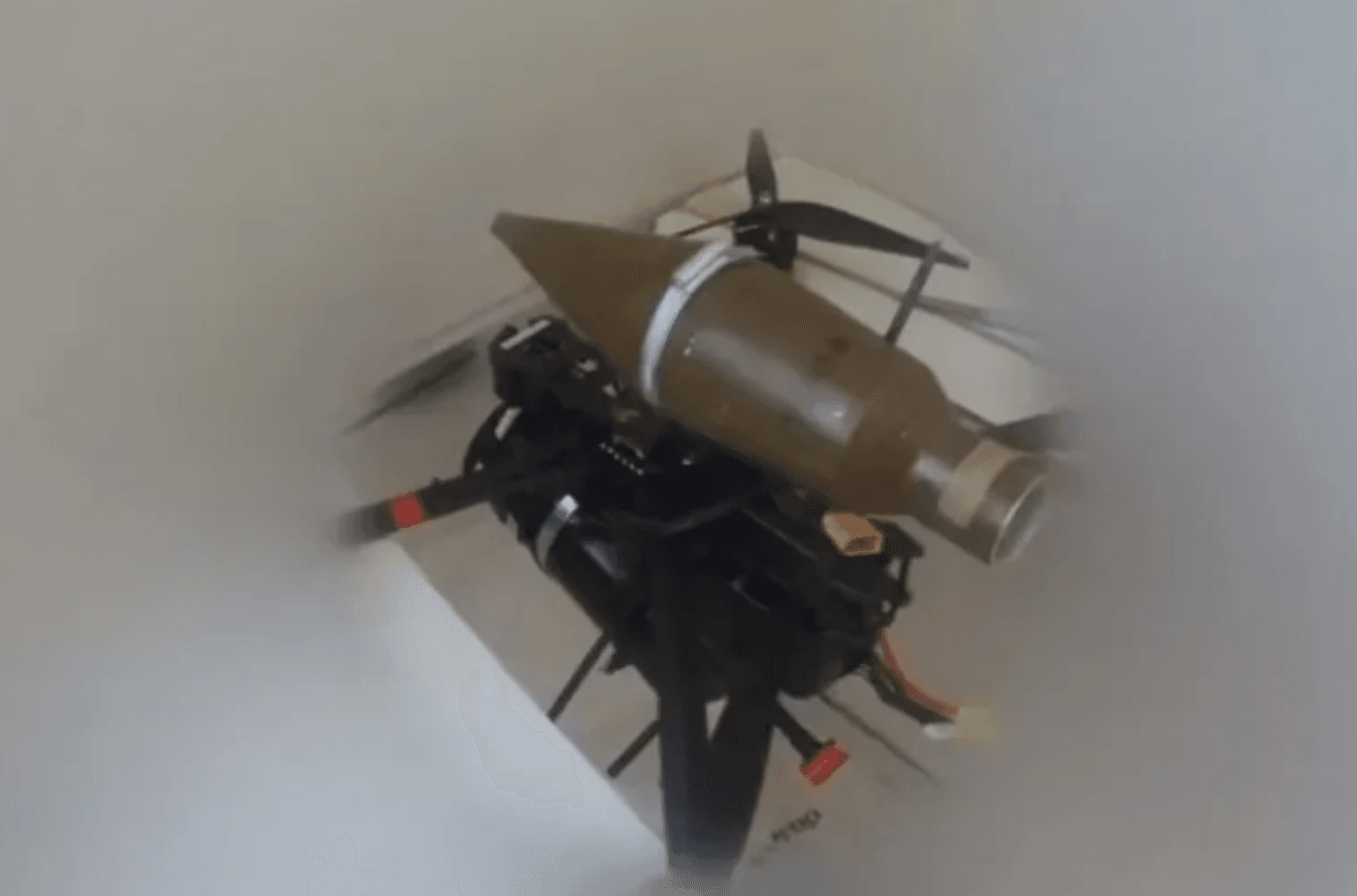
In contrast to UAVs, the explosive-laden drones (often FPV - First Person View) used by Hezbollah are small devices costing only a few hundred dollars, but are extremely difficult to counter. The most dangerous feature of this type of weapon is its fiber optic control mechanism.
"The explosives drone is controlled via fiber optic cable. This means there's no way to interfere with or jam it, as it doesn't transmit signals through the air," Lapidot explained. This is a direct physical connection between the operator and the drone, making it completely immune to typical Israeli electronic jamming measures.
However, this technology also has certain limitations:
- Operating range:The range is limited to a short distance, a maximum of approximately 5 km due to the length of the cable.
- Load capacity:Restrictions apply; typically, they can only carry 2-3 kg of explosives or surveillance cameras.
- Detection capability:Due to their extremely small size, they are almost invisible to standard radar systems and can mostly only be detected with the naked eye at close range.
Israel's response to the new threat
In response to the increasing damage in the border region, Prime Minister Benjamin Netanyahu announced on June 3rd the approval of an additional budget package worth 13 billion shekels (approximately $4.5 billion). This funding aims to strengthen defense capabilities and support recovery efforts in the northern region, particularly in communities within 9 km of the Lebanese border.
The Israeli government acknowledges that building more bunkers is only a temporary solution. Netanyahu asserted that Israel is focusing on mobilizing top domestic and international experts to find new technical methods to effectively intercept these micro-sabotage drones. This is considered an urgent national project to ensure security in the northern region amidst the ongoing conflict with Hezbollah.


