
Decentralizing the management of local markets to the commune level: The challenge of funding and operational capacity.
According to new regulations in Nghe An province, commune and ward authorities will directly manage local markets in their areas. This decentralization is expected to help resolve issues arising at the grassroots level more quickly and improve management efficiency. However, upon taking on this additional responsibility, many localities are facing numerous challenges regarding human resources, investment funding, and operational capacity.
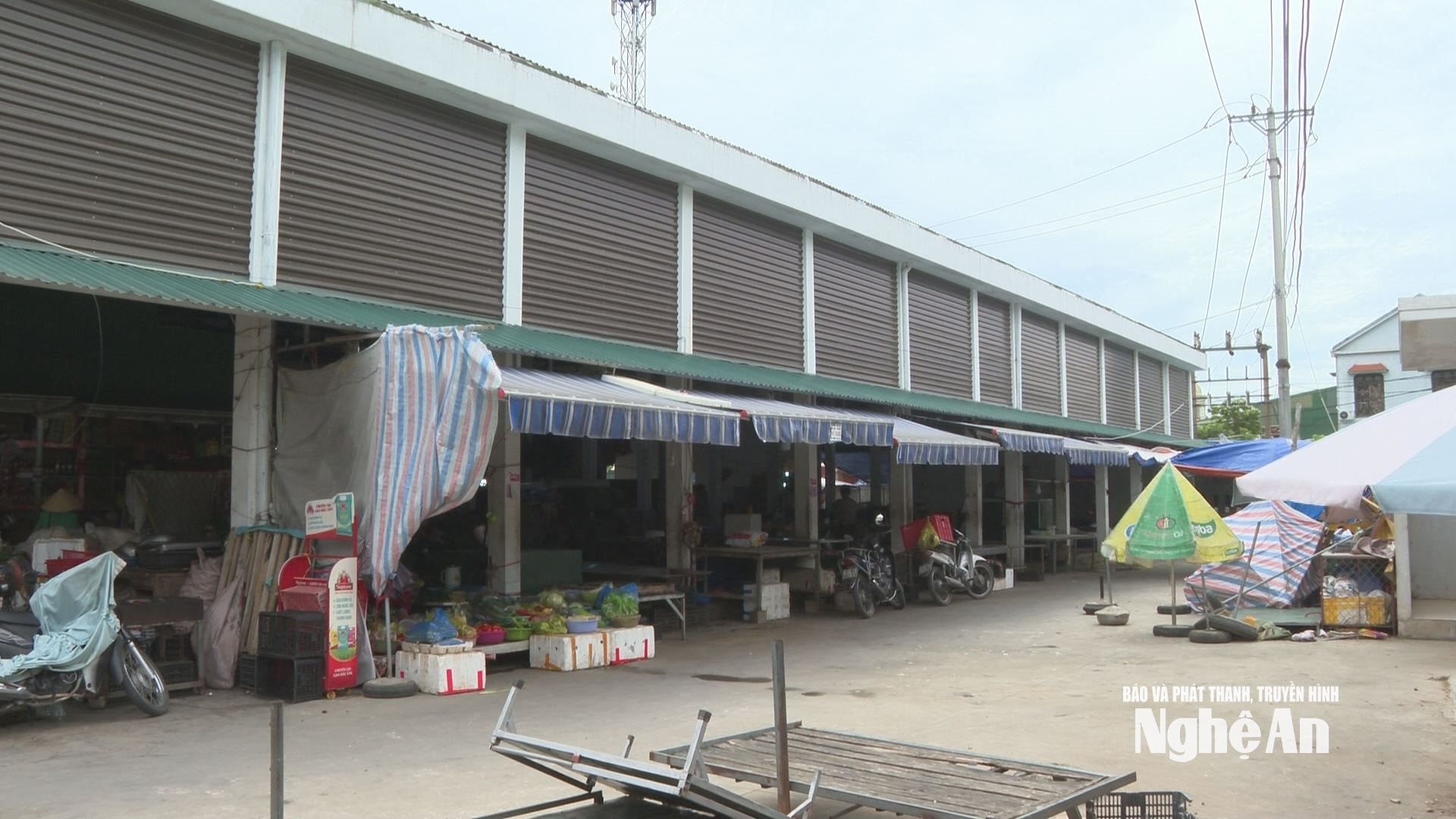
Despite strong decentralization, the old market still lacks investment resources.
Decision No. 29/2026/QD-UBND of Nghe An province stipulates new regulations on the development and management of markets in the area, strongly decentralizing the management of all local markets to commune and ward authorities; determining service fees for using sales points, organizing the transformation of market operation models, and handling spontaneous business points. According to the decision, the People's Committees of communes and wards are given greater authority in state management of market activities in their areas, including markets of categories 1, 2, and 3. Commune-level authorities are responsible for reviewing and publishing market classifications; managing and deciding on the transfer of market infrastructure assets under their management. Commune-level People's Committees also have the right to determine specific prices for services using sales space in markets invested with state capital, in accordance with the local situation; and proactively allocate budget or propose support from higher levels for investment, upgrading, and maintenance of markets.
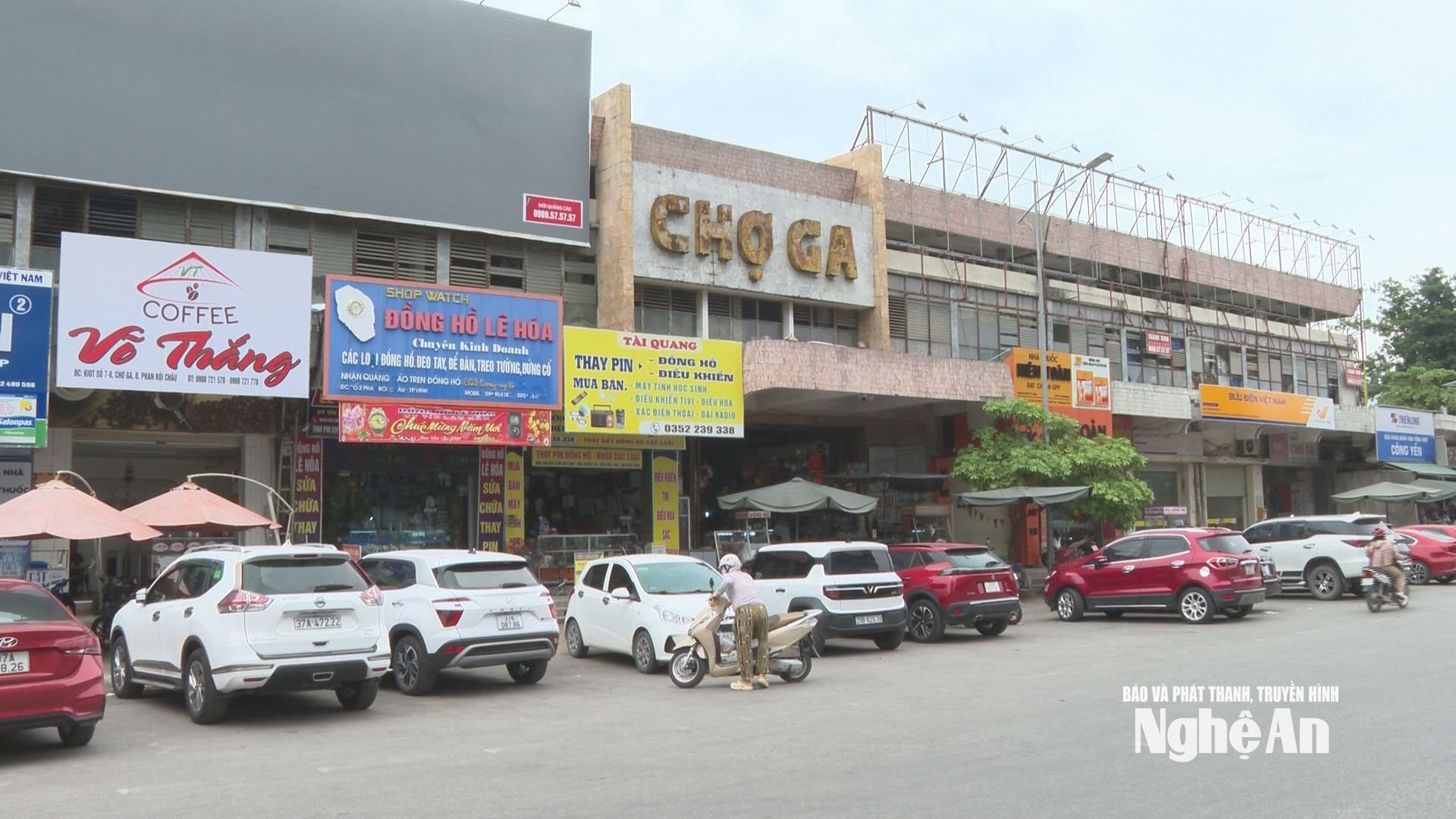
Like Vinh Train Station Market, one of the central markets in Vinh Hung ward with over 600 business households. Despite its important role as a trading hub, this market has existed for over 30 years and is currently in serious disrepair, yet funding for repairs and upgrades has not been allocated. Mr. Phan Thanh Huan, Head of the Vinh Train Station Market Management Board, said that the small traders at Vinh Train Station Market mainly sell wholesale, but are now facing difficulties competing with online sales services. Meanwhile, the management board faces numerous other difficulties, including the market's severe deterioration and damage after the 2025 storms and floods, with no budget allocated for repairs. In addition, there are concerns about fire safety, and insufficient revenue to cover expenses, only enough to pay basic salaries for market management staff…
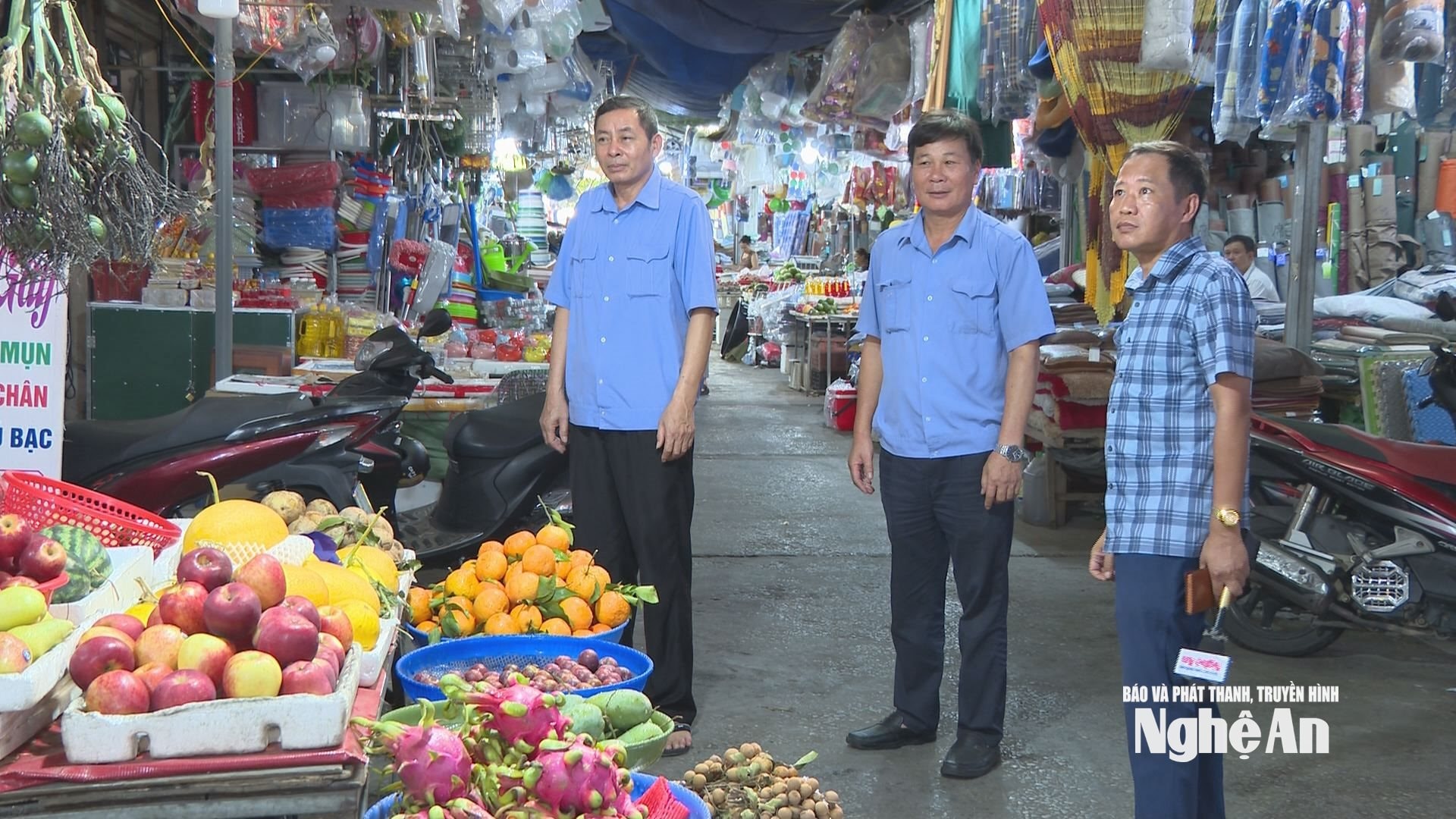
Due to a shortage of manpower, management pressure falls on the commune level.
The decentralization is expected to shorten the intermediate steps, allowing issues arising at markets to be handled more quickly at the grassroots level. However, upon assuming the new responsibilities, many localities are facing considerable difficulties in terms of organizational structure and human resources. Most markets were handed over in their original state after mergers, while there is a shortage of specialized management personnel.
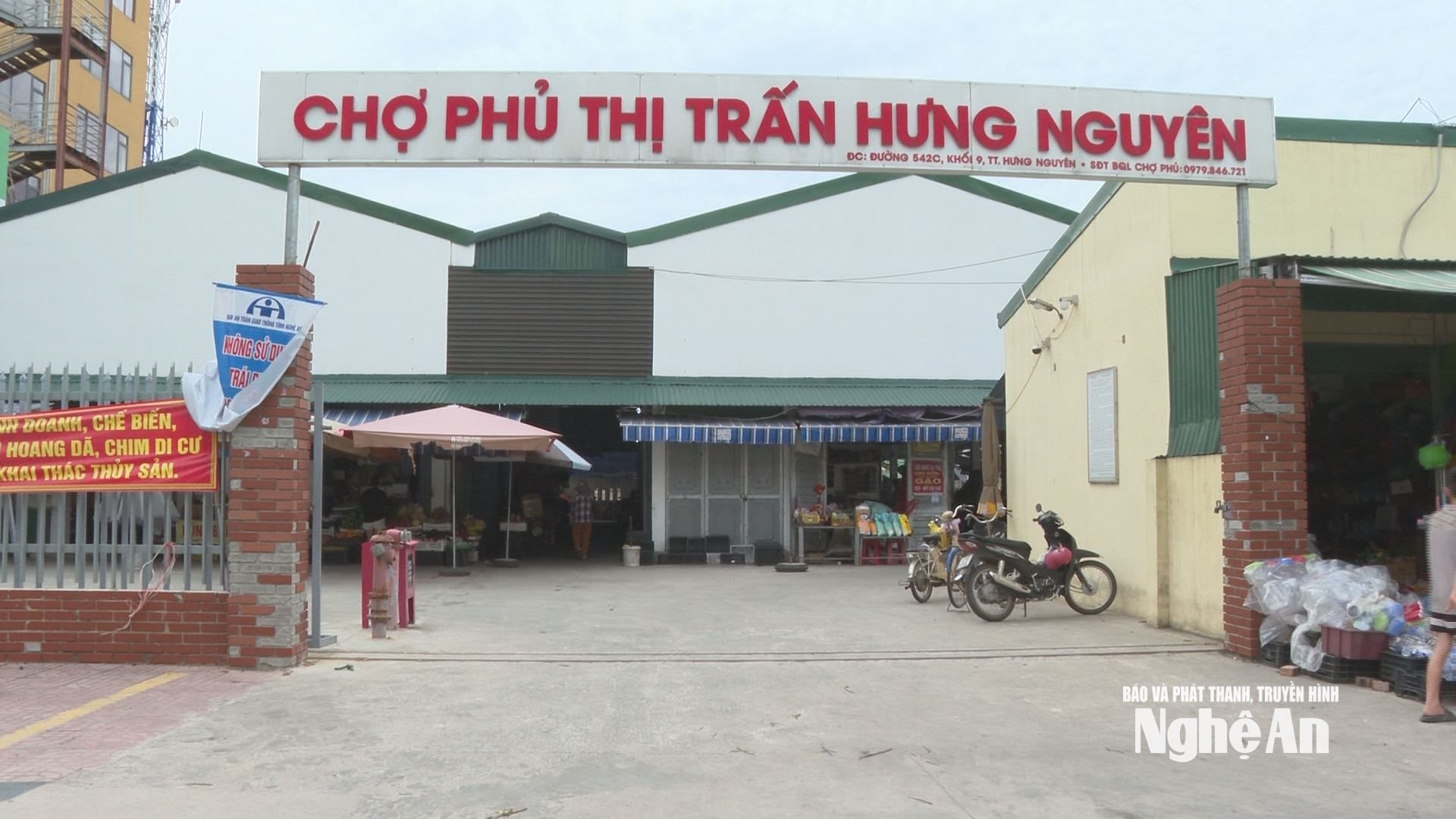
In Hung Nguyen commune, there are three markets: Phu Market, Lo Market, and Gia Market, with nearly 100 households engaged in business. According to Ms. Phan Thi Thuy An, Deputy Head of the Commune's Economic Department,The large workload coupled with a limited number of staff makes managing the markets very difficult. The local authorities are studying options for transferring management to the Project Management Board or the Public Service Center of the commune, but they still face obstacles in terms of human resources and professional expertise.

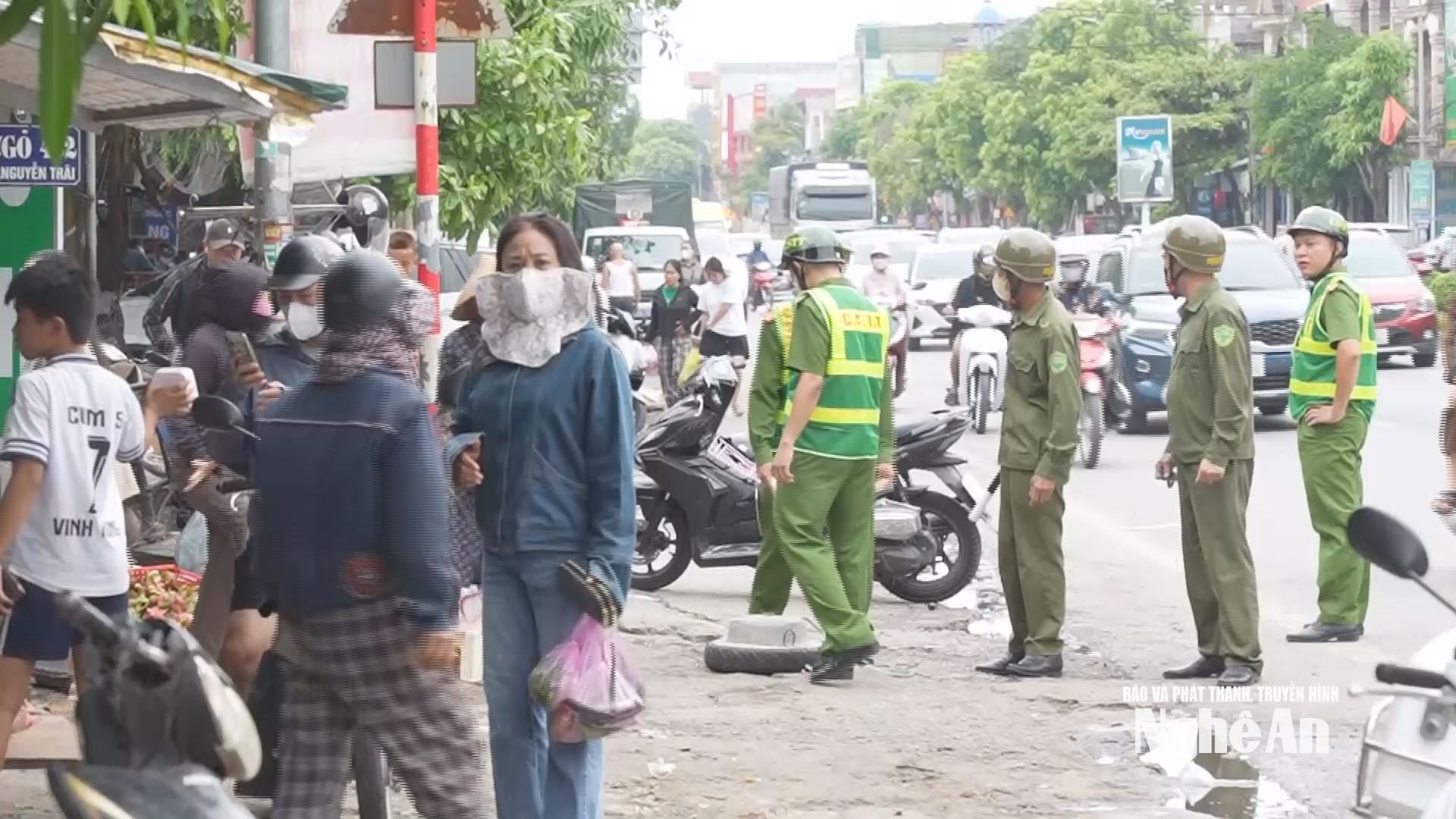
One of the most challenging tasks for local authorities in managing local markets today is dealing with unauthorized business locations. According to new regulations, local governments must develop specific plans and timelines; coordinate with the police and market management forces to handle violations; and provide support and suitable locations for people to conduct business in official markets. However, this is not an easy task as it directly affects people's livelihoods and requires a high level of consensus.
In addition, conflicts arising at the market such as stall rental prices, disputes over business locations, environmental hygiene, or fire safety requirements will also be directly resolved by the local authorities… Mr. Nguyen Manh Cuong - Deputy Head of the Economic, Infrastructure and Urban Planning Department of Vinh Phu Ward, said.Since May 30th, the semi-professional task force has ceased operations, causing significant difficulties in managing urban order in the area. Currently, the ward is developing a plan to deploy a replacement force to address the issue of illegal markets, temporary markets, and market gathering points encroaching on sidewalks and roads.
In reality, decentralizing market management is a suitable policy aimed at enhancing the proactive role of local authorities. However, for this policy to be implemented effectively, delegation of authority must be accompanied by ensuring the necessary resources. Besides a clear decentralization mechanism, localities need support in terms of specialized personnel, investment funding, and professional guidance. Only then will communes be adequately equipped to effectively manage local markets, meeting the demands of commercial development and urban management in the new era.


