
Waste sorting at source - a regulation that remains 'on paper'?
From January 1st, 2025, the 2020 Environmental Protection Law officially imposes penalties for the failure to sort household waste. However, after more than a year of implementation, in many large cities, including the former Vinh City area in Nghe An province, this regulation seems to be "stuck" between the written document and the enforcement process.
New rules, old habits
According to the 2020 Environmental Protection Law and guiding documents from the Ministry of Natural Resources and Environment, sorting household solid waste at source has officially become a mandatory obligation for all individuals and households since the beginning of 2025. Accordingly, household solid waste generated from daily activities must be separated into three groups: waste that can be reused or recycled; food waste; and other household waste.
To ensure strict enforcement and promote self-awareness, Decree No. 45/2022/ND-CP has issued a specific framework for administrative penalties. For the act of failing to sort solid waste or not using the correct waste containers, individuals and households may be fined from VND 500,000 to VND 1,000,000.
Furthermore, to put the policy into practice, the law has "empowered" waste collection and transportation units. Specifically, these facilities have the right to refuse to accept waste from households and individuals who do not sort their waste, and to report the matter to the competent authorities for documentation and handling according to current regulations.
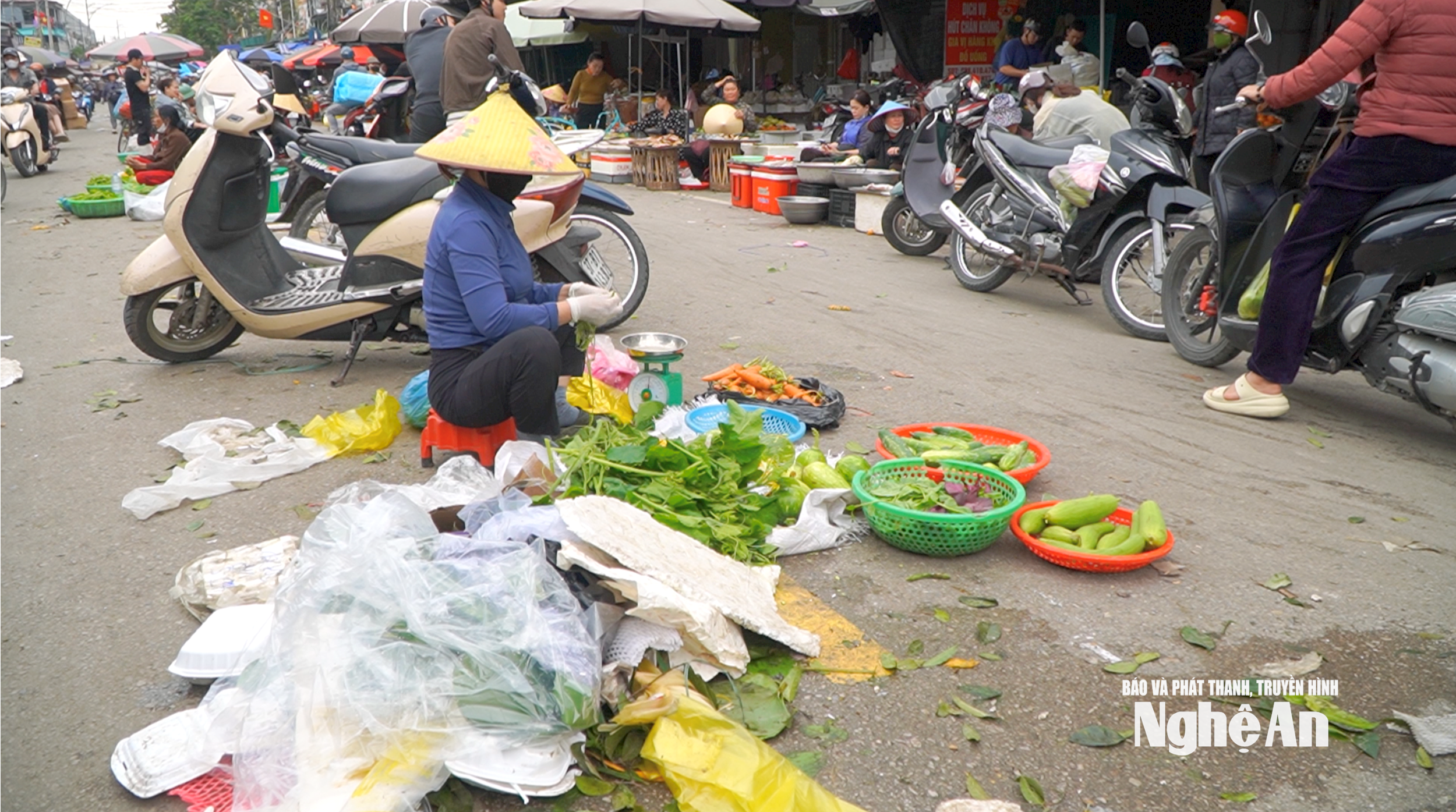
However, in urban residential areas and traditional markets in the former Vinh City area – considered a "hot spot" for household waste – sorting at source is still not being seriously implemented. Instead of being scientifically separated according to new regulations, plastic bags still serve as a common container for all kinds of mixed waste. This situation stems from the fact that many people are still unclear about the current regulations, leading to a reluctance to change and the continuation of the "dispose of waste wherever is convenient" lifestyle.
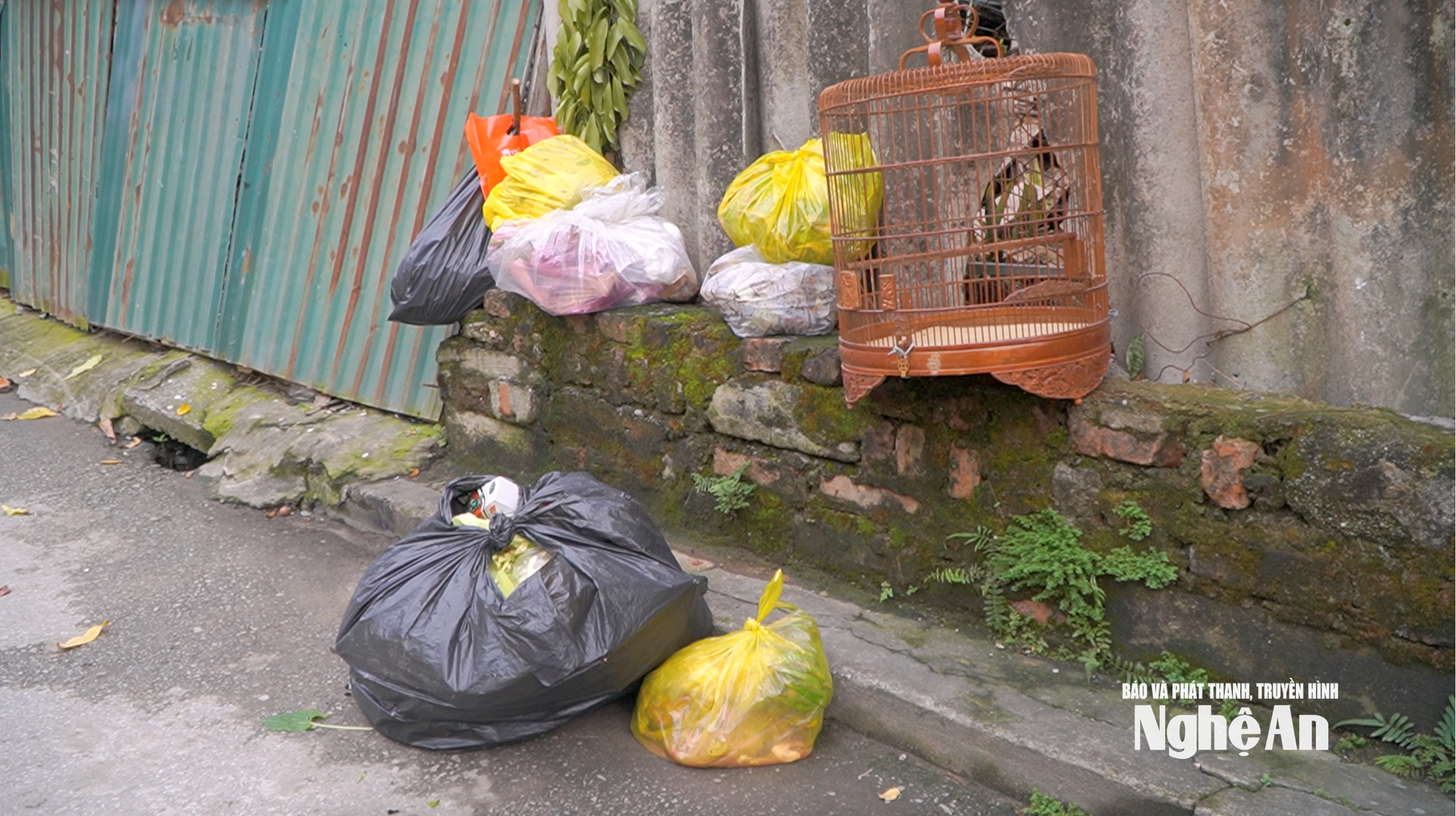
This contrast has exposed a worrying gap between policy and implementation. With new regulations failing to reach people's lives and routines remaining ingrained, all the pressure ultimately falls on the shoulders of the workers, making the already arduous task of waste collection even more risky.
Infrastructure Paradox
Attributing responsibility solely to people's awareness is a one-sided and unfair perspective. In some residential areas, households have developed the habit of sorting and proactively separating household waste at the source. The question is: after being carefully sorted, what process will be used to collect and process that waste?
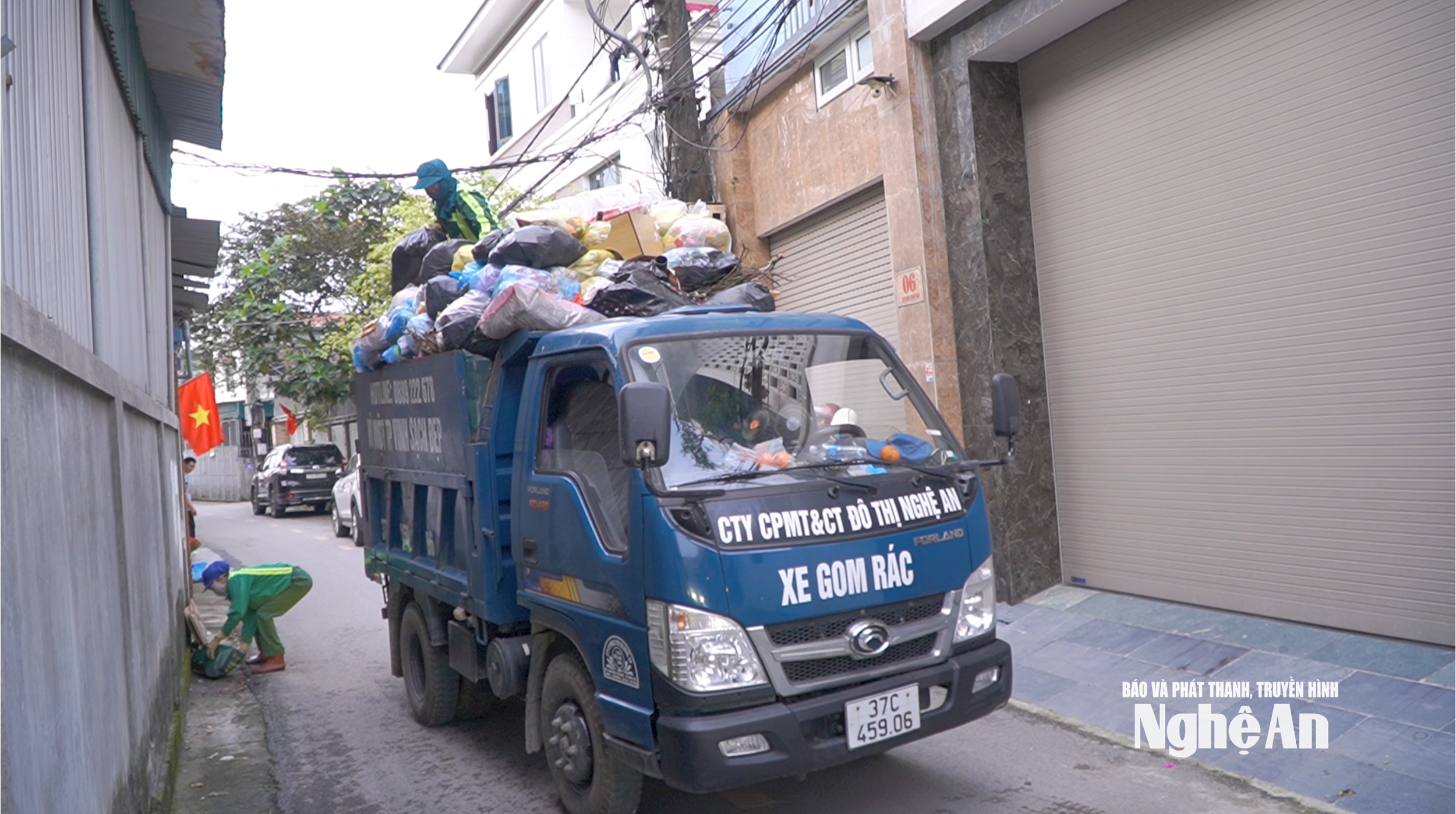
This is where the paradox of the system becomes most apparent. People may separate their waste into individual bags, but when the collection truck arrives, it's all dumped together in one container, transported by specialized garbage trucks, and ultimately disposed of through landfilling as before. This renders the efforts of many pioneers meaningless, even causing disappointment and skepticism.
The key issue in the province in general, and the urban area of Vinh City (formerly) in particular, is the lack of synchronized infrastructure. Post-sorting treatment facilities are very fragmented, mainly relying on landfilling, and lack modern recycling lines. Furthermore, the equipment is still rudimentary; garbage trucks lack partitions or separate collection schedules, thus failing to meet technical requirements.
Mr. Pham Huu Thang – Head of the Administrative and Organizational Department,
Nghe An Urban Environment and Construction Joint Stock Company
A synchronized "revolution" is needed.
To prevent the Environmental Protection Law from being rendered ineffective and becoming a dry administrative order on paper, regulations on waste sorting at source need to be concretized with comprehensive solutions starting from the grassroots level. For Nghe An province, this requirement is becoming increasingly urgent, demanding a holistic approach, rather than merely appealing to raise awareness.
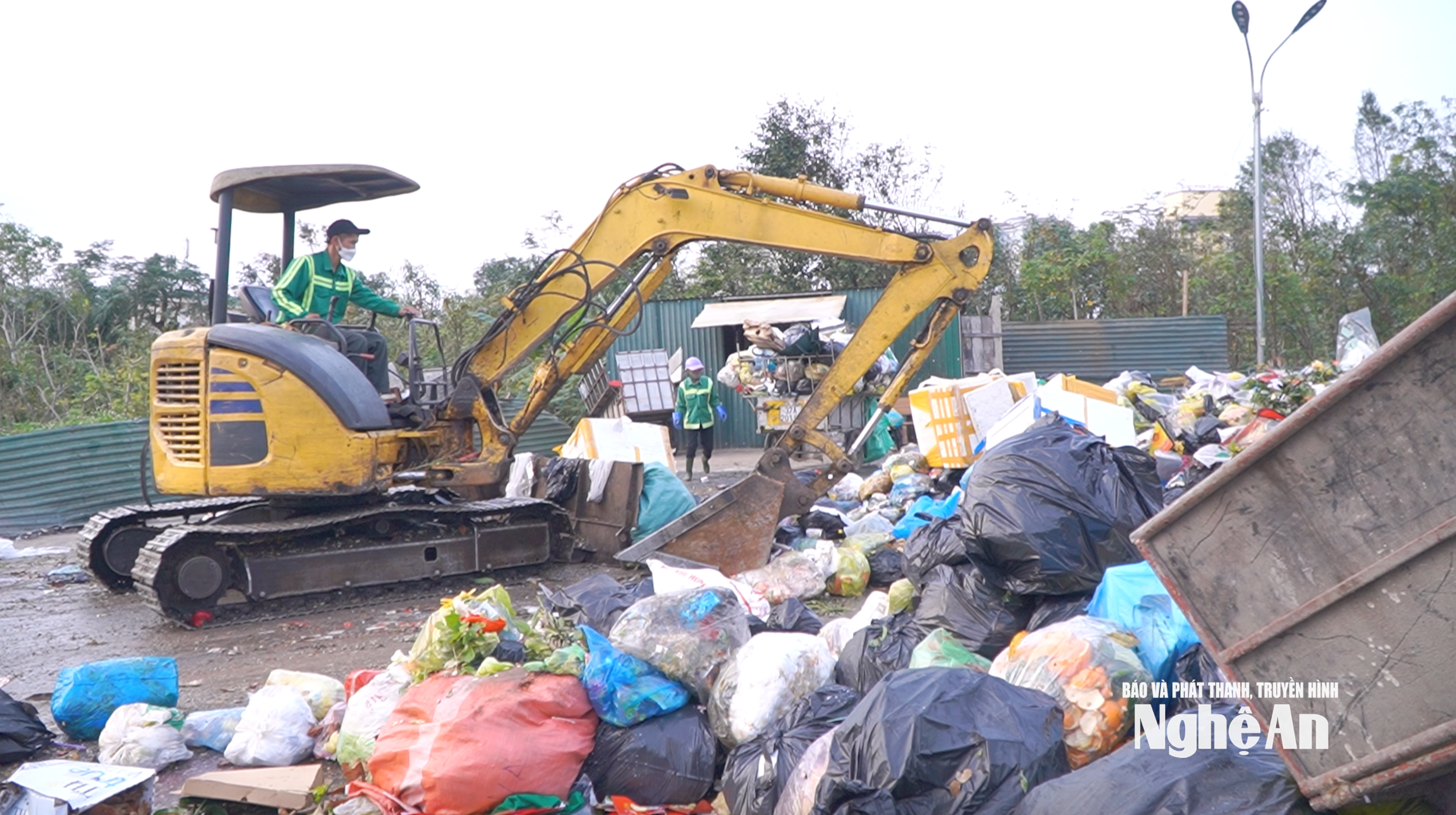
Regarding the current obstacles, Mr. Thai Van Hung – Deputy Head of the Economic, Infrastructure and Urban Planning Department of Vinh Phu Ward, said: “Despite facing many difficulties and shortcomings, the locality always considers waste sorting and treatment as a key and continuous task. In the coming time, in addition to campaigning, the ward will focus on tightening discipline, controlling violations, and at the same time, request the higher authorities to soon invest in technical infrastructure and specialized equipment to ensure that the collection and transportation process is implemented synchronously.”
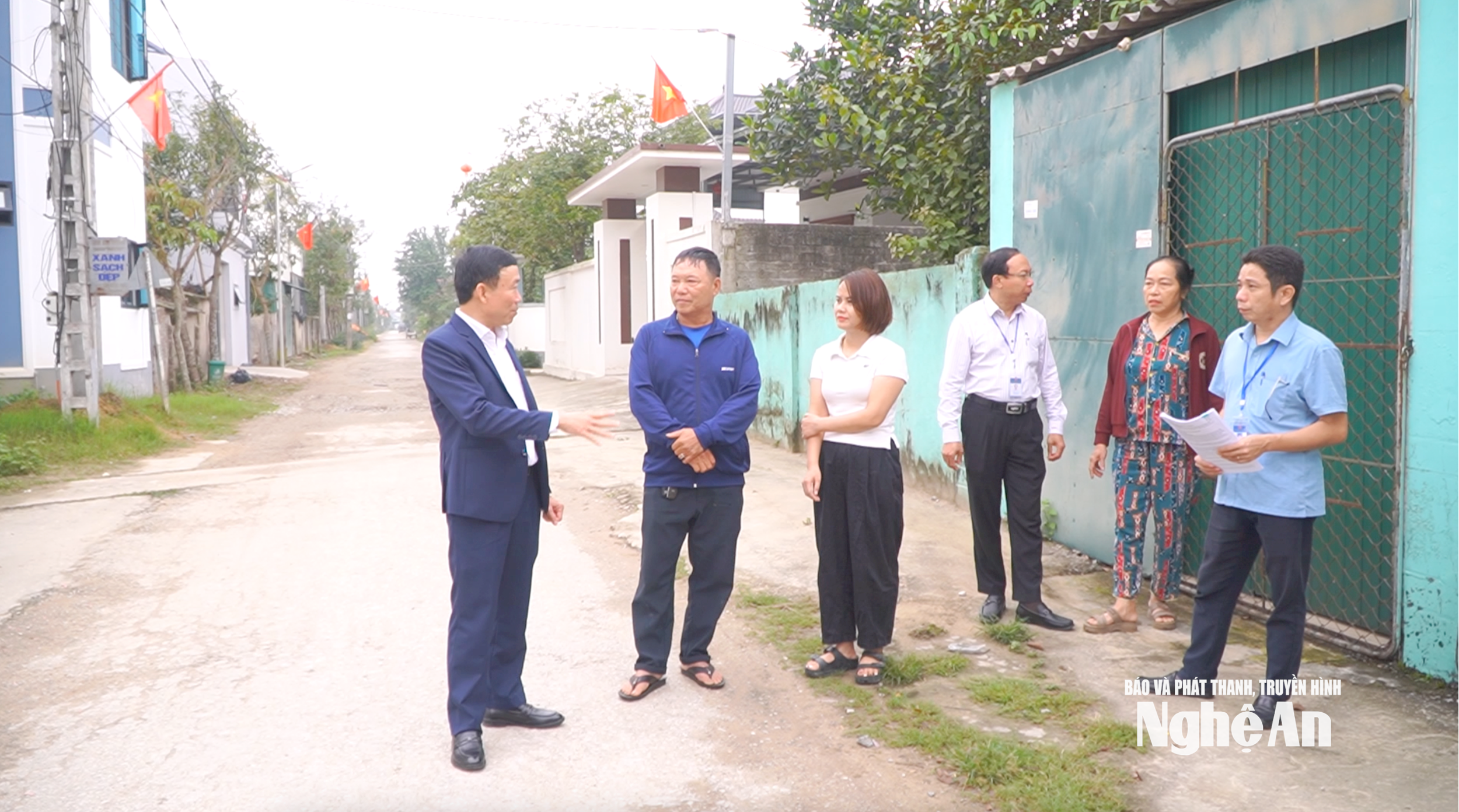
Based on practical implementation, Mr. Pham Huu Thang – Head of the Administrative and Organizational Department of Nghe An Urban Environment and Construction Joint Stock Company – frankly stated that, first and foremost, businesses need to proactively standardize their equipment and invest in specialized systems to be compatible with each type of waste after sorting. However, the most fundamental solution remains the involvement of the government in planning land for the construction of standardized transfer stations, accompanied by economic policies and the application of digital technology to enhance monitoring.
Therefore, more than ever, waste sorting at source needs to be properly positioned as a sustainable development task, rather than merely a formal administrative requirement. When the efforts of the people are "supported" by a synchronized processing system, that is when change is affirmed in a substantive and sustainable way within the community.


