
Analysis of satellite imagery reveals China's expansion of nuclear production infrastructure.
Commercial satellite imagery analysis reveals that China is upgrading and expanding numerous facilities for producing nuclear warhead components, reflecting an effort to modernize its strategic deterrence capabilities.
China is expanding several facilities related to nuclear weapons production, according to recent satellite imagery analysis and international research reports. This data reveals a significant shift in the country's nuclear defense industrial infrastructure over the past few years.
According to an analysis published in The Washington Post based on commercial satellite imagery and assessments by arms control experts, China has upgraded and expanded numerous facilities believed to be involved in the production of critical components for nuclear warheads. These activities include the construction of new factories, renovations to existing structures, and expansion of supporting infrastructure.
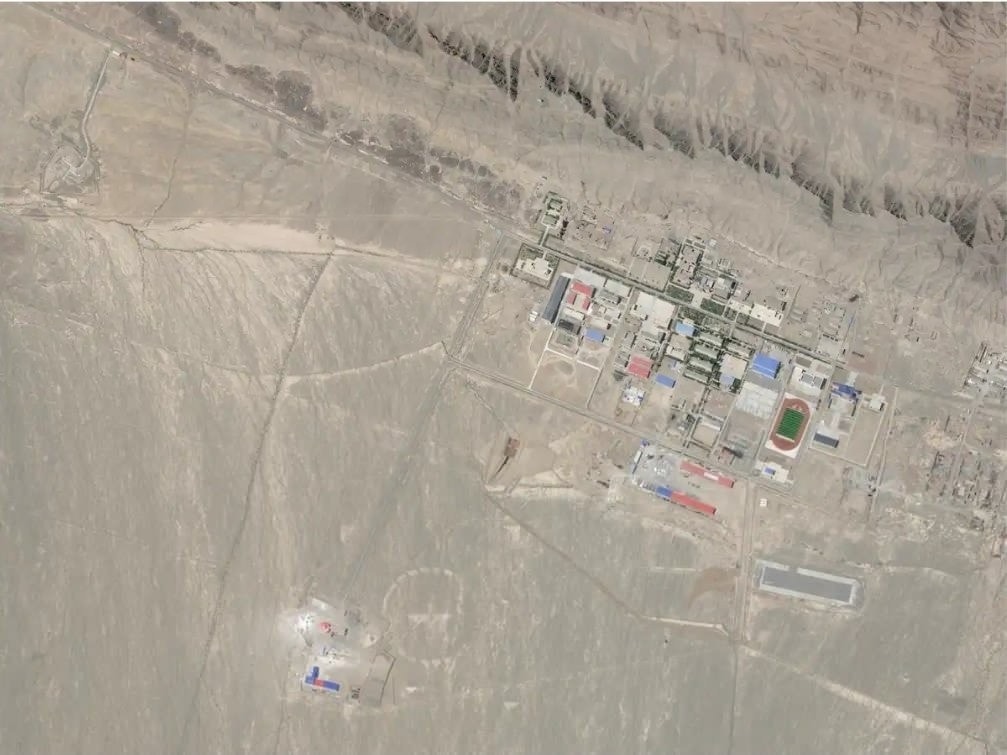
Several locations in Sichuan province were mentioned in the analyses, with images showing construction activity that has been ongoing for many years. Experts suggest that these changes reflect increased capacity or modernization of production lines, consistent with the requirements for maintaining and developing nuclear capabilities in the long term.
The investment process is continuous and accelerating.
Available data suggests that the expansion was not abrupt but continuous, beginning around 2019 and accelerating significantly after 2021. This sustained investment indicates that nuclear production infrastructure is playing a crucial role in China's defense industrial structure.
Currently, China's nuclear arsenal is estimated to be several hundred warheads. This number is lower than that of the United States and Russia, but international defense reports suggest that China is progressively expanding and modernizing its nuclear forces. Increasing production capacity is considered a necessary condition to meet these goals.
Alongside expanding its production infrastructure, China is also noted to be continuing to develop nuclear delivery systems, including silo-based intercontinental ballistic missiles, land-based mobile systems, and ballistic missile submarines. The simultaneous development of warheads and delivery systems reflects a comprehensive approach to strategic deterrence capabilities.
Perspectives from international reports and nuclear policy.
Public reports from the U.S. Department of Defense in recent years have also mentioned China's construction of new missile launch silos and upgrades to its command and control systems. These assessments provide further context for monitoring the development of China's nuclear capabilities.
In terms of policy, China has repeatedly stated its commitment to maintaining a minimal nuclear deterrence strategy and pledges not to use nuclear weapons first. Official statements from Beijing assert that its nuclear program is defensive and aims to ensure national security in the current strategic environment.
From a technical and management perspective, experts believe that expanding production infrastructure is not only about increasing the number of warheads, but also about maintaining, upgrading, and ensuring the safety of existing weapons stockpiles. Given the need to replace or modernize older systems, investing in production infrastructure is seen as a long-term strategy.
Internationally, research organizations and government agencies continue to use commercial satellite imagery and open-source data to monitor changes in the nuclear field. This approach allows for the provision of additional information for strategic military operations, although certain limitations remain regarding the ability to independently verify the data.


