
Analysis of Russia's multi-pronged attack on HMMWV vehicles.
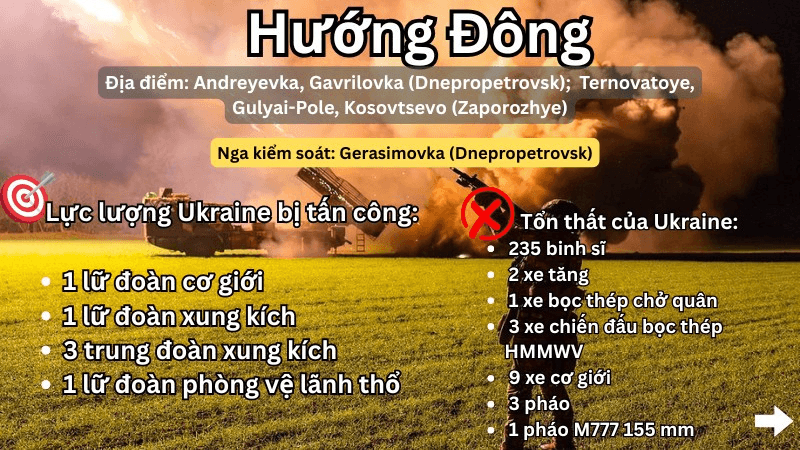
The Russian Ministry of Defense stated that the attacks on December 17, 2025, destroyed eight HMMWV vehicles, 11 ammunition depots, and two supply depots in Ukraine, with the participation of UAVs and firepower from multiple directions.
The Russian Ministry of Defense announced on December 17, 2025, that Russian forces had launched multi-pronged attacks, inflicting significant damage on the Ukrainian army, destroying 8 HMMWV vehicles, 11 ammunition depots, and 2 supply depots, as well as causing losses in personnel and armored vehicles.
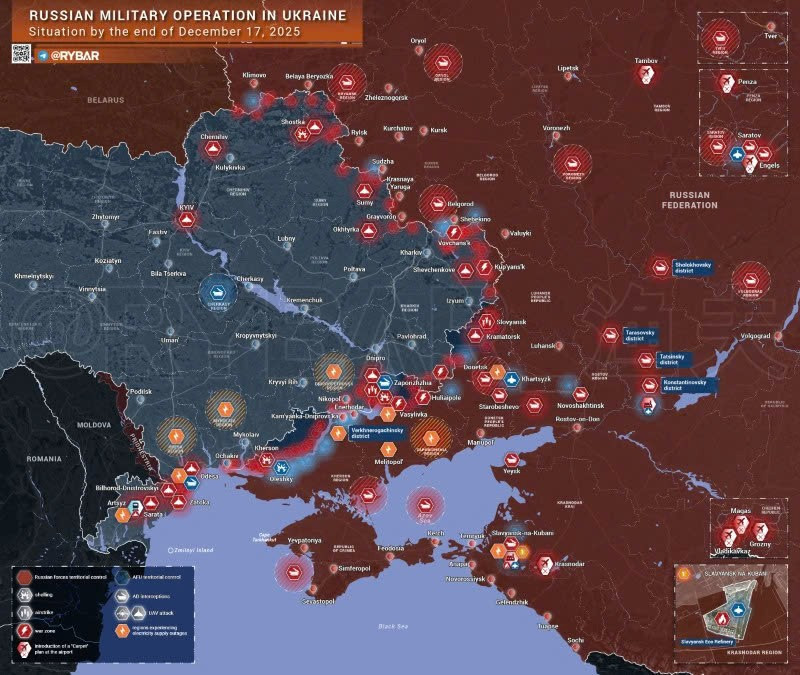
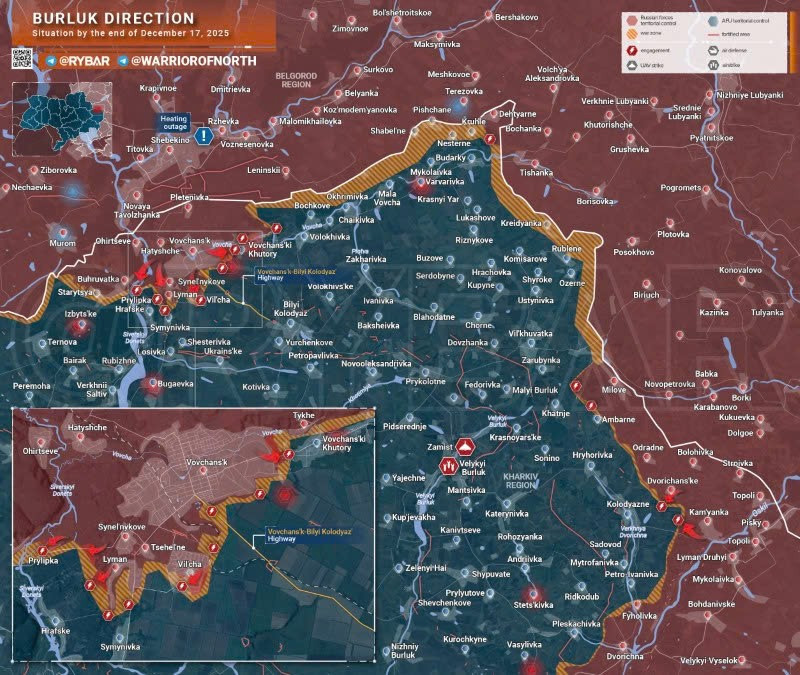
According to published information, the attacks utilized various types of firepower and equipment, including the participation of Russian drones striking a series of targets on the battlefield. The battle map shows combat operations in multiple areas, including the Burluk direction.
Overview of events on December 17, 2025
According to a statement from the Russian Ministry of Defense, on December 17, Russian forces concentrated their attacks on Ukrainian personnel, armored vehicles, and ammunition and supply depots. The targets were described as being spread across a wide area, reflecting a multi-directional and diverse range of targets.
The information states that 8 HMMWV vehicles, 11 ammunition depots, and 2 supply depots belonging to Ukraine were destroyed. In addition, ammunition and supply depots within the logistical support system were also attacked, targeting the combat readiness of Ukrainian forces in the region.
Technical aspects of the targets under attack
The role of HMMWV vehicles on the battlefield.
The HMMWV, as stated in the announcement, is a multi-purpose military vehicle, commonly used for troop mobility, equipment transport, or as a platform for light weapon systems, depending on the configuration. The destruction of eight HMMWVs, if accurate, indicates that the attacks have directly impacted Ukraine's unit-level mobility and battlefield support capabilities in the area.
Compared to conventional military trucks, HMMWV-type vehicles are generally more versatile and capable of performing multiple roles, making them a preferred target in mobile warfare operations, a development consistent with modern combat practices.
Ammunition depots and supply depots in the logistics system.
According to the announcement, 11 ammunition depots and 2 supply depots in Ukraine were among the targets destroyed. Ammunition depots are crucial links in the fire support chain, from tactical to operational levels. Including ammunition depots on the target list indicates a focus of the attack on the enemy's ability to maintain a sustained rate of fire.
Supply depots are storage facilities for fuel, spare parts, technical equipment, or other logistical supplies. Attacks on these locations not only cause direct material losses but can also disrupt the supply chain, putting pressure on the logistical support and equipment repair networks in the combat zone.
Russian drones during the attacks.
The source stated that Russian drones attacked a series of targets on the battlefield. The use of UAVs for attack is consistent with the general trend of current conflicts, where these systems are utilized for reconnaissance, target designation, and precision strikes.
UAVs help shorten the time from target detection to destruction, especially for high-value targets such as ammunition depots, supply warehouses, or mobile vehicle clusters. At the same time, the use of UAVs reduces the risk to the crew compared to manned attack vehicles.
Multi-directional attack tactics and target selection
The phrase "multi-directional attack," in the context of the released information, reflects a strategy of organizing firepower along multiple axes, simultaneously targeting enemy personnel, armored vehicles, and supply depots. This approach puts pressure on the command and control capabilities of both air defense and ground defense, as well as dispersing their resources.
Combining attacks on ammunition and supply depots with mobile vehicles like HMMWVs demonstrates an approach that targets both logistics and forces currently or potentially engaged in combat. Theoretically, when the supply chain is disrupted while mobile vehicles also suffer losses, the unit's ability to maintain combat intensity is significantly affected.
Assess the tactical impact of the released information.
Based on figures released by the Russian Ministry of Defense, it appears that the focus of operations on December 17, 2025, was on logistical and technical targets (ammunition depots, supply depots) combined with mobile combat vehicles (HMMWVs) and personnel, as well as armored vehicles. If the casualty figures accurately reflect the situation on the ground, tactically, this type of attack aims to wear down the enemy's ability to sustain combat in a specific area.
Attacks on ammunition and supply depots can force defenders to adjust their supply lines, disperse their stockpiles, or push them further away from the front lines, thereby prolonging transport routes and slowing down the rate of resupply. Meanwhile, the loss of mobile vehicles such as HMMWVs reduces the ability to quickly maneuver, reinforce, or withdraw forces in a timely manner from the combat zone.
The deployment of drones for attacks on a wide variety of targets demonstrates the increasing role of UAVs in modern warfare. Combining UAVs with ground fire or other attack vehicles allows the attacking side greater flexibility in target selection, while also increasing the ability to launch surprise attacks on weak points in the enemy's logistics and command systems.
Amidst the ongoing and complex conflict in Ukraine, attacks like those described by the Russian Ministry of Defense on December 17, 2025, indicate a preference for targeting logistics, depots, and mobile equipment, in addition to direct combat targets on the front lines.


