
Analysis of the Ukrainian UAV attack that destroyed radar and MiG-31s in Crimea.
According to the Ukrainian side, long-range UAVs from the SBU attacked Belbek airfield in Crimea, destroying Nebo-SVU and 92N6 radars, Pantsir-S2 systems, and MiG-31 fighter jets on the night of December 17-18.
According to the Ukrainian Security Service (SBU), during the night of December 17th and early morning of December 18th, long-range drones operated by the Alpha Task Force attacked the Belbek military airfield in Crimea, destroying several key Russian air defense systems. The SBU stated that the targets included two Nebo-SVU radars, one 92N6 radar belonging to the S-400 Triumph system, a Pantsir-S2 air defense system, and a MiG-31 fighter jet, with an estimated total value of hundreds of millions of dollars. Russia has not yet commented on this information.
Overview of the UAV attack on Belbek airport.
The SBU stated that long-range UAVs were used to attack Russian air defense targets at the Belbek military airfield in Crimea. This operation, conducted by the SBU's Alpha Task Force, focused on key components of the Russian air defense network in the region.
According to the SBU, the list of targets includes two Nebo-SVU long-range radar systems, each estimated by Ukraine to be worth between $60 and $100 million; a 92N6 radar – a component of the S-400 Triumph air defense missile system – worth approximately $30 million; a Pantsir-S2 anti-aircraft gun-missile system worth between $12 and $19 million; and a MiG-31 interceptor fighter with an estimated price of between $30 and $50 million.
The SBU assessed that these attacks had “significantly weakened” Russia’s multi-layered defense capabilities in Crimea, as the targets struck were critical links in the air defense system. According to the SBU, this was part of an ongoing campaign to destroy Russian military infrastructure, thereby weakening Moscow’s defensive capabilities toward Crimea.
The value and role of the targets being attacked.
Information released by the SBU indicates that the attack focused on several different layers of the air defense network: long-range surveillance radar (Nebo-SVU), fire control radar of the S-400 system (92N6), short- and medium-range air defense system (Pantsir-S2), and MiG-31 interceptor fighters.
Economically speaking, the two Nebo-SVU radars alone are estimated to be worth between $120 and $200 million, according to the Ukrainian side. Adding the 92N6 radar, the Pantsir-S2 system, and the MiG-31 fighter jets, the value of the destroyed equipment, according to the figures provided by the SBU, amounts to hundreds of millions of dollars.
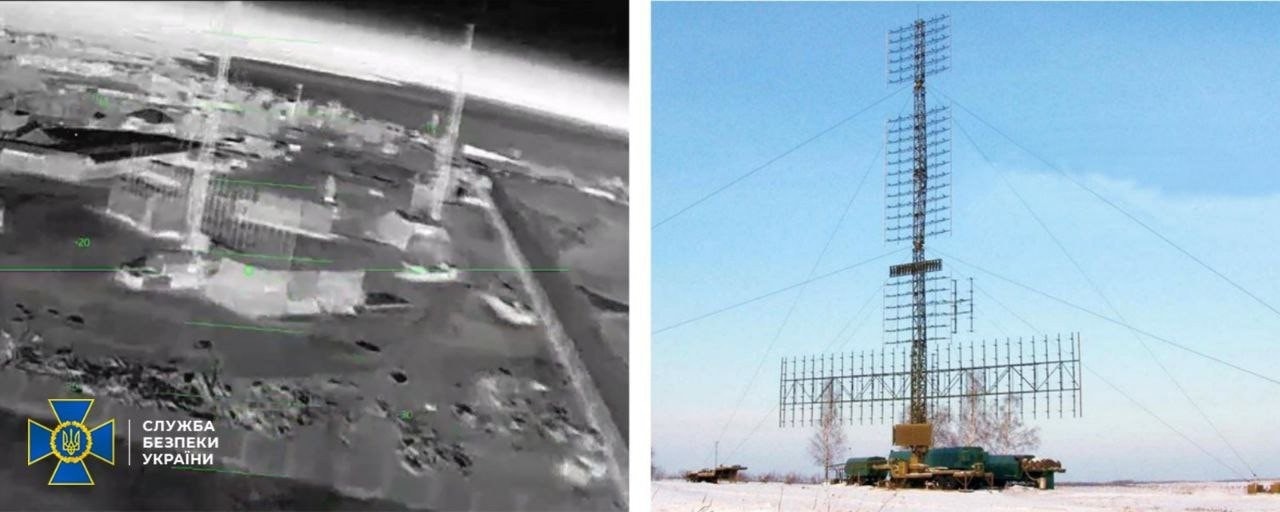
Nebo-SVU Radar: A pillar of long-range surveillance.
Nebo-SVU (also known as 1L119) is described by the SBU as a high-frequency multi-function radar and the first radar to utilize an active electronically scanned array (AESA) antenna operating at metric wavelengths. The system is designed for airspace control, detection, coordinate determination, and tracking of airborne targets.
The Nebo-SVU radar's target categories include fighter jets, ballistic missiles, stealth aircraft, drones, and hypersonic cruise missiles. This radar also integrates friend-or-foe identification (IFF) capabilities and detection of active electronic warfare (ECM) activity by the enemy.
According to the information cited, the Nebo-SVU can simultaneously track more than 100 airborne targets. Given this capability, the loss of two of these radars, if confirmed, would directly impact the long-range surveillance and early warning capabilities of the regional air defense network.
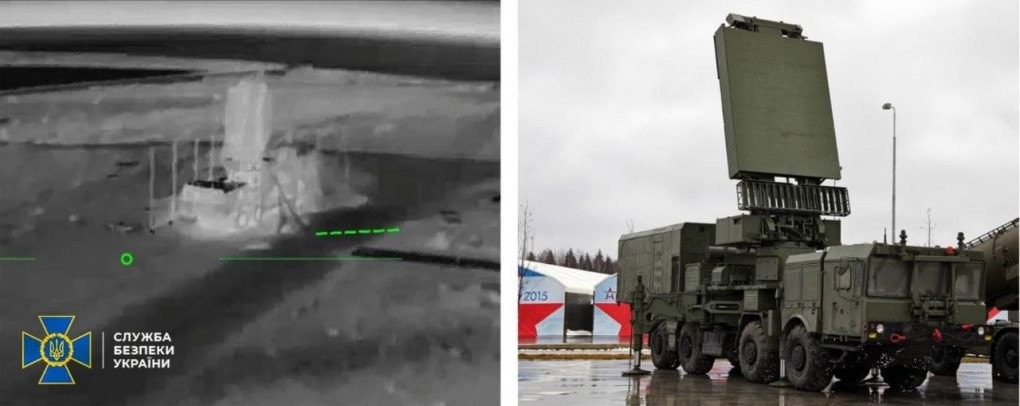
The 92N6 radar in the S-400 system structure.
The 92N6 radar is presented as an advanced mobile radar system developed by the Russian National Research Institute for Long-Range Radio Communications (NIIDAR). It is a key component in the S-400 Triumf air defense missile system.
The primary role of the 92N6 is to identify, track, and guide interceptor missiles to counter multiple airborne threats simultaneously. According to available information, the 92N6 radar is capable of tracking up to 100 targets simultaneously, while also guiding multiple priority interceptor missiles to critical targets.
The system provides a 360-degree observation area, allowing for airspace monitoring over a vast region, from low-flying targets to high-speed ballistic missiles. Therefore, if the 92N6 radar is destroyed as Ukraine claims, the combat capability of the S-400 system deployed in the affected area would be significantly compromised.
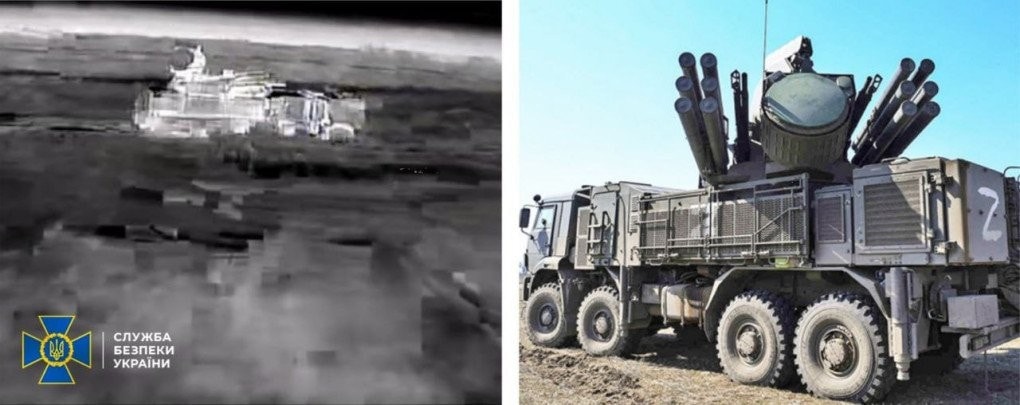
Pantsir-S2 system: short- to medium-range air defense system
The Pantsir-S2 is described as an advanced Russian anti-aircraft gun system, developed from the Pantsir-S1 version. The system's weapon structure consists of two 2A38M 30 mm anti-aircraft guns and 12 ready-to-fire 57E6-E anti-aircraft missiles, housed in guided launch tubes located at the rear of an 8x8 truck chassis.
According to the specifications, the two 2A38M cannons have a combined rate of fire of 3,900 to 5,000 rounds per minute, with a muzzle velocity of 960 m/s. The combination of high-rate-of-fire cannons and anti-aircraft missiles allows the Pantsir-S2 to form a close-to-medium range interception layer around the protected area.
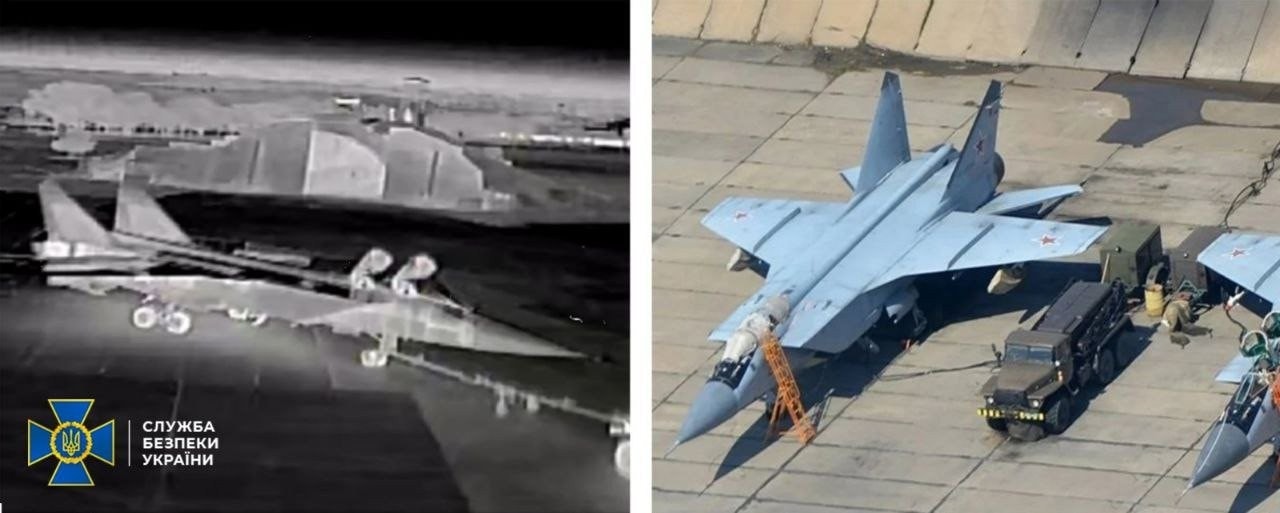
MiG-31: High-speed interception capability
The MiG-31 is presented as Russia's fourth-generation fighter aircraft, designed and developed by Mikoyan. Equipped with advanced radar and missile systems, it is capable of engaging targets at high altitudes and speeds, making it a crucial interceptor in modern air defense systems.
This fighter jet is described as capable of operating effectively day and night and in all weather conditions. The MiG-31 uses two Solovyev D-30F6 engines, allowing the aircraft to reach a maximum speed of approximately 3,000 km/h and a climb rate of 208 m/s.
According to the figures provided, the MiG-31 has a combat radius of approximately 720 km and a flight range of 3,300 km. The aircraft is adapted to carry a variety of weapons, including air-to-air missiles, air-to-ground missiles, bombs, and even hypersonic ballistic missiles.
If the information about a MiG-31 being destroyed at Belbek is confirmed, this would be a significant loss to the Russian forces' long-range interception and rapid air response capabilities in the region.
Impact on the multi-layered air defense network in Crimea
The SBU assessed that the aforementioned UAV attacks significantly weakened Russia's multi-layered defense capabilities in Crimea. The targets listed by the SBU clearly demonstrate a multi-tiered air defense structure: from the Nebo-SVU long-range surveillance radar, the S-400's 92N6 fire control radar, the Pantsir-S2's short-to-medium-range air defense layer, to the MiG-31's air interceptor layer.
Simultaneous damage to surveillance radars, fire control radars, ground-based air defense systems, and interceptor fighters, if confirmed, would reduce the ability to detect, track, and intercept targets early and effectively.
According to the SBU, the attack on Belbek was part of a long-term campaign to destroy Russian military infrastructure, thereby gradually weakening Moscow's defensive capabilities in the Crimean direction. However, as of the time mentioned in the information, Russia has not commented, so assessments of the specific extent of the damage remain largely based on statements from Ukraine.


