
Analyzing the performance of Israel's Iron Dome system in the face of attacks from Iran.
Israel's Iron Dome air defense system is facing widespread criticism regarding its effectiveness and technology following large-scale missile attacks from Iran.
The Iron Dome missile defense system, once considered a symbol of Israel's military might, is now at the center of debates regarding its practical combat capabilities. Amid escalating tensions in the Middle East, many experts and international observers have questioned the system's modernity in the face of newer weapons.
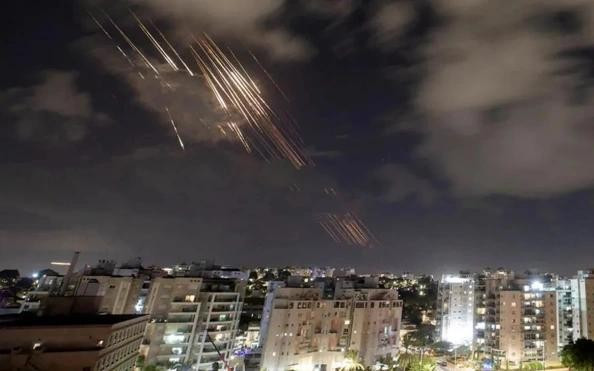
Criticisms of the 'Rust Dome' technology.
The wave of criticism stemmed from comments by Kim Schmitz (Kim Dotcom), the founder of Megaupload. On the social media platform X, he called the system a "rusty dome," implying that retaliatory attacks from Iran had exposed critical weaknesses in Israel's air defense network.
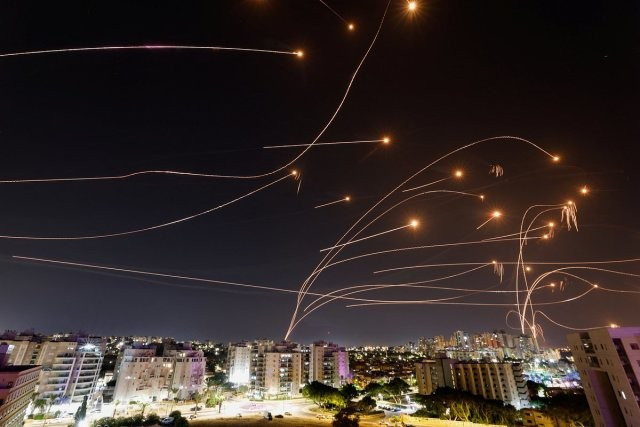
This view has garnered support from a segment of social media users. Many opinions describe Iron Dome as an "outdated" or "paper-thin" system. Some use more figurative comparisons, likening Iron Dome to a filter basket, not a complete protective dome, still allowing a certain number of missiles and unmanned aerial vehicles (UAVs) to slip through into the territory.
Operating mechanism and practical effectiveness
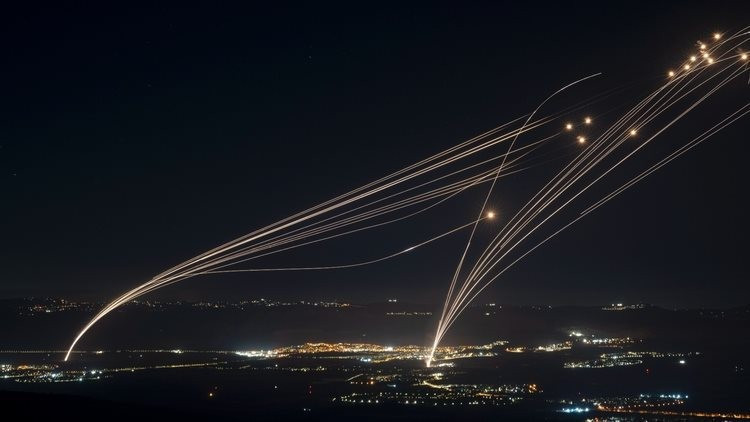
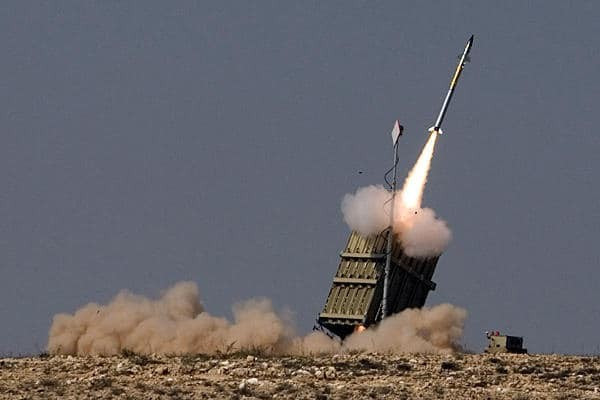
Despite facing much criticism, military experts note that Iron Dome has a unique operating mechanism to optimize resources. The system uses radar algorithms to calculate the flight path of unidentified objects. If it determines that an enemy missile will fall into an uninhabited area or cause no damage, the system will automatically ignore it to focus on intercepting more dangerous targets.
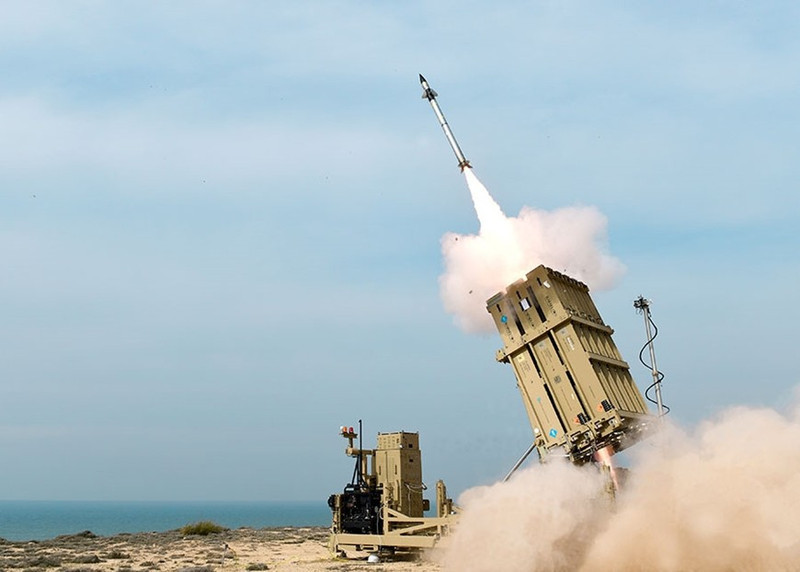
Without the Iron Dome, the damage to infrastructure and lives in Israel from the recent attacks would have been many times more severe. The effectiveness of the system should be assessed based on the percentage of critical areas protected, rather than solely on the number of missiles that slipped through the defenses.
The context of escalating conflict between the US, Israel, and Iran.
Skepticism about the Iron Dome is occurring against the backdrop of an extremely tense conflict in the Middle East. On February 28, the US and Israel launched a joint military operation against Iran, citing the need to deter threats related to Tehran's nuclear program.
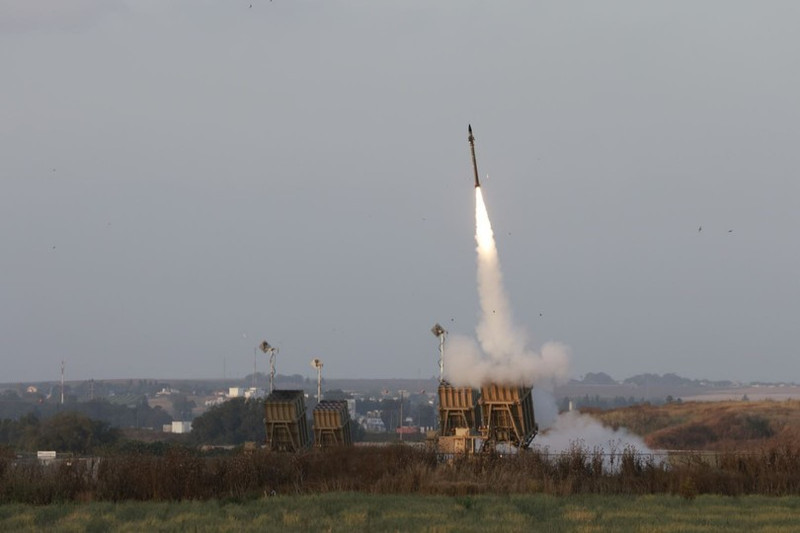
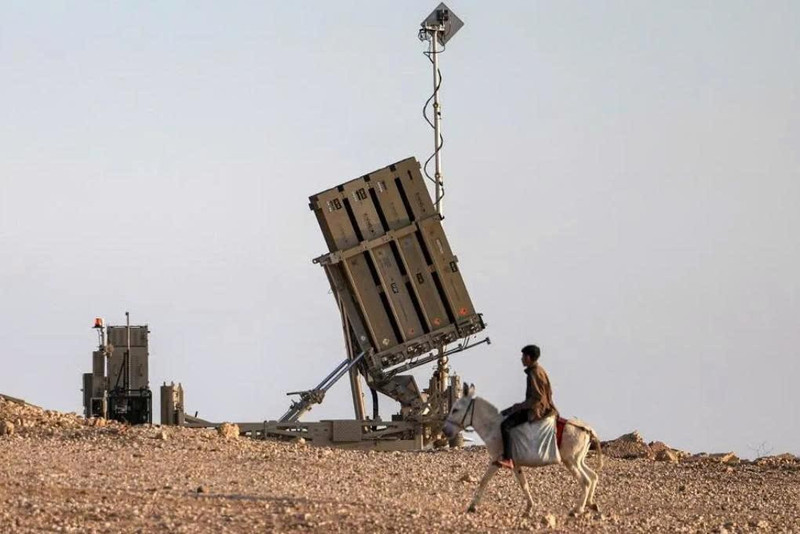
In response to this campaign, Iran launched large-scale missile strikes targeting US military targets in the Middle East and Israeli territory. Notably, news of Supreme Leader Ali Khamenei's death in an airstrike on his residence in Tehran triggered a wave of fierce retaliation from the Islamic Republic.
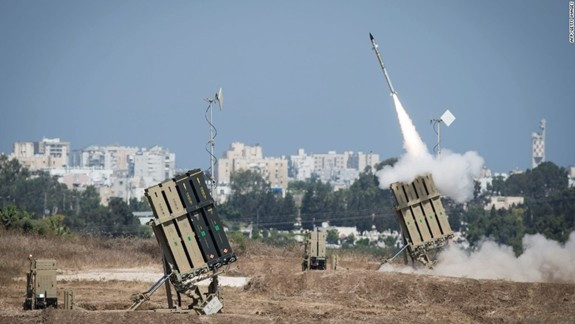
This direct military confrontation not only puts the Iron Dome system to its most rigorous test yet but also threatens to have devastating consequences for regional security, particularly in vital shipping lanes like the Strait of Hormuz.


