
Analyzing the effectiveness of the Aegis system and SM missiles against Iranian firepower.
The US Navy's Aegis defense system is revealing many limitations in the Middle East due to its offshore deployment location, difficulties in reloading, and excessively high operating costs in the face of Iran's asymmetrical tactics.
In the escalating conflict in the Middle East in 2026, the Aegis fire control system, combined with the Standard Missile (SM) interceptor missile, became the primary shield for the U.S. Navy. Although designed to protect fleets and allied bases from ballistic missile attacks and suicide drones from Iran, the system's actual effectiveness is facing considerable skepticism from military experts.
The technological prowess of the Aegis system and SM missiles.
Named after Zeus's shield, Aegis is the most advanced integrated combat system on Arleigh Burke-class destroyers and Ticonderoga-class cruisers. The system is based on the SPY-1D or SPY-6(V)1 active phased array radar, capable of tracking hundreds of targets simultaneously within a range of over 400 km. The control center enables automatic classification and guidance of missiles with extremely high accuracy.
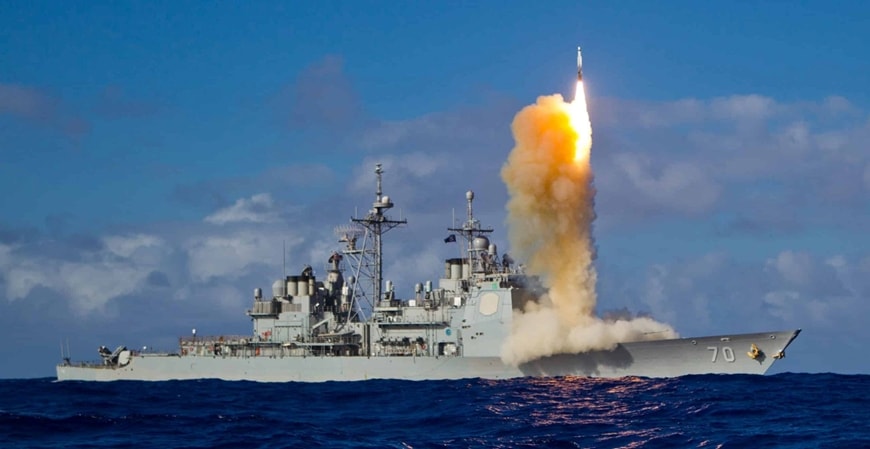
The Aegis interceptor firepower comprises three main Standard Missile variants:
- SM-2 Block IIIA/IIIBWith a range of 167km, it specializes in destroying aircraft and cruise missiles.
- SM-3 Block IA/IB/IIAWith a range of up to 2,500km, it is specifically designed to intercept ballistic missiles outside the atmosphere.
- SM-6 Block IAWith a range of 370km, it has multi-role capabilities ranging from intercepting hypersonic missiles to ground attack.
Notably, the Aegis Ashore (land-based) version has also been deployed in Poland and Romania to bolster regional defense networks. However, the biggest obstacle for this missile system is its high price, ranging from $12-20 million per missile, along with its complex manufacturing process.
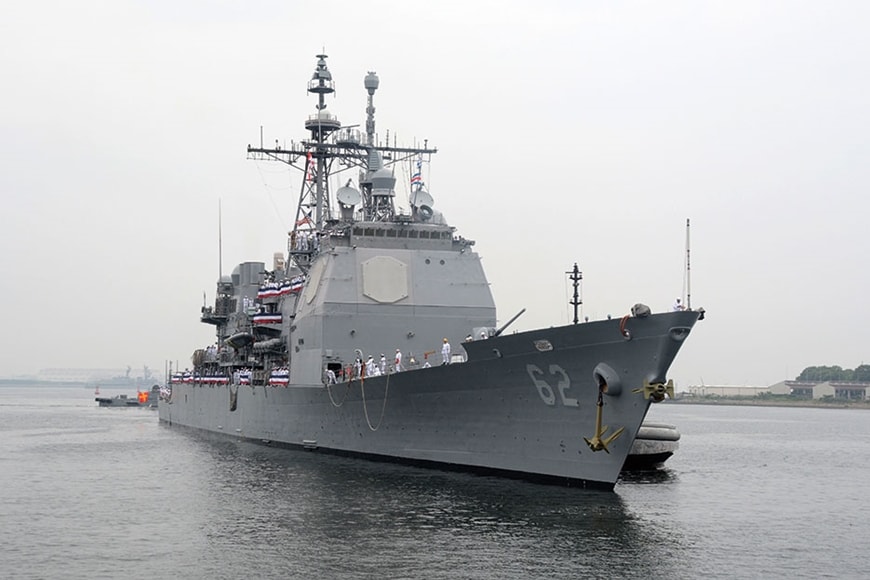
Practical obstacles on the Middle Eastern battlefield
Despite having proven effective with an interception rate of over 90% in previous conflicts in the Red Sea, the Aegis system is facing new challenges from Iran. According to The War Zone magazine, the number of Aegis warships present in the region is currently too low, only about 4-5 ships, while the minimum requirement to ensure security is 12-14 ships.
Geographic location is a major disadvantage. To avoid cruise missile and suicide boat attacks, the US is forced to withdraw its fleet to a distance of 300-500km from the Persian Gulf. This distance reduces the radar's ability to detect targets flying low over the sea or suicide drones at altitudes below 100m. At the same time, ballistic missiles traveling at Mach 5-8 pose a significant challenge to interceptor systems due to the shortened reaction time.
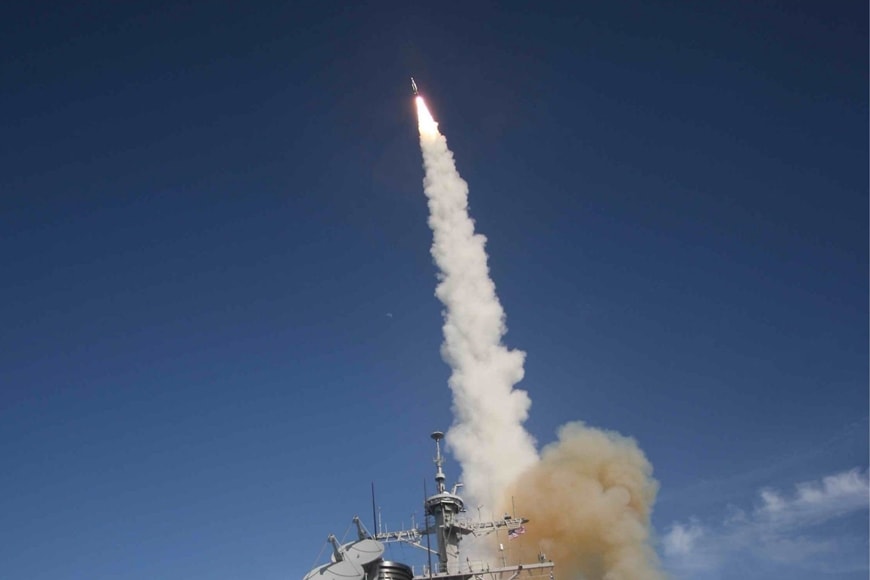
Logistical and cost pressures
Unlike ground-based air defense systems like Patriot or THAAD, Aegis warships must return to dedicated ports to reload missiles after running out of ammunition. This process is time-consuming and risky, as resupply bases are within enemy range.
A report from OSINT indicates that the US has consumed approximately 430 SM-2/3/6 missiles since February 2026. Typically, the US Navy has to launch 2-3 expensive missiles to intercept a single Iranian ballistic missile. The vast cost disparity between the interceptor missiles and the cheaper targets, coupled with the pressure of swarm attack tactics, is making the Aegis "shield" increasingly ineffective in the context of modern warfare.


