
iPhone 17 Air Analysis: Breakthrough ultra-thin design and pressure to lower the price by 10 million VND.
The iPhone 17 Air is seeing a record price drop of up to 10.5 million VND in Vietnam. Despite possessing the A19 Pro chip and the thinnest design in Apple's history, the device still faces many hardware challenges.
Unlike the price stability of other models in the same line, the iPhone 17 Air is experiencing a sharp drop in value immediately after its launch. According to Apple's authorized dealers in Vietnam, sales have fallen short of expectations, forcing retailers to continuously launch promotional programs, bringing the current price down by up to 10 million VND below the listed price.
iPhone 17 Air price fluctuations in the Vietnamese market.
Currently, the iPhone 17 Air is experiencing the fastest depreciation in the company's history. In fact, at some retailers, this version is even priced about 2 million VND lower than the standard iPhone 17, creating a strange phenomenon in the high-end smartphone segment.
| Version | Listed price (VND) | Current price (VND) | Reduction (VND) |
|---|---|---|---|
| iPhone Air 256GB VN/A | 31,990,000 | 22,990,000 | 9,000,000 |
| iPhone Air 512GB VN/A | 38,490,000 | 28,990,000 | 9,500,000 |
| iPhone Air 1TB VN/A | 44,990,000 | 34,490,000 | 10,500,000 |
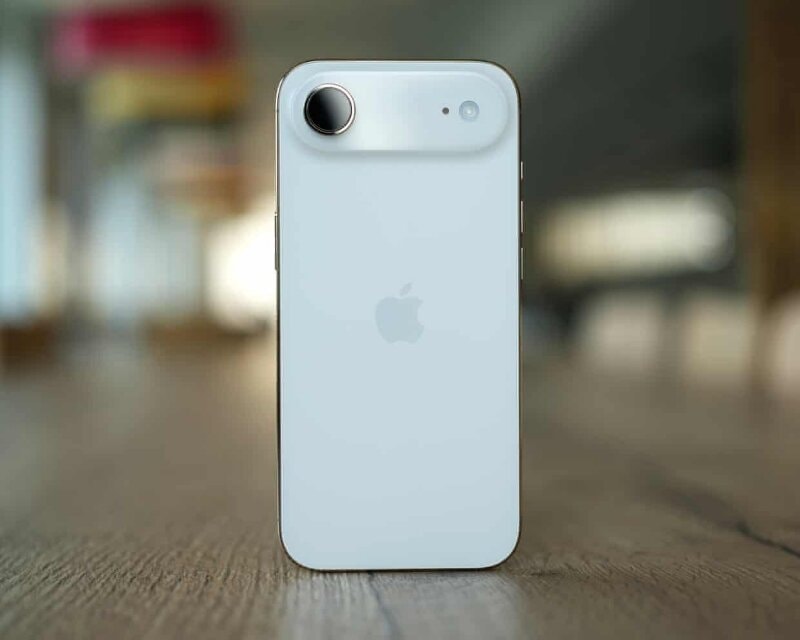
Ultra-thin design: Apple's mechanical breakthrough.
The iPhone 17 Air is positioned as the thinnest smartphone Apple has ever made, with a thickness of only 5.64 mm and a weight of 165 grams. To achieve this, Apple had to optimize the entire internal component structure, providing a comfortable grip and minimizing hand fatigue during prolonged use.
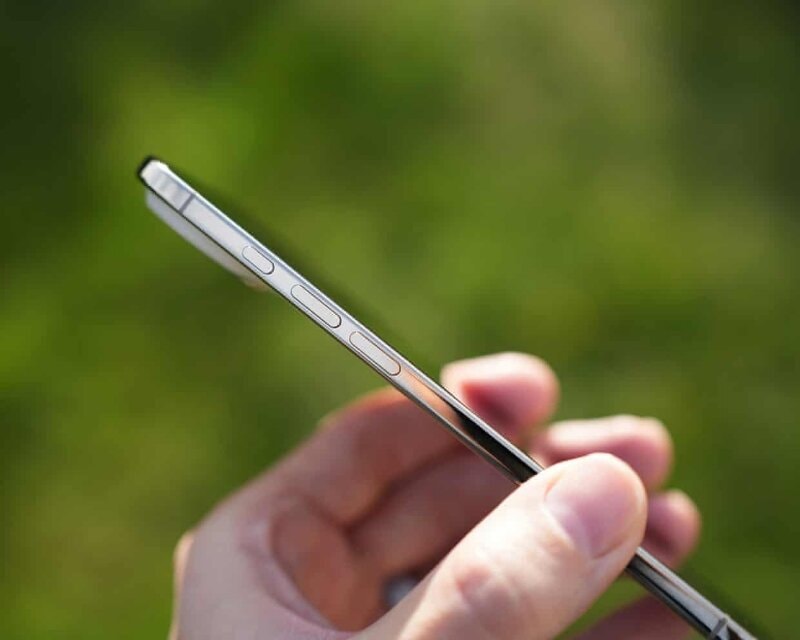
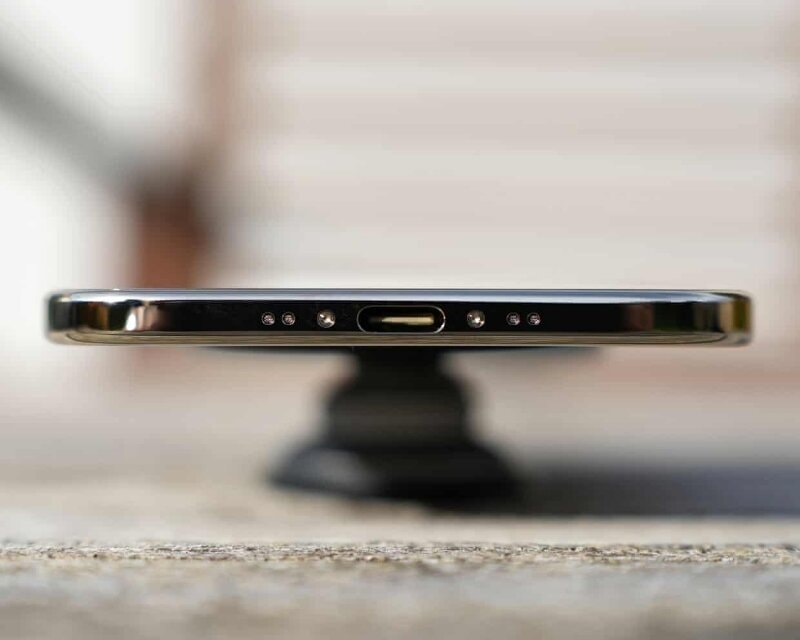
Despite its slim profile, the device maintains durability thanks to its Grade 5 Titanium frame and second-generation Ceramic Shield glass. Real-world tests show this structure provides superior rigidity, even surpassing some Pro Max versions in impact tests. Apple has retained all the physical buttons, dedicated camera controls, and a USB-C port on this ultra-thin frame.
Display and performance: Specifications of a top-of-the-line flagship.
The device features a 6.5-inch LTPO Super Retina XDR OLED display with a pixel density of 460 ppi. The most notable highlight is its maximum brightness of up to 3000 nits, making viewing in bright sunlight easy. 120Hz ProMotion technology is also integrated to ensure smooth performance in all tasks.

In terms of hardware, the iPhone 17 Air uses the powerful A19 Pro processor, equivalent to the Pro series. Although the GPU is downgraded to 5 cores, overall performance still far surpasses most Android competitors in the same price range. The device provides good support for demanding AI applications thanks to Apple Intelligence and the stable iOS 26 operating system.
Technical trade-offs
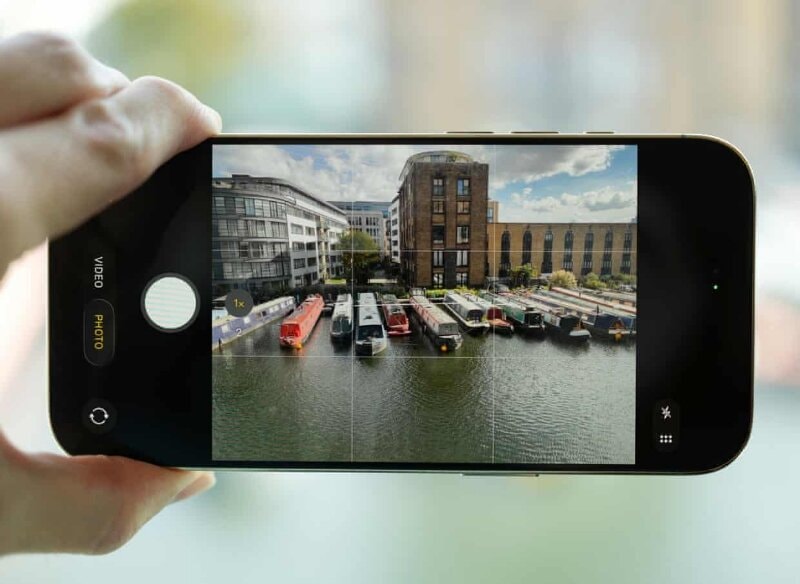
To achieve record-breaking thinness, Apple had to make significant trade-offs. First, the camera system was reduced to a single 48MP main lens, completely eliminating wide-angle shooting and optical zoom. Professional video recording features like ProRes were also removed, making this the product's biggest weakness.
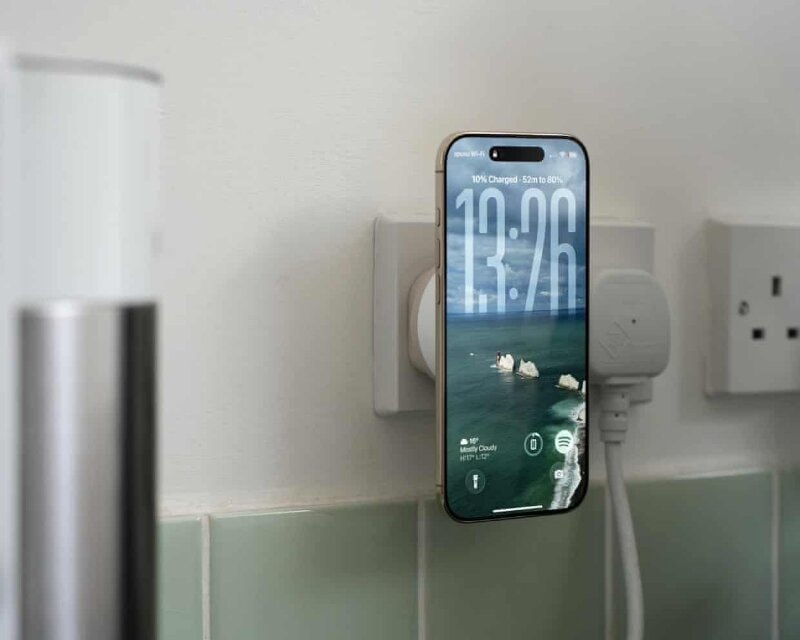
Additionally, limited heat dissipation space causes the device to overheat easily during demanding tasks. Fast charging technology is also limited to 20W, taking approximately 1 hour and 30 minutes to fully charge the 3149 mAh battery, a rather modest figure compared to current flagship standards.
Conclude
The iPhone 17 Air is a testament to engineering breakthroughs but is controversial regarding its practicality. With its price now significantly reduced to the 22-34 million VND range, it's an attractive option for those who prioritize a stylish design, a beautiful screen, and powerful performance. However, for users who focus on photography and fast charging, this model still leaves much to be desired.


