
Analyzing the 2nm A20 Pro chip architecture and hardware upgrades on the iPhone 18 Pro Max.
The iPhone 18 Pro Max marks a technological turning point with its 2nm A20 Pro processor, variable aperture camera, comprehensive satellite 5G connectivity, and 5,567 mAh battery.
Powered by the A20 Pro processor manufactured on a 2nm process, the iPhone 18 Pro Max represents a significant hardware shift for Apple before entering the era of foldable devices. The combination of the new WMCM packaging architecture, a variable aperture camera system developed in collaboration with Samsung, and LTPO+ display technology helps this flagship model optimize processing performance and power management.
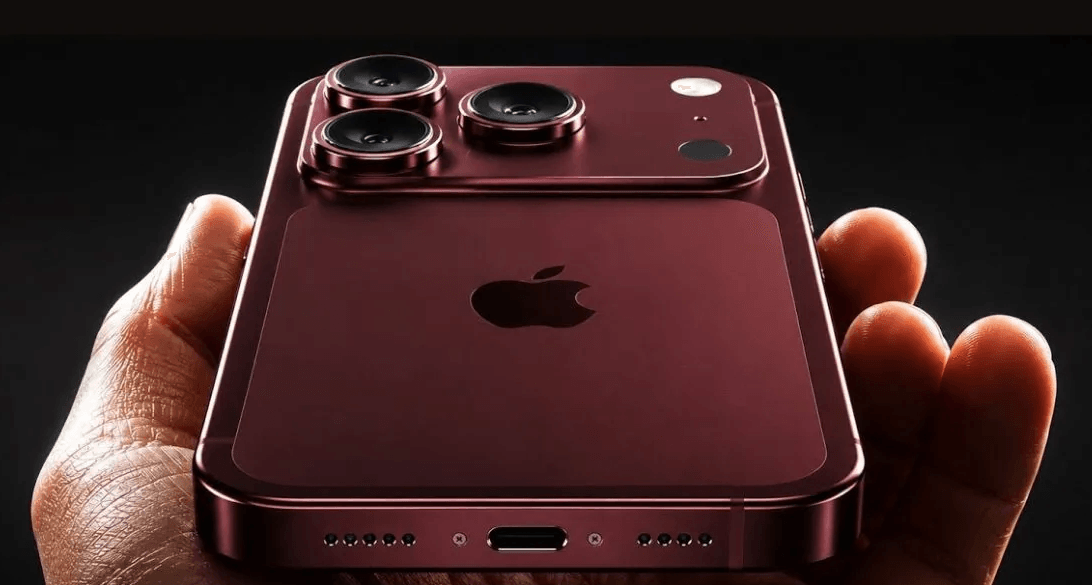
Breakthrough performance from the 2nm A20 Pro chip architecture and WMCM technology.
At the heart of the iPhone 18 Pro Max lies the A20 Pro processor, the first commercially available chip manufactured using TSMC's advanced 2nm process. Compared to its predecessor, the 3nm A19 Pro, the 2nm process delivers a 15% increase in overall performance and reduces power consumption by up to 30%.
Notably, TSMC has adopted a new packaging technology called WMCM (Wafer-Level Multi-Chip Module). This technique allows for the direct integration of RAM onto the same chip die as the CPU, GPU, and Neural Engine. Reducing the physical distance between RAM and processors minimizes data access latency, expands bandwidth, and increases the processing speed of artificial intelligence (AI) tasks on the device.
A 3-layer image sensor developed in collaboration with Samsung and a variable aperture.
The optical array on the iPhone 18 Pro Max marks a major change as Apple collaborates with Samsung for the first time to equip it with a completely new 3-layer image sensor, replacing the traditional Sony sensor. The 3-layer structure helps increase the sensor's response speed, reduce noise, and expand the dynamic range (HDR).
Furthermore, the 48MP Fusion camera on the Pro series is the first to feature a variable aperture similar to professional DSLR cameras, instead of the fixed f/1.78 aperture of previous models. This mechanical mechanism allows the lens to flexibly change its aperture, enabling users to actively adjust the depth of field to create natural bokeh effects or optimize overall sharpness when shooting landscapes.
Optimized energy consumption with a 5,567 mAh battery and LTPO+ display.
To meet the operational requirements of new AI and connectivity features, the battery capacity of the Pro Max series has seen a record increase. According to certification documents, the iPhone 18 Pro Max boasts a battery of up to 5,391 mAh in the Chinese market and 5,567 mAh in the US market, an increase of nearly 500 mAh compared to the previous generation. The new design has increased the weight to approximately 243g, making it the heaviest iPhone model from the company.
Besides its large battery capacity, the device also integrates a new generation LTPO+ display panel supplied by Samsung Display and LG Display. The LTPO+ screen enhances OLED's real-time light control, automatically adjusting brightness precisely according to the surrounding environment to dynamically save battery power during use.
Miniature Dynamic Island and comprehensive 5G satellite connectivity.
In terms of front design, Apple opted to reduce the size of the Dynamic Island module by approximately 35%, shortening its length from 20.7mm to about 13.5mm, instead of hiding the entire Face ID system under the screen. The frame and back of the Ceramic Shield 2 also feature an improved glass assembly process to eliminate color discrepancies between the metal and glass materials.
In terms of connectivity, the iPhone 18 Pro Max upgrades to true 5G satellite network access, allowing users to maintain internet connectivity even in areas with no terrestrial cellular signal. The Camera Control button has been redesigned, eliminating capacitive touch and retaining only the force sensor to reduce component complexity and maintenance costs.
The device is expected to ship with iOS 27, integrating a next-generation Siri AI system capable of understanding personal context, analyzing on-screen content, and supporting advanced text processing tools.


